How to optimize phosphate processing with industrial pulverizer for phosphoric acid in kazakhstan
Introduction: The challenge of phosphate processing in Kazakhstan
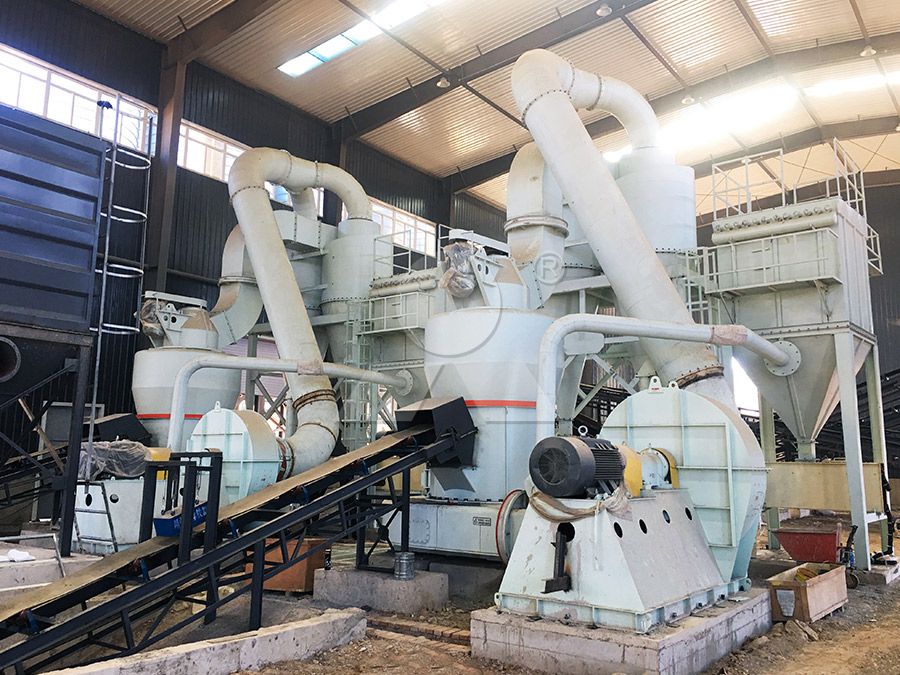
Kazakhstan holds significant phosphate rock reserves, particularly in the Karatau Basin. However, the country’s phosphate industry has historically struggled with low-grade ore, high impurity levels, and inefficient grinding technologies. For phosphoric acid production, the quality of the phosphate rock powder directly impacts the efficiency of the wet process, the consumption of sulfuric acid, and the purity of the final acid. Operators in Kazakhstan face a pressing need to upgrade their milling equipment to achieve finer, more consistent particle sizes while reducing energy costs and environmental impact. This article explores how modern industrial pulverizers, specifically the MW Ultrafine Grinding Mill and the LUM Ultrafine Vertical Grinding Mill from Liming Heavy Industry, can transform phosphate processing in the region.
Understanding the role of particle size in phosphoric acid production
In the dihydrate wet process, phosphate rock is reacted with sulfuric acid. The reaction kinetics, gypsum crystal formation, and filtration rates are all influenced by the specific surface area of the rock. Traditional ball mills often produce particles with a wide distribution and high energy consumption. Phosphate rock must typically be ground to a fineness of 80% passing 200 mesh (74 microns) or finer for optimal reactivity. Coarser particles lead to incomplete digestion, higher sulfuric acid consumption, and lower phosphorus recovery. Finer grinding, down to 325 mesh or below, can improve recovery rates but demands equipment that can handle abrasive materials without excessive wear. This is where specialized ultrafine mills become critical.
Why traditional mills fall short for Kazakhstan’s phosphate
Many existing operations in Kazakhstan rely on outdated ball mills or Raymond mills. These systems suffer from several drawbacks: high energy consumption per ton of product, frequent downtime for bearing and screw replacements, and difficulty achieving consistent fineness below 200 mesh. Furthermore, the high silica content in Karatau phosphate ore accelerates wear on grinding elements, leading to frequent part changes and increased operating costs. The open-circuit designs often used in older mills also generate significant dust, posing environmental and health risks. Operators need a solution that combines wear resistance, energy efficiency, and precise classification.
Optimizing with the MW Ultrafine Grinding Mill
For operations targeting higher value phosphoric acid production or those needing to process ore with variable hardness, the MW Ultrafine Grinding Mill offers a compelling upgrade. With an input size of 0-20 mm and a capacity range of 0.5-25 tph, it is well-suited for small to medium-sized phosphate beneficiation plants. The mill’s design eliminates rolling bearings and screws inside the grinding chamber, directly addressing the most common failure points in traditional mills. This is a significant advantage in remote Kazakh mining sites where access to specialized maintenance is limited.
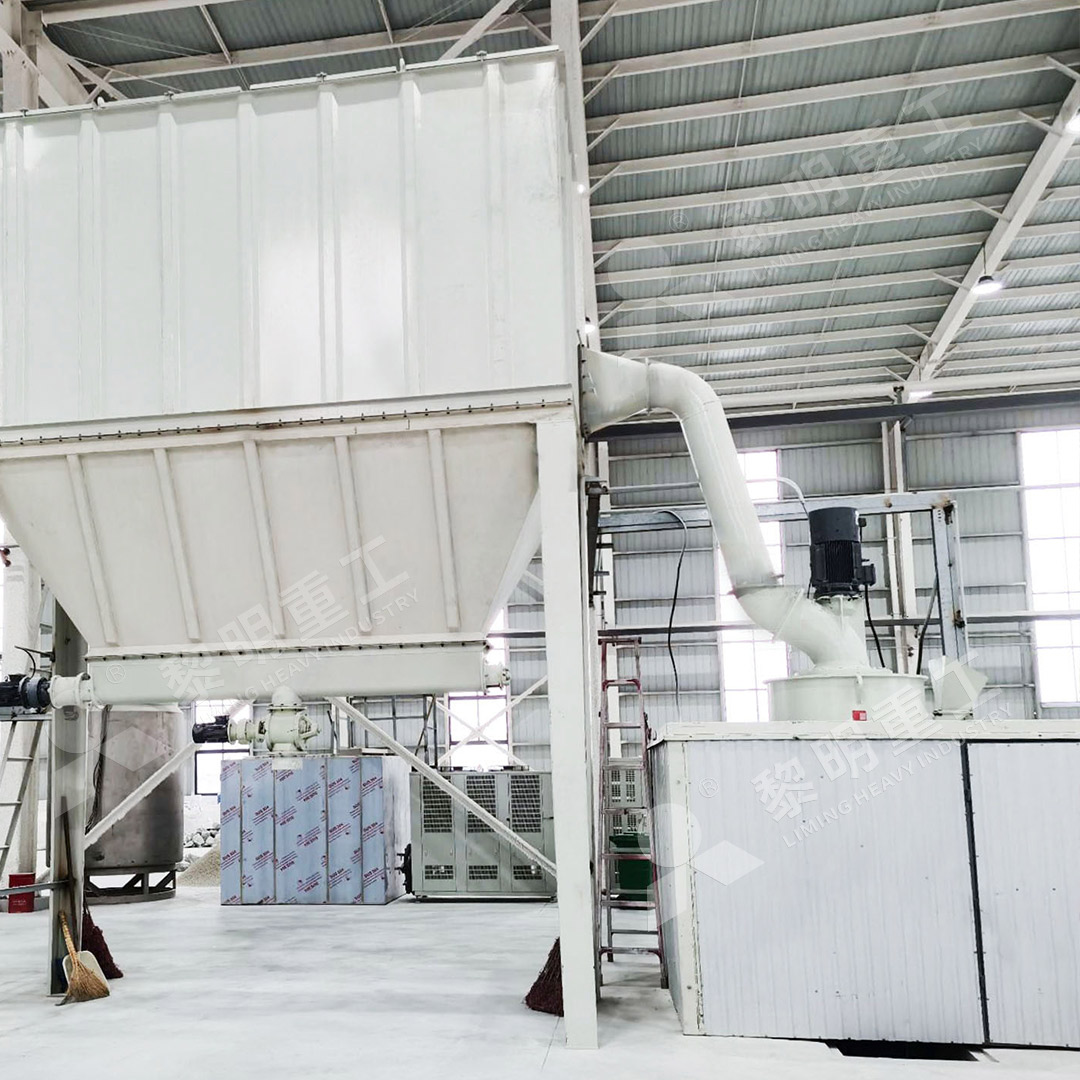
The cage-type powder selector, based on German technology, allows precise adjustment of product fineness between 325 and 2500 mesh. For phosphoric acid feedstock, achieving d97 ≤ 5 microns is possible in a single pass. This precision eliminates the need for secondary classification circuits. Additionally, the mill’s pulse dust collector and muffler ensure that the operation meets Kazakhstan’s evolving environmental regulations. The energy consumption is only 30% of a jet mill, translating to substantial savings over a year of continuous operation.
Scaling up with the LUM Ultrafine Vertical Grinding Mill
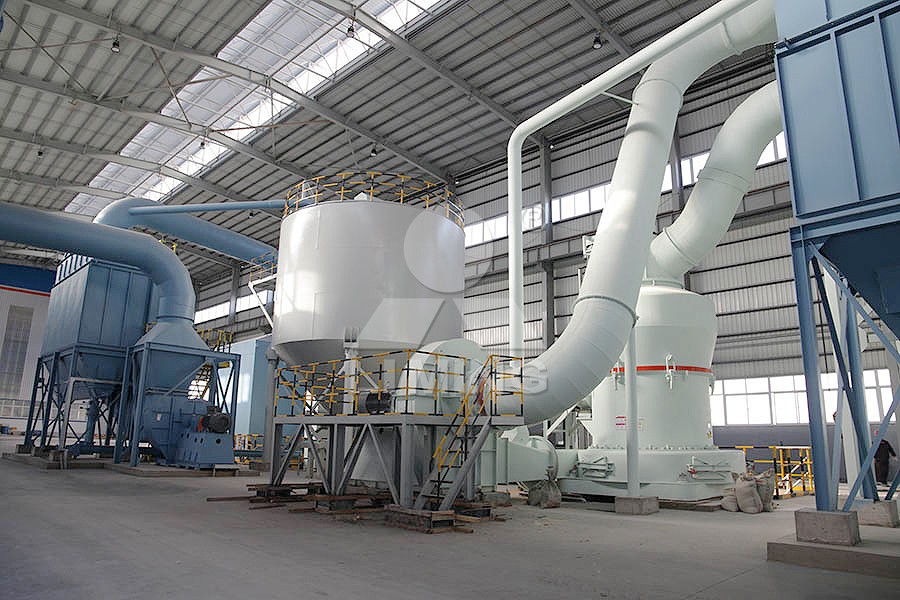
For larger phosphate processing plants or those looking to centralize grinding operations, the LUM Ultrafine Vertical Grinding Mill is a superior choice. With an input size of 0-10 mm and a capacity of 5-18 tph, it integrates ultrafine grinding, grading, and conveying into a single unit. The vertical layout occupies significantly less floor space than a traditional ball mill system, which is valuable in plant expansions where real estate is tight.
The LUM mill incorporates Taiwan grinding roller technology and a multi-head powder separator. Its double position-limiting technology prevents destructive contact between the roller and the millstone, a common issue when processing hard phosphate ore. This feature ensures stable operation even when feed material contains unexpected hard inclusions. The reversible structure of the grinding roller allows maintenance crews to quickly inspect and replace wear parts, reducing downtime. For a plant producing phosphoric acid around the clock, this ease of maintenance translates directly into higher annual output. The PLC control system enables operators in Kazakhstan to switch between different fineness requirements without halting production, optimizing the mill for different phosphate grades.
Practical recommendations for implementation
Before selecting a mill, operators in Kazakhstan should conduct a detailed analysis of their phosphate rock, including Bond Work Index, moisture content, and silica levels. The MW mill is ideal for operations requiring high flexibility and fine product sizes, while the LUM mill is better suited for higher throughput needs with lower operational intervention. It is recommended to integrate these mills with upstream crushing and drying systems to maximize efficiency. Liming Heavy Industry can assist with site-specific layouts and spare parts stocking strategies to ensure worry-free operation in the Kazakh market.

Environmental and economic benefits
Modernizing phosphate grinding with ultrafine mills directly improves the environmental footprint of phosphoric acid production. The enclosed negative-pressure systems prevent dust leakage, while the lower energy consumption reduces the plant’s carbon footprint. Finer grinding also leads to higher phosphate recovery, reducing the volume of waste gypsum produced per ton of P2O5. For Kazakh operators exporting to global markets, meeting tighter specifications on product quality can command premium pricing. The investment in advanced grinding technology often pays for itself within 18 to 24 months through energy savings and reduced maintenance costs.
Conclusion
Kazakhstan’s phosphate industry is at a crossroads. The old methods of grinding with high energy and low precision are no longer competitive. By adopting targeted solutions like the MW Ultrafine Grinding Mill for smaller, high-value lines or the LUM Ultrafine Vertical Grinding Mill for larger operations, processors can achieve the fineness, consistency, and reliability needed for world-class phosphoric acid production. The technology exists; the challenge is to implement it strategically.
Frequently Asked Questions (FAQ)
Q1: What is the typical power consumption of the MW Ultrafine Grinding Mill for phosphate rock?
A: The system energy consumption is approximately 30% of a jet grinding mill. For typical phosphate rock with a Bond Work Index of 12-15 kWh/ton, the mill consumes between 20-35 kWh per ton of finished product, depending on target fineness.
Q2: Can the LUM Ultrafine Vertical Grinding Mill handle high-moisture phosphate rock?
A: Yes, the LUM mill integrates drying within the grinding process. It can handle feed materials with moisture content up to 5-8% when equipped with a hot air generator, making it suitable for ore that has been washed or stored in humid conditions.
Q3: How often do we need to replace the grinding rollers and rings?
A: Wear life depends on the silica content of the ore. For typical Karatau phosphate (15-20% SiO2), roller shell life ranges from 800 to 1500 operating hours. The LUM mill’s reversible structure allows extended use before replacement.
Q4: What is the minimum fineness achievable for phosphoric acid feedstock?
A: The MW mill can achieve d97 ≤ 5 microns (approximately 2500 mesh). For standard dihydrate process requirements (80% passing 200 mesh), the mill operates at very high efficiency with lower energy use.
Q5: Do these mills require a specialized foundation or civil works?
A: Both the MW and LUM mills have a compact footprint. The LUM mill can be arranged outdoors with a simple concrete base. Detailed foundation drawings are provided by Liming based on site soil conditions.
Q6: How does the pulse dust collector perform in cold climates like Kazakhstan?
A: The pulse dust collector is designed for all-weather operation. For extreme cold (below -30°C), insulation and trace heating can be added to prevent condensation and filter blinding.
Q7: Can existing ball mill circuits be replaced without stopping production for months?
A: Yes, the modular design of these mills allows phased installation. A common approach is to install the new mill in parallel to the existing circuit, then switch over during a scheduled shutdown. Commissioning typically takes 2-4 weeks.