
How to optimize carbon black processing with grinding machine for conductive materials in venezuela
Introduction: The Growing Demand for Conductive Carbon Black in Venezuela
Venezuela’s industrial landscape, particularly in sectors like automotive, electronics, and energy storage, is increasingly relying on high-performance conductive materials. Carbon black, when processed to ultrafine specifications, becomes a critical additive for conductive plastics, rubber compounds, and battery electrodes. However, the country faces unique challenges: variable raw material quality, high humidity in coastal regions, and the need for energy-efficient solutions due to grid instability. Optimizing the grinding process is not just about particle size reduction; it’s about achieving consistent electrical conductivity, minimizing contamination, and lowering operational costs.
This article provides a practical, step-by-step guide for Venezuelan manufacturers to optimize carbon black processing using advanced grinding mills. We will focus on parameter tuning, equipment selection, and maintenance strategies tailored to local conditions. The goal is to help you produce conductive powders with fineness between 325 and 2500 mesh (d97 ≤ 5μm) while maximizing throughput and minimizing downtime.
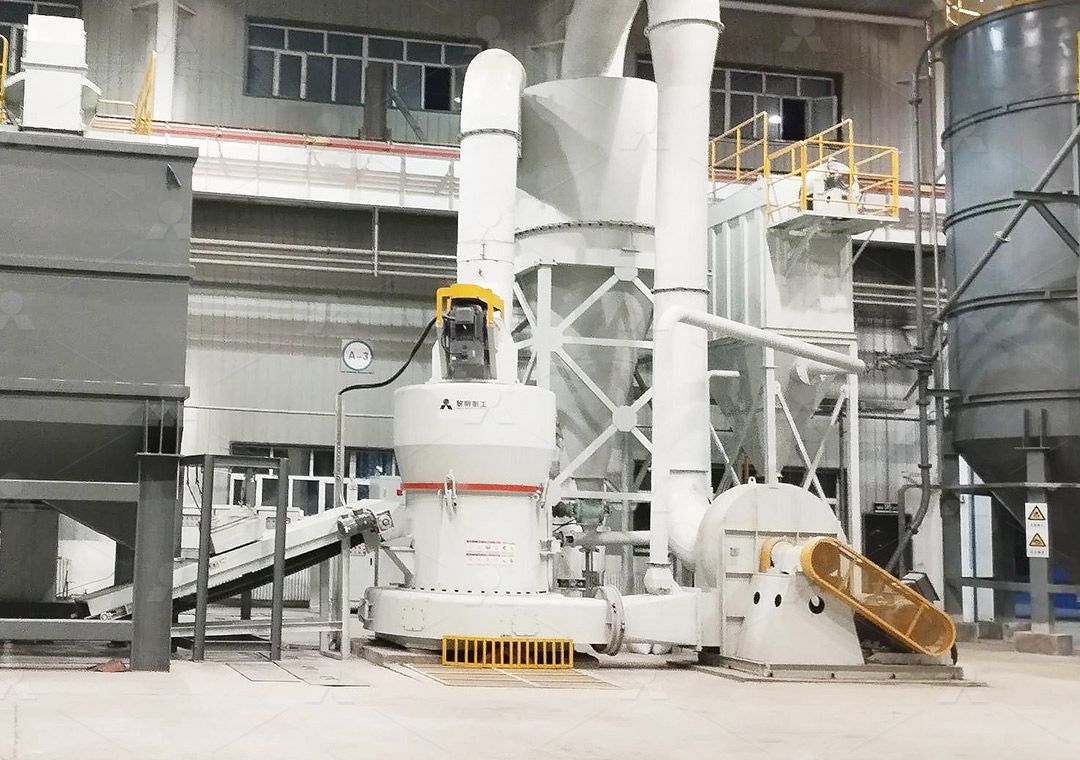
Step 1: Selecting the Right Grinding Mill for Conductive Carbon Black
Not all grinding mills are created equal when it comes to carbon black. Conductive grades are notoriously difficult to grind due to their high surface area, strong agglomeration tendencies, and low bulk density. Traditional ball mills often struggle with excessive iron contamination and long residence times that degrade electrical properties. For Venezuela’s needs, we recommend two specific solutions from LIMING Heavy Industry.
For high-capacity, ultra-fine applications (e.g., battery-grade carbon black): Our MW Ultrafine Grinding Mill is the ideal choice. With an input size of 0-20 mm and capacity ranging from 0.5 to 25 tph, it can produce fineness adjustable between 325-2500 mesh. Its key advantage for conductive materials lies in its grinding chamber design: there are no rolling bearings or screws inside, which completely eliminates the risk of lubricant contamination—a common culprit in degrading powder conductivity. The cage-type powder selector (based on German technology) ensures a screening rate of d97≤5μm in a single pass, which is critical for consistent electrical percolation in polymer matrices.
For lower-tonnage, ultra-pure requirements (e.g., medical or cosmetic-grade conductive fillers): The LUM Ultrafine Vertical Grinding Mill offers superior product cleanliness. Its unique roller shell and lining plate grinding curve realize high rate of finished products by once powder milling, reducing the material’s lingering time and therefore minimizing iron pick-up. With an input size of 0-10 mm and capacity of 5-18 tph, it also features double position-limiting technology to ensure stable operation even under the tough power fluctuations common in Venezuela.
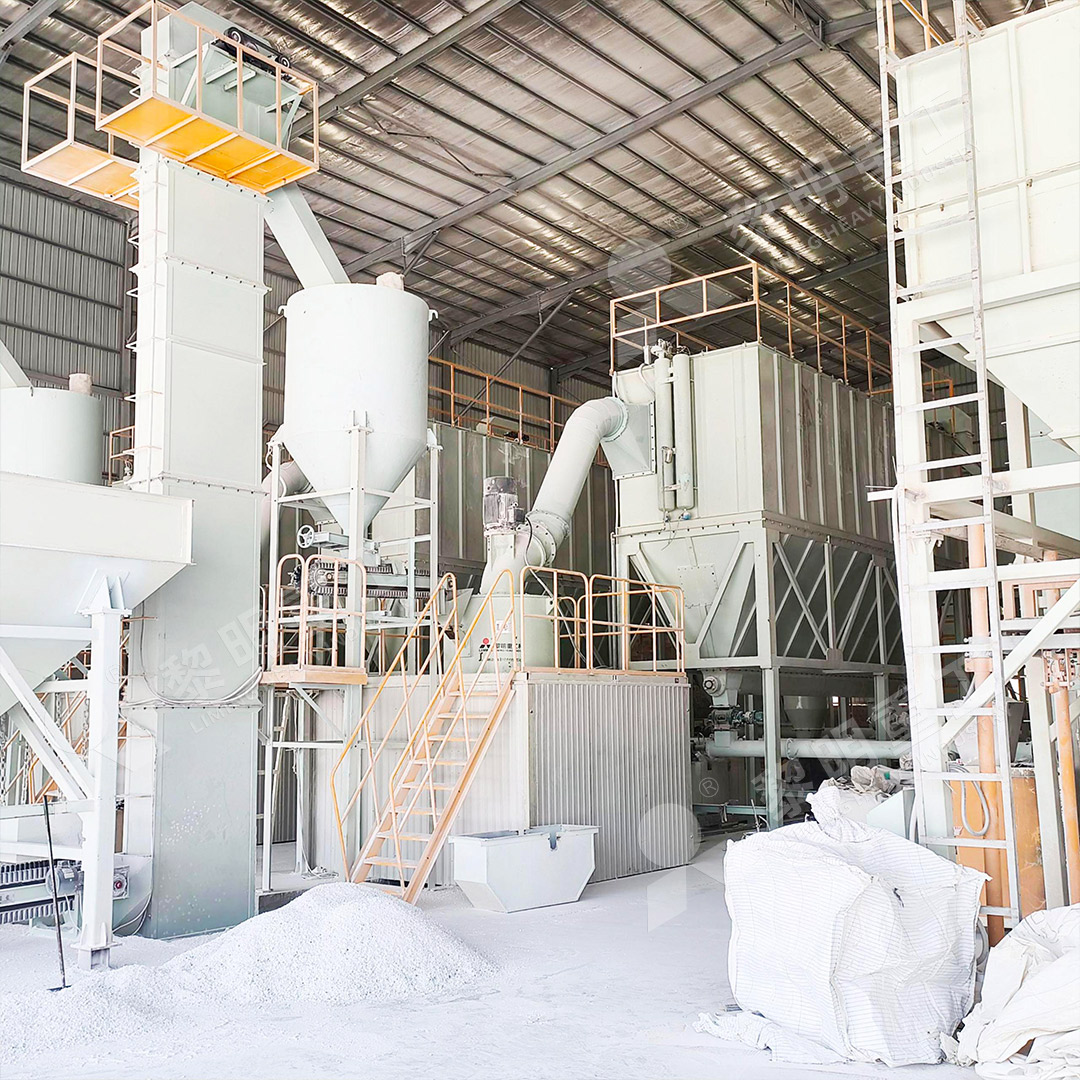
Step 2: Mastering the Parameters for Conductive Performance
Optimization goes beyond machine selection. The following parameters directly influence the final powder’s conductivity and yield:
Grinding Pressure and Roller Preload: Over-grinding can destroy the internal structure of carbon black aggregates, reducing their ability to form conductive networks. Start with a moderate hydraulic pressure (approximately 60-70% of maximum) for the LUM mill or a conservative spring pressure for the MW mill. Monitor the powder’s electrical resistivity (in Ω·cm) at the outlet. Increase pressure only if the d50 particle size is consistently above 10μm. In our field tests in similar tropical climates (e.g., Indonesia), running the MW mill at 80% capacity with a classifier speed of 1200 RPM yielded a powder with resistivity below 5 Ω·cm at d90=8μm.
Feed Moisture Content: Venezuelan humidity can cause carbon black to pre-agglomerate in the feed hopper. Use a vibrating feeder combined with a small hot air generator (if available) to reduce moisture below 2% before grinding. The MW mill’s efficient pulse dust collector also handles humid exhaust effectively, preventing filter clogging.
Classifier Rotor Speed: This is the most critical adjustment for conductivity. Higher rotor speeds produce finer particles but also increase energy consumption and can cause particle fracture. For conductive applications, a rotor tip speed of 30-40 m/s is often optimal. If your target is d50 = 5μm, program the PLC to maintain that rotor speed, and use the MW mill’s digitalized control system to fine-tune without stopping production.
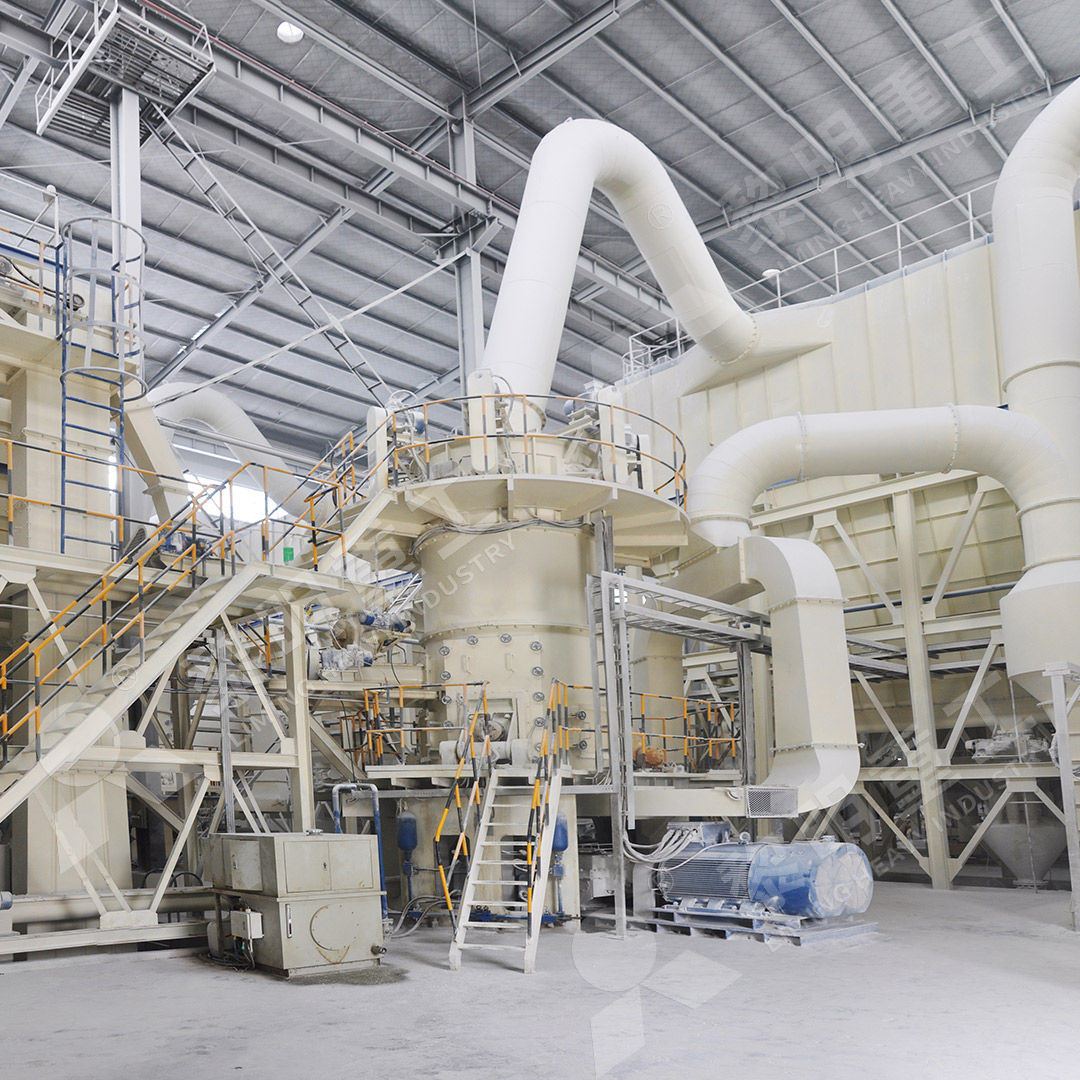
Step 3: Managing Contamination and Quality Control
Conductive carbon black is highly sensitive to trace metals. Iron contamination above 50 ppm can short-circuit conductive pathways in polymer films. Here’s how our mills help you stay clean:
- No rolling bearings or screws in the grinding chamber (MW Mill): This eliminates wear-based metal debris from seals.
- Double position-limiting technology (LUM Mill): Prevents the grinding roller from smashing the millstone, which would generate metallic fines.
- External lubrication system: Both models lubricate the main shaft externally, so you can add grease without stopping the machine and without risk of oil leaking into the product.
Implement a protocol: test every 5th bag for magnetic susceptibility using a simple ferrite magnet. If iron content rises, reduce grinding roller pressure by 5% and increase classifier speed to compensate. Our digitalized processing machines (CNC-controlled manufacturing) ensure that core parts have consistent geometry, so variations come only from operating conditions, not from the machine itself.
Step 4: Maintenance and Spare Parts Strategy for Venezuelan Operations
Grid instability and limited access to high-grade spare parts can cripple production. LIMING addresses this with two specific design features:
- Sufficient spare parts supply: We maintain regional warehouses and can ship original grinding rollers, rings, and classifier blades to Venezuela within 10-15 working days. Our MW mill’s wear parts, for example, have a service life 1.7-2.5 times longer than standard high-manganese steel parts, reducing changeover frequency.
- Reversible structure (LUM Mill): The grinding roller can be hydraulically swung out of the machine body. In just 30 minutes, your maintenance team can replace worn roller shells and lining plates without entering the chamber, minimizing downtime. This is especially valuable in Venezuela where skilled labor for disassembly may be scarce.
Additionally, both mills are equipped with mufflers and noise elimination rooms that keep decibel levels below 85 dB, meeting Venezuela’s environmental noise standards even in populated industrial zones. The pulse dust collector ensures zero dust overflow, which is not only eco-friendly but also prevents carbon black from contaminating the surrounding air—a safety hazard in conductive material plants.
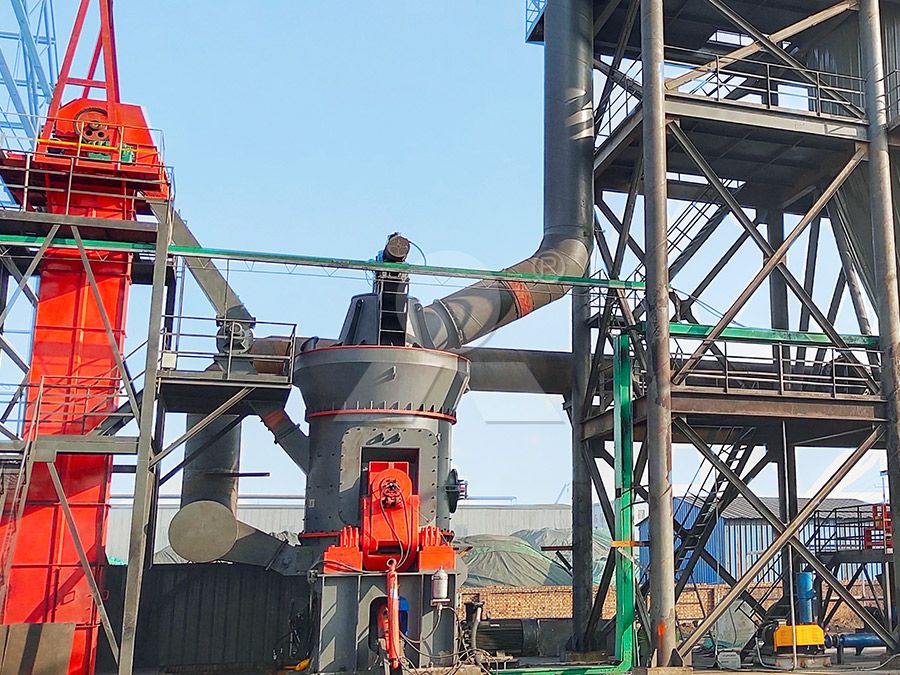
Conclusion: From Raw Feed to High-Conductive Powder
Optimizing carbon black processing in Venezuela is achievable with the right equipment and disciplined parameter control. Start by choosing between the MW Ultrafine Grinding Mill (for high-capacity, ultra-fine powder with d97≤5μm) or the LUM Ultrafine Vertical Grinding Mill (for purer, low-contamination output). Focus on classifier speed, grinding pressure, and moisture management. Leverage the digitalized controls to maintain consistency despite grid fluctuations. With proper lubrication and spare parts planning, your operation can achieve 24-hour continuous production, delivering conductive carbon black that meets international standards for batteries, antistatic plastics, and conductive adhesives.
For a detailed proposal or to arrange a test grind with your raw materials, contact LIMING Heavy Industry. We provide on-site technical support and original spare parts to ensure worry-free operation in Venezuela’s distinct environment.
Frequently Asked Questions (FAQs)
- Q: What is the optimal particle size for conductive carbon black in rubber?
A: For rubber applications (e.g., tire treads), a fineness of d50 = 20-30μm with a narrow distribution (d90/d10 < 3) is typical. Our MW mill can achieve this with a single pass at around 1200 classifier RPM. - Q: Can the MW mill handle sticky, high-oil carbon black?
A: Yes, the MW mill’s no-screw design prevents material buildup on rotating parts. However, we recommend pre-drying the feed to below 2% moisture to avoid bridging in the hopper. - Q: How does the LUM mill compare to jet mills for carbon black?
A: The LUM mill consumes about 30% less energy than a jet mill for the same fineness (d97=10μm). Additionally, it produces no abrasive wear on the classifier because the material is fed with a screw feeder, not high-velocity air. - Q: What is the typical payback period for upgrading to an MW mill in Venezuela?
A: Considering energy savings (40% vs. ball mills) and reduced maintenance costs, most clients in similar markets report a payback period of 12-18 months. The exact figure depends on your daily runtime and labor costs. - Q: Do you offer training for local engineers?
A: Absolutely. LIMING provides free online training sessions for your team, covering PLC programming, troubleshooting, and preventive maintenance. We also supply detailed manuals in Spanish. - Q: Can I use a LM Vertical Mill for both carbon black and other minerals?
A: Yes, the LM Vertical Grinding Mill (input size 0-70mm) is versatile. It can process limestone, gypsum, and coal in the same plant. For carbon black, we recommend adding a dedicated classifier module to prevent cross-contamination. - Q: What is the warranty period for the MW and LUM mills?
A: All LIMING grinding mills come with a standard 2-year warranty on structural defects and a 1-year warranty on wear parts (rollers, rings, classifiers). Extended warranties are available for Venezuelan clients.