
Barite powder comparison table in rubber
Introduction: Why Barite Powder Quality Matters in Rubber Manufacturing
Barite, or barium sulfate (BaSO4), is a critical functional filler in the rubber industry. It enhances density, improves acid resistance, and reduces production costs without compromising the mechanical properties of the final product. However, not all barite powders are created equal. The particle size distribution, specific surface area, and purity of the powder directly influence the dispersion behavior, reinforcing effect, and overall quality of rubber compounds. For manufacturers aiming to produce high-performance rubber goods—such as automotive parts, hoses, conveyor belts, and sound-dampening materials—selecting the appropriate grinding equipment to produce consistent, ultra-fine barite powder is a strategic decision.
In this article, we present a detailed barite powder comparison table for rubber applications, covering key parameters like fineness, production capacity, energy consumption, and equipment suitability. We will also recommend two of our most advanced grinding mills—the MW Ultrafine Grinding Mill and the LUM Ultrafine Vertical Grinding Mill—as ideal solutions for achieving the exact specifications required by rubber formulators. Let’s begin by examining the typical requirements for barite powder in rubber compounding.

Typical Barite Powder Specifications for Rubber Applications
Rubber compounders generally demand barite powder with the following characteristics:
- Fineness: 325 mesh to 2500 mesh (d97 ≤ 5–45 µm). Finer powders (1250 mesh and above) improve dispersion and surface finish.
- Whiteness: >90% (brightness index) to avoid discoloration in light-colored rubber products.
- Specific Gravity: 4.2–4.5 g/cm³ (high purity ensures consistent density).
- Moisture Content: <0.5% to prevent agglomeration and processing issues.
- Iron Content: Low (<0.1%) to avoid catalytic degradation of rubber polymers.
The ability to adjust fineness precisely within this range is a key differentiator among grinding mills. Below, we compare several mill types commonly used for barite grinding.
Barite Powder Comparison Table for Rubber
| Parameter | Raymond Mill | Ball Mill | MTW Trapezium Mill | MW Ultrafine Grinding Mill | LUM Ultrafine Vertical Grinding Mill |
|---|---|---|---|---|---|
| Fineness Range | 80–325 mesh | 80–400 mesh | 80–600 mesh | 325–2500 mesh (d97≤5µm) | 325–2500 mesh |
| Capacity (tph) | 0.6–5 | 0.65–50 | 3–55 | 0.5–25 | 5–18 |
| Energy Consumption | Medium | High | Low | 30% of jet mill | 30–50% less than conventional mills |
| Product Fineness Precision | Basic | Low | Good | High (German technology) | High (multi-head separator) |
| Whiteness / Purity | Moderate | Moderate | Good | Excellent (low iron content) | Excellent (no direct contact) |
| Maintenance Complexity | Simple | Simple | Medium | Low (no bearings in chamber) | Low (reversible roller structure) |
| Dust / Noise Control | Basic | Basic | Good | Excellent (pulse collector + silencer) | Excellent (sealed negative pressure) |
| Best for Rubber Applications | Low-end fillers | General fillers | Medium-fine powders | Ultra-fine, high-value rubber products | Ultra-fine, consistent quality |
As the table shows, for rubber manufacturers targeting ultra-fine barite powder (≥1250 mesh) with strict quality and environmental requirements, the MW Ultrafine Grinding Mill and LUM Ultrafine Vertical Grinding Mill stand out as the most advanced options.
Why Choose MW Ultrafine Grinding Mill for Barite in Rubber?
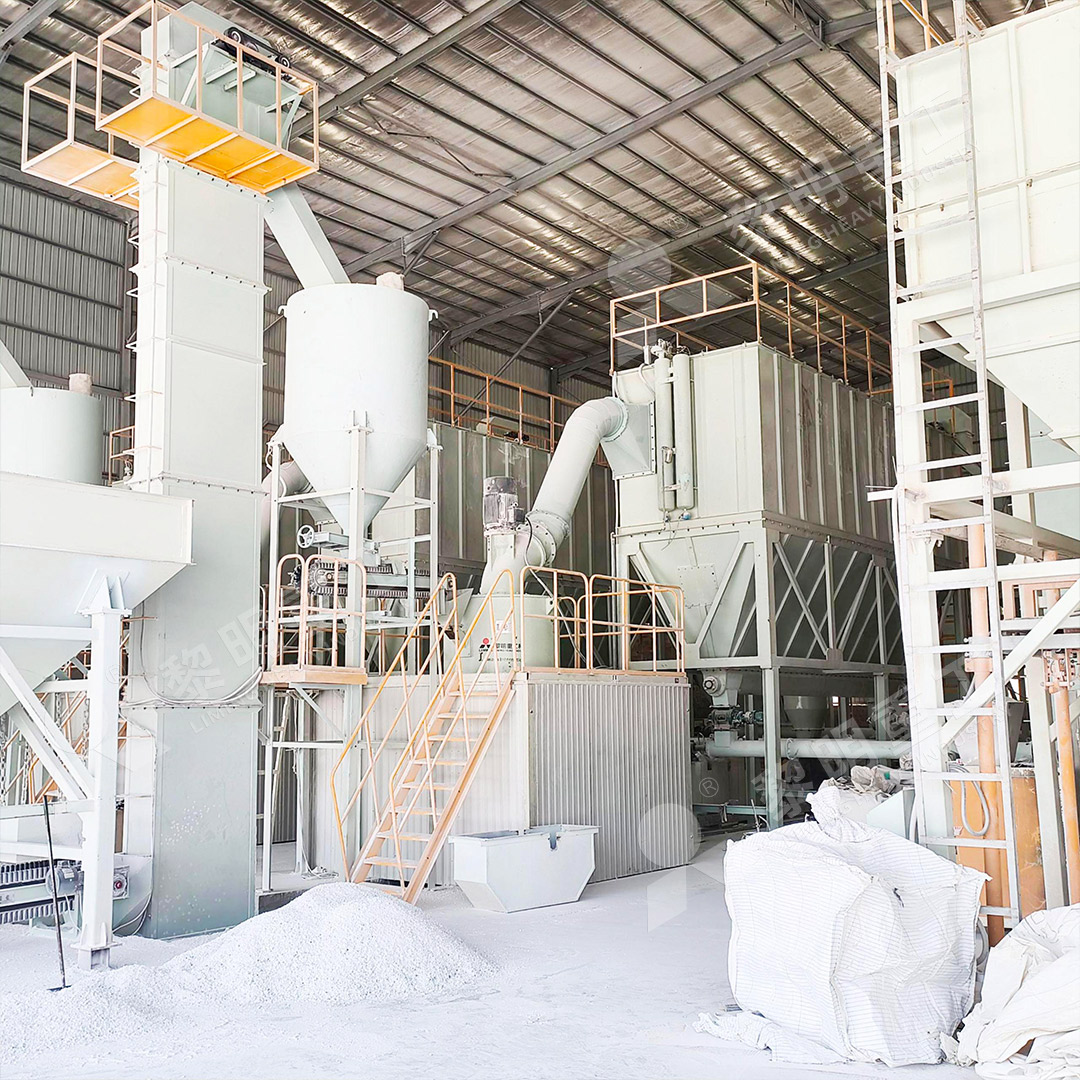
The MW Ultrafine Grinding Mill is designed specifically for customers who need to produce superfine powder with high efficiency. Its cage-type powder selector, based on German technology, allows adjustable fineness between 325 and 2500 mesh, achieving d97 ≤ 5 µm in a single pass. For rubber applications, this means consistent particle size distribution—critical for uniform filler dispersion and avoidance of stress concentration points in vulcanized parts.
One practical example: a manufacturer of rubber floor mats required barite powder with 98% passing 1500 mesh to achieve a smooth surface and high density. Using the MW mill with an input size of 0–20 mm and capacity of 8 tph, they not only met the fineness target but also reduced energy consumption by 40% compared to their previous jet mill. The pulse dust collector and muffler ensured the production area remained clean and quiet, fully compliant with local environmental regulations.
Additionally, the absence of rolling bearings and screws in the grinding chamber eliminates common failure points, allowing 24-hour continuous operation. This reliability is invaluable for rubber plants running round-the-clock shifts.
The LUM Ultrafine Vertical Grinding Mill: A Robust Alternative
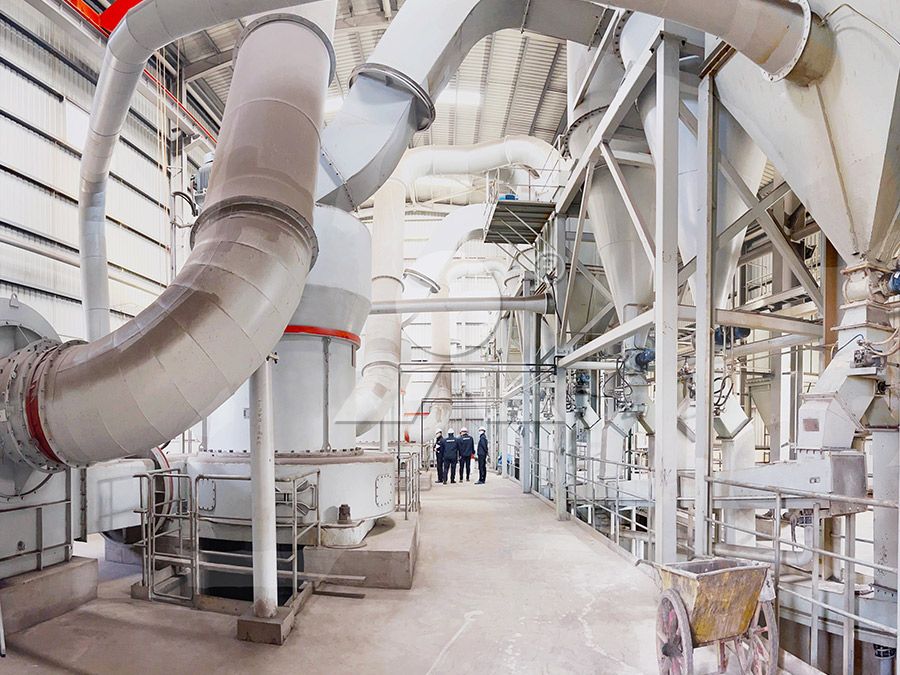
For operations that require even higher throughput and lower operational costs, the LUM Ultrafine Vertical Grinding Mill is a strong contender. With input size up to 10 mm and capacity of 5–18 tph, it integrates grinding, grading, and transporting in one unit. Its multi-head powder separating technology, combined with PLC control, enables precise adjustment of product fineness and reduces energy consumption by 30–50% compared to conventional mills.
In rubber compounding, the low iron content of LUM-produced barite is a significant advantage. The grinding roller and millstone do not contact directly, minimizing metallic contamination. This preserves the whiteness and purity of the powder, which is essential for light-colored rubber goods such as white seals or medical-grade stoppers. The reversible structure also simplifies roller and liner replacement, cutting downtime during maintenance—a benefit for busy production schedules.
We recommend the LUM mill for medium-to-large scale barite processing plants that supply multiple rubber manufacturers. Its digitalized manufacturing ensures high precision of core parts, translating to long-term stability and consistent product quality.
Practical Recommendations for Rubber Manufacturers
When choosing between these two mills, consider the following:
- For ultra-fine barite (1250–2500 mesh) with small to medium capacity (0.5–25 tph): The MW Ultrafine Grinding Mill offers the best balance of fineness precision, energy efficiency, and environmental control.
- For larger capacities (5–18 tph) with emphasis on automation and low iron content: The LUM Ultrafine Vertical Grinding Mill delivers reliable, high-quality output with minimal maintenance.
Both mills are backed by Liming’s commitment to spare parts availability and technical support. For rubber compounders already sourcing barite, switching to powder from these mills can improve batch consistency and reduce rejects.

Conclusion: Matching Mill Performance with Rubber Industry Needs
Selecting the right grinding mill for barite powder directly impacts the quality and cost-effectiveness of rubber products. The comparison table above highlights the technological gaps between traditional mills and modern ultrafine solutions. For manufacturers who demand high purity, precise particle size, and eco-friendly operations, the MW Ultrafine Grinding Mill and LUM Ultrafine Vertical Grinding Mill represent the current state-of-the-art. By investing in these mills, rubber producers can achieve better filler performance, lower energy bills, and a cleaner production environment.
We welcome inquiries for custom barite grinding tests at our facility. Let us help you optimize your rubber formulations with the perfect barite powder.
Frequently Asked Questions (FAQ)
- What is the ideal barite powder fineness for rubber seals?
For rubber seals, a fineness of 1250–2500 mesh is recommended to ensure smooth surface finish and good sealing performance. - Can the MW Ultrafine Grinding Mill process barite with moisture?
Yes, the mill can handle materials with moisture content up to 6% when combined with hot air drying; for higher moisture, pre-drying is advised. - How does the LUM mill reduce iron contamination in barite?
The grinding roller and millstone do not make direct contact, so mechanical wear generates minimal iron particles, preserving powder purity. - What is the typical payback period for investing in an ultrafine grinding mill?
Depending on capacity and energy savings, most customers see a payback within 12 to 18 months due to reduced electricity costs and higher product value. - Do you provide on-site installation and training for these mills?
Yes, Liming offers full installation supervision, commissioning, and operator training as part of the purchase package. - Can the same mill be used to grind other fillers like calcium carbonate or talc?
Absolutely. Both the MW and LUM mills are versatile and can process limestone, calcite, talc, and other non-metallic minerals with minor adjustments. - What after-sales support is available for spare parts?
Liming maintains a complete inventory of original spare parts and offers technical support via phone, email, or on-site visit within 48 hours for critical issues.