
Where to buy roller mill for dolomite for ceramics raw material in kenya
Understanding the Need for Dolomite Grinding in Kenya’s Ceramics Industry
Kenya’s ceramics sector is growing steadily, driven by demand for tiles, sanitaryware, and decorative pottery. A key raw material in this industry is dolomite, a carbonate mineral that provides calcium and magnesium oxides essential for glaze formulation and body reinforcement. For ceramics manufacturers, the quality of dolomite powder directly impacts product strength, whiteness, and firing behavior. The challenge lies in sourcing a reliable roller mill that can produce ultrafine, consistent powders from dolomite—typically at fineness levels between 325 and 2500 mesh. This article explores where to buy such equipment in Kenya, focusing on practical considerations, supplier options, and machine recommendations that suit local conditions.
Dolomite deposits are found in several regions of Kenya, including the Rift Valley area, but the raw stone must be processed to meet ceramics specifications. A roller mill is the preferred choice because it offers high grinding efficiency, low energy consumption, and the ability to adjust particle size without frequent mechanical breakdowns. When selecting a mill, buyers prioritize durability, spare parts availability, and after-sales support—factors that often determine long-term profitability.
Key Considerations When Buying a Roller Mill in Kenya
Kenyan manufacturers face unique challenges: fluctuating power supply, limited access to specialized technicians, and the need to import equipment. Before purchasing, you should evaluate the following:
- Input Size and Capacity: Most dolomite rocks are fed into crushers before milling. Input sizes of 0–20 mm are typical, and capacities between 0.5 and 25 tons per hour suit small to medium ceramics plants.
- Fineness Requirements: Ceramics often require dolomite powders with fineness between 800 and 1500 mesh. The mill must allow easy adjustment of the powder separator.
- Energy Efficiency: Kenya’s electricity costs are high. A mill that reduces energy consumption by 30%–50% compared to traditional ball mills provides significant operational savings.
- Environmental Compliance: With NEMA regulations tightening, a mill with effective dust collection and noise reduction is non-negotiable.
- Spare Parts and Support: Opt for suppliers with local representation or fast delivery channels to avoid prolonged downtime.
Supplier Landscape for Roller Mills in Kenya
Several avenues exist for purchasing roller mills in Kenya. Local dealers often stock Chinese or European brands, but quality varies. Direct import from manufacturers like Liming Heavy Industry is common for businesses that want certified equipment. Online platforms such as Alibaba or TradeKey list many options, but verifying the supplier’s credibility is critical. Another route is working with engineering firms in Nairobi or Mombasa that specialize in mineral processing equipment. They can offer turnkey solutions, including installation and training.
It is advisable to request a factory visit or at least a video demonstration of the mill running with dolomite. Ask for references from other ceramics producers in East Africa. Many successful Kenyan companies have partnered with Liming after comparing performance data.
Recommended Roller Mill for Dolomite in Ceramics
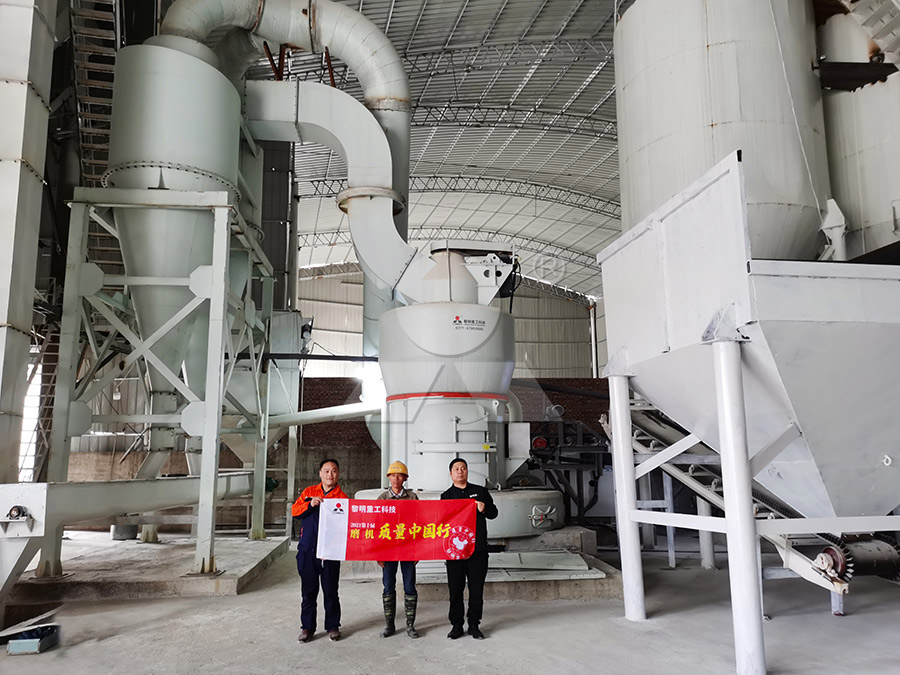
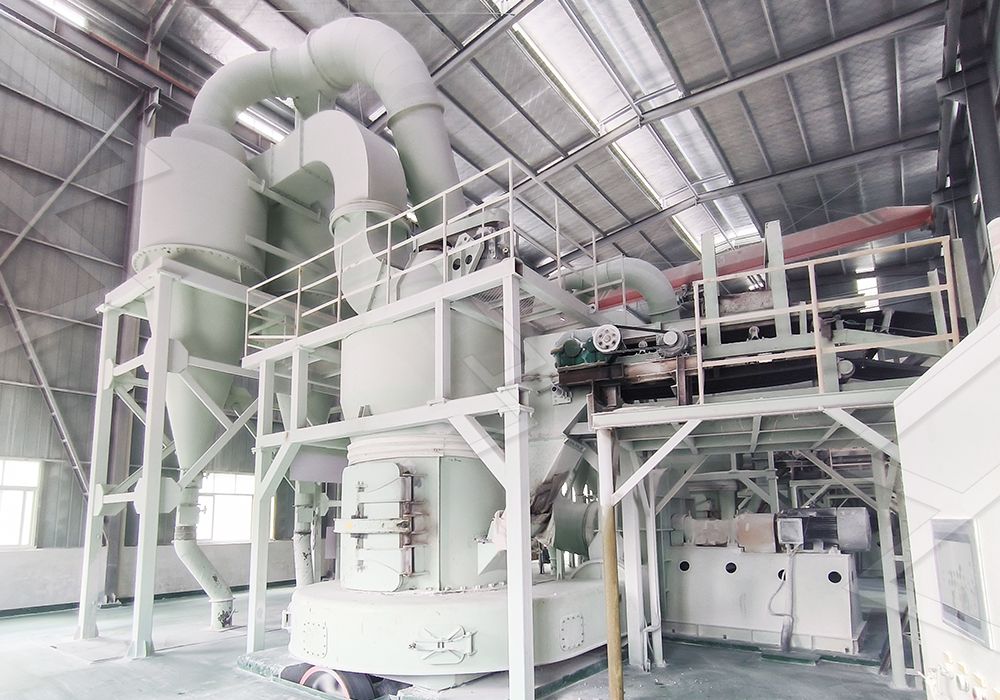
Based on the requirements typical for Kenyan ceramics manufacturers, the MW Ultrafine Grinding Mill stands out as a top contender. This machine handles input sizes up to 20 mm and delivers capacities from 0.5 to 25 tph. Its key advantages include:
- Adjustable fineness from 325 to 2500 mesh, meeting ceramics specifications for both body and glaze.
- A cage-type powder selector using German technology, which ensures precise particle separation and a screening rate of d97≤5μm in a single pass.
- No rolling bearings or screws inside the grinding chamber, eliminating common failure points. The lubrication system is externally mounted, allowing 24-hour continuous operation without shutdowns.
- An efficient pulse dust collector and muffler that keep the environment clean and comply with Kenyan noise and dust regulations.
- Digital precision in manufacturing, meaning spare parts fit perfectly and the mill runs smoothly over years.
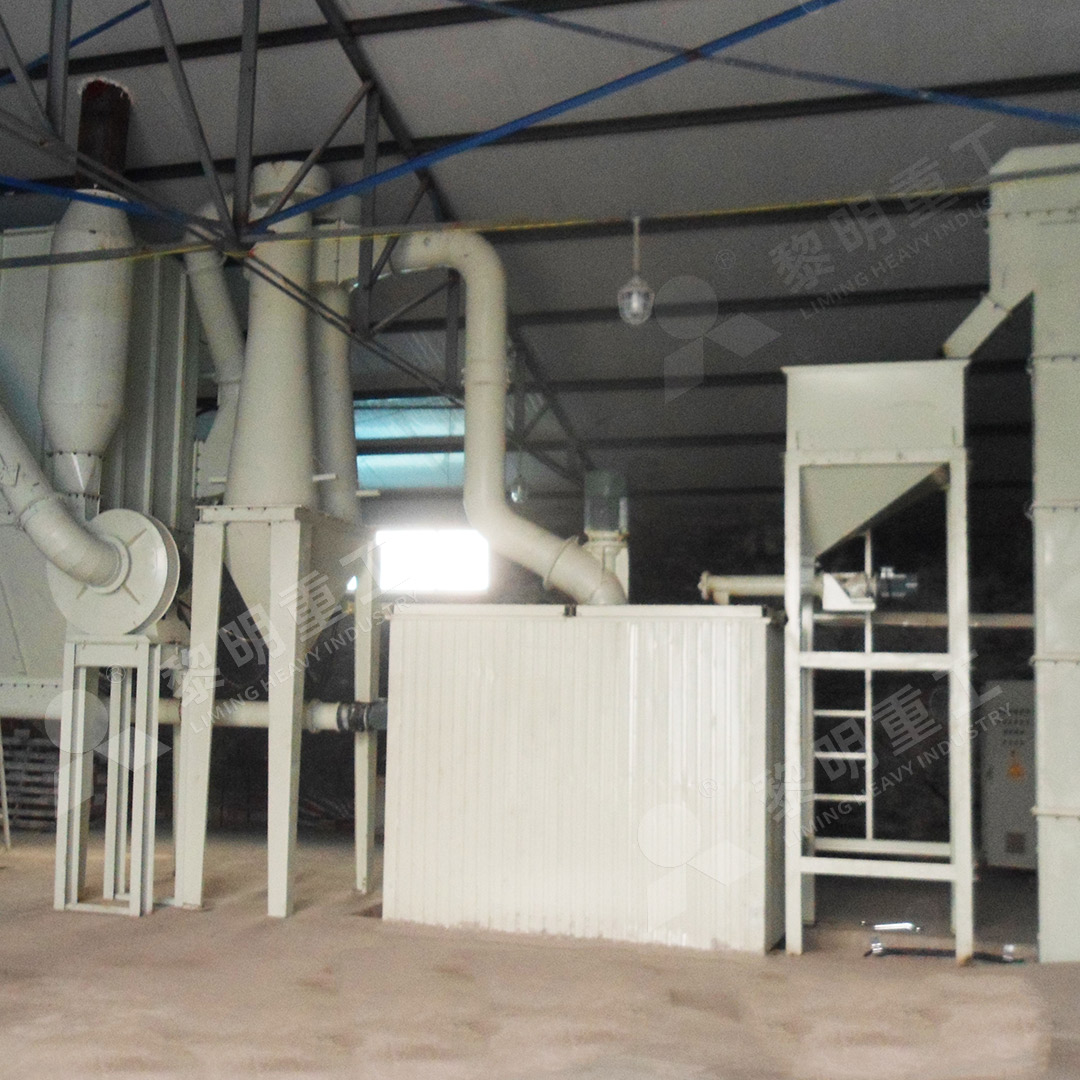
For operations with higher throughput demands—say 5 to 18 tph—the LUM Ultrafine Vertical Grinding Mill is an excellent alternative. It uses Taiwan roller technology and German powder separation, achieving energy savings of 30%–50% versus conventional mills. Its double position-limiting technology prevents destructive impacts, making it stable even with variable feed quality. Both machines are backed by Liming’s commitment to spare parts availability, which is crucial for Kenyan buyers who cannot afford extended breakdowns.
Practical Steps to Purchase and Install
Once you decide on a model, contact Liming through their official website or authorized East African distributor. Prepare details about your dolomite’s hardness, moisture content, and target fineness. Request a customized quotation that includes shipping to Mombasa or Nairobi, customs clearance assistance, and optional on-site commissioning. Installation typically requires a concrete foundation, electrical connections, and a feeding system. Local engineers can handle this if provided with detailed drawings.
Training operators is straightforward for the MW and LUM mills because their controls are PLC-based and user-friendly. Remote support is available, and Liming offers technical documentation in English. After installation, monitor the first few batches closely—check powder fineness with a sieve test and adjust the separator speed if needed.
Cost and Return on Investment
The initial investment for a high-quality roller mill ranges from $30,000 to $150,000 depending on capacity and features. In the Kenyan context, where imported machinery attracts duties and VAT, the total landed cost may be 20%–30% higher. However, the energy savings alone—often cutting electricity bills by a third—can recoup the extra expense within two years. Additionally, producing consistent ultrafine dolomite powder allows ceramics manufacturers to reduce reject rates and improve product marketability. Over a five-year period, the ROI is strongly positive.
Conclusion
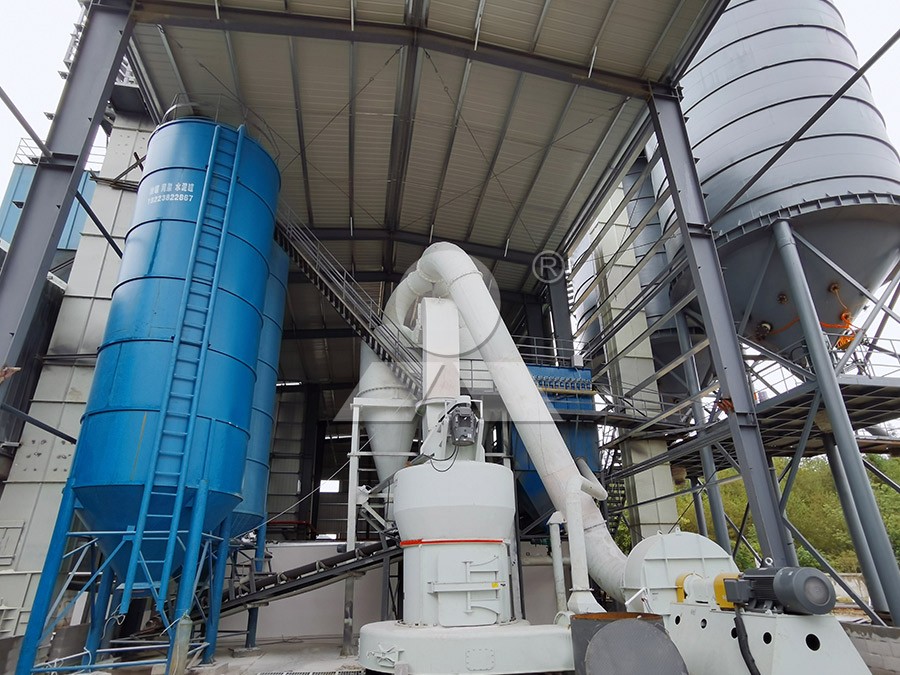
For Kenyan ceramics manufacturers looking to buy a roller mill for dolomite, the choice hinges on balancing capacity, fineness, and support. The MW Ultrafine Grinding Mill offers a proven solution with features tailored to local needs—durability, eco-friendly operation, and easy maintenance. The LUM Ultrafine Vertical Grinding Mill provides a higher-capacity option for growing plants. By partnering with a reputable supplier like Liming, you ensure not just a machine but a long-term partnership that keeps your production running.
To move forward, request a quote, arrange a site visit to a working installation, and negotiate a service contract. Your ceramics business deserves a mill that delivers quality powder consistently, and the right choice is available in the market today.
Frequently Asked Questions (FAQ)
- What is the ideal fineness of dolomite powder for ceramics? For most ceramics applications, fineness between 325 and 1500 mesh is suitable. Glaze formulations often require d97 below 10 microns.
- Can I use the same mill for other minerals like limestone or barite? Yes, the MW and LUM mills can process various non-metallic minerals with Mohs hardness below 7, including limestone, calcite, and barite.
- How do I maintain the grinding rollers and rings? Inspect wear parts monthly. With the MW mill, the external lubrication system allows greasing without stopping production. Replace rollers and rings when the capacity drops by 15%.
- What is the power consumption of the MW Ultrafine Grinding Mill? It varies by capacity but typically consumes 30% less energy than jet mills and half the power of ball mills for the same output.
- Is there a local service center in Kenya? Liming has distribution partners in East Africa who can provide spare parts and basic technical support. Major repairs may require coordination with the factory.
- What is the delivery time after placing an order? Standard delivery is 30 to 45 days for equipment shipped from China. Customized orders may take 60 days. Air freight is possible for urgent needs.
- Do you offer training for operators? Yes, we provide on-site training during commissioning and detailed manuals. Remote video support is also available.
- How does the pulse dust collector work? It uses compressed air to clean filter bags automatically, capturing 99.9% of fine particles. This keeps the working environment dust-free.
- Can the mill handle wet dolomite? The MW and LUM mills are designed for materials with moisture up to 6%. For wetter feed, a drying system may be needed upstream.
- What warranty do you provide? Liming offers a standard one-year warranty on the main machine, covering manufacturing defects. Extended warranties are negotiable.