
Using grinding mill for calcium carbonate for paint filler in india
Introduction: The Growing Demand for Calcium Carbonate in India’s Paint Industry
India’s paint and coatings sector has seen robust growth over the past decade, driven by rapid urbanization, infrastructure development, and a booming automotive industry. Calcium carbonate (CaCO3) plays a critical role as a functional filler in paint formulations. It enhances opacity, improves brightness, controls viscosity, and reduces overall production costs. However, the quality of the final paint product heavily depends on the fineness, purity, and particle size distribution of the calcium carbonate powder. This is where the choice of grinding mill becomes a game-changer. Paint manufacturers across India are increasingly turning to advanced ultra-fine grinding technologies to produce high-value calcium carbonate fillers that meet international standards. In this article, we will explore how modern grinding mills, particularly those offered by LIMING, are transforming calcium carbonate processing for paint filler applications in India.
The Role of Calcium Carbonate Filler in Paint
Calcium carbonate is one of the most widely used mineral fillers in the paint industry. It serves multiple functions: it acts as an extender to reduce the amount of more expensive pigments like titanium dioxide, improves the mechanical properties of the paint film, enhances whiteness and brightness, and provides better coverage. In the Indian context, where cost competitiveness is key, using high-quality ground calcium carbonate (GCC) can significantly lower formulation costs without compromising performance. However, not all calcium carbonate powders are created equal. For paint applications, the ideal particle size typically ranges from 325 mesh (44 microns) down to 2500 mesh (5 microns). The finer the powder, the better the dispersion and the higher the gloss potential. This is why Indian paint manufacturers are investing in ultra-fine grinding mills that can deliver consistent, high-yield production with precise particle size control.
Challenges in Calcium Carbonate Grinding for Paint
Processing calcium carbonate for paint filler is not without its challenges. Traditional grinding methods, such as ball mills and jet mills, often fall short in terms of energy efficiency, product fineness, and operational stability. Common issues include high energy consumption, frequent maintenance due to bearing and screw failures, environmental pollution from dust and noise, and inconsistent product quality. Indian manufacturers also face the challenge of handling abrasive materials that accelerate wear and tear on grinding components. Moreover, the need to comply with stringent environmental regulations adds another layer of complexity. Fortunately, modern grinding mill technology has evolved to address these pain points head-on.
LIMING’s MW Ultrafine Grinding Mill: A Game-Changer for Paint Filler Production
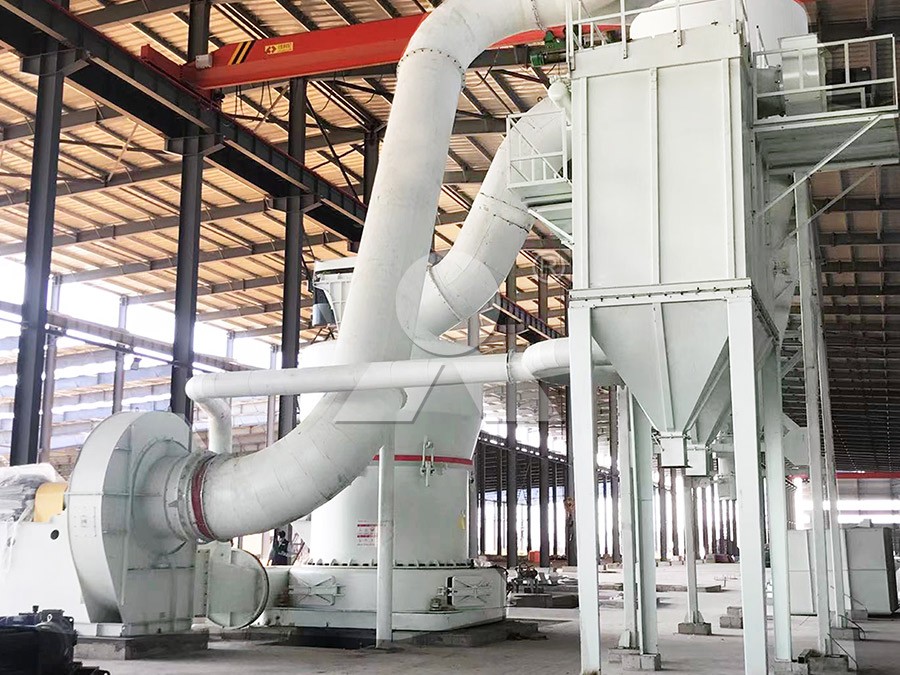
Among the various solutions available, LIMING’s MW Ultrafine Grinding Mill stands out as a highly efficient and eco-friendly option for producing calcium carbonate filler for paint. This mill is specifically designed for customers who need to make ultra-fine powder with fineness adjustable between 325 and 2500 mesh. With an input size of 0-20 mm and a capacity range of 0.5-25 tph, it is well-suited for medium to large-scale operations. One of the key advantages of the MW Ultrafine Grinding Mill is its higher yielding and lower energy consumption. Thanks to newly designed grinding curves of the grinding roller and ring, the production capacity is 40% higher than that of jet mills and stirred mills, while the yield is twice as large as that of ball mills. Even more impressive, the system energy consumption is only 30% of a jet mill. This translates directly into lower operating costs for Indian paint manufacturers.
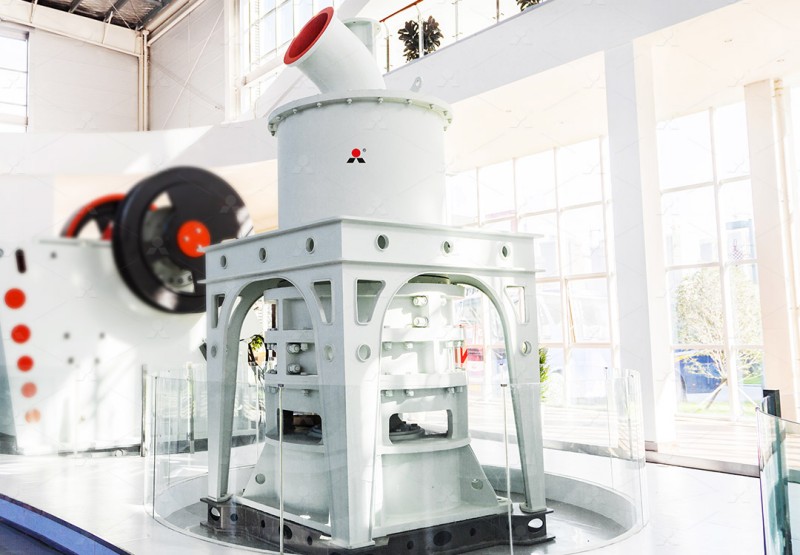
Another standout feature is the absence of rolling bearings and screws in the grinding chamber. This design eliminates common problems like bearing damage and loose screws, ensuring worry-free operation. The lubricating device is installed externally, allowing lubrication without shutdown, so production can continue 24 hours a day. For paint manufacturers who run continuous shifts, this reliability is invaluable. Additionally, the mill is equipped with an efficient pulse dust collector and a muffler, making the operation environmentally friendly. No dust pollution and reduced noise mean the mill can be installed even in urban or semi-urban areas without violating local regulations. The cage-type powder selector, based on German technology, ensures high precision in powder separation, achieving a screening rate of d97 ≤ 5μm in a single pass. This level of fineness is ideal for premium paint fillers.
LUM Ultrafine Vertical Grinding Mill: Another Excellent Option
For manufacturers looking for an alternative with a slightly different set of advantages, LIMING’s LUM Ultrafine Vertical Grinding Mill is worth serious consideration. This mill integrates ultra-fine powder grinding, grading, and transporting into one system. It adopts the latest Taiwan grinding roller technology and German powder separating technology. With an input size of 0-10 mm and a capacity of 5-18 tph, it is particularly effective for processing calcium carbonate, marble, limestone, and other non-metallic ores. The LUM mill features a unique roller shell and lining plate grinding curve that avoids problems like long material lingering time, repeated grinding, and high iron content. This design ensures a high rate of finished products in a single pass, enhancing working efficiency while improving the whiteness and cleanliness of the final powder. The multi-head powder separating technology, combined with a PLC control system, allows operators to accurately control grinding pressure and speed, reducing energy consumption by 30% to 50% compared to common mills. The double position-limiting technology ensures stable operation, preventing destructive impacts from machine vibration. Maintenance is also simplified thanks to the reversible structure and hydraulic adjustment system, which allow the grinding roller to be moved out of the body quickly for inspection and replacement.
Practical Considerations for Indian Paint Manufacturers
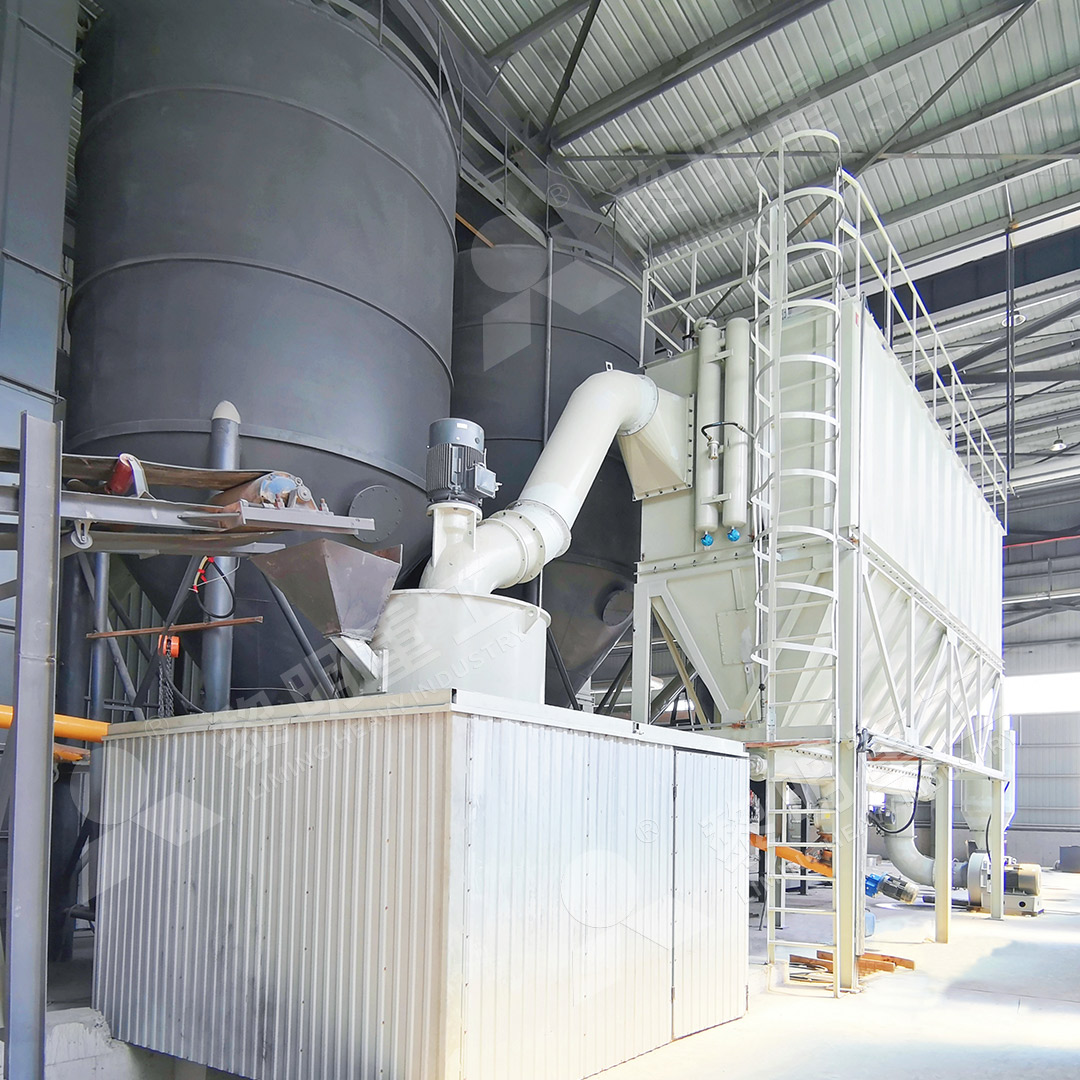
When selecting a grinding mill for calcium carbonate processing, Indian manufacturers should consider factors such as raw material characteristics, target fineness, production capacity, energy costs, and maintenance requirements. Both the MW Ultrafine Grinding Mill and the LUM Ultrafine Vertical Grinding Mill offer compelling advantages. For operations that prioritize maximum energy savings and a compact footprint, the LUM mill is a strong choice. For those who need a wider input size range and lower initial investment, the MW mill is ideal. LIMING also provides comprehensive after-sales support, including technical services and original spare parts, ensuring worry-free operation. The company’s digitalized manufacturing processes, using tens of lines of numerical controlling machine tools, guarantee high precision for all core parts.
Conclusion: Elevating Paint Quality with Advanced Grinding Technology
The Indian paint industry is evolving, and the demand for high-performance fillers is growing. By investing in advanced grinding mills like the MW Ultrafine Grinding Mill or the LUM Ultrafine Vertical Grinding Mill, manufacturers can produce calcium carbonate powder with superior fineness, consistency, and purity. This not only improves the quality of the final paint product but also reduces production costs and environmental impact. As the market continues to expand, staying ahead of the competition means embracing technology that delivers both efficiency and reliability. LIMING’s grinding solutions are designed to meet these exact needs, helping Indian paint manufacturers achieve excellence in every batch.

Frequently Asked Questions (FAQ)
- What is the ideal fineness of calcium carbonate for paint filler?
For most paint applications, a fineness between 325 mesh (44 microns) and 2500 mesh (5 microns) is recommended. The MW Ultrafine Grinding Mill can adjust fineness within this range, achieving d97 ≤ 5μm. - Can the MW Ultrafine Grinding Mill handle wet calcium carbonate?
The mill is designed for dry grinding. Raw materials should have moisture content below a certain threshold (typically less than 5%) for optimal performance. Pre-drying may be required for wet feed. - How does the energy consumption of the LUM mill compare to a ball mill?
The LUM Ultrafine Vertical Grinding Mill reduces energy consumption by 30% to 50% compared to common grinding mills, including ball mills. This is due to its efficient multi-head powder separating technology and optimized grinding curve. - What maintenance is required for these grinding mills?
Both mills feature designs that minimize maintenance. The MW mill has no rolling bearings or screws in the grinding chamber, and external lubrication allows for continuous operation. The LUM mill has a reversible structure for easy access to wear parts. Regular inspection of grinding rollers, rings, and filters is recommended. - Are these mills suitable for small-scale paint manufacturers in India?
Yes. The MW Ultrafine Grinding Mill has a capacity range of 0.5-25 tph, making it suitable for small to medium-scale operations. The LUM mill starts at 5 tph. LIMING can also offer customized solutions based on specific capacity requirements. - What is the typical payback period for investing in a LIMING grinding mill?
While this varies based on production volume and energy costs, many Indian manufacturers report a payback period of 12 to 24 months due to significant savings in energy consumption and reduced maintenance costs. - Can these mills process other minerals besides calcium carbonate?
Absolutely. Both mills are versatile and can process limestone, calcite, dolomite, barite, marble, talc, gypsum, and many other non-metallic minerals. They are widely used in chemical, paint, cosmetic, and pharmaceutical industries. - What after-sales support does LIMING offer in India?
LIMING provides comprehensive technical services, including installation guidance, operator training, and a steady supply of original spare parts. The company has a strong presence in India to ensure prompt support. - Is the operation of these mills environmentally friendly?
Yes. Both mills are equipped with efficient pulse dust collectors and noise reduction features. The systems operate under negative pressure, preventing dust spillage and meeting national environmental standards. - How can I get a quote or more information about these products?
You can contact LIMING directly through their official website or local distributors in India. They will provide detailed specifications, pricing, and recommend the best solution for your specific application.