
How to optimize slag processing with grinding machine for cement additive in mexico
Introduction: The Mexican Cement Industry and the Slag Opportunity
Mexico’s construction sector is booming, and with it, the demand for high-quality cement is at an all-time high. But let’s be real—cement production is expensive and has a significant environmental footprint. That’s where slag comes in. Ground Granulated Blast Furnace Slag (GGBFS) is a byproduct of the steel industry, and when processed correctly, it becomes a game-changing additive for cement. It improves durability, reduces heat of hydration, and lowers CO2 emissions. The challenge? Optimizing the grinding process to turn raw slag into a fine, reactive powder that meets stringent industry standards. In Mexico, where energy costs are a constant concern and environmental regulations are tightening, getting this process right is not just an option—it’s a necessity.
This article dives deep into the practical steps, equipment choices, and operational strategies to maximize efficiency in slag grinding for cement additives. We are not talking theory here; we are talking real-world solutions tailored for the Mexican market.
Understanding Slag’s Unique Grinding Characteristics
Before we even start the mill, we need to understand what we are dealing with. Slag is hard, abrasive, and has a specific granulometry. Unlike limestone or clinker, slag has a higher Bond Work Index, meaning it requires more energy to grind to the same fineness. This is a critical factor in Mexico, where electricity tariffs can vary dramatically throughout the day.
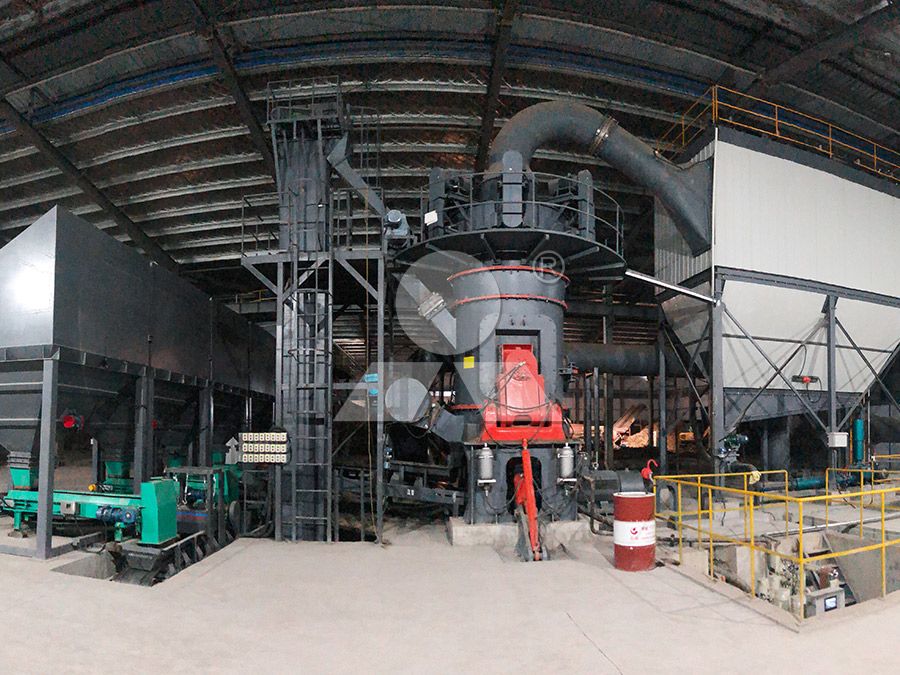
The goal for cement additive is typically a fineness of 4000-5000 cm²/g (Blaine). To achieve this without killing your profit margin, you need a grinding system that is both energy-efficient and highly reliable. Traditional ball mills work, but they are energy hogs. The name of the game is vertical roller mill (VRM) technology or advanced ultrafine grinding mills that can handle the high abrasion with lower power consumption.
Key Optimization Parameters for Slag Grinding
Optimizing slag processing isn’t a one-size-fits-all approach. You need to dial in several variables based on your specific slag chemistry and the desired cement quality. Here are the critical levers you can pull:
1. Moisture Control is Non-Negotiable
Fresh slag from the steel mill often has a moisture content of 10-20%. If you try to grind wet slag, you will choke your mill. The material will cake on the grinding table and rollers, causing massive vibration and a drop in capacity. A dryer is essential. In Mexico, utilizing waste heat from clinker coolers or even solar pre-drying can significantly cut energy costs. Target moisture content entering the mill should be below 1%.
2. Grinding Pressure and Table Speed
Too much pressure and you risk damaging the mill bearings and increasing wear on the roller shell. Too little pressure and you get a low yield. The goal is to create a stable material bed. For slag, a slightly higher grinding pressure than for raw meal is typical. The table speed (rpm) influences the residence time. Slower speeds increase the layer thickness but reduce throughput. Finding the sweet spot requires testing, but modern mills with variable speed drives make this much easier.
3. Separator Speed and Airflow
The classifier (separator) is the brain of the mill. It determines the final fineness. For slag used as a cement additive, you want a tight particle size distribution. High Blaine values with low residue on the 45-micron sieve are ideal. Increasing the rotor speed of the separator will yield a finer product, but it will reduce the mill’s capacity. Balancing airflow is also crucial; too much air carries oversized particles up, too little and fines are not extracted efficiently.
Equipment Selection: Why Ultrafine Mills Dominate
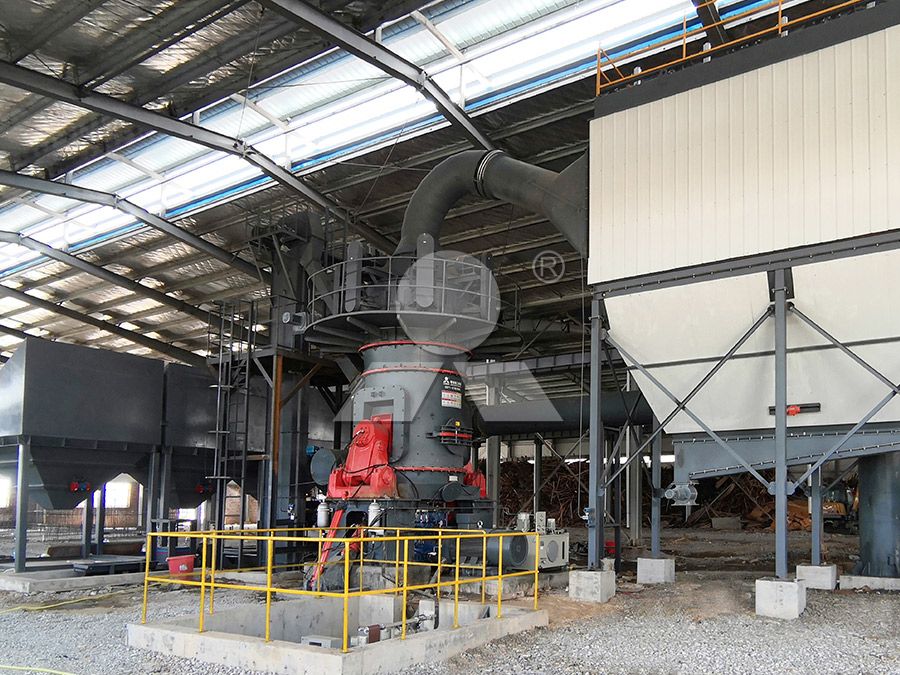
When it comes to slag processing in Mexico, the market is moving away from traditional ball mills toward more advanced, compact solutions. The reason is simple: lower power consumption per ton and higher quality output. This is where the technology from LIMING shines. Two of our machines are perfectly suited for tackling the slag challenge.
LUM Ultrafine Vertical Grinding Mill: The High-Efficiency Workhorse
For operations handling slag with an input size of 0-10 mm and looking for capacities between 5-18 tph, the LUM Ultrafine Vertical Grinding Mill is a top-tier choice. Its unique roller shell and lining plate grinding curve are specifically designed to avoid the long lingering time and repeated grinding that plague traditional mills. This is critical for slag because it minimizes iron content contamination, preserving the whiteness and cleanliness of the final cement additive. The multi-head powder separating technology allows for precise control of fineness, ensuring you meet the strict d97 specification required by Mexican cement standards. Plus, the double position-limiting technology prevents the destructive impact of roller-to-table contact, ensuring stable operation even when dealing with the variable hardness of slag.
MW Ultrafine Grinding Mill: For Maximum Flexibility
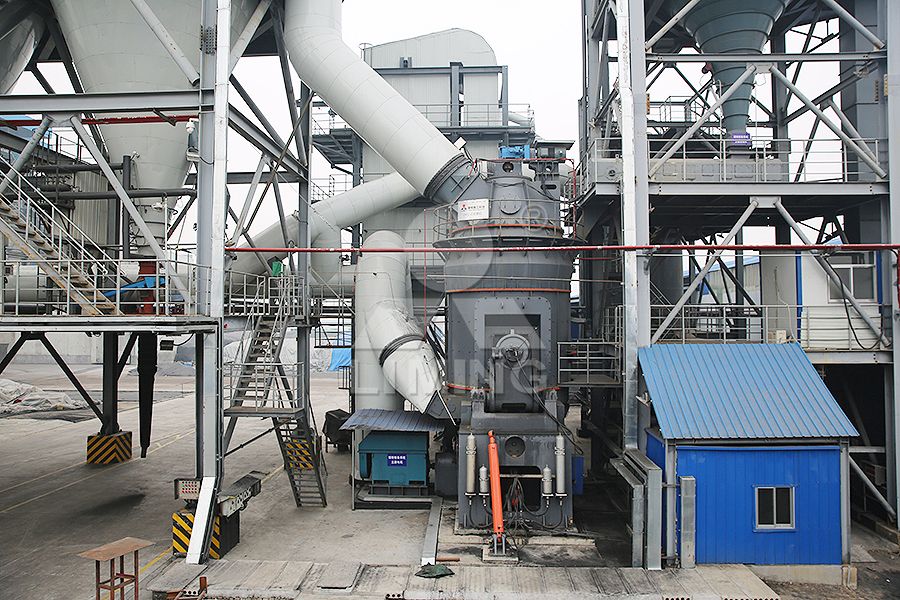
If your operation deals with slag at a smaller scale (0.5-25 tph) and you require the ability to adjust fineness between 325-2500 mesh (perfect for high-end additives), the MW Ultrafine Grinding Mill is your best bet. This machine is a beast when it comes to producing ultra-fine powder. The cage-type powder selector, based on German technology, ensures a screening rate that can achieve d97≤5μm in a single pass. For slag processing, this means you can produce a highly reactive pozzolanic material that maximizes the strength of the final cement. The fact that there are no rolling bearings or screws in the grinding chamber means less downtime for repairs—a huge benefit for operations in remote areas of Mexico. The pulse dust collector ensures you meet Mexico’s strict environmental normas.
Recommendation: For most slag-to-cement additive applications in Mexico, we strongly recommend evaluating the LUM Ultrafine Vertical Grinding Mill for mid-to-high capacity plants and the MW Ultrafine Grinding Mill for smaller, specialized production runs requiring ultra-high fineness.
Operational Best Practices for Mexican Facilities
Having the right machine is only half the battle. How you operate it matters. Here are best practices for the local context:
- Pre-Blend with Gypsum: Many operators grind slag with a small percentage of gypsum (2-5%) to improve the grinding efficiency and regulate setting time in the final cement. This can increase throughput by up to 10%.
- Use Grinding Aids: Quality grinding aids (amines or glycols) are commonly used in Mexico to reduce agglomeration and improve separator efficiency. They can reduce specific energy consumption by 10-15%.
- Monitor Wear Parts Religiously: Slag is abrasive. Check the wear rate of the roller shells and liner plates weekly. LIMING offers original spare parts to ensure worry-free operation, but proactive scheduling of replacements prevents catastrophic breakdowns during peak production seasons.
- Leverage Night-Time Power: If your electricity tariff is time-of-use based, consider running the grinding circuit primarily during off-peak hours (night shifts). Modern mills like the LUM can run 24/7 with ease, but scheduling to save on energy costs is smart business.

Common Pitfalls and How to Avoid Them
I’ve seen too many plants struggle because they ignored the basics. Here are the pitfalls specific to slag grinding:
- Metal Contamination: Raw slag often contains small metallic iron pieces. These destroy grinding rollers. Always install a magnetic separator before the mill inlet.
- Ignoring Vibration: A mill that is shaking excessively is a mill that is failing. Check for build-up on the grinding table or worn-out scrapers.
- Poor Sealing: Slag dust is fine and corrosive. Air leaks in the system reduce classifier efficiency and increase power consumption. Negative pressure operation is essential.
Conclusion: Turning Waste into Profit
Optimizing slag processing in Mexico is about combining the right technology with smart operational strategy. By investing in a modern grinding mill like the LUM or MW series from LIMING, you are not just buying a machine; you are buying efficiency, reliability, and the ability to produce a premium cement additive that commands a higher price. The Mexican market rewards quality and consistency. With the right setup, your slag grinding plant can become the most profitable part of your cement operation.
Frequently Asked Questions (FAQ)
- What is the ideal moisture content for slag before entering the mill?
Ideally, the moisture content should be below 1%. Higher moisture will cause operational instability, increased vibration, and reduced grinding efficiency. Pre-drying with waste heat is highly recommended. - Can I use a ball mill for slag grinding?
Yes, but it is not efficient. A ball mill consumes 30-50% more energy compared to a vertical roller mill or ultrafine mill. For competitive operation in Mexico, we recommend the LUM or MW series. - What fineness is required for slag as a cement additive?
Typically, a Blaine fineness of 4000-5000 cm²/g is standard. However, for high-performance applications, fineness up to 8000 cm²/g (d97 < 10 microns) can be achieved with the MW Ultrafine Mill. - How do I handle metallic iron in the slag feed?
Install a strong magnetic separator (overbelt or drum type) before the feed to the mill. Metallic iron will damage the grinding rollers and increase maintenance costs significantly. - What is the lifespan of wear parts when grinding slag?
Slag is highly abrasive. Depending on its hardness, roller shells and liners may need replacement every 4000-8000 operating hours. LIMING provides original spare parts to ensure fit and longevity. - Can the LUM Mill reduce iron contamination in the final product?
Yes. The unique design minimizes direct contact between rollers and the table, which reduces mechanical wear and iron pick-up. This is crucial for maintaining the whiteness and purity of the cement additive. - Is the system compliant with Mexican environmental regulations?
Absolutely. Both the LUM and MW mills are equipped with efficient pulse dust collectors and operate under negative pressure, ensuring no dust leakage and meeting strict emission standards like NOM-085- - What is the typical payback period for upgrading to a modern slag mill?
Considering energy savings (30-50% reduction), increased capacity, and reduced maintenance, many plants see a payback period of 1.5 to 3 years, depending on local energy costs and production volume.