
Latest trends in glass production: the rise of calcium carbonate
Introduction: Why Calcium Carbonate is Reshaping Glass Manufacturing
Glass production has evolved significantly over the past decade. While sand remains the primary raw material, the industry is increasingly turning to calcium carbonate as a cost-effective, sustainable, and performance-enhancing additive. Calcium carbonate, sourced from limestone, calcite, and marble, is now a staple in container glass, flat glass, and fiberglass manufacturing. It lowers the melting temperature, reduces energy consumption, and improves the chemical durability of the final product. According to recent industry reports, the global calcium carbonate market for glass is projected to grow at a CAGR of over 5% through 2030, driven by demand for lighter, stronger, and greener glass packaging.
This shift is not just about cost savings. It reflects a broader trend toward circular economy principles and reduced carbon footprints. Glass producers are replacing more expensive and energy-intensive raw materials with fine-ground calcium carbonate, and the results are impressive. But to achieve consistent quality, the grinding process must be precise, efficient, and environmentally friendly. That is where advanced milling technology comes into play.
The Technical Edge: Fine Grinding for Superior Glass Quality
Calcium carbonate used in glass must meet strict specifications: fineness typically ranging from 325 mesh to 1250 mesh, with low iron content and high whiteness. Traditional ball mills often struggle to achieve these standards without excessive energy use or contamination. That is why more glass manufacturers are turning to ultrafine grinding mills that offer adjustable fineness, high throughput, and minimal iron pickup.
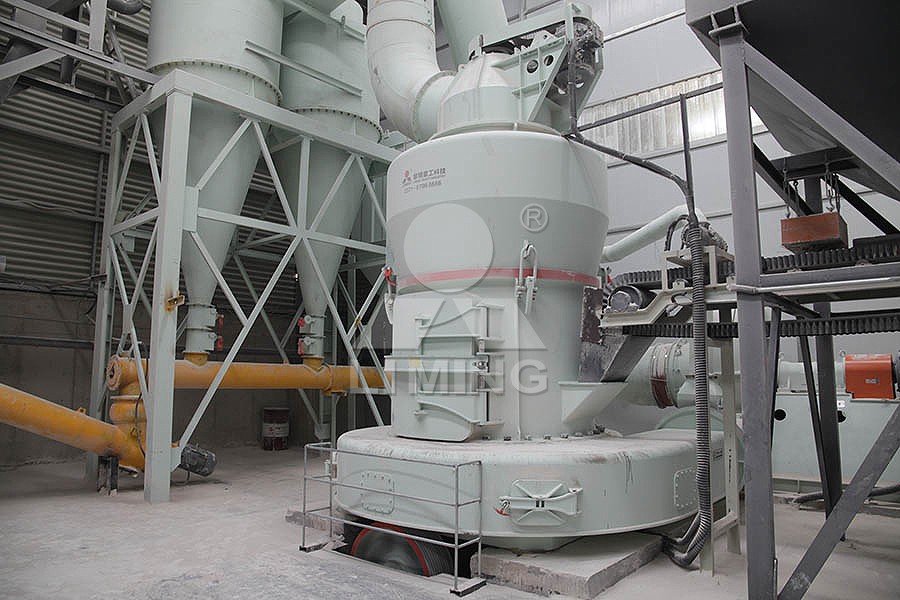
Our MW Ultrafine Grinding Mill is specifically designed for such demanding applications. With an input size of 0-20 mm and a capacity of 0.5-25 tph, it produces powders between 325 and 2500 meshes, achieving d97≤5μm when needed. The cage-type powder selector, based on German technology, ensures precise separation. The grinding chamber contains no rolling bearings or screws, so there is no risk of contamination from lubricants or loose parts. This makes it ideal for producing high-purity calcium carbonate for the glass industry.
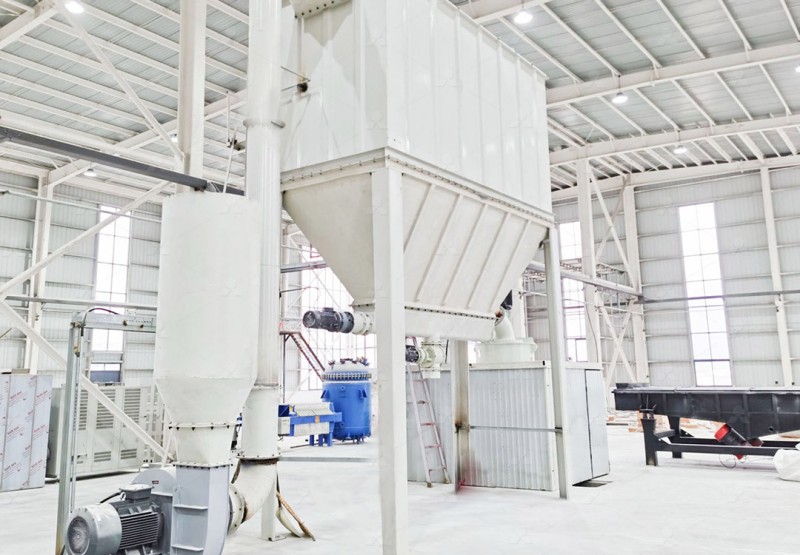
For larger-scale operations, our LUM Ultrafine Vertical Grinding Mill offers a capacity of 5-18 tph with an input size of 0-10 mm. It integrates grinding, grading, and conveying in one unit, reducing energy consumption by 30-50% compared to conventional mills. The reversible structure allows for easy maintenance, and the double position-limiting technology ensures stable operation even under heavy loads. Both mills are equipped with efficient pulse dust collectors, meeting the strictest environmental standards.
Environmental and Economic Benefits Driving Adoption
Glass production is energy-intensive, with melting furnaces consuming vast amounts of natural gas or electricity. Adding calcium carbonate can lower the melting temperature by 50-80°C, directly reducing energy costs and CO2 emissions. This aligns with global decarbonization targets and helps glass manufacturers meet regulatory requirements. Moreover, calcium carbonate can be sourced from local quarries, reducing transportation emissions and supply chain risks.
Another emerging trend is the use of recycled glass, or cullet, combined with calcium carbonate. This mixture further reduces energy consumption and extends furnace life. However, cullet often contains impurities that require fine grinding to homogenize the batch. Our grinding mills, with their digitalized processing and numerical control, can handle such variations without compromising output quality. The entire system operates under negative pressure, eliminating dust spills and ensuring a clean working environment.
Beyond environmental gains, there are clear economic advantages. A typical glass plant producing 200,000 tons of containers per year can save up to 15% on raw material costs by substituting 10-15% of sand with calcium carbonate. The payback period for installing an ultrafine grinding mill is often less than two years, considering the energy savings and increased production efficiency. As the construction and automotive industries demand more lightweight glass, the role of calcium carbonate will only grow.
Real-World Applications and Market Outlook
Leading glass manufacturers in Europe, North America, and Asia are already incorporating calcium carbonate into their formulations. In the pharmaceutical glass sector, where purity and consistency are critical, ultrafine calcium carbonate is used as a flux to improve melt homogeneity. In fiberglass production, it enhances the tensile strength and corrosion resistance of the final composite. Even in specialty glasses, such as those used for solar panels, calcium carbonate helps achieve the required thermal and optical properties.
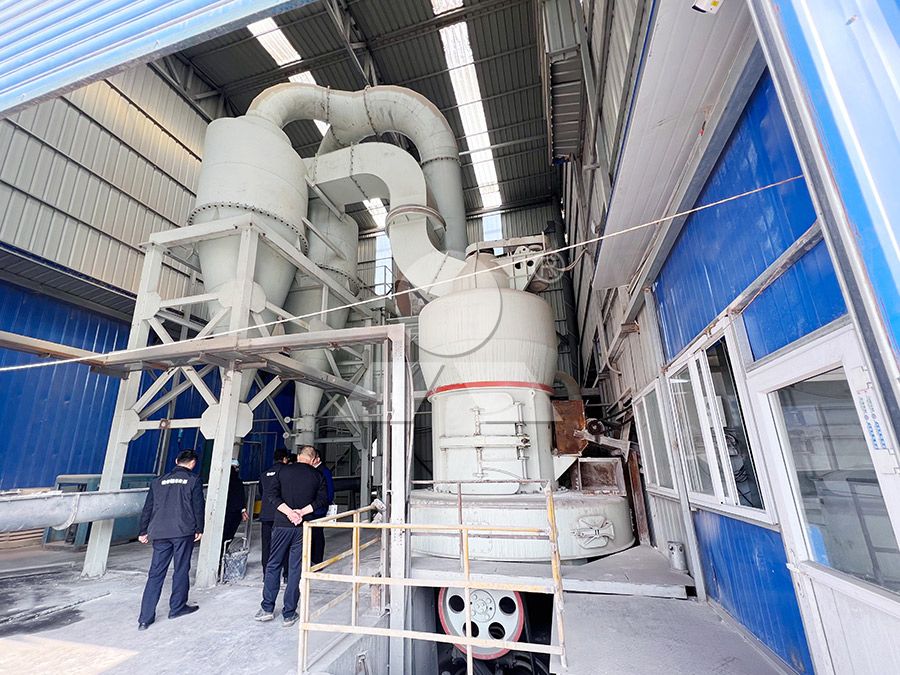
The supply chain for high-quality calcium carbonate is evolving. Mines and processors are investing in advanced grinding equipment to meet the growing demand. Our customers, ranging from small mineral processors to multinational glass producers, report consistent improvements in yield and product quality after switching to our mills. The ability to adjust fineness on the fly, combined with remote monitoring and automatic control, gives them a competitive edge in a fast-moving market.
Looking ahead, we expect the trend toward calcium carbonate in glass to accelerate. Innovations in surface treatment and particle size distribution will open new applications, such as ultra-thin glass for displays and lightweight containers for e-commerce logistics. As the industry moves toward net-zero emissions, the combination of calcium carbonate and efficient grinding technology will be a cornerstone of sustainable glass production.
Conclusion: Partnering for a Sustainable Future
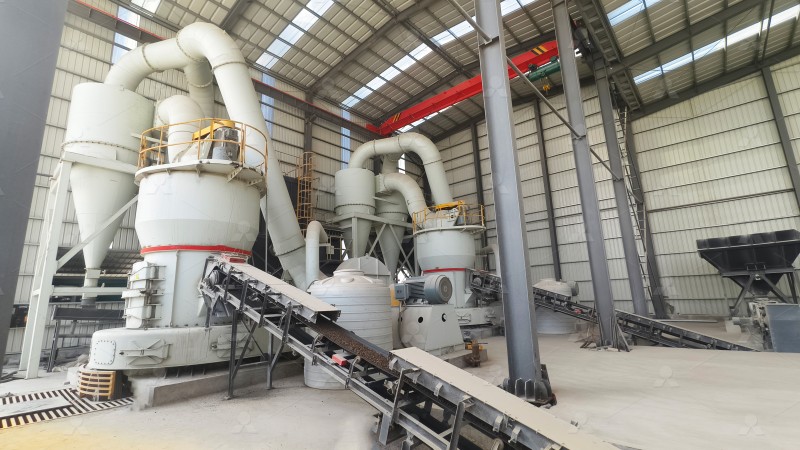
The rise of calcium carbonate in glass production is not a passing trend. It is a fundamental shift driven by economics, environmental regulation, and technical innovation. To capitalize on this opportunity, manufacturers must invest in reliable, efficient, and precise grinding equipment. Our MW Ultrafine Grinding Mill and LUM Ultrafine Vertical Grinding Mill are proven solutions that deliver consistent results, reduce operating costs, and support sustainability goals. From raw material preparation to final product polishing, we are committed to helping our customers stay ahead of the curve.
If you are considering upgrading your grinding line or entering the calcium carbonate market, we invite you to contact our team. We offer complete technical support, from site assessment to installation and after-sales service. Let us help you turn this trend into a lasting competitive advantage.
Frequently Asked Questions (FAQ)
- What is the typical fineness required for calcium carbonate used in glass production?
For most glass applications, fineness ranges from 325 mesh to 1250 mesh. For specialty glass, fineness up to 2500 mesh may be required. - Can the MW Ultrafine Grinding Mill handle materials other than calcium carbonate?
Yes, it can process limestone, calcite, dolomite, barite, marble, talc, gypsum, and many other non-metallic minerals. - How does the LUM Ultrafine Vertical Grinding Mill reduce energy consumption compared to ball mills?
It uses multi-head powder separating technology and optimized grinding curves, reducing energy consumption by 30-50%. - Is there a risk of iron contamination when grinding calcium carbonate for glass?
No, both the MW and LUM mills have grinding chambers with no rolling bearings or screws, minimizing iron pickup. The iron content in the final product is very low. - What is the maximum input size for the MW Ultrafine Grinding Mill?
The maximum input size is 0-20 mm. Larger materials need to be pre-crushed using a hammer crusher or jaw crusher. - Can these mills operate 24 hours a day continuously?
Yes, the lubricating device is installed outside the main shaft, allowing for lubrication without shutdown, supporting round-the-clock production. - What after-sales support does LIMING provide?
We offer technical services, original spare parts supply, and on-site maintenance guidance to ensure worry-free operation. - Does the grinding process generate dust or noise?
Both mills are equipped with efficient pulse dust collectors and mufflers, complying with national environmental protection standards for low dust and noise. - How long does it take to adjust the fineness setting?
The cage-type powder selector allows for quick adjustments, typically within minutes, without stopping the mill. - Can I use the same mill for both calcium carbonate and other minerals?
Yes, but proper cleaning between material changes is recommended to avoid cross-contamination. Our mills are designed for easy cleaning and maintenance.