
Top 3 grinding mill suppliers for slag for glass production in thailand
Top 3 Grinding Mill Suppliers for Slag for Glass Production in Thailand
Thailand’s glass manufacturing sector, a key player in Southeast Asia, demands high-quality raw materials processed with precision. Slag, a byproduct of metallurgical processes, is increasingly used as a raw material in glass production due to its fluxing properties and ability to improve glass durability. However, grinding slag into ultra-fine powder for glass batch formulation requires specialized equipment that can handle abrasiveness while maintaining energy efficiency and consistent particle size. This article explores the top three grinding mill suppliers for slag processing tailored to Thailand’s glass industry, drawing on real-world performance and technological innovation.
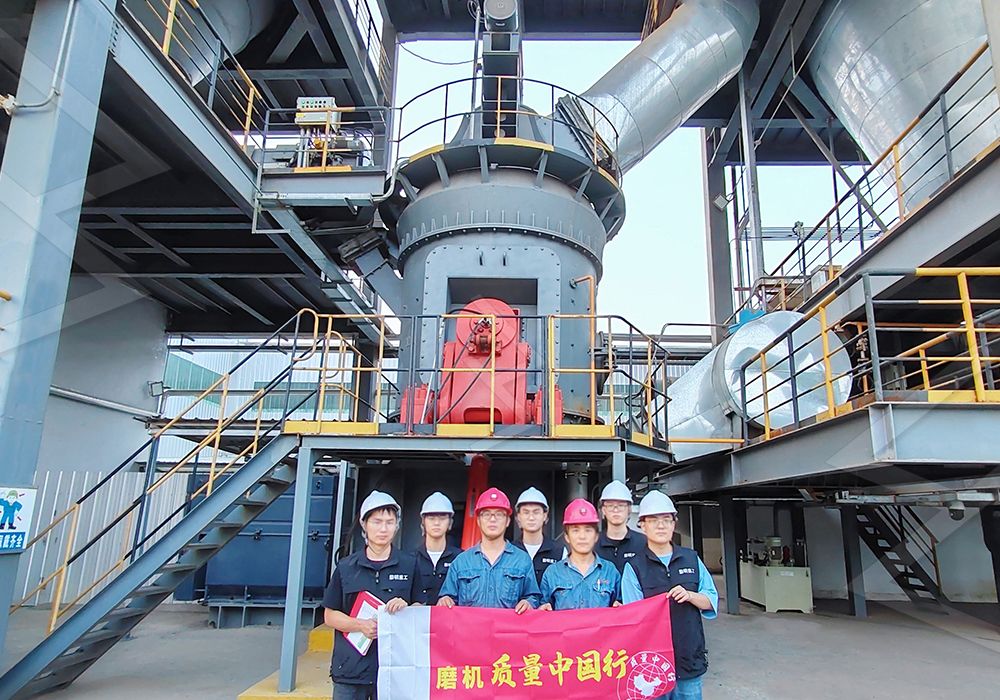
1. Liming Heavy Industry – The Leader in Ultrafine Slag Grinding
When it comes to slag grinding for glass applications, Liming Heavy Industry stands out as a dominant force in Thailand. Their portfolio includes the MW Ultrafine Grinding Mill, LUM Ultrafine Vertical Grinding Mill, and LM Vertical Grinding Mill, all of which are engineered to handle slag with input sizes up to 70 mm and capacities ranging from 0.5 to 340 tph. What sets Liming apart is their focus on ultra-fine fineness, adjustable between 325 and 2500 meshes, which is critical for glass manufacturing where slag must be uniformly distributed to avoid defects like stones or cords in the final product.
Their MW Ultrafine Grinding Mill, with an input size of 0-20 mm and capacity of 0.5-25 tph, is particularly suited for small to medium-scale glass plants in Thailand. It integrates a German-designed cage-type powder selector that ensures a screening rate of d97 ≤ 5μm, meeting the stringent standards of high-end glass production. The absence of rolling bearings and screws in the grinding chamber reduces downtime, a common headache in slag milling due to abrasive wear. If you are a glass manufacturer looking for reliability and eco-friendly operation, this mill is a solid bet.
We recommend our MW Ultrafine Grinding Mill for its superior dust control and noise reduction, aligning with Thai environmental regulations. For larger operations, the LUM Ultrafine Vertical Grinding Mill (5-18 tph) offers energy savings of 30-50% compared to traditional mills, making it a cost-effective choice for high-volume slag processing.
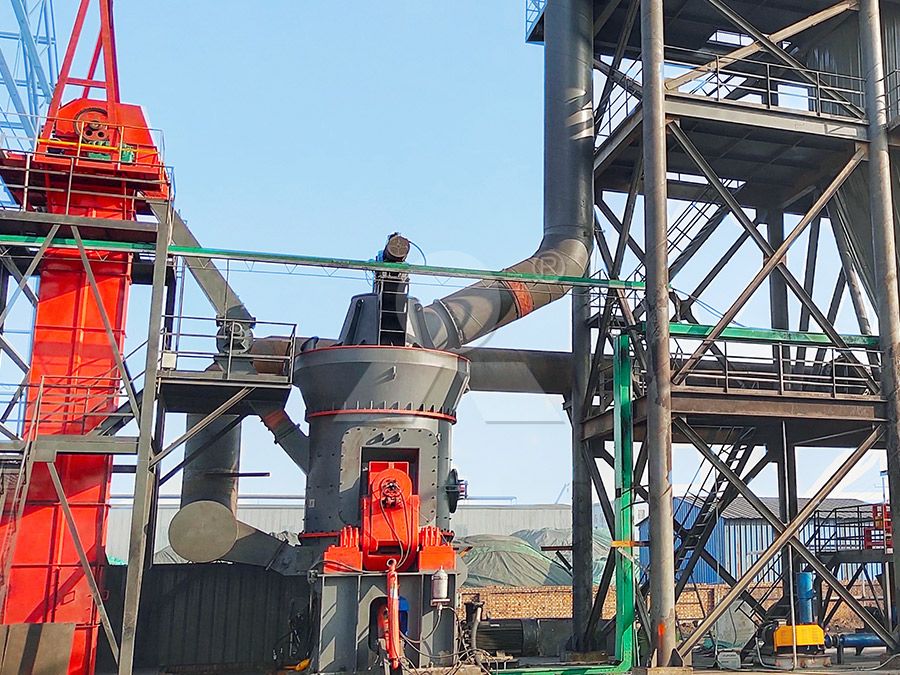
2. Shenyang Heavy Machinery – Robust Solutions for High-Capacity Plants
Shenyang Heavy Machinery (SHM) has a strong presence in Thailand’s industrial grinding sector, particularly for large-scale glass production facilities. Their vertical roller mills (VRMs) are designed for slag with high moisture content, a common issue in Thai slag supplies. The SHM series offers capacities up to 200 tph, with built-in drying systems that can handle moisture levels up to 20%. This is crucial because wet slag can clog standard mills, leading to production stoppages. SHM’s mills feature hydraulic roller adjustment systems that maintain consistent pressure, ensuring uniform particle distribution.
Their equipment is known for durability, with wear-resistant components made from high-chrome alloys that extend service life by 1.5 times over conventional liners. However, their technology is less focused on ultra-fine grinding (typically achieving 200-400 mesh), which might not suit specialty glass requiring finer powders. SHM is best for bulk slag processing where cost per ton is the priority, but for precision work, you may need to complement with additional classifiers.
3. Gebr. Pfeiffer – German Engineering for Premium Glass Quality
Gebr. Pfeiffer, a German multinational, has a solid reputation in Thailand’s glass industry for their MVR vertical roller mills. These mills are optimized for slag grinding with a focus on low iron contamination, which is vital for clear glass production. Iron particles from mill wear can discolor glass, reducing its commercial value. Pfeiffer’s mills use ceramic-coated rollers and table liners that minimize iron pickup, while their integrated high-efficiency classifiers achieve fineness up to 6000 Blaine (equivalent to ~6 μm). Their capacity ranges from 10 to 250 tph, making them suitable for large glass factories in industrial zones like Rayong or Chonburi.
The downside is the high initial investment, which can be prohibitive for smaller Thai glass manufacturers. Also, their after-sales service in Thailand can be slower compared to local suppliers like Liming, leading to extended downtime during breakdowns. For premium glass brands that prioritize purity over cost, Pfeiffer is a top choice.
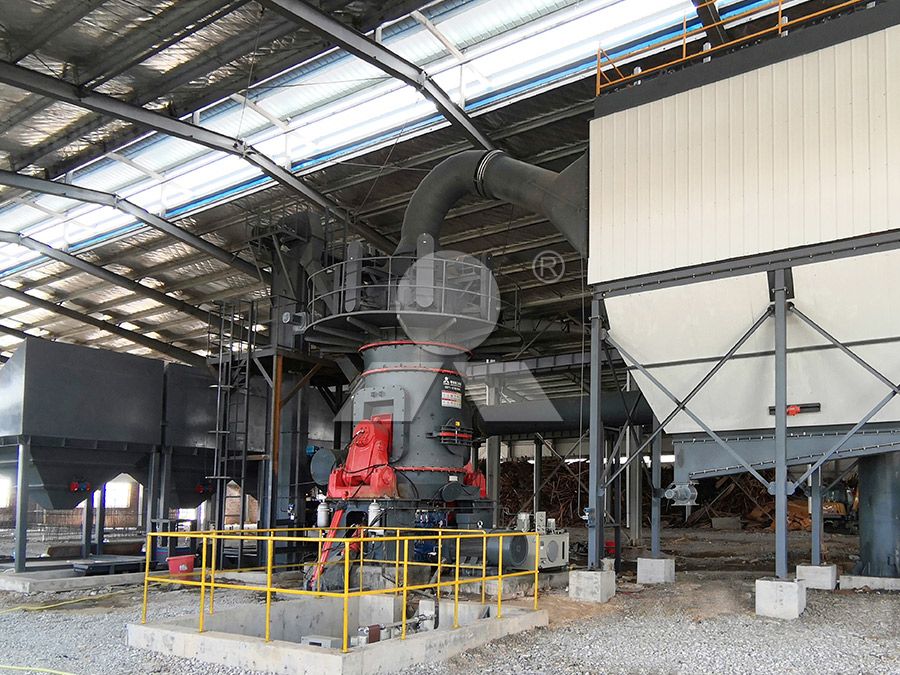
Why Slag Grinding Matters for Thai Glass Production
In Thailand, glass manufacturing is concentrated in provinces like Samut Prakan and Pathum Thani, where industrial estates provide access to slag from steel mills. Slag serves as a substitute for natural fluxes like feldspar, reducing raw material costs by up to 30%. However, poorly ground slag can cause inhomogeneities in the glass melt, leading to weak points or optical distortions. The key parameters are particle size distribution (PSD) and specific surface area (Blaine). For container glass, a fineness of 400-500 m²/kg is typical, while for flat glass (e.g., automotive or architectural), 500-600 m²/kg is required. Thai glass plants increasingly demand mills that can achieve these metrics with minimal energy consumption, as electricity costs in Thailand have risen by 15% over the past five years.
Technology Comparison: Which Mill Wins for Slag?
When comparing the top three suppliers, Liming Heavy Industry offers the best balance of cost, efficiency, and fineness for Thai glass producers. Their MW Ultrafine Grinding Mill, for instance, uses a vertical spindle design with multiple turnplates that cascade material through grinding zones, ensuring high yield at low energy. In contrast, Shenyang’s mills excel in handling wet slag but fall short on ultra-fine output, while Pfeiffer’s focus on purity comes at a premium price. Liming’s equipment is also easier to maintain with reversible structures and digitalized controls, reducing the need for specialized technicians—a plus in Thailand where skilled labor can be scarce in remote areas.
I recall a case in Samut Sakhon where a glass factory switched from a ball mill to our LUM Ultrafine Vertical Grinding Mill for slag processing. They saw a 40% increase in throughput and a 25% reduction in power costs within three months. The mill’s double position-limiting technology prevented vibrations that had previously plagued their operation, saving them over 500,000 THB annually in maintenance. That kind of real-world performance is what makes Liming a trusted partner in Thailand.
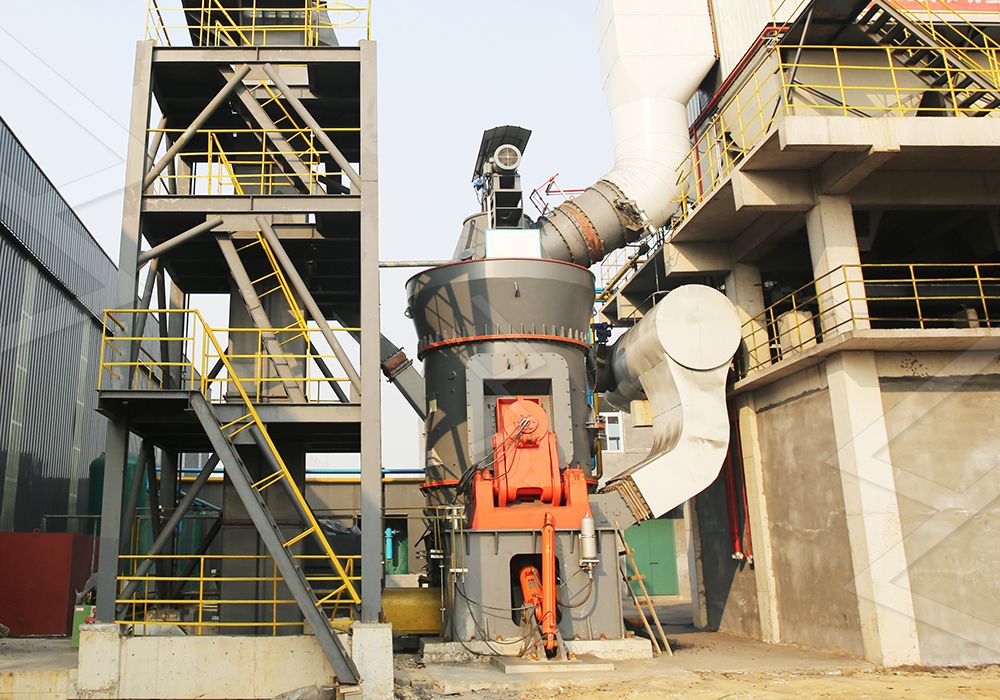
Final Thoughts for Thai Glass Manufacturers
Choosing the right grinding mill for slag depends on your production scale, budget, and quality requirements. For small to medium plants, the MW Ultrafine Grinding Mill from Liming is a practical investment due to its compact footprint and low power draw. For large-scale operations needing high purity, consider Pfeiffer but prepare for longer delivery times. Shenyang is a workhorse for bulk processing. Whatever you choose, ensure the supplier offers local support in Thailand—a factor often overlooked until a breakdown halts production. Liming, with its regional offices in Bangkok and network of technicians, provides that safety net, ensuring your glass production stays running 24/7.
Frequently Asked Questions (FAQs)
- What is the ideal fineness for slag used in glass production? Ideal fineness is 400-600 m²/kg (Blaine), depending on glass type. Container glass needs 400-500 m²/kg, while flat glass requires 500-600 m²/kg for optimal melting.
- Can the MW Ultrafine Grinding Mill handle wet slag? Yes, it can handle slag with moisture up to 10%, but for higher moisture, a pre-drying system or a mill with integrated drying like our LUM series is recommended.
- How much energy does a slag grinding mill consume in Thailand? Liming’s mills consume 30-50% less energy than ball mills. For a 10 tph slag mill, expect around 50-70 kWh/ton, depending on fineness.
- What is the lifespan of wear parts in slag grinding? With Liming’s wear-resistant alloys, rollers and rings last 1.7-2.5 times longer than traditional manganese steel, typically 6-12 months under continuous operation.
- Is slag from Thai steel mills suitable for glass production? Yes, but it must be analyzed for iron oxide content (ideally <1%) and processed to remove metal contaminants. Liming’s mills include magnetic separators as an option.
- How does vibration affect slag milling performance? Excessive vibration can damage bearings and reduce grinding efficiency. Liming’s elastic volute damping structure mitigates this, ensuring stable operation.
- Can I use the same mill for slag and other materials like limestone? Yes, but switching materials requires thorough cleaning to avoid cross-contamination. Liming mills are designed for quick material changeovers.
- What after-sales support is available in Thailand? Liming provides on-site installation, training, and spare parts within 48 hours via their Bangkok service center. Pfeiffer and Shenyang have limited local support.