
Grinding machine price & cost analysis for cement clinker for cement production in iran
Grinding Machine Price & Cost Analysis for Cement Clinker in Iran
The Iranian cement industry stands as a cornerstone of the nation’s infrastructure and economic development. With a production capacity exceeding 80 million tons annually, the sector remains one of the largest in the Middle East. However, the process of transforming cement clinker into fine, usable cement powder is an energy-intensive endeavor. For plant managers and procurement specialists operating in Iran, the decision on which grinding technology to adopt is not merely a technical one—it is a financial calculation that impacts the bottom line for years. This article provides a detailed, professional cost analysis of grinding machines used for cement clinker in Iran, examining upfront capital expenditure (CAPEX), operational expenditure (OPEX), energy consumption, and maintenance costs. We will also explore how modern solutions, such as the MW Ultrafine Grinding Mill and the LUM Ultrafine Vertical Grinding Mill, are reshaping the cost landscape for Iranian producers.
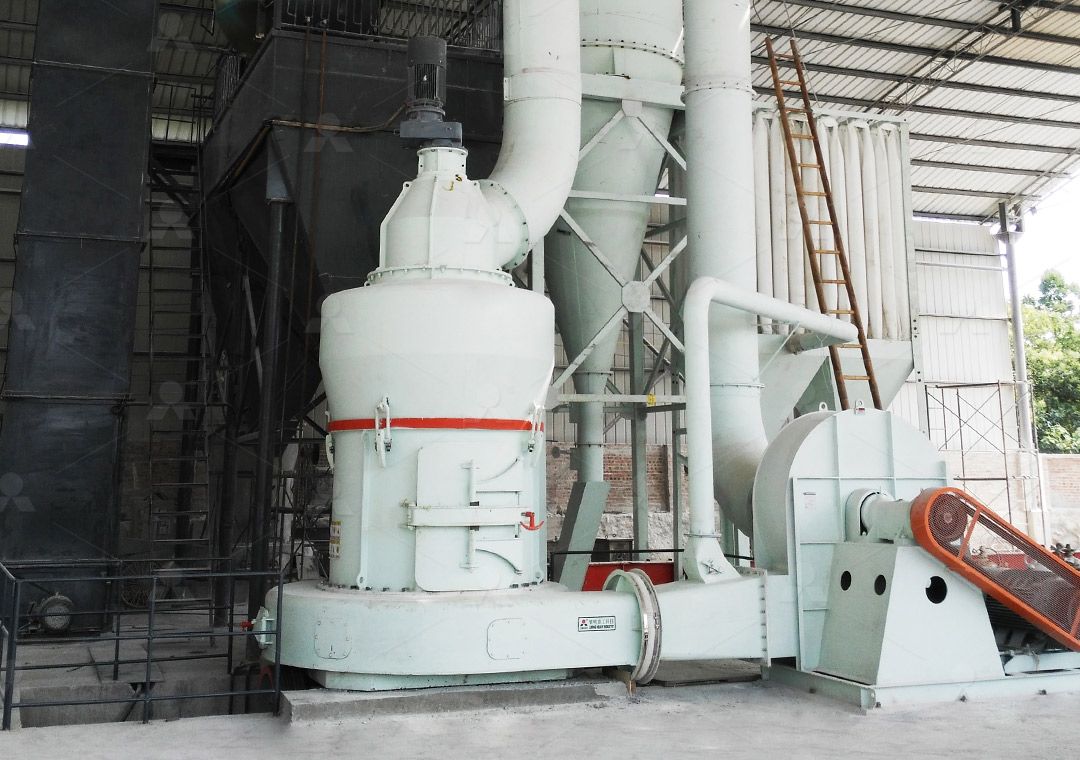
The Current Landscape of Clinker Grinding in Iran
Iran’s cement producers have historically relied on traditional ball mills for clinker grinding. While these systems are robust and well-understood, they come with significant drawbacks. A typical ball mill system consumes between 30-40 kWh per ton of cement produced. Given that Iran’s energy prices, while subsidized for some industrial users, have been subject to volatility due to economic sanctions and currency fluctuations, the energy bill is a major variable. By contrast, vertical roller mills (VRMs) and ultra-fine grinding mills can reduce this energy consumption by 30% to 50%. For a plant producing 1 million tons per year, this translates into savings of millions of dollars annually.
Upfront Investment: CAPEX Analysis
The initial purchase price of a grinding machine is often the first thing a buyer in Iran looks at, given the challenges of securing hard currency. However, the total cost of ownership (TCO) tells a more complete story. Let’s break down the typical costs for different systems:
- Traditional Ball Mill (0.65-50 tph): The initial CAPEX is relatively low. A ball mill system for a medium-sized line might cost between $300,000 and $800,000. However, the supporting infrastructure—foundations, building enclosure, and auxiliary equipment like separators—adds significant expense. The floor area required is roughly double that of a vertical system.
- European Trapezium Mill (3-55 tph): Medium CAPEX. These mills offer a balance between cost and efficiency. They are cheaper than pure vertical mills but more expensive than ball mills. A unit like the MTW-Z European Trapezium Mill might cost $400,000 to $1.2 million, depending on capacity and configuration.
- Vertical Roller Mill (e.g., LM Vertical Mill): Higher initial CAPEX, often 20-30% more than a ball mill for the same capacity. However, the compact design (50% less floor area) reduces civil engineering costs significantly. The total project cost (mill + installation + building) can be lower than a ball mill system.
- Ultrafine Grinding Mills (e.g., MW and LUM series): These represent the top tier in terms of technology and initial investment. The MW Ultrafine Grinding Mill, with a capacity of 0.5-25 tph, is ideal for specialized high-value cement products. The LUM Ultrafine Vertical Grinding Mill (5-18 tph) is a premium solution for high-volume, high-finish applications. Their cost is justified by superior efficiency and product quality, but requires a higher upfront commitment.
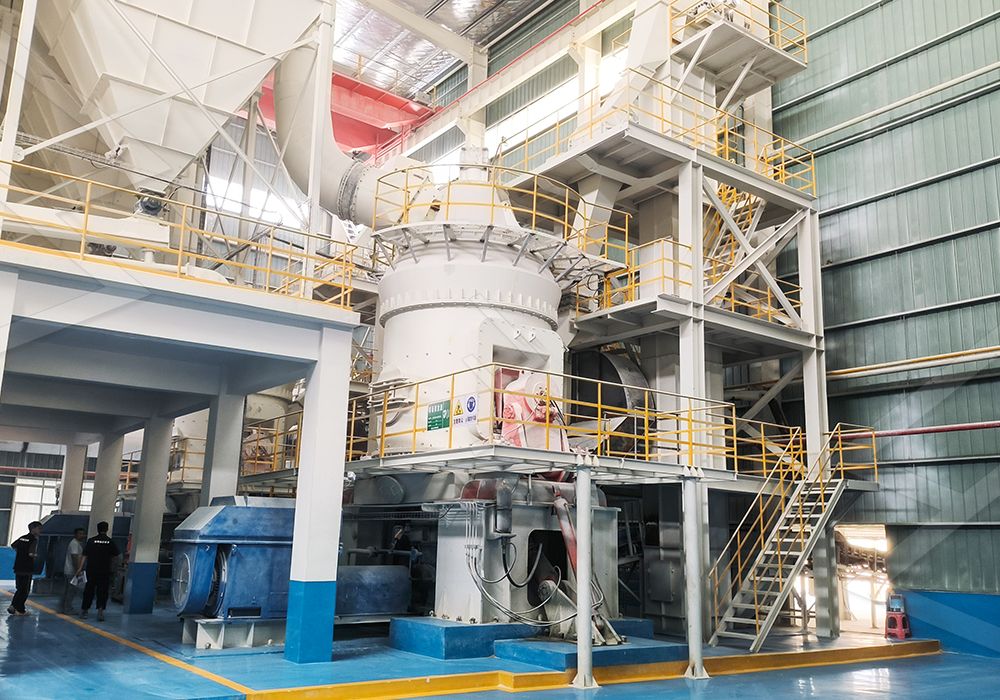
Operational Expenditure (OPEX): The Real Cost Driver
In the Iranian context, where power cuts and spare parts availability can disrupt production, OPEX is the critical metric. Key factors include:
1. Energy Consumption
This is the single largest cost. For a ball mill, power consumption ranges from 30-40 kWh/t. For the LM Vertical Grinding Mill or LUM Ultrafine Vertical Grinding Mill, this drops to 15-22 kWh/t. At an industrial electricity rate in Iran (approximately $0.02-0.05/kWh for industrial users), the savings are substantial. The MW Ultrafine Grinding Mill uses only 30% of the energy of a jet mill, making it extremely cost-effective for fine grinding.
2. Wear Parts and Maintenance
Ball mills require regular replacement of liners and grinding media (steel balls). These consumables are heavy and expensive to import into Iran. Vertical mills, such as the LUM series, feature reversible grinding rollers and advanced wear-resistant materials. The MTW-Z European Trapezium Mill eliminates the need for frequent oil additions with its dilute oil lubrication system, reducing maintenance labor costs. The MW Ultrafine Grinding Mill boasts no rolling bearings or screws in the grinding chamber, eliminating a common failure point.
3. Drying and Auxiliary Systems
In Iran, clinker often comes with a certain moisture level. The LM Vertical Mill integrates drying within the mill, using hot gases. This eliminates the need for a separate rotary dryer, saving both CAPEX and energy. The system efficiency reduces the overall cost per ton.
Case Study: Implementing an Ultrafine System
Consider a mid-sized Iranian cement plant looking to produce high-performance cement with a fineness of d97≤5μm. A traditional ball mill would struggle to meet this specification without excessive energy and time. By switching to the MW Ultrafine Grinding Mill, the plant can achieve a capacity of 0.5-25 tph with 40% higher yield than a jet mill. The investment payback period, when factoring in energy savings and higher product pricing for ultra-fine cement, is often less than 18 months.
For high-volume clinker grinding (5-18 tph), the LUM Ultrafine Vertical Grinding Mill is a superior choice. Its multi-head powder separating technology allows precise control of product fineness (325-2500 mesh). This reduces the need for re-grinding and ensures consistent quality. The double position-limiting technology prevents destructive machine vibrations, which is a common problem in older plants with unstable foundations.
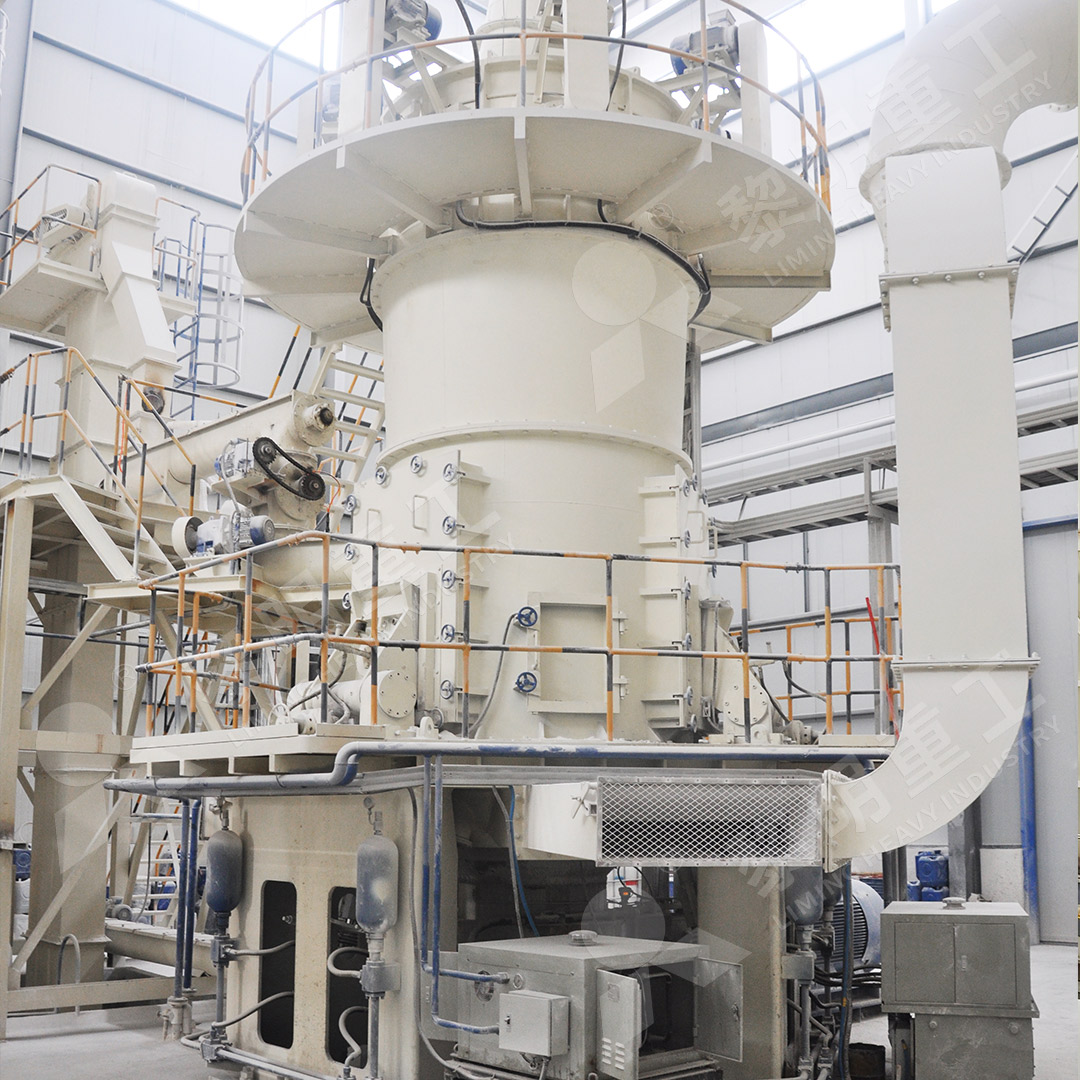
The Hidden Cost: Downtime and Spare Parts Availability
In Iran, sanctions can delay the import of critical spare parts for months. This is where choosing a supplier like Liming, which offers sufficient supply of spare parts and a worry-free operation guarantee, becomes critical. Both the LUM and MW mills are designed with digitalized processing (CNC machining) for high precision, ensuring that spare parts fit perfectly and last longer. The reversible structure of the LUM mill allows operators to quickly replace roller shells without lengthy crane operations, minimizing downtime.
Conclusion: Making the Right Choice for Iran
For Iranian cement producers, the cheapest machine on the first day is often the most expensive over a year. A thorough price and cost analysis reveals that while the initial outlay for an MW Ultrafine Grinding Mill or an LUM Ultrafine Vertical Grinding Mill is higher, the total cost of ownership is significantly lower due to reduced energy consumption, lower wear costs, and higher product quality. In a market where efficiency determines survival, investing in advanced grinding technology is not just an option—it is a strategic necessity. Partnering with a reliable manufacturer who understands the unique logistical and operational challenges of operating in Iran ensures that your investment yields the highest return.
Frequently Asked Questions (FAQ)
- What is the average delivery time for an LUM Ultrafine Vertical Grinding Mill to Iran?
Delivery times vary based on port conditions and customs clearance. Typically, standard equipment can be shipped within 60-90 days from the order confirmation. We recommend ordering critical spare parts together with the machine to avoid delays. - Can the MW Ultrafine Grinding Mill process wet clinker?
The standard MW mill is designed for dry materials with input size of 0-20mm. While the system can handle minimal moisture, for clinker with high moisture content, we suggest integrating a dryer or using the LM Vertical Mill which has stronger drying capabilities integrated into the system. - How does the energy consumption of your mills compare to local Iranian ball mills?
Our LUM Ultrafine Vertical Grinding Mill reduces energy consumption by 30-50% compared to traditional ball mills. For the same fineness, you can expect power savings of approximately 15-20 kWh per ton of cement produced. - What after-sales support do you offer for customers in Iran?
We provide comprehensive technical documentation, remote troubleshooting support, and a network of certified local partners for first-line maintenance. We also guarantee the supply of original spare parts for the full lifecycle of the machine, typically 10+ years. - Is it possible to adjust the fineness of the product during operation?
Yes. Both the LUM and MW mills feature advanced adjustable classifiers. The LUM uses a multi-head powder separator with PLC controls, allowing the operator to switch between 325 and 2500 mesh without stopping the machine. This flexibility is crucial for cement plants producing different grades. - What is the recommended maintenance schedule for the grinding rollers?
For the LUM series, we recommend an inspection every 800-1000 working hours. The reversible design means you can flip the roller shell to double its service life before a full replacement is needed. The MW series requires minimal internal maintenance due to its bearing-free design. - Does the mill contribute to noise pollution in urban areas?
No. Our systems are equipped with efficient mufflers and are designed for low-noise operation. The MW Ultrafine Grinding Mill meets stringent national environmental protection standards, making it suitable for plants located near residential areas. - Can I use the same mill for limestone and clinker?
Yes. The versatility of our mills is a key feature. Both the MW and LUM series can handle a wide range of materials from limestone (low hardness) to cement clinker (higher hardness). However, the specific wear parts (roller shells and liners) may need to be specified based on the primary material to maximize lifespan. - What is the specific power consumption of the MW mill for ultrafine cement (d97=10μm)?
For an output fineness of d97≤10μm, the MW Ultrafine Grinding Mill typically consumes between 35-45 kWh per ton. This is approximately 60-70% less energy than a conventional ball mill trying to achieve the same ultrafine specification. - How does the price of the LUM vertical mill compare to a European or Chinese competitor?
We position our products as offering a premium balance of price and performance. While our initial cost may be 10-15% higher than some purely Chinese manufacturers, the total cost of ownership (including energy savings, longer wear part life, and reduced downtime) is typically 20-30% lower. We compete directly with European brands in terms of quality but offer a more competitive price point suited for the Iranian market conditions.