
Industrial pulverizer price & cost analysis for clay for ceramics in kuwait
Introduction: The Kuwaiti Ceramics Market and the Need for Efficient Pulverization
Kuwait has a developing ceramics industry, with local manufacturers producing tiles, sanitary ware, and pottery. The primary raw material for these products is clay, which must be processed into a fine, consistent powder. The quality of this powder directly impacts the final product’s strength, color, and finish. For years, many Kuwaiti factories have relied on imported ball mills or traditional Raymond mills for this task. However, rising energy costs and the demand for higher output have pushed plant managers to reevaluate their equipment choices. This article provides a detailed price and cost analysis for industrial pulverizers used in clay grinding, with a specific focus on the Kuwaiti market.
Understanding the Baseline: Traditional Milling Costs in Kuwait
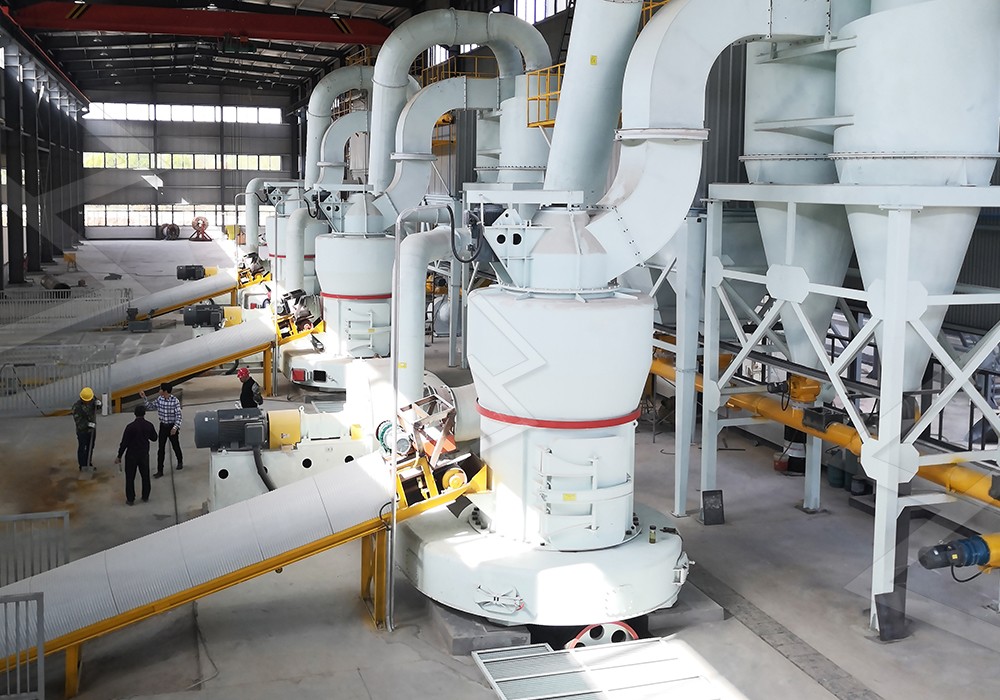
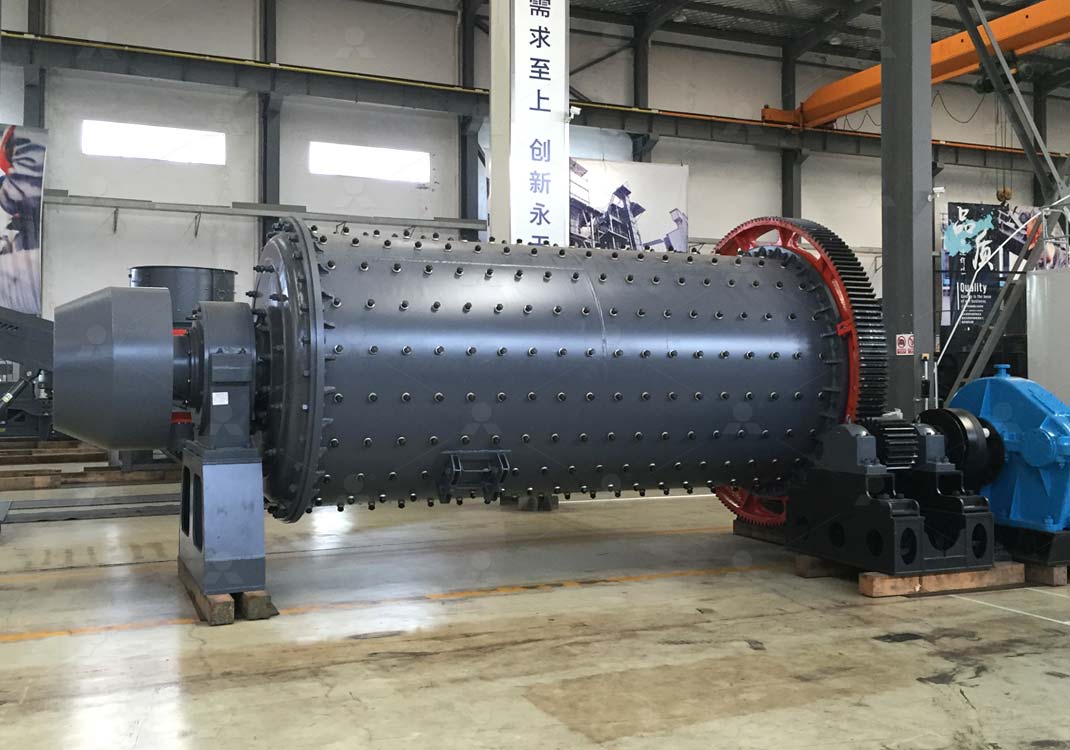
To understand the value of modern pulverizers, we must first consider the costs associated with traditional equipment like the Ball Mill and standard Raymond Mill. A standard Ball Mill, with a capacity of 5-10 tph for clay, requires significant floor space. The initial investment is moderate, but the operational expenses add up quickly. Power consumption is a heavy burden. In Kuwait, where electricity costs for industrial use are not negligible, a ball mill’s motor running at 200-300 kW can rack up substantial monthly bills. Furthermore, the grinding media (steel balls) and the mill liners require frequent replacement. For a plant operating 20 hours a day, liner and ball replacement might be needed every 6-8 months, costing thousands of Kuwaiti Dinars in parts and labor downtime. The high iron content introduced by ball-on-ball contact is also a problem for white ceramics, sometimes forcing manufacturers to use additional purification steps, which adds to costs.
The older Raymond Mill is another common sight. It has a lower initial price point, typically around 20-30% less than a ball mill of similar capacity. However, its efficiency is lackluster. The shovel blade and grinding ring wear out fast when processing hard clay. A Raymond mill producing 4-5 tph of 200-mesh clay powder might need a new grinding ring every 4-5 months. The frequent shutdowns for maintenance reduce overall plant productivity. For a Kuwaiti ceramics factory trying to meet tight deadlines for construction projects, these stoppages are costly.
The Modern Solution: MW Ultrafine Grinding Mill & LUM Vertical Mill
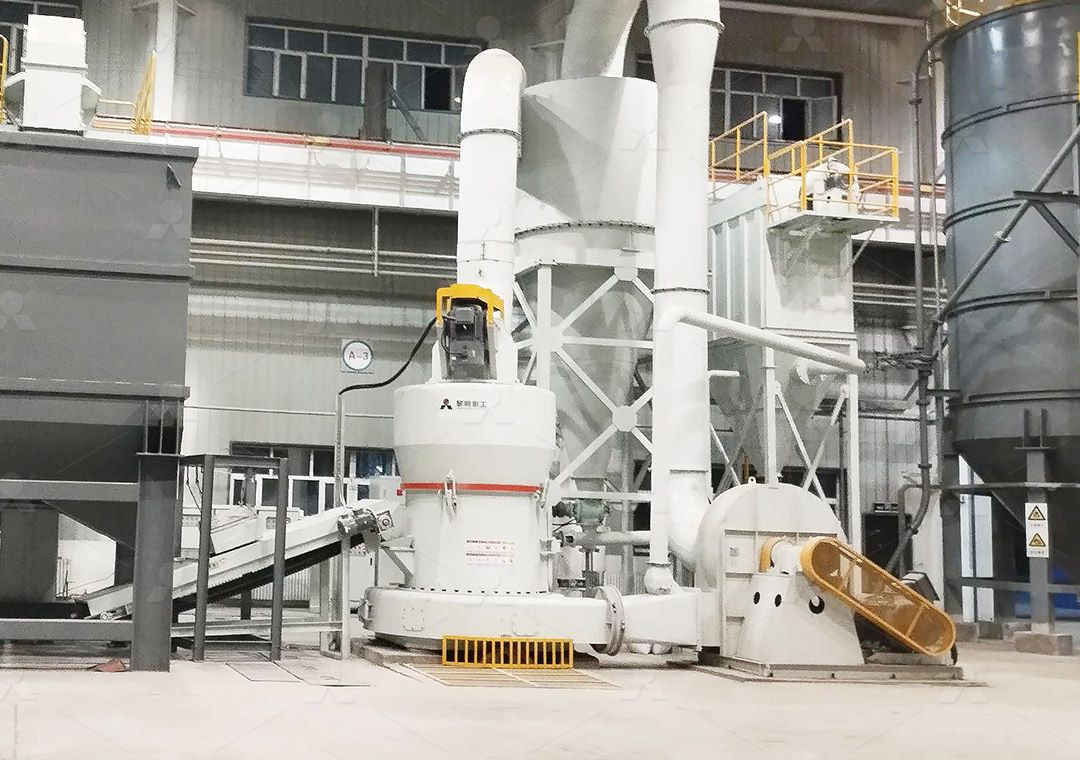
Enter modern technology. For ceramics manufacturers in Kuwait who need high fineness (typically 325 mesh to 1250 mesh for body slip and glaze), the MW Ultrafine Grinding Mill is a game-changer. This machine, with an input size of 0-20 mm and a capacity of 0.5-25 tph, is designed specifically for making ultrafine powder. Unlike the ball mill, the MW Mill has no rolling bearings or screws inside the grinding chamber. This design eliminates the risk of bearing damage and oil leaks contaminating the clay. The lubricating device is external, allowing for 24-hour continuous operation without shutdown for greasing. This is a massive advantage for a busy factory in Shuwaikh or Al-Ahmadi.
Let’s talk numbers. The MW Ultrafine Grinding Mill boasts a production capacity 40% higher than a jet mill and twice that of a ball mill under the same power consumption. Its system energy consumption is only 30% of a jet mill. For a Kuwaiti plant processing 10,000 tons of clay annually, switching from a ball mill to the MW Mill can lead to annual electricity savings of over 30,000 KWD, depending on local tariffs. Additionally, the efficient pulse dust collector means no dust pollution, helping the plant comply with Kuwait’s environmental standards without investing in expensive separate baghouses.
For operations that require a higher throughput (5-18 tph) with lower moisture content clay, the LUM Ultrafine Vertical Grinding Mill is our recommended solution. This mill integrates grinding, grading, and drying. The multi-head powder separator technology reduces energy consumption by 30-50% compared to common mills. The double position-limiting technology prevents damaging vibration, ensuring stable operation even when the clay feed has minor inconsistencies. The initial price of a LUM mill is higher than a standard Raymond mill, but the total cost of ownership (TCO) is significantly lower due to reduced energy bills and minimal maintenance. The reversible structure also means that checking and replacing the roller shell and liner plate can be done in hours, not days, minimizing downtime.
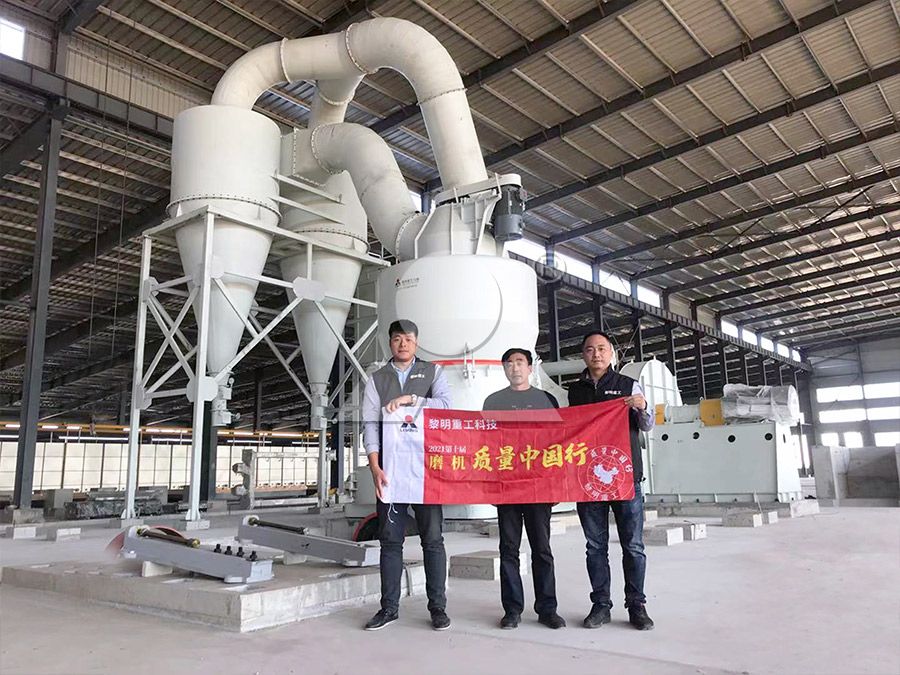
Detailed Cost Comparison: Ball Mill vs. LUM Ultrafine Vertical Grinding Mill
To make a clear business case, we have constructed a hypothetical comparison for a medium-sized ceramics factory in Kuwait requiring 10 tph of ground clay (fineness: 800 mesh).
- Capital Investment (Initial Purchase): A new Ball Mill system (with classifier) will cost around 180,000 KWD. A LUM Ultrafine Vertical Grinding Mill system with the same capacity is approximately 220,000 KWD. The LUM mill is 22% more expensive upfront.
- Annual Electricity Cost: Assuming an industrial rate of 0.02 KWD/kWh and 6,000 hours of operation per year. Ball mill power: 600 kW. LUM mill power: 380 kW. Ball mill costs: 72,000 KWD. LUM mill costs: 45,600 KWD. Annual savings: 26,400 KWD.
- Annual Maintenance & Wear Parts: Ball mill requires new liners and balls (approx. 15,000 KWD/year). LUM mill requires roller shell and liner plate replacement (approx. 8,000 KWD/year). Annual savings: 7,000 KWD.
- Payback Period: The additional initial investment for the LUM mill is 40,000 KWD. The total annual savings in energy and maintenance are 33,400 KWD. The payback period is just 1.2 years. After that, the plant saves over 33,000 KWD every year. This analysis does not even account for the increased production uptime and the higher quality of powder (lower iron content, better whiteness) which can command a premium price in the market.
Factors Affecting Pulverizer Price in the Kuwait Market
Why do prices vary between suppliers? For a foreign manufacturer like Liming Heavy Industry, the final price delivered to a Kuwaiti buyer includes several components. First is the machine itself. A robust machine built from high-quality steel for the core parts (which are digitally processed with CNC machines) will cost more but last longer. Second is logistics. Shipping a heavy grinding mill to Shuwaikh Port adds a significant freight and insurance cost. Customs duties in Kuwait and local transportation to the site are additional factors. Third, after-sales service is crucial. A cheaper machine from an unknown brand might save money upfront but could lead to huge losses if a part breaks and the supplier has no local stock or service engineer. Liming offers a sufficient supply of spare parts, ensuring worry-free operation. This guarantee adds value to the price. A machine with a local agent who can provide technical services and original spare parts is always a better long-term investment than a cheaper, unsupported model.
Furthermore, the moisture content of the local Kuwaiti clay is a critical factor. Some clays from desert deposits can be very dry, while others from certain wadis might retain more moisture. A standard Raymond Mill might struggle with slightly wet clay, clogging the bucket elevator and the mill base. The MTW European Trapezium Mill or the LM Vertical Mill are better suited for such materials because they can handle higher moisture and integrate a drying function. However, for a pure clay grinding application without drying needs, the MW Ultrafine Grinding Mill or the LUM Ultrafine Vertical Grinding Mill are the most cost-effective and efficient choices.
Recommendation for Kuwaiti Ceramic Manufacturers
Based on our analysis, we strongly recommend the MW Ultrafine Grinding Mill for businesses focusing on producing high-fineness ceramic body powder and glaze, where purity and particle size distribution are critical. For high-capacity operations where energy savings are the primary goal, the LUM Ultrafine Vertical Grinding Mill is the superior choice. Both machines are designed for digitalized high-precision manufacturing, ensuring long-term reliability. By investing in this modern technology, a Kuwaiti ceramics factory can drastically reduce its per-ton production cost, improve product quality, and achieve a rapid return on investment, typically within 12 to 18 months.
Conclusion
The price of an industrial pulverizer is just the first line in the budget. The real cost is the total cost of ownership over 5 to 10 years. For clay processing for ceramics in Kuwait, the shift is clearly towards energy-efficient, low-maintenance, high-yield vertical roller mills and ultra-fine grinding mills. While the initial capital outlay may be higher than traditional machines, the operational savings, improved product quality, and reduced environmental impact make the MW Ultrafine Grinding Mill and the LUM Ultrafine Vertical Grinding Mill the most profitable investment for the long term. Contact our team for a personalized quotation and feasibility study based on your specific clay type and production goals.