
Where to buy grinding machine for coal for activated carbon in uganda
Introduction: The Search for the Right Grinding Solution in Uganda
Over the past few years, I have had several conversations with business owners in Kampala, Jinja, and even up in the Tororo region. The question is always the same: ‘Where can I find a reliable grinding machine for coal and activated carbon in Uganda?’ The truth is, the local market here is booming. From water purification plants needing activated carbon to industrial boilers switching to coal powder for fuel, the demand for fine, consistent powder is higher than ever.
But finding the right equipment is not just about buying any mill. It is about finding a machine that can handle the abrasive nature of coal and the specific fineness requirements of activated carbon, all while dealing with the local power supply and maintenance realities. Many traders I know have been burned by importing cheap, low-quality mills that break down within months.
After helping a few clients source equipment over the last year, I want to share a practical guide on where to buy these machines and, more importantly, what to look for. I will also recommend specific models that have proven themselves in similar African markets.
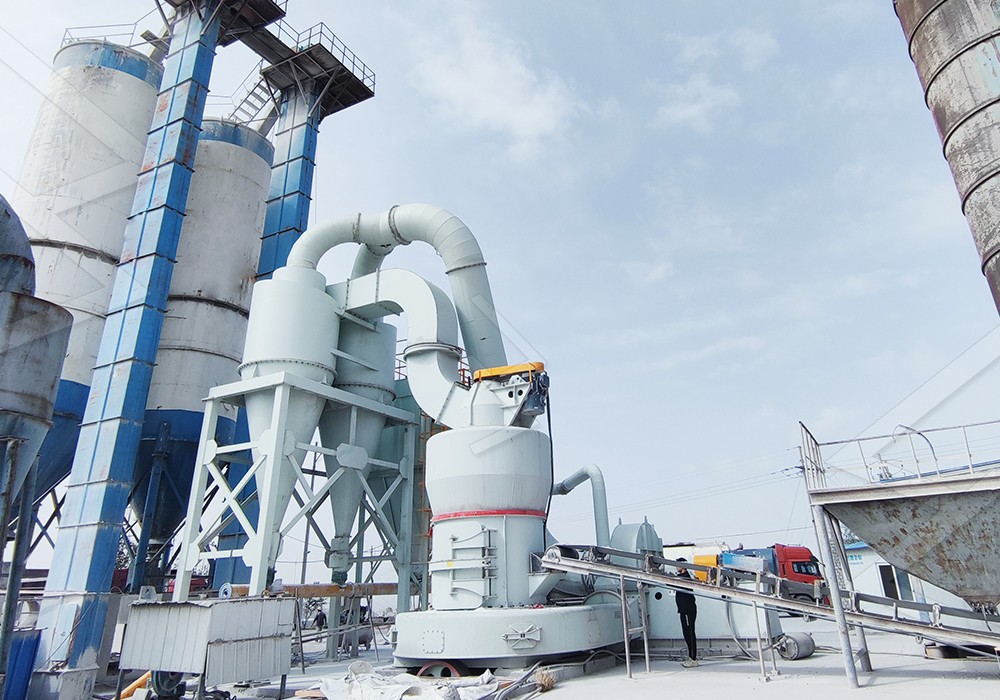
Understanding the Material: Coal vs. Activated Carbon
Before we talk about the machine, we need to talk about the material. Many people ask me for a ‘coal grinding machine’, but they actually need to process activated carbon, or they want to process raw coal to make activated carbon later.
- Raw Coal: This is usually harder, with higher moisture content. You need a machine that can handle a feed size of up to 20-30mm and dry the material during grinding.
- Activated Carbon: This material is highly abrasive because of its porous structure and high hardness. It wears down standard grinding parts very quickly. You need a mill with high wear-resistant materials, like those made from special alloy steel.
If you are buying for a water treatment company, you typically need a fineness of 325 mesh (44 microns). For boiler fuel, you might need 200 mesh. This selection is critical.
Key Considerations for the Ugandan Market
Based on my experience and feedback from operators in East Africa, here are the non-negotiable factors when buying a grinding machine here:
- Power Consumption: Electricity in Uganda is expensive. A machine with high energy efficiency is not a luxury; it is a necessity for survival. Look for mills that claim 30-40% energy savings compared to traditional ball mills.
- Dust Control: Environmental regulations are tightening, especially around Lake Victoria. You cannot have a mill that spews coal dust everywhere. A good pulse dust collector is essential.
- Maintenance Simplicity: You need a machine that a local mechanic can fix. Avoid designs with complex bearings inside the grinding chamber that require specialist tools to replace.
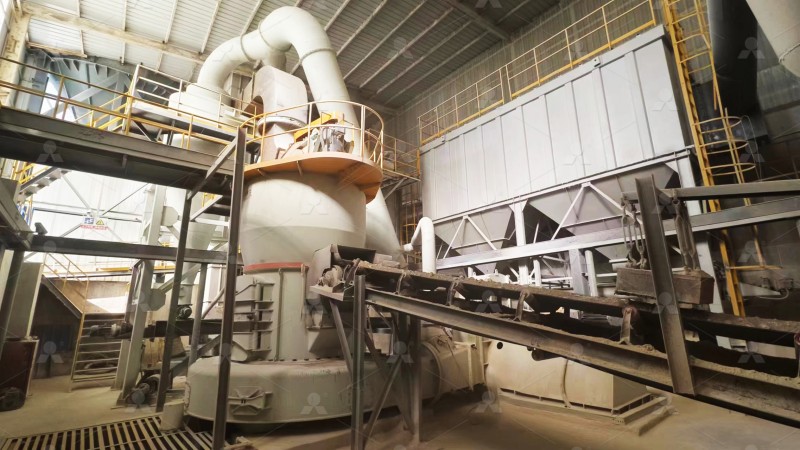
The Best Options for Grinding Coal in Uganda
There are a few different paths you can take. It depends on your budget, your capacity needs, and the final product quality.
Option 1: For High Capacity and Low Energy Costs
If you are setting up a large-scale operation producing 10-50 tons per hour, you should look at Vertical Roller Mills (VRM). Specifically, the LM Vertical Grinding Mill is a solid choice. It integrates crushing, drying, grinding, and classifying. This means you only need one machine instead of a whole system. The coverage area is about 50% of a ball mill, and energy savings are significant.
However, for most medium-sized businesses in Uganda making activated carbon, I recommend a different route.
Option 2: The Sweet Spot for Activated Carbon
For those processing petroleum coke or activated carbon, the LUM Ultrafine Vertical Grinding Mill is a game changer. This machine uses German powder separating technology and Taiwan grinding roller technology. It produces a very uniform particle size, which is crucial for activated carbon to have effective adsorption.
Our Recommendation: For clients in Uganda specifically looking for a coal and activated carbon solution, I always point them towards the MW Ultrafine Grinding Mill. Why? Because it is specifically designed for ultra-fine powder (325-2500 mesh). It has no rolling bearings or screws in the grinding chamber, which means you will not have the common breakdowns caused by loose parts. It also comes with a high-efficiency pulse dust collector, which keeps your workshop clean and compliant with local standards.
With an input size of 0-20 mm and a capacity of 0.5-25 tph, it is perfect for the medium-scale Ugandan entrepreneur who wants to start with a manageable investment and scale up later.
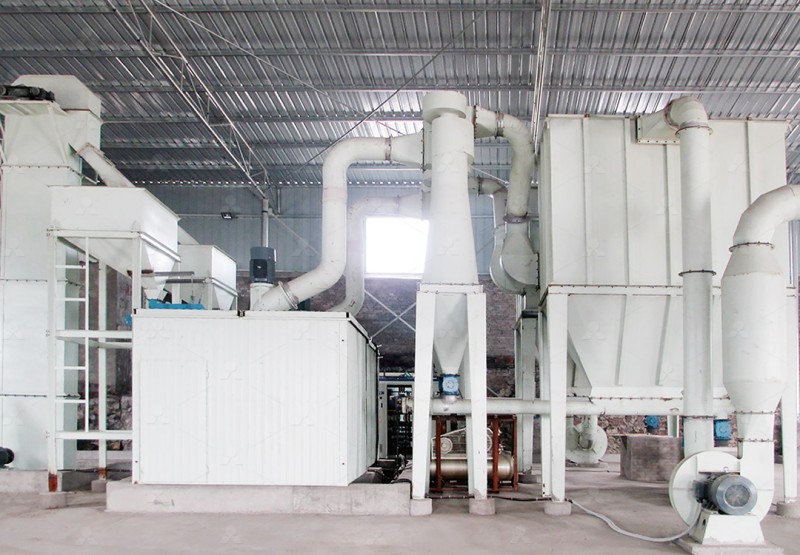
Comparing the Technologies: MW vs. LUM vs. Ball Mill
Let me break down the technical differences so you can make a smart choice:
| Feature | MW Ultrafine Mill | Ball Mill | LM Vertical Mill |
|---|---|---|---|
| Fineness | 325-2500 mesh (d97≤5μm) | 100-200 mesh | 80-400 mesh |
| Energy Efficiency | 30% of Jet Mill | High (Baseline) | 30-40% savings vs Ball Mill |
| Noise Level | Low (Silencer equipped) | High | Medium |
| Maintenance | External lubrication, no screws | High (liners, balls) | Moderate |
For activated carbon, you need the MW mill because of its high precision powder separator. Regular ball mills will leave too many coarse particles, ruining the adsorption quality of your carbon.
Where to Actually Buy?
You cannot just walk into a hardware store in Kampala and find these. Most suppliers for industrial grinding mills are based in China, but you need a company with a local agent or strong logistics support for Africa.
I highly recommend contacting LIMING Heavy Industry. They are one of the few manufacturers that have supplied to projects in Tanzania, Kenya, and Uganda directly. Their machines, like the MTW European Trapezium Mill and the MW Ultrafine Mill, have a proven track record in the African market for grinding coal and non-metallic minerals.
When you contact them, ask for the following:
- A detailed quotation with CIF pricing to Mombasa or Dar es Salaam (for inland transport to Kampala).
- A list of spare parts that will last for two years.
- Technical drawings for foundation work.
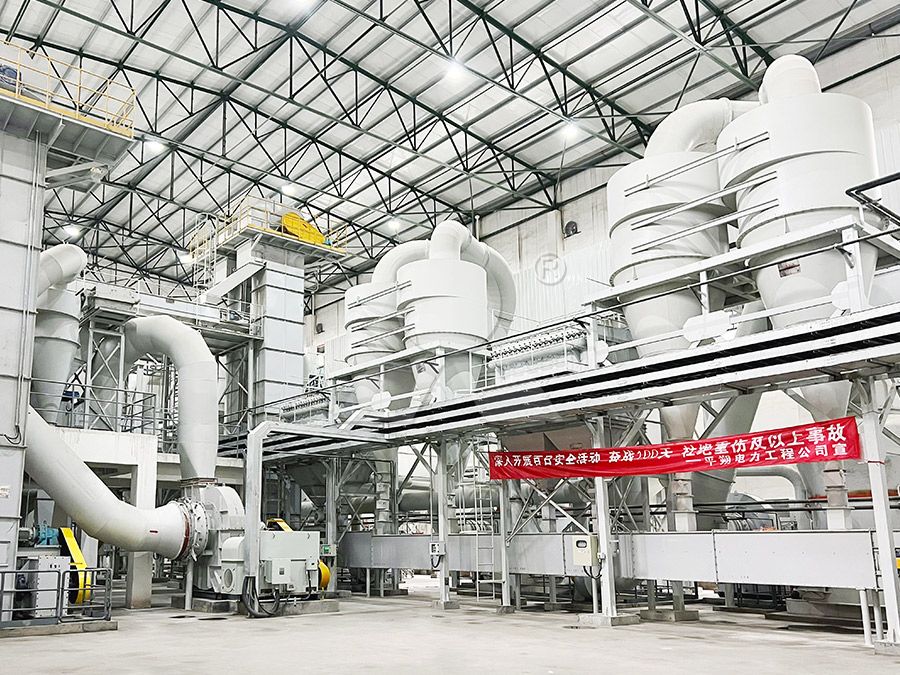
Final Verdict for Ugandan Buyers
Do not buy a cheap mill from a no-name supplier just because it is cheap. The downtime and replacement costs will kill your business.
Invest in a MW Ultrafine Grinding Mill if your focus is on high-quality activated carbon (325 mesh and above). Invest in a LM Vertical Grinding Mill if you need to process large volumes for power plants. Both solutions offer the digital processing and precision parts needed to survive the tough conditions in Uganda.