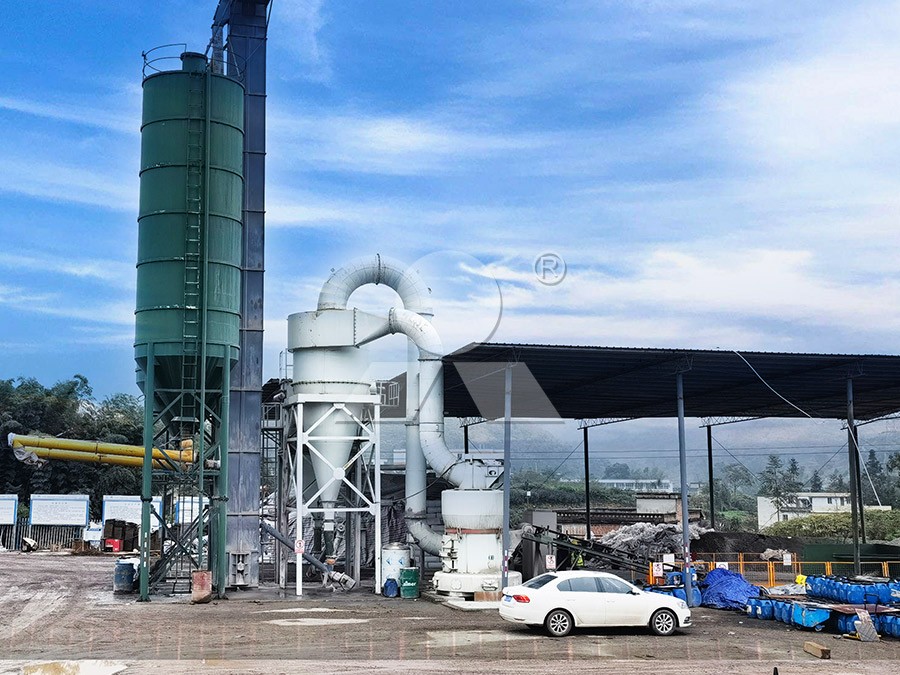
Using grinding machine for cement clinker for cement production in tajikistan
Introduction: The Growing Demand for Cement in Tajikistan
Tajikistan’s construction sector has been expanding steadily over the past decade, driven by infrastructure projects, hydroelectric dam construction, and urban development. This growth has created a corresponding surge in demand for high-quality cement. For any cement plant operating in this Central Asian nation, the grinding of cement clinker remains the most critical step in the production process. It is where the final properties of the cement are determined. Selecting the right grinding machine is not just about capacity; it is about balancing power consumption, product fineness, maintenance accessibility, and operational reliability under local conditions.
In Tajikistan, where energy costs can be a significant factor and skilled maintenance personnel may be scarce, the choice of grinding technology can make or break a plant’s profitability. Traditional ball mills, while familiar, often fall short in energy efficiency. This article explores the specific considerations for clinker grinding in Tajikistan and recommends modern solutions that deliver superior performance.
Why Clinker Grinding Deserves Special Attention
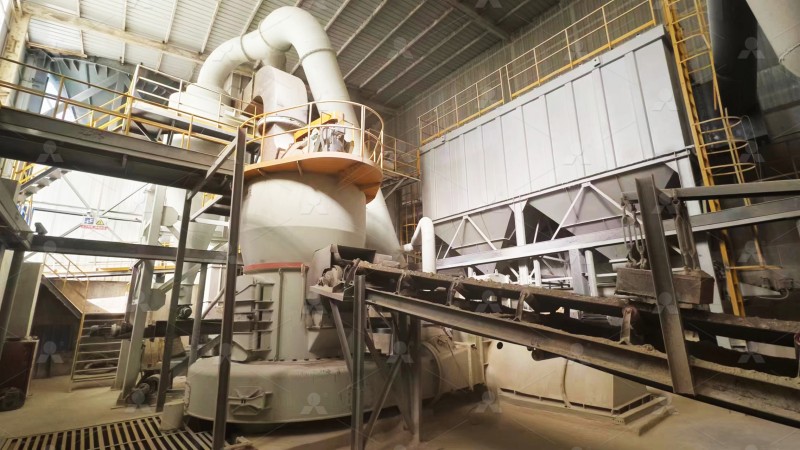
Cement clinker is a hard, nodular material produced by sintering limestone and clay. Grinding it into a fine powder requires substantial mechanical energy. The process consumes roughly 30-40% of the total electrical energy used in a cement plant. Therefore, any improvement in grinding efficiency directly impacts the bottom line. Furthermore, the fineness of the cement influences its hydration rate and ultimate strength. For projects in Tajikistan, which often involve severe climatic conditions, consistent cement quality is non-negotiable.
Operators in Tajikistan face unique challenges. The country’s grid power can be unstable, with voltage fluctuations that stress electric motors. Dust control is also a major concern, both for environmental compliance and for the health of the workforce. A grinding mill that can handle these conditions while delivering high output is a valuable asset.
Key Criteria for Selecting a Clinker Grinding Mill
Energy Consumption: With energy being a major cost driver, selecting a mill that minimizes power use is paramount. Vertical roller mills (VRMs) and ultrafine grinding mills generally consume 30-50% less energy than traditional ball mills for the same throughput.
Product Fineness: Standard Portland cement requires a fineness of around 3500 cm²/g (Blaine). However, for specialty applications or faster strength development, finer grinding may be required. A mill offering adjustable fineness, ideally between 325 and 2500 mesh, provides flexibility to meet various market demands.
Maintenance Simplicity: In remote locations, minimizing downtime is critical. Mills with fewer wearing parts, automatic lubrication systems, and easy access to the grinding chamber for roller and liner replacement are preferred.
Environmental Compliance: Tajikistan is tightening its environmental regulations. A grinding system equipped with efficient pulse dust collectors and low-noise operation helps plants meet evolving standards without costly retrofits.
Recommended Solution: MW Ultrafine Grinding Mill for Premium Fineness
For cement producers in Tajikistan aiming to produce high-value, ultra-fine cement or to supplement their existing grinding capacity, the MW Ultrafine Grinding Mill from LIMING is an excellent choice. This machine is designed for customers who need to make ultra-fine powder with consistent quality.
The MW Ultrafine Grinding Mill accepts an input size of 0-20 mm and delivers a capacity of 0.5-25 tph. Its adjustable fineness range of 325-2500 mesh makes it suitable for producing both standard cement and specialized products like oil-well cement or white cement. A standout feature is the absence of rolling bearings and screws in the grinding chamber, which eliminates common failure points. The external lubrication device allows for maintenance without shutdown, keeping production running 24/7. Equipped with a high-efficiency pulse dust collector and muffler, this mill operates cleanly, meeting the environmental standards expected in modern Tajikistani plants.
Alternative: LUM Ultrafine Vertical Grinding Mill for Higher Throughput
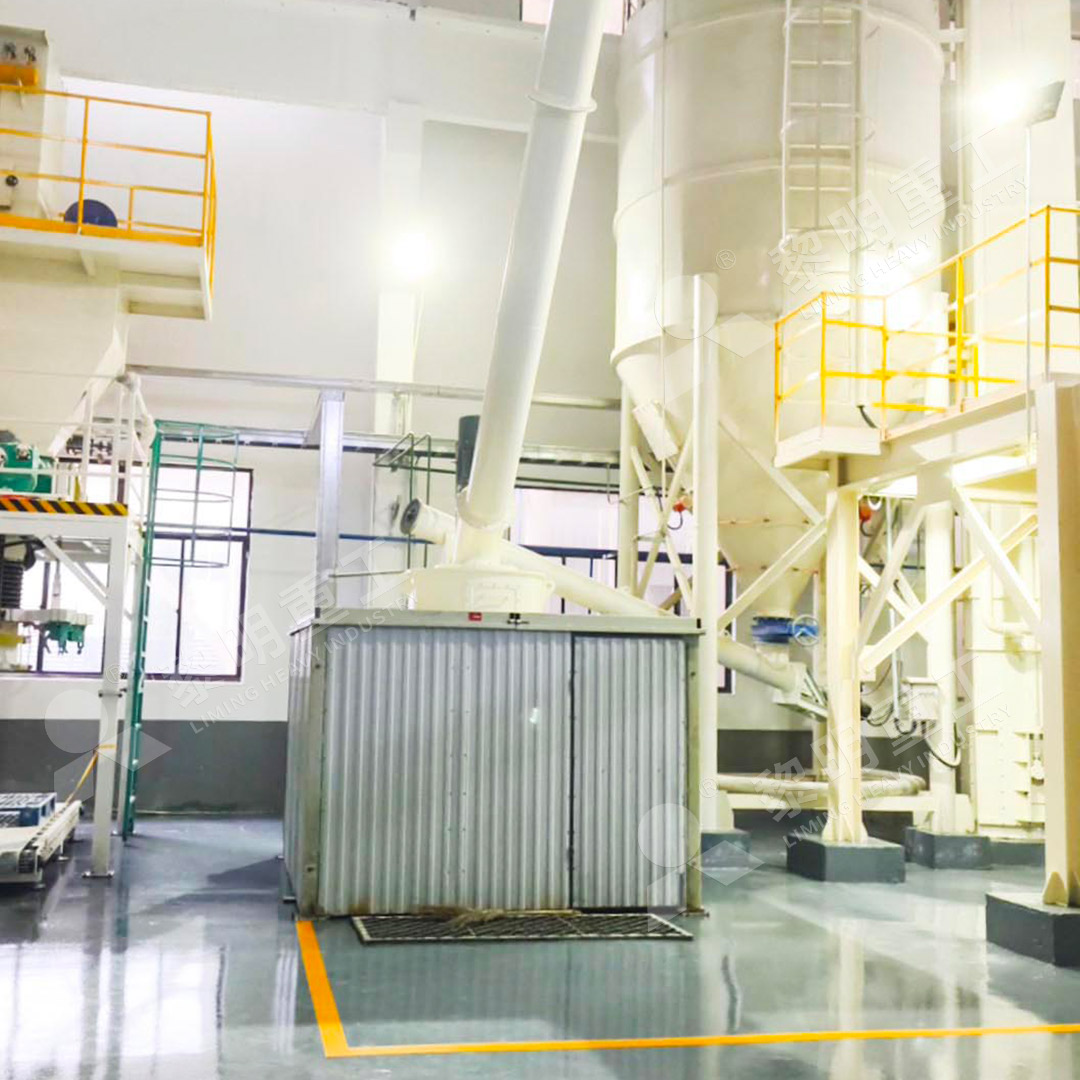
For larger operations requiring higher capacity, the LUM Ultrafine Vertical Grinding Mill offers a compelling alternative. With an input size of 0-10 mm and a capacity range of 5-18 tph, this mill integrates ultrafine powder grinding, grading, and transporting into one efficient unit. It features the latest Taiwanese roller technology and German powder separating technology.
The LUM mill is particularly suited for cement plants that need to produce very fine products with a narrow particle size distribution. Its double position-limiting technology ensures stable operation, even under the vibration stress common in Tajikistan’s power grid. The reversible structure of the grinding roller makes maintenance quick and safe, reducing costly downtime. For a plant manager, the ability to maintain high throughput while achieving d97≤5μm quality is a significant competitive advantage.
Comparative Analysis: Which Mill Fits Your Operation?
| Parameter | MW Ultrafine Grinding Mill | LUM Ultrafine Vertical Mill |
|---|---|---|
| Input Size | 0-20 mm | 0-10 mm |
| Capacity | 0.5-25 tph | 5-18 tph |
| Fineness Range | 325-2500 mesh | 325-2500 mesh |
| Ideal Application | Small to medium plants, specialty cements | Medium to large plants, high-volume production |
Operational Considerations for Tajikistan
Power Quality: Both the MW and LUM mills are equipped with advanced control systems that can tolerate voltage variations. The digitalized processing ensures that even with minor power fluctuations, product quality remains consistent.
Dust Management: The pulse dust collectors on these mills are essential for meeting Tajikistan’s environmental standards. They also reduce product loss, improving overall yield.
Spare Parts Availability: LIMING ensures sufficient supply of original spare parts and offers technical services. For a plant in Tajikistan, having access to genuine parts and remote troubleshooting can minimize operational hiccups.
Conclusion: Investing in the Right Technology
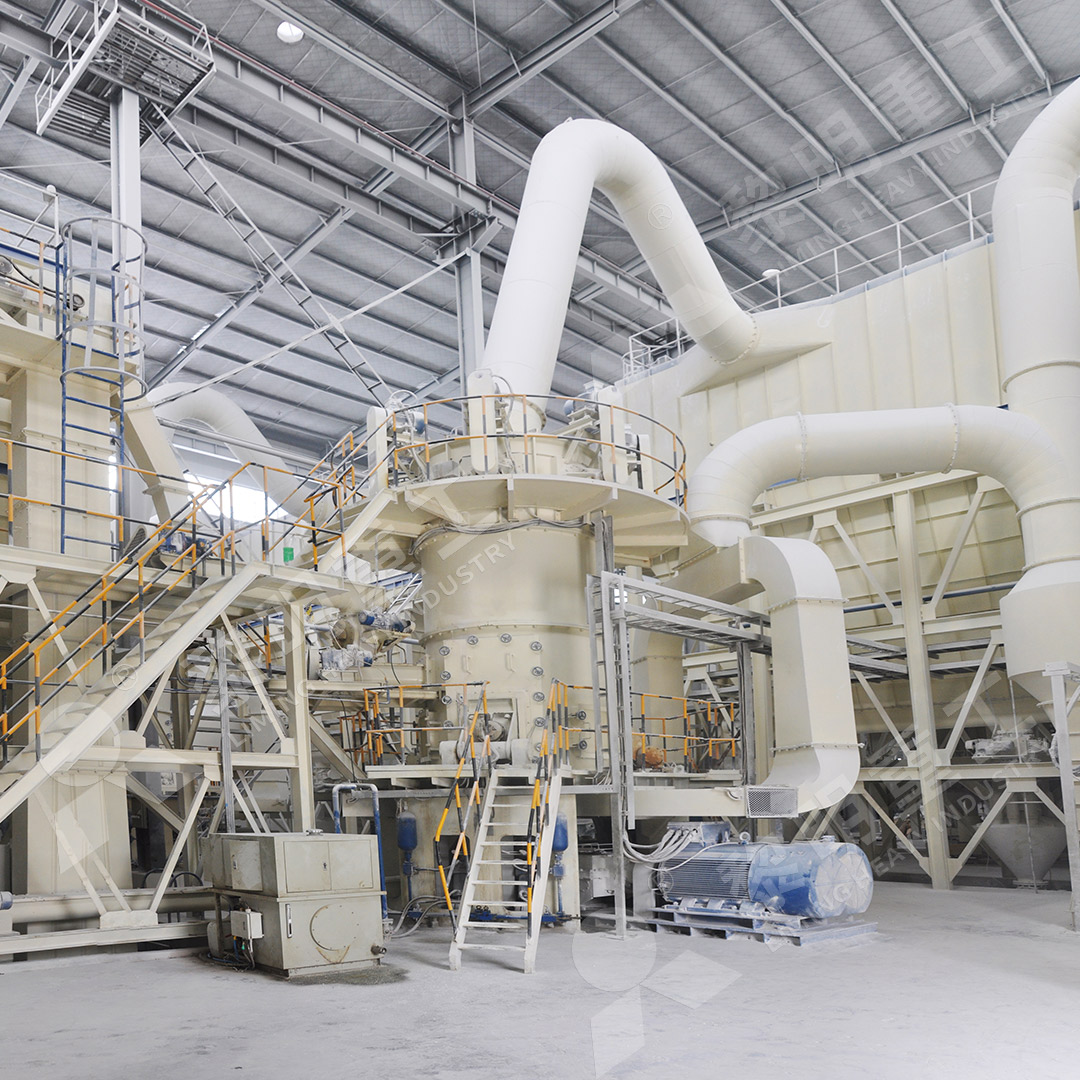
Choosing a grinding machine for cement clinker in Tajikistan is a strategic decision that affects production cost, product quality, and environmental compliance. The MW Ultrafine Grinding Mill offers unmatched flexibility and ultra-fine output for specialized products, while the LUM Ultrafine Vertical Grinding Mill delivers higher throughput with robust reliability. Both models incorporate modern dust control and low-energy features tailored to the realities of operating in a developing market. By investing in such technology, Tajikistani cement producers can meet local demand while positioning themselves for export opportunities in the region.
Frequently Asked Questions
- What is the recommended feed size for the MW Ultrafine Grinding Mill when grinding clinker?
The recommended input size is 0-20 mm. Clinker chunks larger than this should be pre-crushed using a jaw crusher or hammer crusher before feeding into the mill. - Can the LUM Ultrafine Vertical Mill handle materials with high moisture content?
Yes. The LUM mill integrates drying and grinding. Hot air can be introduced through the air intake to evaporate moisture during the grinding process, making it suitable for materials up to a certain humidity level. - How often do I need to replace the grinding roller and ring on these mills?
Wear life depends on the abrasiveness of the clinker and operational hours. Typically, the rollers and rings in LIMING mills last 1.7 to 2.5 times longer than those in conventional mills due to wear-resistant alloy materials. Regular inspection every 500 hours is recommended. - Does the mill require a specialized foundation?
Both the MW and LUM mills are designed with compact layouts. The elastic volute damping structure in some models reduces vibration transmission. A standard reinforced concrete foundation designed to the mill’s weight and dynamic load is generally sufficient. - What is the power consumption difference compared to a ball mill?
The MW Ultrafine Grinding Mill consumes about 30% of the energy of a jet mill and is more efficient than a ball mill. For clinker grinding, the system energy consumption can be 40-50% lower than a traditional ball mill system, depending on the target fineness. - Can I produce cement with a fineness of 2500 mesh using these mills?
Yes. Both the MW and LUM mills offer adjustable fineness from 325 to 2500 mesh. The multi-head cage-type powder selector ensures accurate separation, achieving d97≤5μm when configured properly. - What after-sales support does LIMING offer in Tajikistan?
LIMING provides full technical services, including online troubleshooting, spare parts supply, and on-site installation guidance. The company’s policy covers every machine produced, ensuring worry-free operation.