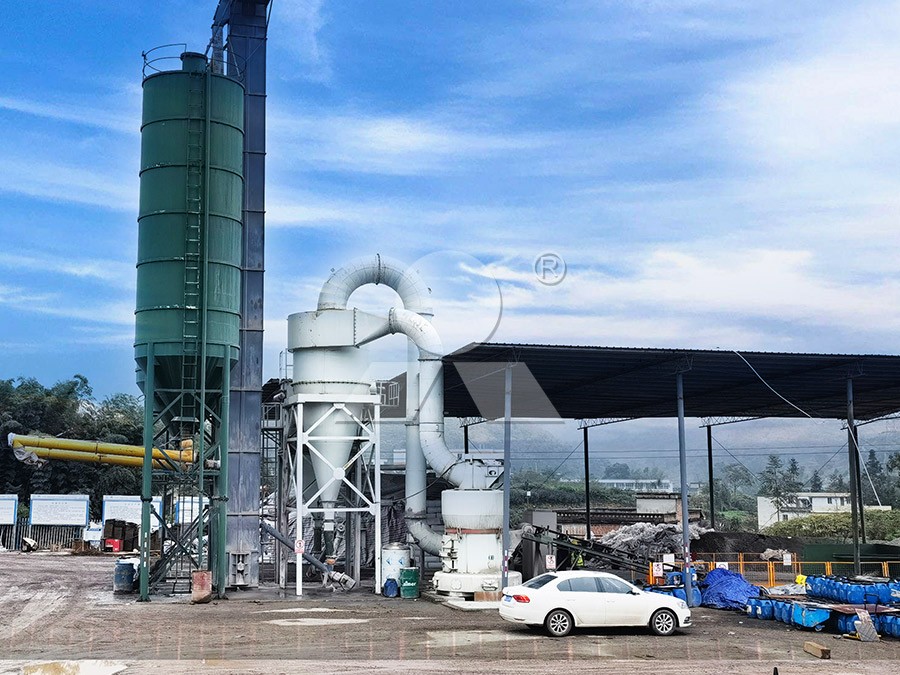
Usando máquina de moagem para clínquer de cimento para produção de cimento no Tajiquistão
Introdução: A crescente demanda por cimento no Tajiquistão
O sector da construção do Tajiquistão tem vindo a expandir-se de forma constante ao longo da última década, impulsionado por projetos de infraestrutura, construção de barragem hidrelétrica, e desenvolvimento urbano. Este crescimento criou um aumento correspondente na procura de cimento de alta qualidade. Para qualquer fábrica de cimento operando neste país da Ásia Central, a moagem do clínquer de cimento continua a ser a etapa mais crítica no processo de produção. É onde são determinadas as propriedades finais do cimento. Selecionar a retificadora certa não se trata apenas de capacidade; trata-se de equilibrar o consumo de energia, finura do produto, acessibilidade de manutenção, e confiabilidade operacional sob condições locais.
No Tajiquistão, onde os custos de energia podem ser um fator significativo e o pessoal de manutenção qualificado pode ser escasso, a escolha da tecnologia de moagem pode aumentar ou diminuir a lucratividade de uma planta. Moinhos de bolas tradicionais, embora familiar, muitas vezes ficam aquém da eficiência energética. Este artigo explora as considerações específicas para a moagem de clínquer no Tajiquistão e recomenda soluções modernas que proporcionam desempenho superior.
Por que a moagem de clínquer merece atenção especial
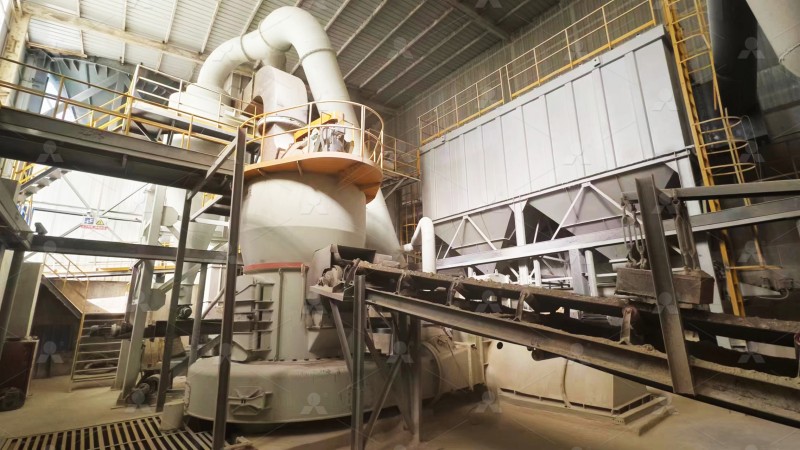
O clínquer de cimento é um material duro, material nodular produzido pela sinterização de calcário e argila. Moê-lo até formar um pó fino requer energia mecânica substancial. O processo consome aproximadamente 30-40% da energia elétrica total utilizada em uma fábrica de cimento. Portanto, qualquer melhoria na eficiência da moagem impacta diretamente os resultados financeiros. Além disso, a finura do cimento influencia sua taxa de hidratação e resistência final. Para projetos no Tajiquistão, que muitas vezes envolvem condições climáticas severas, qualidade consistente do cimento não é negociável.
Operadores no Tajiquistão enfrentam desafios únicos. A rede elétrica do país pode ser instável, com flutuações de tensão que sobrecarregam os motores elétricos. O controle de poeira também é uma grande preocupação, tanto para a conformidade ambiental quanto para a saúde da força de trabalho. Um moinho que possa lidar com essas condições e, ao mesmo tempo, oferecer alto rendimento é um ativo valioso.
Critérios-chave para selecionar um moinho de clínquer
Consumo de energia: Sendo a energia um importante impulsionador de custos, selecionar um moinho que minimize o uso de energia é fundamental. Moinhos de rolos verticais (VRMs) e moinhos ultrafinos geralmente consomem 30-50% menos energia que os moinhos de bolas tradicionais para o mesmo rendimento.
Finura do Produto: O cimento Portland padrão requer uma finura de cerca de 3500 cm²/g (Blaine). No entanto, para aplicações especiais ou desenvolvimento de força mais rápido, moagem mais fina pode ser necessária. Um moinho que oferece finura ajustável, idealmente entre 325 e 2500 malha, oferece flexibilidade para atender às diversas demandas do mercado.
Simplicidade de Manutenção: Em locais remotos, minimizar o tempo de inatividade é fundamental. Fresas com menos peças de desgaste, sistemas de lubrificação automática, e fácil acesso à câmara de moagem para substituição de rolos e camisas são preferidos.
Conformidade Ambiental: O Tajiquistão está a reforçar as suas regulamentações ambientais. Um sistema de moagem equipado com coletores de pó de pulso eficientes e operação de baixo ruído ajuda as plantas a atender padrões em evolução sem modernizações dispendiosas.
Solução recomendada: Moinho ultrafino MW para finura premium
Para produtores de cimento no Tajiquistão que pretendem produzir produtos de alto valor, cimento ultrafino ou para complementar sua capacidade de moagem existente, o Moinho de moagem ultrafino MW da LIMING é uma excelente escolha. Esta máquina foi projetada para clientes que precisam fazer pó ultrafino com qualidade consistente.
O moinho ultrafino MW aceita um tamanho de entrada de 0-20 mm e oferece uma capacidade de 0.5-25 tph. Sua faixa de finura ajustável de 325-2500 A malha o torna adequado para a produção de cimento padrão e produtos especializados, como cimento para poços de petróleo ou cimento branco. Uma característica marcante é a ausência de rolamentos e parafusos na câmara de moagem, que elimina pontos de falha comuns. O dispositivo de lubrificação externa permite a manutenção sem desligamento, mantendo a produção funcionando 24/7. Equipado com um coletor de pó pulsado e silenciador de alta eficiência, esta fábrica opera de forma limpa, atendendo aos padrões ambientais esperados nas modernas fábricas do Tajiquistão.
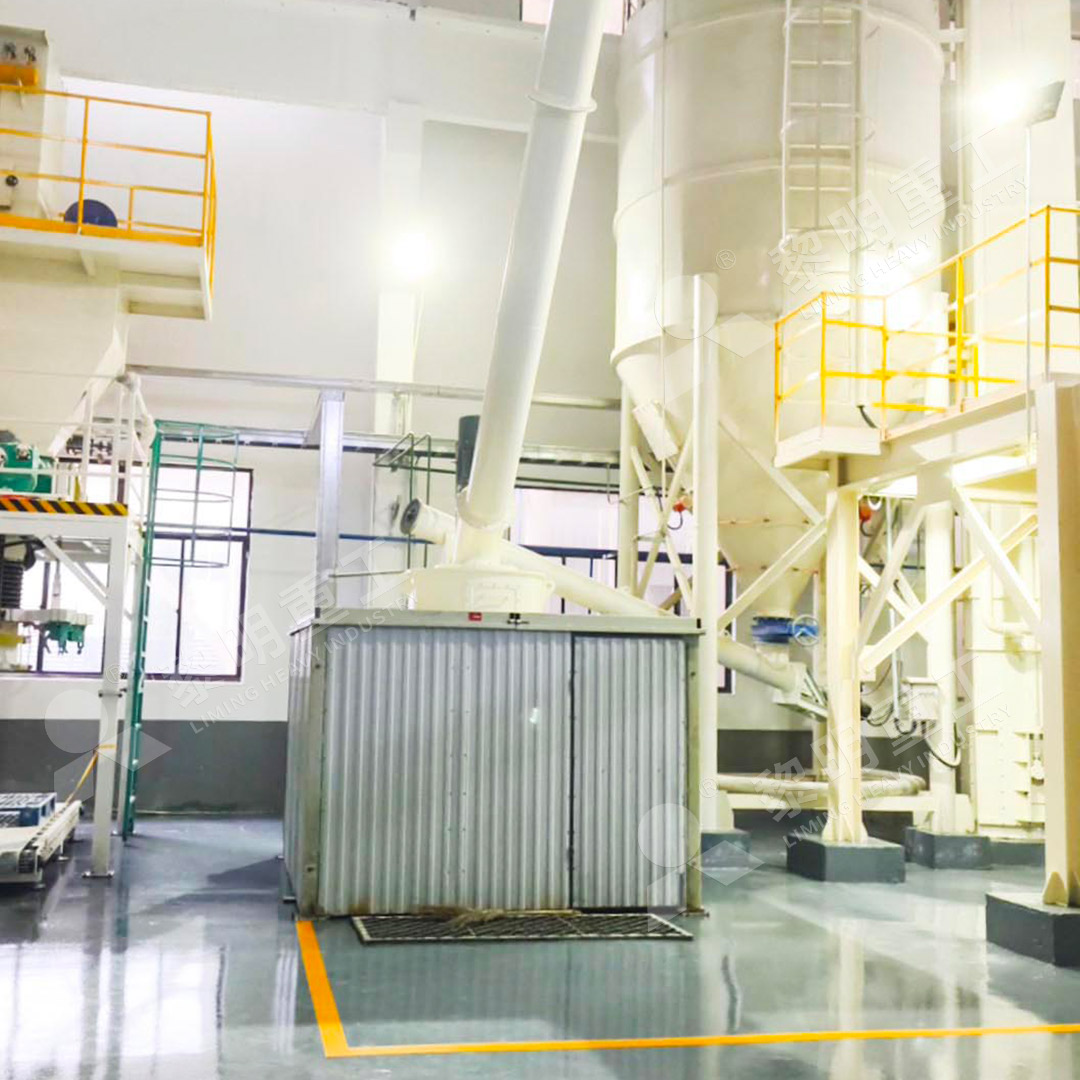
Alternativa: Moinho de moagem vertical ultrafino LUM para maior rendimento
Para operações maiores que exigem maior capacidade, o Moinho vertical ultrafino LUM oferece uma alternativa atraente. Com um tamanho de entrada de 0-10 mm e uma faixa de capacidade de 5-18 tph, este moinho integra moagem de pó ultrafino, classificação, e transportando em uma unidade eficiente. Possui a mais recente tecnologia de rolos de Taiwan e tecnologia alemã de separação de pó.
O moinho LUM é particularmente adequado para fábricas de cimento que precisam produzir produtos muito finos com uma distribuição estreita de tamanho de partículas. Sua tecnologia dupla de limitação de posição garante uma operação estável, mesmo sob o estresse vibratório comum na rede elétrica do Tajiquistão. A estrutura reversível do rolo de moagem torna a manutenção rápida e segura, reduzindo o tempo de inatividade dispendioso. Para um gerente de fábrica, a capacidade de manter um alto rendimento e ao mesmo tempo atingir a qualidade d97≤5μm é uma vantagem competitiva significativa.
Análise Comparativa: Qual moinho se adapta à sua operação?
| Parâmetro | Moinho de moagem ultrafino MW | Moinho vertical ultrafino LUM |
|---|---|---|
| Tamanho de entrada | 0-20 milímetros | 0-10 milímetros |
| Capacidade | 0.5-25 tph | 5-18 tph |
| Faixa de finura | 325-2500 malha | 325-2500 malha |
| Aplicação ideal | Plantas pequenas e médias, cimentos especiais | Plantas de médio a grande porte, produção em alto volume |
Considerações Operacionais para o Tajiquistão
Qualidade de energia: Tanto os moinhos MW como os LUM estão equipados com sistemas de controle avançados que podem tolerar variações de tensão. O processamento digitalizado garante que mesmo com pequenas flutuações de energia, a qualidade do produto permanece consistente.
Gerenciamento de poeira: Os coletores de pó pulsados nesses moinhos são essenciais para atender aos padrões ambientais do Tadjiquistão. Eles também reduzem a perda de produto, melhorando o rendimento geral.
Disponibilidade de peças sobressalentes: A LIMING garante fornecimento suficiente de peças de reposição originais e oferece serviços técnicos. Para uma fábrica no Tajiquistão, ter acesso a peças originais e solução de problemas remota pode minimizar problemas operacionais.
Conclusão: Investindo na tecnologia certa
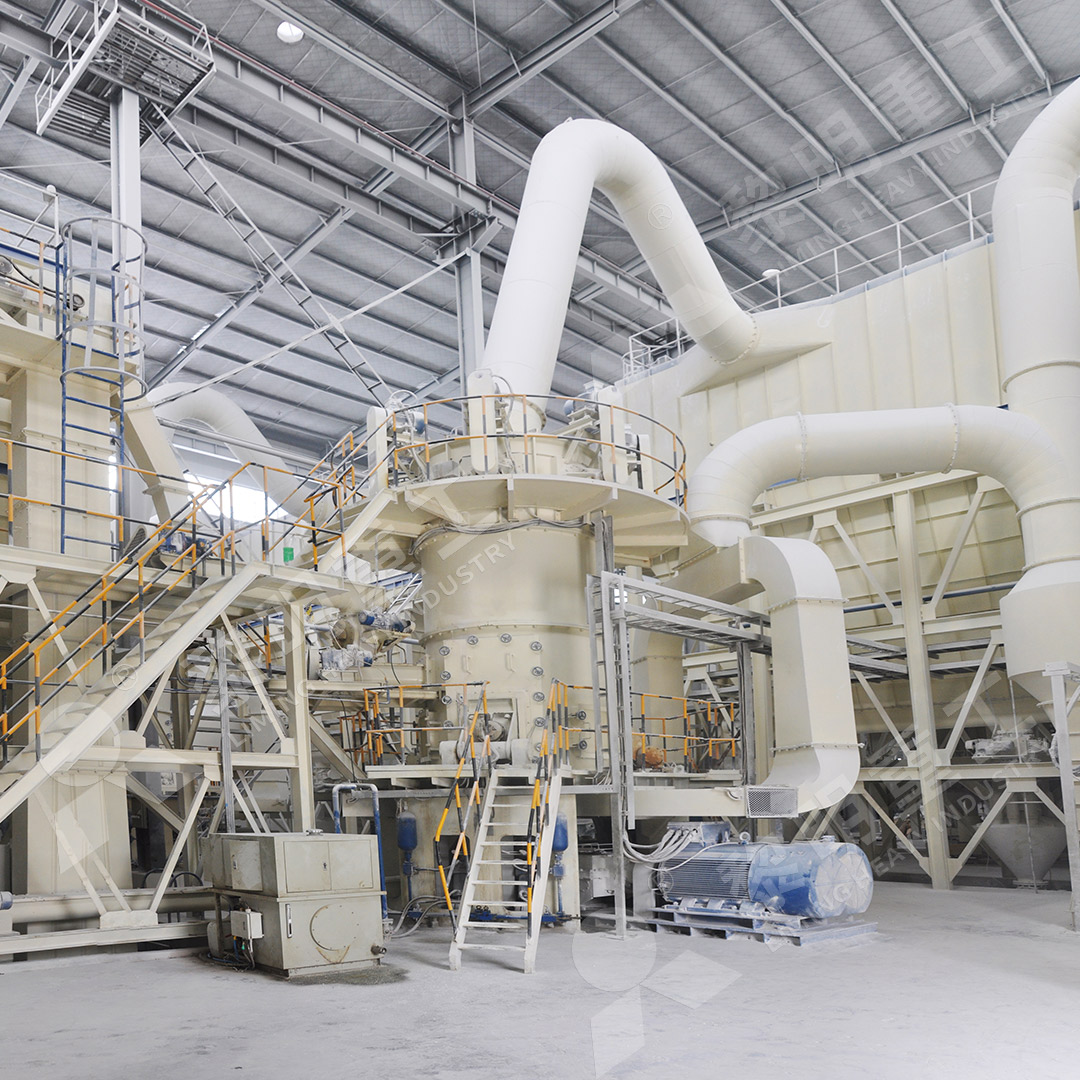
Escolher uma trituradora para clínquer de cimento no Tajiquistão é uma decisão estratégica que afeta o custo de produção, qualidade do produto, e conformidade ambiental. O moinho ultrafino MW oferece flexibilidade incomparável e produção ultrafina para produtos especializados, enquanto o moinho vertical ultrafino LUM oferece maior rendimento com confiabilidade robusta. Ambos os modelos incorporam controle moderno de poeira e recursos de baixo consumo de energia adaptados às realidades de operação em um mercado em desenvolvimento. Ao investir nessa tecnologia, Os produtores de cimento do Tajiquistão podem satisfazer a procura local e, ao mesmo tempo, posicionar-se para oportunidades de exportação na região.
Perguntas frequentes
- Qual é o tamanho de alimentação recomendado para o moinho ultrafino MW ao moer clínquer?
O tamanho de entrada recomendado é 0-20 milímetros. Pedaços de clínquer maiores que isso devem ser pré-triturados usando um britador de mandíbula ou um britador de martelo antes de serem alimentados no moinho. - O moinho vertical ultrafino LUM pode lidar com materiais com alto teor de umidade?
Sim. O moinho LUM integra secagem e moagem. O ar quente pode ser introduzido através da entrada de ar para evaporar a umidade durante o processo de moagem, tornando-o adequado para materiais até um determinado nível de umidade. - Com que frequência preciso substituir o rolo e o anel de moagem nesses moinhos?
A vida útil depende da abrasividade do clínquer e das horas de operação. Tipicamente, os rolos e anéis nos moinhos de calagem duram 1.7 para 2.5 vezes mais longo do que aqueles em moinhos convencionais devido aos materiais de liga resistentes ao desgaste. Inspeção regular a cada 500 horas é recomendado. - A fábrica requer uma fundação especializada?
Os moinhos MW e LUM são projetados com layouts compactos. A estrutura de amortecimento em voluta elástica em alguns modelos reduz a transmissão de vibrações. Uma fundação de concreto armado padrão projetada para o peso e a carga dinâmica do moinho é geralmente suficiente. - Qual é a diferença no consumo de energia em comparação com um moinho de bolas?
O moinho ultrafino MW consome cerca de 30% da energia de um moinho a jato e é mais eficiente que um moinho de bolas. Para moagem de clínquer, o consumo de energia do sistema pode ser 40-50% menor do que um sistema tradicional de moinho de bolas, dependendo da finura alvo. - Posso produzir cimento com finura de 2500 malha usando esses moinhos?
Sim. Ambos os moinhos MW e LUM oferecem finura ajustável de 325 para 2500 malha. O seletor de pó tipo gaiola com múltiplas cabeças garante uma separação precisa, alcançando d97≤5μm quando configurado corretamente. - Que suporte pós-venda a LIMING oferece no Tajiquistão?
A LIMING fornece serviços técnicos completos, incluindo solução de problemas on-line, fornecimento de peças de reposição, e orientação de instalação no local. A política da empresa cobre todas as máquinas produzidas, garantindo uma operação sem preocupações.