
How to optimize cement raw materials processing with grinding mill for cement manufacturing in libya
Understanding the challenges of cement raw material grinding in libya
Cement manufacturing in Libya faces unique operational hurdles. The raw materials, primarily limestone, clay, and gypsum, often arrive with varying moisture levels and particle sizes. Many plants grapple with aging equipment that struggles to maintain consistent fineness while keeping energy costs under control. Furthermore, the harsh desert environment accelerates wear on mechanical parts, leading to frequent shutdowns. To stay competitive, Libyan cement producers must adopt grinding technologies that deliver high throughput, low energy consumption, and reliable performance under demanding conditions.
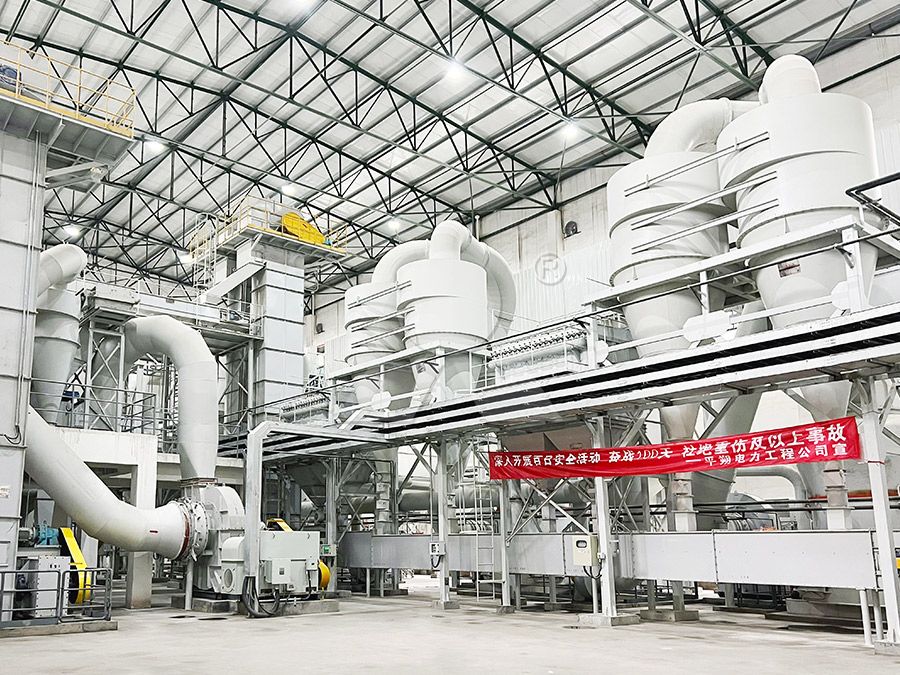
Key factors for efficient raw material processing
Optimization starts with understanding the material characteristics. For cement raw mix, typical target fineness ranges from 80 to 120 microns, with a specific surface area around 300 to 350 m²/kg. The grinding mill must handle feed sizes up to 70 mm while achieving these specs without excessive re-circulation. Drying capacity is another critical factor, especially when processing damp limestone. Integrated drying within the mill eliminates the need for separate dryers, cutting both capital expenses and energy waste. Lastly, ease of maintenance cannot be overlooked. In remote Libyan sites, quick access to wear parts and simple lubrication systems directly impact uptime.
Selecting the right grinding mill for cement raw mix
Among the available options, vertical roller mills have proven most effective for cement raw material grinding. They combine crushing, grinding, drying, and classifying in a single unit, which simplifies plant layout and reduces footprint. For Libyan operations, the LM Vertical Grinding Mill stands out as a robust solution. With an input size capacity of 0–70 mm and throughput ranging from 3 to 340 tph, it handles the full spectrum of raw material preparation. Its integrated system cuts occupational area by 50% compared to ball mills and reduces energy consumption by 30% to 40%. The mill operates under negative pressure, which prevents dust spillage—a significant advantage for meeting environmental standards. Additionally, the grinding roller and millstone do not contact directly, minimizing iron contamination and preserving the whiteness of the finished powder.
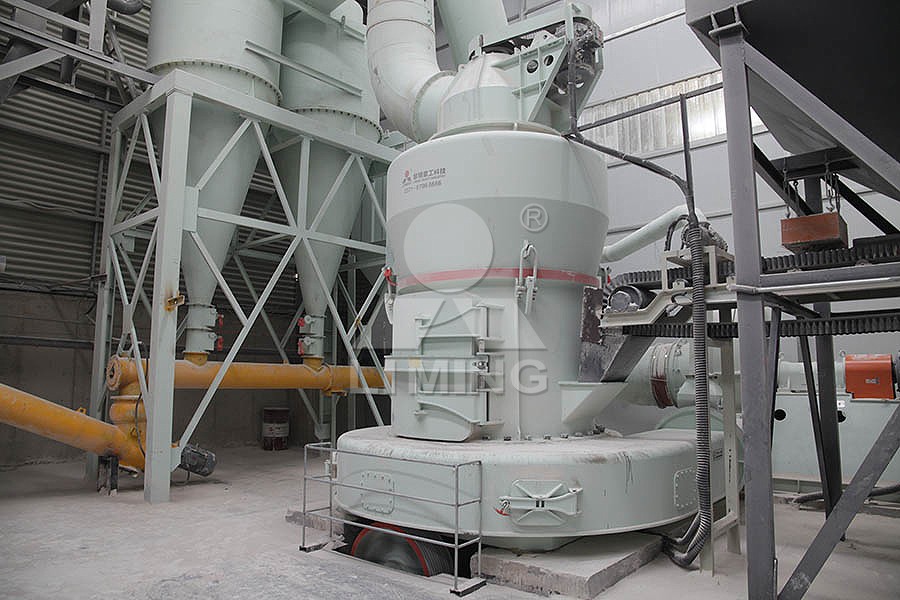
For operations requiring ultra-fine product or specialized raw mixes, the LUM Ultrafine Vertical Grinding Mill offers a compelling alternative. It accepts feed sizes up to 10 mm and delivers capacities of 5 to 18 tph with fineness adjustable between 325 and 2500 mesh. This mill employs Taiwan grinding roller technology and German powder separating technology, ensuring precise particle size control. Its double position-limiting technology prevents destructive vibration, which is particularly valuable in seismic-prone regions. The reversible structure allows operators to swing out the heavy grinding roller for maintenance within minutes, drastically reducing downtime.
Process optimization strategies for Libyan cement plants
Beyond equipment selection, operational practices drive optimization. First, maintain a consistent moisture content in the feed by pre-drying or blending materials. Fluctuating moisture causes instability in the grinding bed and forces the mill to work harder. Second, adjust the classifier speed to match the desired fineness without over-grinding. Modern mills like the LM series have expert-level automatic control systems that allow operators to switch between remote and local control, fine-tuning parameters in real time. Third, monitor the grinding pressure and roller wear regularly. Worn rollers increase energy consumption and reduce throughput. Using wear-resistant alloy components, such as those developed by LIMING in collaboration with scientific institutes, can extend service life by 1.7 to 2.5 times compared to traditional high-manganese steel parts.
Addressing environmental and maintenance concerns
Libyan environmental regulations are tightening, especially around dust emissions and noise. The LM Vertical Grinding Mill is sealed and operates under negative pressure, so dust does not escape. It also produces low noise due to stable operation and small vibration. For plants that need even quieter operation, the MW Ultrafine Grinding Mill comes equipped with silencers and noise elimination rooms. On the maintenance front, digitalized processing ensures high precision for core parts. LIMING uses numerical control machines for cutting, bending, planing, and milling, which guarantees interchangeability of spares. The company also provides original spare parts and technical services to keep mills running worry-free.
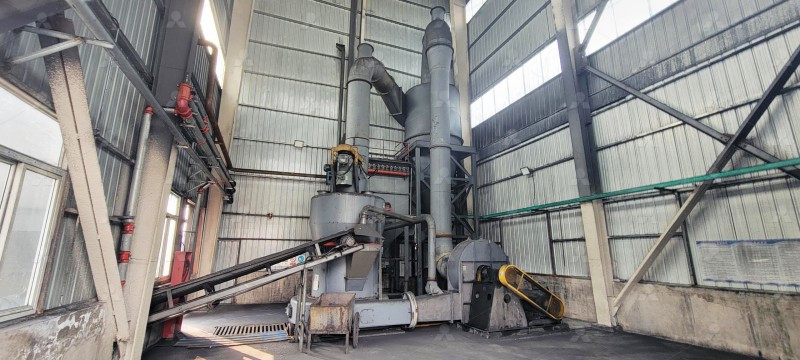
Cost-benefit analysis of upgrading to modern mills
Upgrading from a ball mill to a vertical roller mill represents a significant capital outlay, but the returns are compelling. Energy savings alone can reach 40%, which translates to hundreds of thousands of dollars annually in a typical 2000 tpd cement line. Reduced downtime due to longer wear life and easier maintenance adds further savings. The LM Mill’s ability to arrange outdoors and its compact layout reduce civil construction costs. Many Libyan operators have reported payback periods of under two years after installation. Moreover, the consistent product quality from modern mills improves clinker burnability, leading to lower fuel consumption in the kiln.
Conclusion
Optimizing cement raw materials processing in Libya demands a holistic approach: choose a mill that matches your feed characteristics and capacity needs, automate controls for consistent operation, and invest in wear-resistant parts to survive the desert environment. The LM Vertical Grinding Mill and LUM Ultrafine Vertical Grinding Mill from LIMING are proven solutions that address these requirements head-on. By integrating drying, grinding, and classifying, they reduce complexity and energy use while boosting throughput. For any Libyan cement producer aiming to lower costs and improve product quality, these mills represent the future of raw material processing.

Frequently Asked Questions
- What is the typical feed size for cement raw materials in a vertical roller mill?
Most vertical roller mills, like the LM series, accept feed sizes up to 70 mm. For ultra-fine applications, the LUM mill handles up to 10 mm. - How much energy can I save by switching from a ball mill to a vertical mill?
Energy savings typically range from 30% to 50%, depending on the material and fineness requirements. - Can these mills handle high-moisture raw materials like wet limestone?
Yes, vertical mills integrate drying within the grinding chamber. Hot air from the system dries the material as it is ground. - What maintenance is required for the grinding rollers?
Roller shells wear over time and need replacement depending on throughput and material abrasiveness. The reversible design of the LUM mill allows quick turn-out for inspection. - Is it difficult to adjust the fineness of the finished product?
No. Modern mills have adjustable classifier rotors. Changing the rotor speed directly controls the particle size without stopping the mill. - Do these mills produce a lot of dust?
No. The system operates under negative pressure and is sealed. Pulse dust collectors capture any fine particles, keeping emissions well below international standards. - What spare parts should I keep in stock for a vertical mill?
Key spares include grinding roller shells, millstone liners, classifier blades, and seals. LIMING offers original parts tailored to each model. - How long does it take to install a medium-sized vertical mill in Libya?
Installation typically takes 3 to 6 months, depending on site preparation and logistics. LIMING provides on-site technical supervision. - Can the same mill be used for both raw mix and coal grinding?
While the LM Vertical Coal Mill is dedicated to coal, the LM Vertical Grinding Mill can process raw mix. Separate mills are recommended to avoid cross-contamination. - What is the warranty period for LIMING grinding mills?
LIMING offers a standard warranty of one year for the main equipment, with extended options available. The company also provides lifelong technical support.