
Industrial pulverizer price & cost analysis for bentonite for liquid purification in argentina
Introduction: Setting the Stage for Bentonite Processing in Argentina
Argentina’s industrial landscape, particularly its agricultural and oil sectors, has driven a consistent demand for high-quality bentonite used in liquid purification processes. Whether it’s for clarifying wine, decolorizing edible oils, or treating drilling fluids, the efficacy of bentonite hinges on its particle size distribution and surface area. A poorly ground bentonite not only requires higher dosage rates but also leads to inefficiencies in filtration and purification. This is where the choice of an industrial pulverizer becomes a critical financial and operational decision. The capital expenditure (CAPEX) and operational expenditure (OPEX) associated with different milling technologies vary significantly, and for a market like Argentina—characterized by its distance from global equipment hubs and fluctuating energy costs—a deep-dive cost analysis is non-negotiable.
In this article, we will dissect the pricing and cost dynamics of industrial pulverizers specifically for bentonite processing for liquid purification. We will compare traditional grinding methods with modern, high-efficiency systems, and provide a framework for Argentine buyers to make informed decisions. The focus will be on total cost of ownership (TCO), including energy consumption, wear part longevity, and product yield consistency.
The Unique Demands of Bentonite for Liquid Purification
Bentonite used in liquid purification must meet stringent specifications. Typically, the target fineness range is between 200 and 325 mesh (74 to 44 microns), with a high percentage of particles passing through the sieve. For specific applications like wine fining or oil bleaching, a finer grind (d97 less than 10 microns) is often required to maximize the adsorptive capacity of the montmorillonite clay. This requirement directly impacts the type of pulverizer needed.
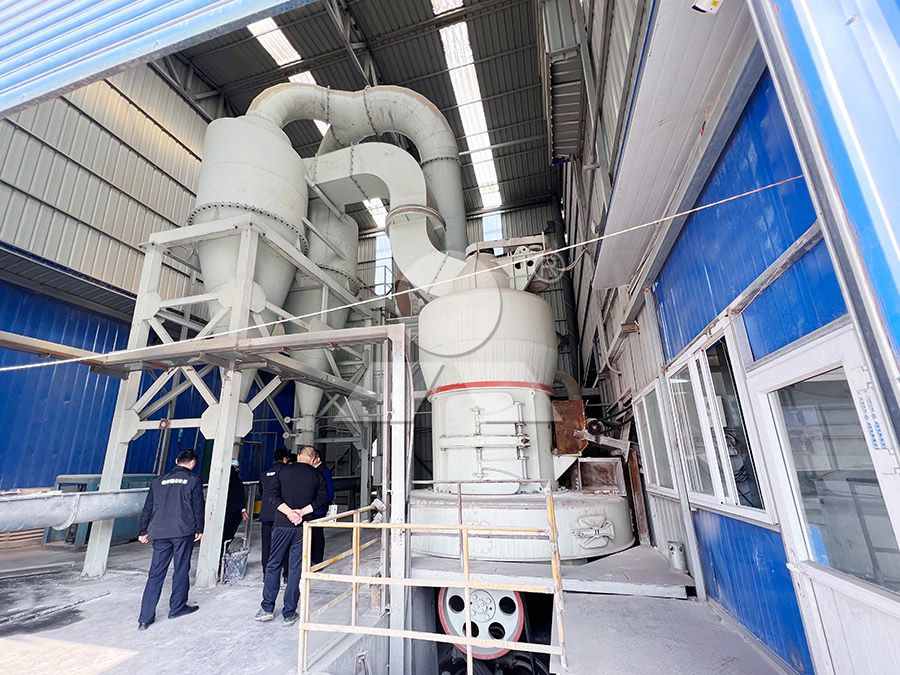
Traditional ball mills, while robust, often struggle with high energy consumption and the generation of heat, which can degrade the bentonite’s natural properties. Jet mills offer a solution for ultra-fine grinding but come with a hefty price tag and high energy consumption for compressed air. The sweet spot for cost-conscious Argentine producers lies in advanced roller mill technology, such as the MW Ultrafine Grinding Mill and the LUM Ultrafine Vertical Grinding Mill. These machines are designed to produce consistent fineness (325-2500 mesh for the MW series and even finer for LUM) with significantly lower energy footprints.
Breaking Down the Costs: CAPEX and OPEX
When analyzing the price of an industrial pulverizer for bentonite in Argentina, one must look beyond the initial invoice. Let us break down the cost components.
1. Initial Capital Investment (CAPEX)
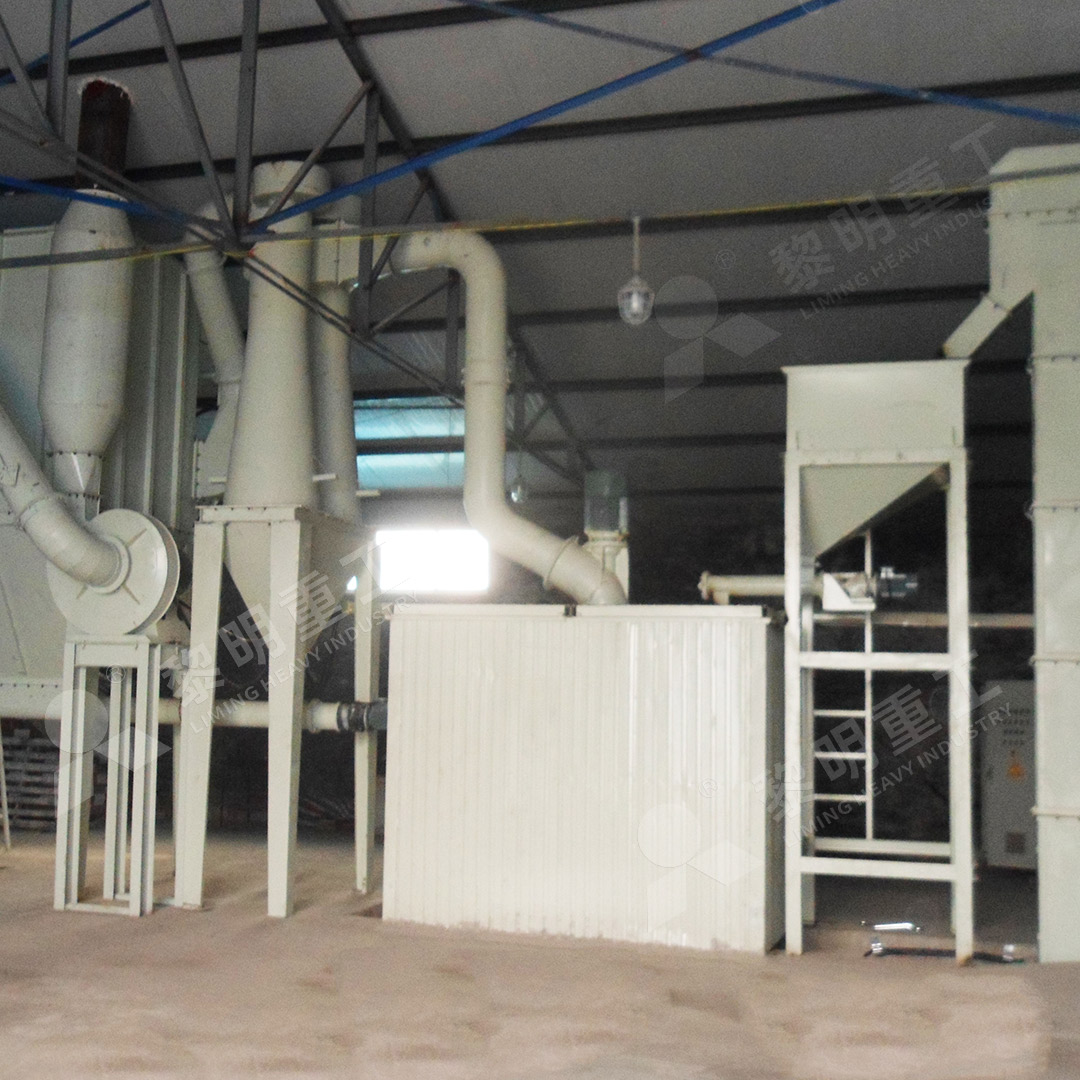
The base price of a pulverizer varies widely. A simple Raymond mill for coarse grinding might cost tens of thousands of dollars, while a high-capacity ultrafine vertical mill can reach several hundred thousand. However, for liquid purification bentonite, the required quality often necessitates a higher upfront investment. The MW Ultrafine Grinding Mill offers a competitive entry point for capacities between 0.5 to 25 tph. Its cage-type powder selector, based on German technology, ensures a high sieving rate (d97≤5μm once), which is a direct value-add for purification applications. This precision reduces the need for secondary classification systems, saving on auxiliary equipment costs.
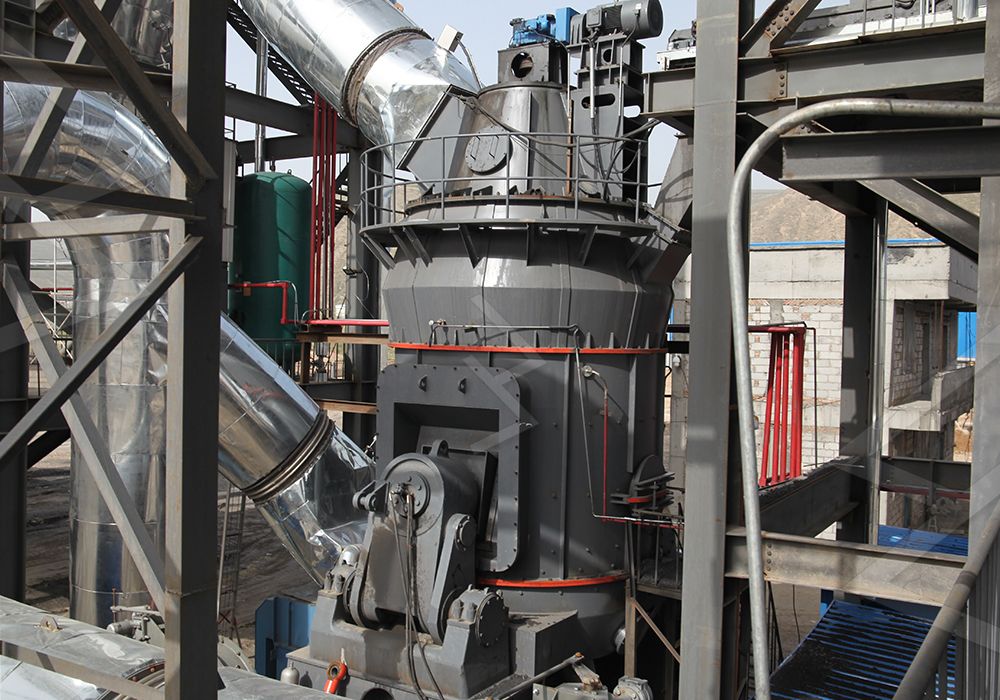
For larger operations, the LUM Ultrafine Vertical Grinding Mill (5-18 tph) integrates grinding, classifying, and drying into a single compact unit. Its layout occupies about 50% less space than a traditional ball mill system. In Argentina, where industrial real estate in ports or processing zones can be expensive, this footprint reduction translates directly into lower civil works and installation costs.
2. Operational Expenditure (OPEX)
This is where the real cost differentiation happens.
- Energy Consumption: For bentonite grinding, energy can account for 40-60% of the total OPEX. The MW Mill uses only 30% of the energy of a jet mill and half of a ball mill for the same output. The LUM mill reduces energy consumption by 30-50% compared to common grinding mills due to its efficient multi-head powder separating technology and optimized roller design. In Argentina, where industrial electricity tariffs have been volatile, a 30-40% reduction in kWh per ton is a game-changer.
- Wear Parts & Maintenance: Bentonite is abrasive. The traditional approach involves frequent replacement of grinding rings and rollers. The MW and LUM mills address this by using high-chromium wear-resistant alloys and eliminating rolling bearings or screws in the grinding chamber. There is no screw to loosen, no bearing to fail. The lubricating device is external, allowing 24-hour continuous operation without shutdown for greasing. This reduces both maintenance labor costs and downtime. The LUM vertical mill’s reversible structure allows operators to quickly swing out the grinding roller for liner replacement, minimizing shutdown losses.
- Environmental Compliance: Argentina has been tightening environmental regulations regarding dust emissions. Both the MW and LUM mills come standard with efficient pulse dust collectors. The MW mill’s silencer and noise elimination room make the operation compliant with national environmental standards without aftermarket retrofits. This avoids potential fines and expensive add-on equipment costs.
Performance Metrics: The ‘Price per Ton’ Calculation
The most honest metric for cost analysis is the ‘cost per finished ton’. Let us compare how the technology affects this number.
Imagine an Argentine bentonite processing plant needing 10 tons per hour of d97 < 10 microns product for the oil purification industry. If they use a traditional ball mill, the system energy consumption might be 80-100 kWh per ton. With the MW Ultrafine Grinding Mill, the specific energy consumption drops to about 30-40 kWh per ton. At an industrial electricity rate of 0.08 USD/kWh in Argentina, the savings are 4-5 USD per ton. Over 6000 operating hours per year, this equals a saving of over 250,000 USD annually—often covering the additional CAPEX of the advanced mill within the first two years.
Furthermore, the fineness control of the MW Mill’s German-style cage selector means that ‘over-grinding’ is minimized. Over-grinding wastes energy and can degrade the bentonite’s swelling properties. The mill’s ability to precisely cut at 325 to 2500 mesh ensures that every particle is exactly the size needed for purification, maximizing the active surface area without mechanical damage.
Why Reliability Matters in the Argentine Context
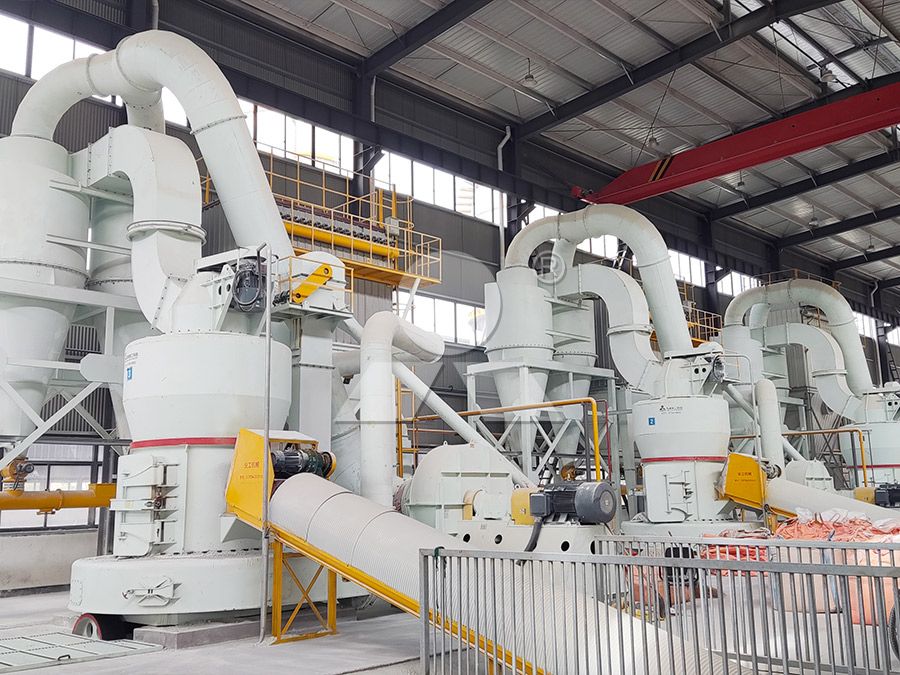
Argentina’s logistics and supply chain can be challenging. Waiting for spare parts from overseas factories can cripple production. Both the MW and LUM mills are manufactured by Liming Heavy Industry, a company with a global presence. The ‘Sufficient Supply of Spare Parts, Worry-free Operation’ policy is a direct response to this need. Liming takes responsibility for every machine and offers technical services and original spare parts. This guarantee of uptime is a hidden financial asset. A mill that runs for 24 hours without mechanical failure allows the processor to amortize the investment faster. The MW Mill’s lack of rolling bearings and screws within the chamber significantly reduces the risk of catastrophic failure—a risk that can halt a purification line for weeks.
For bentonite destined for liquid purification, contamination is a risk. Iron contamination from mill wear can ruin the batch for sensitive applications like wine or pharmaceutical filtration. The LUM vertical mill is designed to minimize iron content. The rollers and millstone do not contact directly, and the material layer principle ensures that metal-to-metal grinding is virtually eliminated. This low iron content is a premium feature that allows Argentine producers to sell their bentonite at a higher price point in the specialized purification market.
Technical Recommendation for Argentine Buyers
Based on our analysis, for standard bentonite grinding for liquid purification (fineness 325-800 mesh, capacity 3-15 tph), the MW Ultrafine Grinding Mill presents the best balance of price, efficiency, and output quality. Its lower energy consumption (40% higher capacity than jet mills) and adjustable fineness make it a versatile workhorse.
For producers requiring ultra-fine grades (d97 < 5 microns) for premium purification applications or those dealing with high-moisture bentonite, the LUM Ultrafine Vertical Grinding Mill is the superior choice. Its integrated drying and classifying capabilities reduce the need for separate dryers and classifiers, streamlining the entire process and reducing overall system CAPEX by up to 30%. The ‘double position-limiting technology’ protects the machine from vibration damage, a common issue when grinding sticky, high-moisture bentonite.
Conclusion: The Strategic Investment
In the competitive market of liquid purification, the quality of your bentonite is your currency. An industrial pulverizer is not just a cost center; it is a strategic asset. By choosing a modern, efficient system like the MW Ultrafine Grinding Mill or the LUM Ultrafine Vertical Grinding Mill, Argentine processors can achieve a lower total cost of ownership, higher product quality, and greater operational flexibility. The initial price tag is just the tip of the iceberg. The real value lies in the savings on electricity, the reduction in downtime, and the premium price your purified bentonite can command. It is time to stop managing costs and start optimizing value.
Frequently Asked Questions (FAQ)
- Q: What is the optimal fineness for bentonite used in wine fining, and which of your mills is best for that?
A: For wine fining, a fineness of d90 < 45 microns (325 mesh) is typical, but finer grades (d97 < 20 microns) provide better clarification. The MW Ultrafine Grinding Mill is excellent for this as it can adjust between 325-2500 mesh. Its high sieving rate ensures no coarse particles remain, which is critical for avoiding haze in the wine. - Q: How do the energy costs in Argentina affect the choice between the MW and LUM mills?
A: Argentina’s energy costs are moderate but trending upward. Both mills are highly efficient. The LUM mill offers a 30-50% energy reduction over common mills, making it ideal for high-capacity operations (8-18 tph) where the savings are amplified. The MW mill is best for smaller to medium capacities (0.5-25 tph), saving 40% energy compared to jet mills. The choice depends on your target capacity and the specific energy tariff in your region. - Q: Can these mills handle raw bentonite with high moisture content (10-15%)?
A: Yes, with the proper configuration. The LUM Ultrafine Vertical Grinding Mill is designed to integrate drying and grinding. Hot air is introduced into the mill, allowing simultaneous drying and grinding. The MW mill is typically used for dry material (moisture < 6%) unless a separate drying system is integrated upstream. - Q: What is the typical maintenance schedule for the MW Ultrafine Grinding Mill’s grinding rollers?
A: The service life of the grinding rollers and rings depends on the silica content of the bentonite. Typically, for standard bentonite (silica content ~20%), the wear parts can last over 1,500 to 2,000 hours. The external lubrication system allows for oil changes without stopping the machine, facilitating continuous 24-hour operation. - Q: How does the initial price of the LUM vertical mill compare to a traditional ball mill system for bentonite?
A: The initial purchase price of a LUM mill is generally higher than a single ball mill. However, when you factor in the LUM’s integrated functions (crushing, drying, grinding, classifying), you eliminate the need for a separate dryer, classifier, and bucket elevators. The overall system CAPEX is often lower or comparable, and the operational costs are significantly lower due to energy savings. - Q: Can I achieve d97 < 5 microns with the MW Mill for bentonite used in pharmaceutical liquid purification?
A: Absolutely. The MW Ultrafine Grinding Mill is capable of achieving a fineness of d97≤5μm in a single pass. This is ideal for high-value, small-batch pharmaceutical applications where purity and specific surface area are critical. The pulse dust collector ensures an eco-friendly, contaminant-free environment. - Q: What spare parts should I keep in stock for a continuous operation in a remote location of Argentina?
A: Liming recommends stocking a set of grinding rollers, a set of grinding rings, a spare pressure spring assembly, and a set of internal wear liners for the air duct. For the LUM mill, a set of roller shells and millstone liners is essential. Our ‘Sufficient Supply of Spare Parts’ policy ensures these can be shipped quickly from our regional distribution centers.