
How to optimize cement clinker processing with grinding machine for concrete manufacturing in morocco
Understanding the Moroccan cement and concrete landscape
Morocco’s construction sector has seen steady growth, driven by infrastructure projects and housing demand. Cement clinker processing is at the heart of concrete manufacturing, and the choice of grinding equipment directly impacts production costs, product quality, and environmental compliance. Local producers face challenges like energy costs, raw material variability, and stricter emission standards. Optimizing clinker grinding is not just about throughput; it is about consistent fineness, lower power consumption, and minimal maintenance downtime. Traditional ball mills, while common, often fall short in efficiency and product quality for modern concrete needs.
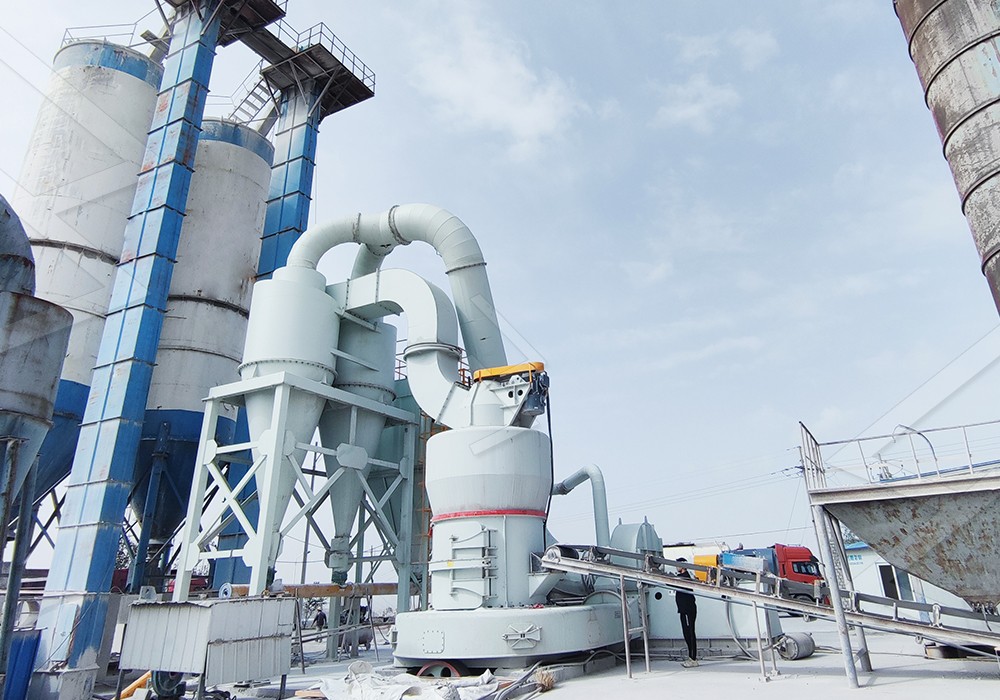
Key factors in clinker grinding optimization
To optimize cement clinker processing for concrete manufacturing in Morocco, several factors must be addressed. First, the moisture content of clinker and added gypsum must be controlled; excess moisture reduces grinding efficiency and causes material buildup. Second, the particle size distribution of the final cement affects concrete workability and strength. Third, energy consumption is a major cost driver. Grinding aids can help, but the machine itself must be designed for low energy per ton. Fourth, maintenance schedules must be predictable to avoid unplanned shutdowns. Finally, dust control is non-negotiable in Moroccan industrial zones, which are increasingly enforcing environmental standards.
Selecting the right grinding mill for Moroccan conditions
For a typical Moroccan operation handling clinker with additives like limestone or slag, a vertical roller mill (VRM) or an ultrafine grinding mill offers clear advantages over ball mills. The MW Ultrafine Grinding Mill from LIMING is particularly suited for applications where high fineness and low energy consumption are priorities. With an input size of 0-20 mm and capacity ranging from 0.5 to 25 tph, it can handle the varied feed sizes common in Moroccan plants. Its cage-type powder selector, based on German technology, allows adjustable fineness between 325 and 2500 mesh, which is ideal for producing high-quality cement for concrete. The absence of rolling bearings and screws in the grinding chamber means fewer mechanical failures, a real advantage in remote or high-temperature environments. Moreover, the efficient pulse dust collector ensures operation meets environmental standards without additional investment.
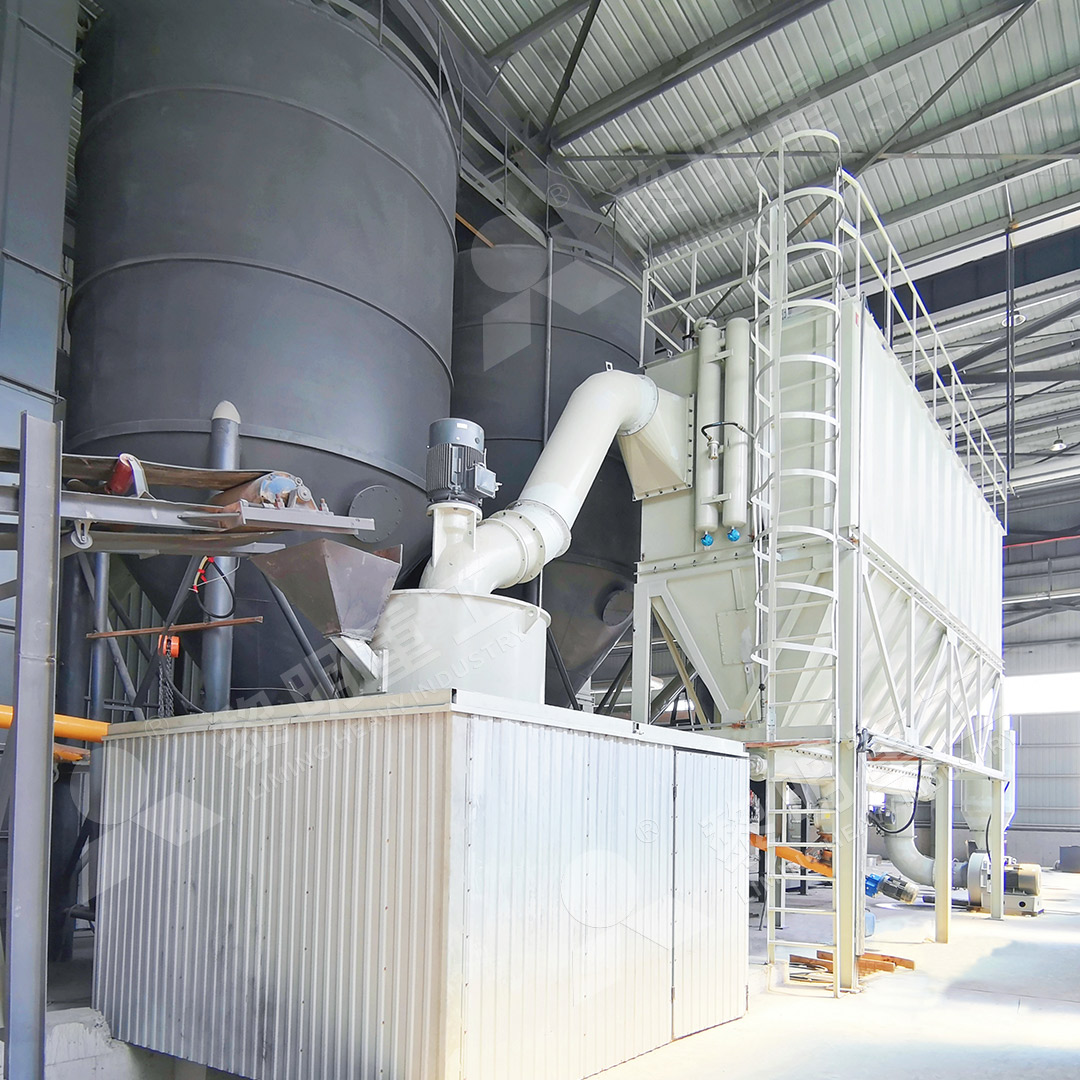
For larger capacity requirements, the LUM Ultrafine Vertical Grinding Mill is another excellent choice. It handles input sizes up to 10 mm and produces 5 to 18 tph. Its unique roller shell and lining plate grinding curve prevent material lingering and repeated grinding, which is a common issue with traditional mills. This directly improves the whiteness and cleanliness of the cement, a key quality parameter for concrete. The multi-head powder separating technology, combined with PLC control, reduces energy consumption by 30-50% compared to common grinding mills. The double position-limiting technology protects the mill from vibration damage, making operation more stable under the variable power conditions sometimes seen in Moroccan industrial zones. Maintenance is simplified by the reversible structure, allowing quick roller replacement without prolonged shutdowns.
Practical workflow for clinker grinding optimization
Start by analyzing the clinker composition and moisture content. Pre-crush large clinker lumps to below 20 mm if using the MW mill, or below 10 mm for the LUM mill. Use a vibrating feeder to ensure uniform material flow into the grinding chamber. Set the separator speed according to the desired fineness; for concrete cement, a fineness of around 4000-5000 cm²/g (Blaine) is common. Monitor the mill’s amperage and adjust the feed rate to maintain optimal load. The MW mill’s external lubrication system allows continuous 24-hour operation, which is critical for meeting production targets. Regularly check the pulse dust collector and replace filter bags as needed. The digitalized processing of both mills ensures high precision in core parts, reducing the need for frequent calibration.

Environmental and economic benefits
Morocco’s industrial regulations are tightening around dust emissions and noise. The MW and LUM mills are designed with these in mind. The MW mill’s muffler and noise elimination room reduce operational noise, while the pulse dust collector keeps dust levels near zero. The LUM mill’s sealed system operates under negative pressure, preventing spillage. Economically, the 40% higher yield of the MW mill over jet mills translates directly to lower cost per ton. The LUM mill’s 30-50% energy savings can reduce electricity bills significantly, a major concern in Morocco where energy costs are high. Spare parts are readily available from LIMING’s global network, and the company’s commitment to original parts ensures worry-free long-term operation.
Recommendations for Moroccan concrete manufacturers
For small to medium plants, the MW Ultrafine Grinding Mill is an ideal upgrade from ball mills. Its low investment, compact footprint, and high fineness make it suitable for producing specialized cement for precast concrete or high-performance concrete. For larger operations requiring higher throughput and even greater energy efficiency, the LUM Ultrafine Vertical Grinding Mill is the better fit. Both machines are backed by LIMING’s digitalized manufacturing and sufficient spare parts supply, ensuring that Moroccan producers can rely on consistent performance. Before making a decision, conduct a trial with a sample of your local clinker to verify fineness and capacity. LIMING’s technical team can provide on-site support for installation and optimization.
Frequently asked questions (FAQ)
- What is the typical fineness range for cement clinker in concrete manufacturing?
For ordinary Portland cement, fineness is usually around 3500-5000 cm²/g (Blaine). For high-performance concrete, finer grinding up to 6000 cm²/g may be required. The MW mill can adjust between 325-2500 mesh, covering most needs. - How does the MW Ultrafine Grinding Mill handle high-moisture clinker?
The mill can tolerate feed moisture up to about 5% if pre-dried. For higher moisture, a hot air source can be integrated into the air-swept system. The pulse dust collector also handles moisture-laden air effectively. - Can the LUM Vertical Mill grind clinker with large tramp iron?
The double position-limiting technology prevents direct contact between roller and millstone, so small tramp iron pieces are safely discharged through the slag opening. Large pieces should be removed with a magnetic separator before feeding. - What is the power consumption per ton for these mills compared to ball mills?
The MW mill consumes about 30% of the energy of a jet mill for the same fineness, and is significantly more efficient than a ball mill. The LUM mill saves 30-50% energy over common grinding mills. Actual figures depend on clinker hardness and target fineness. - How often should the grinding rollers and rings be replaced?
With wear-resistant alloys, the service life is 1.7-2.5 times longer than traditional high-manganese steel parts. Typical replacement intervals range from 6 to 12 months, depending on operating hours and material abrasiveness. LIMING provides original spare parts for easy replacement. - Is it possible to switch between different cement grades without stopping the mill?
Yes, both mills allow quick adjustment of separator speed to change fineness. The PLC control system enables smooth transitions. For the LUM mill, hydraulic pressure adjustments can also be made online to adapt to different material hardness. - What environmental permits are needed for installing these mills in Morocco?
Morocco requires a environmental impact assessment and emissions permit. Both mills meet international emission standards. The sealed negative pressure operation and pulse dust collector ensure compliance. Local authorities may request noise and dust monitoring reports. - Can the MW mill process materials other than clinker?
Yes, it can grind limestone, calcite, dolomite, gypsum, barite, marble, talc, coal powder, and many other non-metallic minerals. This versatility allows Moroccan plants to produce multiple products with the same machine. - What is the recommended maintenance schedule for the LUM mill?
Daily checks include oil levels, mill amperage, and separator speed. Weekly inspections of roller shells and lining plates are advised. Annual major maintenance includes replacing wear parts and checking the hydraulic system. LIMING supplies a detailed manual. - How does LIMING ensure spare parts availability in Morocco?
LIMING has a global distribution network. For Moroccan customers, priority shipping is arranged from regional warehouses. Original parts are manufactured with numerical control tools, ensuring perfect fit and performance. A service contract can be signed for regular supply.