
Where to buy raymond mill for coal for chemical feedstock in usa
Navigating the U.S. Market for Coal Grinding Solutions
If you are in the chemical feedstock industry in the United States, you know that the quality of your coal powder directly impacts downstream synthesis and process efficiency. Finding the right grinding mill is not just about crushing a rock; it is about achieving a specific particle size distribution, controlling moisture, and ensuring consistent throughput. The question ‘Where to buy a Raymond mill for coal for chemical feedstock in the USA’ goes beyond simple procurement. It involves selecting a supplier who understands the stringent requirements of the American chemical sector, from ASTM standards to environmental compliance.
Why Traditional Raymond Mills Often Fall Short
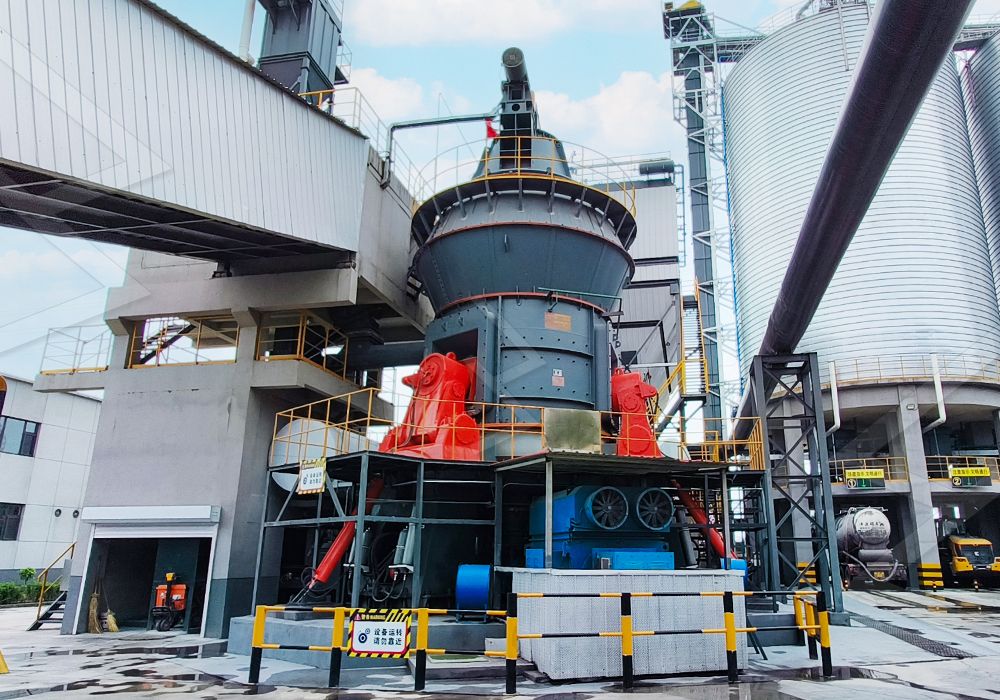
The classic Raymond mill (often referred to as the R-series) has been a workhorse for decades. It is known for its low initial investment and small footprint. For low-capacity needs (0.6-5 tph), it can still be a viable option. However, many operators in the chemical feedstock space are moving away from this design. The primary pain points include high energy consumption per ton of product, relatively coarse finished products, and the frequent maintenance required for the grinding roller and ring assembly. For chemical feedstocks requiring ultra-fine powder (325 mesh to 2500 mesh), the standard Raymond mill simply cannot deliver the necessary yield or quality without significant energy waste.
The Shift to High-Precision Ultrafine Mills
When U.S. chemical plants start looking for replacements or upgrades, they often discover that the market demands higher efficiency. This is where advanced European-style mills and ultrafine grinding mills come into play. For coal powder destined for chemical applications—such as activated carbon precursors, synthetic gas production, or specific chemical reducing agents—the fineness and purity of the powder are critical. Contamination from iron or inconsistent particle size can ruin a batch of product.
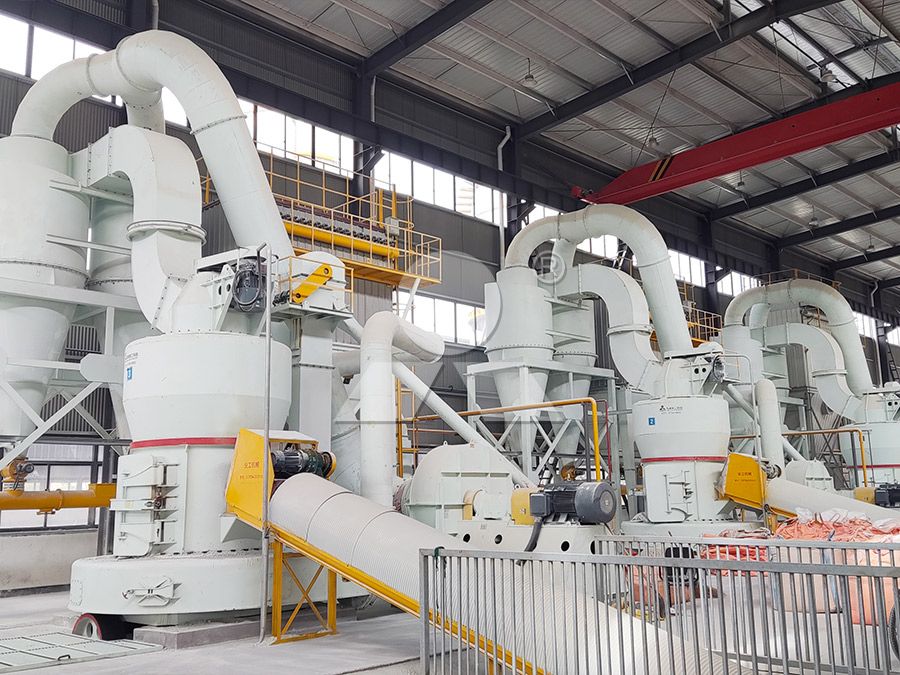
We recommend evaluating our MW Ultrafine Grinding Mill for these applications. With an input size of 0-20 mm and a capacity of 0.5-25 tph, it is specifically designed for the chemical industry. Its cage-type powder selector, based on German technology, allows for adjustable fineness between 325 and 2500 meshes, achieving a screening rate of d97 ≤ 5μm once. This mill eliminates rolling bearings and screws in the grinding chamber, which means less downtime for mechanical repairs—a critical factor for continuous chemical production in the USA.
Where to Source These Mills in the USA
Finding the right supplier involves looking for companies with a robust supply chain for spare parts and a technical service team that speaks the language of chemical engineering. Many buyers make the mistake of importing directly from overseas manufacturers without a local support network. This can lead to months of downtime when a seal or a gear fails.
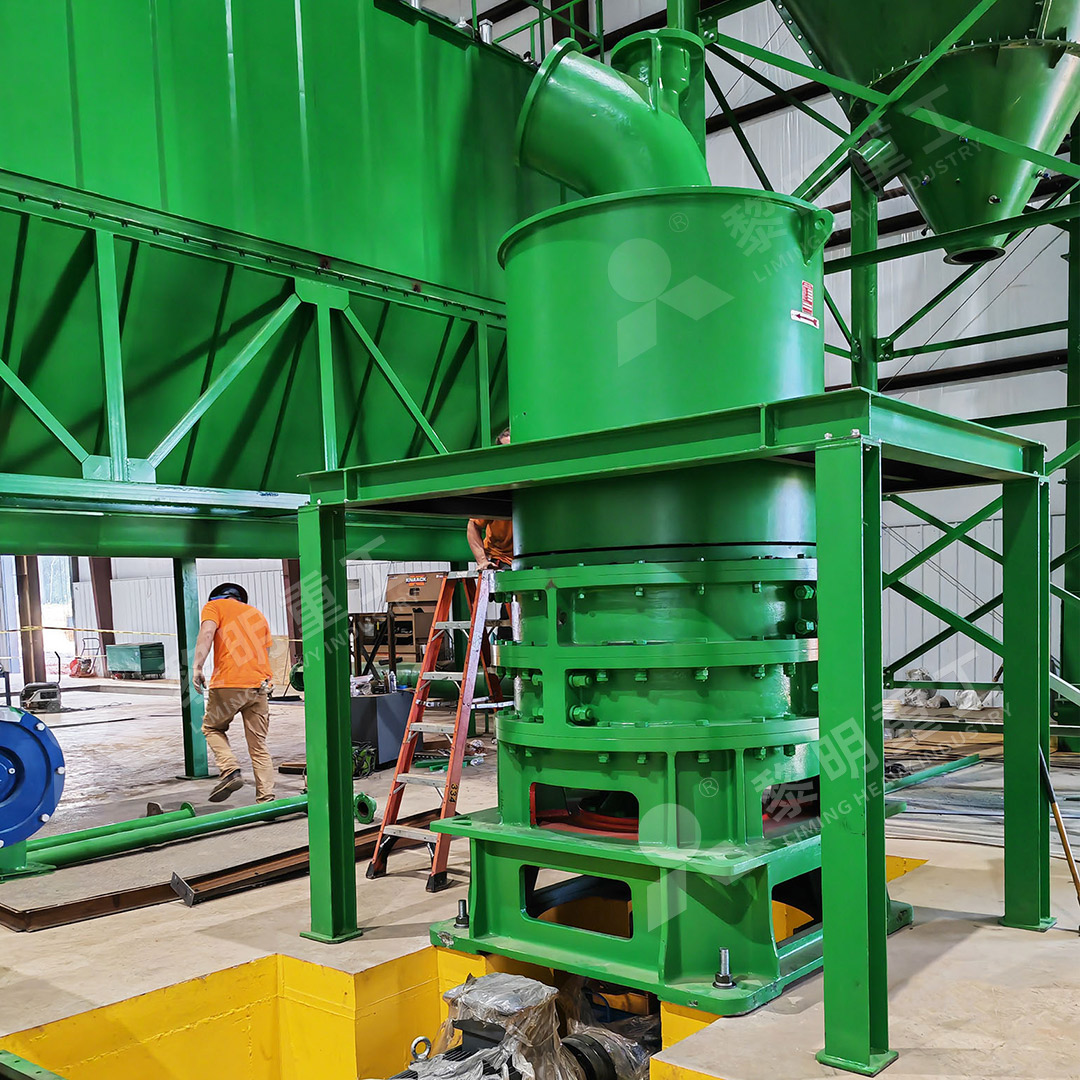
A better strategy is to work with a manufacturer like Liming Heavy Industry, which offers digitalized processing and guarantees a sufficient supply of original spare parts. Our LM Vertical Grinding Mill and LUM Ultrafine Vertical Grinding Mill are also excellent choices for higher capacity requirements. The LUM series, with its 5-18 tph capacity, adopts Taiwan grinding roller technology and a double position-limiting system to prevent destructive impacts. This is particularly useful in American plants where vibration from explosive materials or variable feed rates can damage standard equipment.
For high-capacity coal powder stations (5-100 tph), the LM Vertical Coal Mill is purpose-built. It integrates crushing, drying, and grinding. In the U.S., where coal moisture can vary significantly, the ability to dry and grind simultaneously in a negative pressure environment is a huge advantage. It ensures no dust leaks into the facility, meeting strict OSHA and EPA standards.
Key Considerations for Chemical Feedstock Grinding
When you buy a mill for coal chemical feedstock, you must verify three things. First, the iron content of the final powder. The LUM and MW mills use grinding rollers that do not directly contact the lining plate during operation, minimizing metallic contamination. Second, the energy consumption. Our MW mill uses only 30% of the energy of a jet mill. Third, the maintenance cost. Look for mills with reversible roller structures and hydraulic adjustment systems, like the LUM series, which allow you to turn the grinding roller out of the body for easy maintenance without heavy dismantling. This reduces shutdown losses significantly.
We specifically recommend the MW Ultrafine Grinding Mill for those needing precise 325-2500 mesh powders for additives or fine chemical precursors. For those needing higher throughput with coarser specs (typically for boiler fuel or gasification), the LM Vertical Mill offers a capacity of 3-340 tph, making it the most cost-effective solution for large-scale operations in the USA.
Logistics and Service in the U.S. Market
Purchasing these mills involves understanding lead times for shipping, local electrical requirements (480V, 60Hz), and compliance with local building codes. Liming provides detailed engineering documents to help you integrate the mill into your existing plant layout. Whether you need a ball mill for specific chemical processes or a modern vertical roller mill, we recommend starting with a detailed consultation to map your raw coal analysis to the correct machine parameters. This ensures you get the exact yield and particle size distribution required for your chemical feedstock.
Frequently Asked Questions (FAQ)
- Q: Can I use a traditional Raymond mill for chemical feedstock coal powder?
A: Yes, for low capacity (0.6-5 tph) and low fineness requirements. However, for chemical applications requiring ultra-fine powder (325-2500 mesh), we recommend the MW Ultrafine Grinding Mill for better yield and lower energy consumption. - Q: What is the power consumption difference between a jet mill and the MW mill?
A: The MW Ultrafine Grinding Mill consumes only 30% of the energy used by a jet mill, with 40% higher capacity for the same fineness. - Q: How do I handle the maintenance of grinding rollers in the USA?
A: The LUM series features a reversible structure with a hydraulic system, allowing rollers to be turned out for easy shell replacement. Liming also supplies original spare parts to ensure worry-free operation. - Q: Does the mill comply with U.S. environmental standards?
A: Yes. Our mills are equipped with efficient pulse dust collectors and mufflers. The system operates under negative pressure to prevent dust leakage, meeting strict U.S. emission standards. - Q: What is the maximum input size for the LM Vertical Coal Mill?
A: The maximum input size is 50mm, and it can handle capacities from 5 to 100 TPH, making it suitable for large industrial coal preparation for chemical plants. - Q: Can I achieve d97 ≤ 5μm fineness with your equipment?
A: Yes. The MW Ultrafine Grinding Mill with its multi-head cage-type powder selector can achieve d97 ≤ 5μm once, which is ideal for high-value chemical feedstock. - Q: Do you offer on-site installation support in the USA?
A: Yes, we provide technical services and remote support for installation and commissioning, along with the supply of original spare parts from our global network. - Q: What is the occupational area of the LM Mill compared to a ball mill?
A: The LM Vertical Mill occupies about 50% of the ground area required by a traditional ball mill system, saving significant plant floor space.