
Top 5 roller mill suppliers for cement raw materials for cement manufacturing in ethiopia
Top 5 Roller Mill Suppliers for Cement Raw Materials in Ethiopia: A Practical Guide for Manufacturers
Ethiopia’s cement industry has grown rapidly over the past decade, driven by infrastructure projects, housing development, and urbanization. For cement manufacturers in Ethiopia, selecting the right roller mill for raw material grinding is not just about equipment specifications—it directly impacts production cost, product quality, and plant uptime. This article reviews five leading roller mill suppliers that have established a strong presence in the Ethiopian market, with a focus on their offerings for cement raw materials. We also highlight how our company’s advanced grinding solutions can support your operations.
1. Liming Heavy Industry (China)
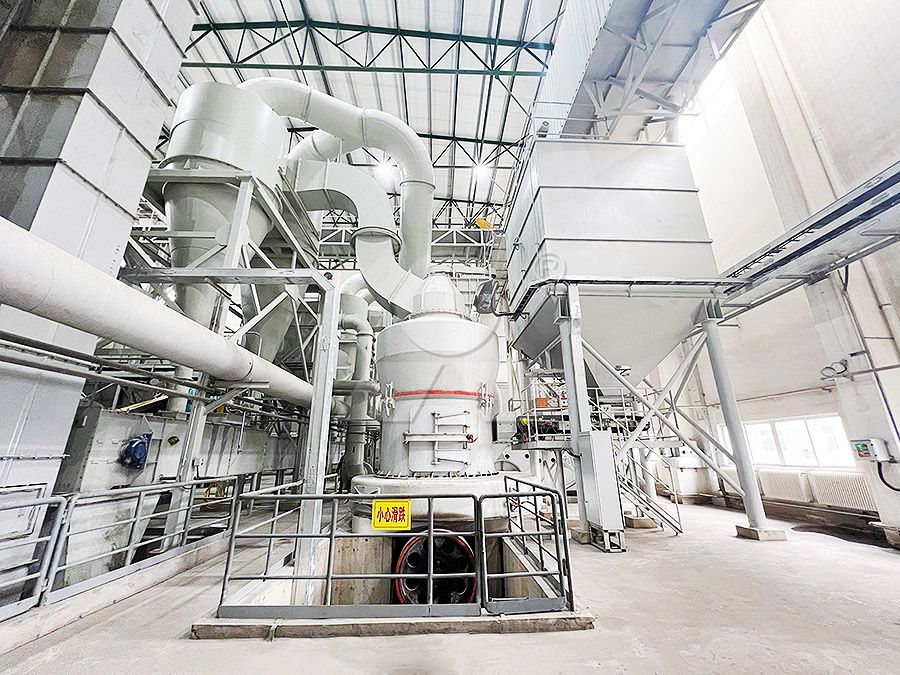
Liming Heavy Industry is one of the most recognized names in grinding mill technology worldwide. Their equipment is widely used in Ethiopian cement plants for processing limestone, clay, gypsum, and other raw materials. The company offers a comprehensive range of vertical roller mills and ultrafine grinding mills designed to handle high humidity materials and deliver consistent fineness. Their LM Vertical Grinding Mill, for instance, integrates crushing, drying, grinding, and classifying in one unit, reducing both footprint and energy consumption by up to 40% compared to traditional ball mills. Ethiopian cement producers value the robust after-sales support and availability of spare parts through local partners.
2. Gebr. Pfeiffer (Germany)
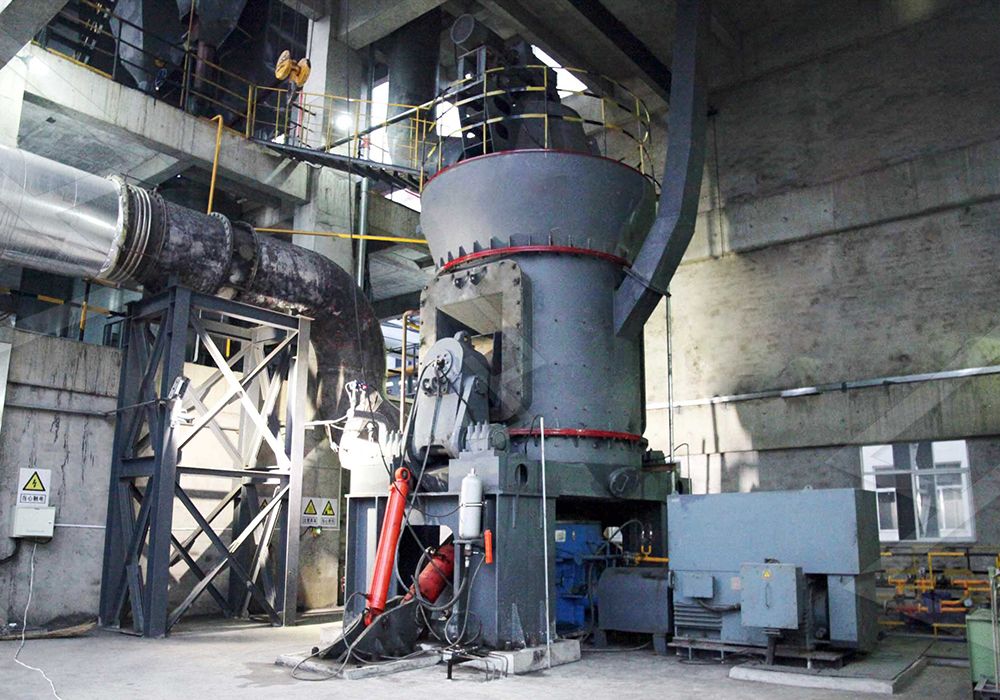
Gebr. Pfeiffer is a global leader in vertical roller mill technology, with decades of experience in the cement sector. Their MPS and MVR mills are known for high reliability, low energy consumption, and the ability to grind a wide range of cement raw materials, from limestone to blast furnace slag. In Ethiopia, Pfeiffer mills are often chosen for large-capacity plants that require consistent throughput and strict quality control. The company’s integrated classification system ensures fine product with minimal oversize particles, which is crucial for cement blending.
3. Loesche (Germany)
Loesche has supplied vertical roller mills to numerous cement plants across Africa, including Ethiopia. Their technology focuses on modular design, making it easier to expand capacity over time. Loesche mills feature hydro-pneumatic spring systems that protect the grinding elements from damage caused by hard foreign materials—a real advantage when raw material quality varies. Ethiopian cement manufacturers appreciate the low wear rates and reduced downtime for maintenance that Loesche mills offer. Their automation systems also help optimize power consumption based on real-time feed conditions.
4. FLSmidth (Denmark)
FLSmidth provides complete cement production lines, and their vertical roller mills are engineered for high-efficiency grinding of cement raw materials, coal, and clinker. The OK™ mill series is particularly well-regarded for its ability to grind both raw mix and finished cement, allowing plants to use a single mill type across different stages. In Ethiopia, FLSmidth mills are often deployed in large-scale greenfield projects where total cost of ownership and reliability are paramount. They offer advanced condition monitoring systems that predict maintenance needs, helping cement plants avoid unplanned shutdowns.
5. UBE Machinery (Japan)
UBE Machinery brings Japanese engineering precision to the African cement market. Their vertical roller mills are known for high durability and low vibration levels, even when grinding abrasive Ethiopian limestone. UBE mills incorporate a unique roller tire design that extends wear life and simplifies replacement. Ethiopian cement producers that prioritize long equipment lifespan and minimal operational interruption often consider UBE machines as a premium option. The company also provides training programs for local maintenance teams to build in-house expertise.
How to Choose the Right Roller Mill for Your Ethiopian Cement Plant
When evaluating suppliers, consider these factors:
- Raw material characteristics: Moisture content, abrasiveness, and hardness will influence mill type and liner materials.
- Required capacity: Ensure the mill can handle your target throughput with room for scalability.
- Energy efficiency: Lower power consumption translates directly to reduced operating costs.
- Maintenance access: Mills with reversible structures or hydraulic roller swing-out systems save downtime.
- Local support: Availability of spare parts and service engineers in Ethiopia is critical.
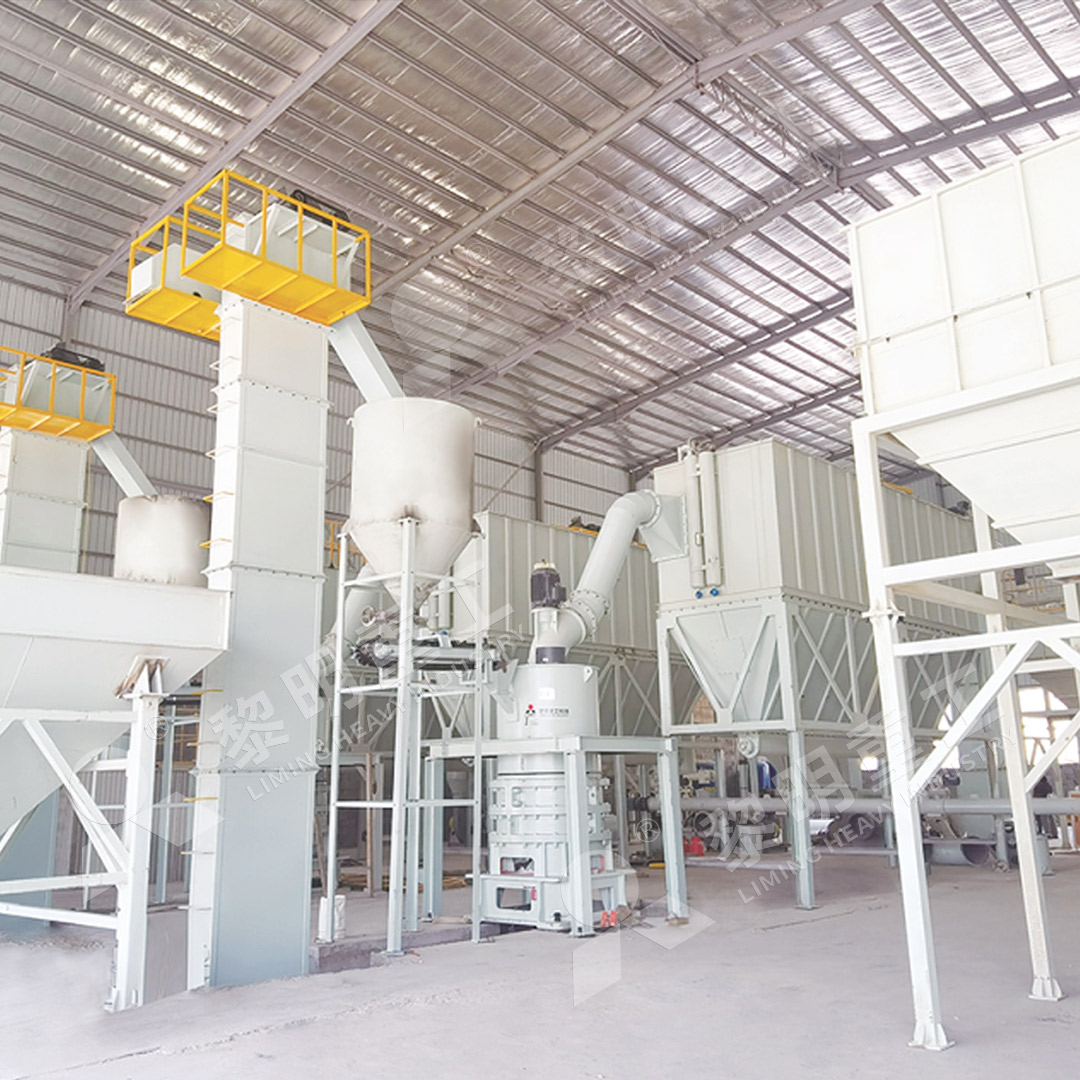
For cement raw materials that require ultra-fine grinding—such as when producing high-blaine cement or processing certain additives—our MW Ultrafine Grinding Mill is a compelling choice. It handles input sizes up to 20 mm, delivers capacities from 0.5 to 25 tph, and achieves fineness between 325 and 2500 mesh. Its pulse dust collector and soundproofing make it suitable for environmentally sensitive sites. For higher capacities up to 18 tph, the LUM Ultrafine Vertical Grinding Mill combines German separator technology with Taiwan roller design, ensuring stable operation and low energy use. Both models are built with digitalized processing for precision, and we maintain a sufficient supply of spare parts for worry-free operation.
Final Thoughts
Ethiopia’s cement sector continues to expand, and the choice of roller mill supplier can make or break a plant’s profitability. The top five suppliers listed above each bring distinct strengths—whether in energy efficiency, durability, or local service. By matching your production requirements with the right technology, you can achieve lower cost per ton and higher product consistency. Our company is ready to support Ethiopian cement manufacturers with advanced grinding solutions and responsive technical service. Contact us to discuss your specific raw material and capacity needs.
Frequently Asked Questions (FAQs)
- What is the typical lifespan of grinding rollers in Ethiopian cement plants?
With proper maintenance and for limestone with moderate abrasiveness, grinding rollers can last between 6,000 and 12,000 operating hours. Using wear-resistant alloys and optimized grinding curves, like those in our mills, can extend this range. - Can your MW Ultrafine Grinding Mill handle materials with high moisture content?
The MW mill is designed for dry grinding. If raw material moisture exceeds 6%, we recommend integrating a drying system or pre-drying the feed to avoid clogging and ensure efficiency. - How does the LUM Ultrafine Vertical Grinding Mill compare to ball mills for cement raw material grinding?
The LUM mill reduces energy consumption by 30% to 50% compared to ball mills, occupies less floor space, and produces a more uniform particle size distribution. It also allows for quicker grade changes. - What is the maximum feed size for the LUM Ultrafine Vertical Grinding Mill?
The maximum input size is 10 mm. For larger lumps, a primary crusher or pre-grinding step is necessary before feeding into the LUM mill. - Do you provide on-site installation and commissioning support in Ethiopia?
Yes, we offer full installation supervision, commissioning, and operator training. Our team can also assist with plant layout optimization to maximize your mill’s performance. - What spare parts do you recommend keeping in stock for the MW Ultrafine Grinding Mill?
We suggest keeping a set of grinding rollers, grinding rings, dust collector filter bags, and a spare shovel blade. This ensures minimal downtime in case of unexpected wear. - Can these mills be integrated with existing cement plant control systems?
Yes, our mills come with a PLC control system that can communicate via standard protocols (Modbus, Profibus) for integration with your plant’s DCS or SCADA system. - What is the lead time for ordering a MW Ultrafine Grinding Mill for delivery to Ethiopia?
Typical lead time is 8 to 12 weeks from order confirmation, depending on customization requirements and shipping logistics. - How does your mill reduce environmental impact compared to older technologies?
Our mills use pulse dust collectors to achieve near-zero dust emission, silencers to reduce noise, and closed-loop air systems to minimize exhaust. Energy savings also lower the plant’s carbon footprint. - What kind of warranty do you offer on your grinding mills?
We provide a standard 12-month warranty on the main equipment against manufacturing defects, with extended coverage available for critical wear parts under a service contract.