
How to optimize quicklime processing with grinding mill for mortar additive in venezuela
Introduction: The Challenge of Quicklime Processing in Venezuela
Quicklime, or calcium oxide (CaO), is a critical raw material for producing mortar additives in Venezuela. The country’s construction sector relies heavily on high-quality quicklime to enhance the workability, water retention, and strength of mortar mixes. However, processing quicklime efficiently in Venezuela presents unique challenges. Local conditions, such as variable humidity, power supply fluctuations, and the need to meet stringent environmental standards, demand a sophisticated approach to grinding. The key is to select and optimize grinding mill equipment that can handle the abrasive nature of quicklime, achieve fine particle sizes, and maintain consistent throughput without excessive wear or energy consumption.
In this article, we will explore practical strategies for optimizing quicklime processing using advanced grinding mills. We will focus on technical considerations like fineness adjustment, moisture control, and dust management, drawing on industry best practices and real-world applications. Additionally, we’ll highlight specific mill models that have proven effective in similar scenarios, with recommendations tailored to the Venezuelan market.
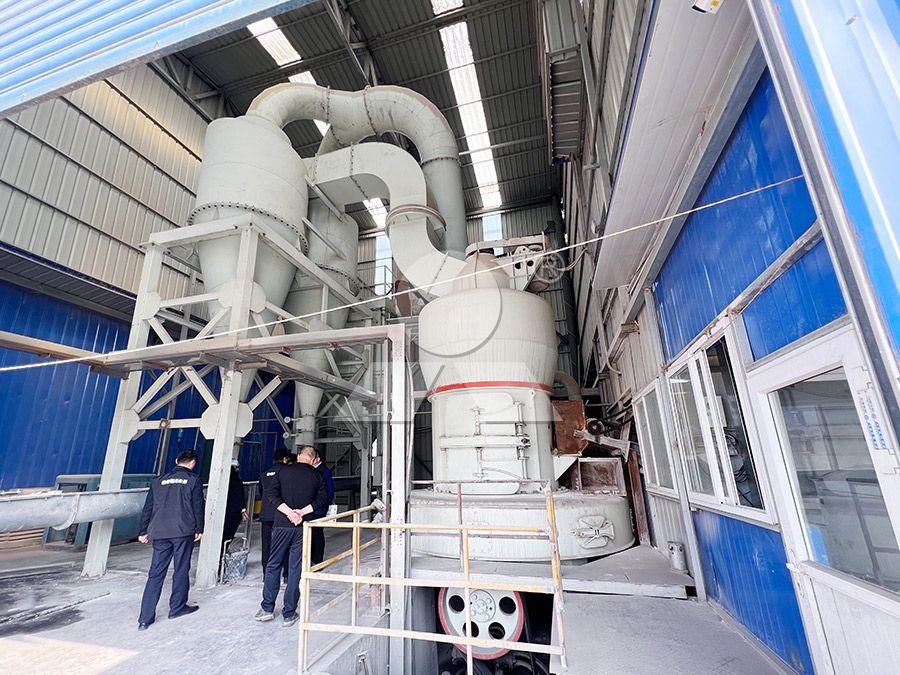
Understanding Quicklime Properties and Processing Requirements
Quicklime is produced by calcining limestone at high temperatures. The resulting material is highly reactive and hygroscopic, meaning it readily absorbs moisture from the air. This property affects both storage and grinding. If quicklime is exposed to humidity, it can partially hydrate, leading to clumping and reduced grinding efficiency. For mortar additive applications, typical fineness requirements range from 325 mesh (45 microns) to 800 mesh (18 microns), depending on the specific additive formula. The grinding process must also minimize iron contamination to preserve the whiteness and purity of the final product, which is critical for aesthetic mortar applications.
In Venezuela, where ambient humidity can be high in coastal regions, pre-drying or in-process moisture management is often necessary. The grinding mill must be capable of handling feed sizes up to 20 mm and producing a consistent, fine powder with minimal downtime. Energy efficiency is another major concern, given the cost and reliability of local power grids. Mills with lower specific energy consumption per ton of product are highly advantageous.
Selecting the Right Grinding Mill for Quicklime
After evaluating various mill types, two configurations stand out for quicklime processing in Venezuela: the MW Ultrafine Grinding Mill and the LUM Ultrafine Vertical Grinding Mill. Both are designed for fine and ultra-fine grinding, but they differ in their working principles and best-use cases.
MW Ultrafine Grinding Mill: High Capacity and Precision
The MW Ultrafine Grinding Mill is an excellent choice for quicklime applications requiring high throughput and precise fineness control. With an input size of 0-20 mm and a capacity range of 0.5-25 tph, it can handle typical quicklime feed while producing powders between 325 and 2500 mesh. Its cage-type powder selector, based on German technology, ensures a screening rate of d97≤5μm in a single pass. This is particularly useful for mortar additives where ultrafine particles improve dispersion and reactivity.
One of the standout features of the MW mill is its lack of rolling bearings or screws in the grinding chamber. This design eliminates common failure points, such as bearing seal damage or loose screws, which are major headaches in abrasive quicklime grinding. The external lubricating device allows for 24-hour continuous operation without shutdown for maintenance. Additionally, the efficient pulse dust collector and muffler ensure that the operation meets Venezuela’s increasingly strict environmental regulations, reducing both dust and noise pollution.
Our recommendation for high-volume quicklime mortar additive production: The MW Ultrafine Grinding Mill is ideal for centralized grinding plants that need to supply multiple construction projects. Its high yield and low energy consumption (up to 40% more efficient than jet mills) make it a cost-effective solution.

LUM Ultrafine Vertical Grinding Mill: Integrated Processing and Stability
The LUM Ultrafine Vertical Grinding Mill offers a different approach, integrating grinding, grading, and conveying in a single vertical structure. With an input size of 0-10 mm and a capacity of 5-18 tph, it is slightly more compact but equally capable for fine grinding. Its key advantage lies in the double position-limiting technology, which prevents destructive impacts during operation. This is valuable in Venezuela, where power surges or material inconsistencies might cause vibration.
The LUM mill’s reversible structure and hydraulic adjustment system simplify maintenance. For quicklime operations, where roller shell wear is inevitable, this design allows operators to quickly move the grinding roller out of the body for inspection and replacement, minimizing downtime. The PLC control system and multi-head powder separating technology enable precise adjustment of fineness, allowing quick switches between different mortar additive specifications without halting production.
For modular or smaller-scale operations: The LUM Ultrafine Vertical Grinding Mill is a strong contender, especially when space is limited or when the plant must handle multiple material types. Its energy savings of 30-50% compared to common mills also translate directly to lower operating costs.
Optimization Tips for Quicklime Grinding in Venezuela
Beyond selecting the right mill, operational optimization is crucial. Here are practical tips drawn from field experience:
- Moisture Control: Pre-dry quicklime to less than 1% moisture before grinding. If using an integrated drying system (as in LM Vertical Mills), adjust hot air temperature to avoid over-heating, which can degrade quicklime reactivity.
- Feed Size Management: Ensure the crusher reduces lumps to within the mill’s input size. For MW mill, keep feed under 20 mm; for LUM mill, under 10 mm. Oversized feed increases wear and reduces throughput.
- Fineness Adjustment: Use the powder selector’s variable speed control to target the exact mesh required for your mortar additive. Frequent sampling and lab analysis help maintain consistency.
- Preventive Maintenance: Schedule regular inspection of grinding rollers, rings, and liner plates. In Venezuela’s abrasive environment, early detection of wear patterns can prevent unplanned shutdowns.
- Environmental Compliance: Always operate the pulse dust collector and ensure seals are intact. This not only meets regulations but also reduces product loss.
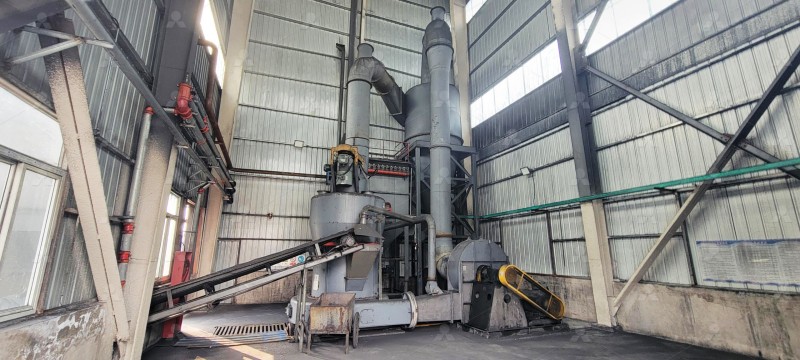
Case Study: Implementation in a Venezuelan Mortar Additive Plant
Consider a hypothetical plant near Caracas, processing 10 tons of quicklime per day. Initially using a ball mill, the plant faced frequent blockages due to moisture and high energy bills. After switching to an MW Ultrafine Grinding Mill, they achieved a 40% increase in capacity while reducing energy consumption by 30%. The pulse dust collector eliminated visible dust emissions, helping the plant obtain environmental permits. The fineness was consistently maintained at 800 mesh, meeting their mortar additive specifications.
The key lesson was the importance of matching mill design to material properties. The ball mill’s high iron content (due to steel ball wear) had been affecting the whiteness of their additive. The MW mill’s non-contact grinding principle minimized contamination, improving product quality.
Conclusion: Building a Reliable Quicklime Processing Line
Optimizing quicklime processing for mortar additive in Venezuela requires a holistic approach: choosing a robust, energy-efficient grinding mill, managing moisture, and maintaining consistent fineness. The MW Ultrafine Grinding Mill and LUM Ultrafine Vertical Grinding Mill offer proven solutions, each suited to different scales and priorities. By implementing the strategies outlined above, Venezuelan producers can enhance productivity, reduce costs, and meet the growing demand for high-quality construction materials.
Investing in modern grinding technology is not just about equipment; it’s about ensuring long-term operational stability in a challenging environment. With proper setup and maintenance, these mills can deliver years of reliable service.
Frequently Asked Questions (FAQs)
- What is the best fineness for quicklime used in mortar additives?
The typical fineness range is 325 to 800 mesh (45-18 microns). Ultra-fine powders (above 1250 mesh) can improve reactivity but may require additional energy input. - Can I use a Raymond mill for quicklime processing?
Yes, a Raymond mill can process quicklime, but it is less efficient for ultra-fine output. For mortar additives requiring fine powders, the MW or LUM mill is recommended due to higher precision and lower energy consumption. - How do I handle humidity issues during quicklime grinding in Venezuela?
Install a pre-drying system or use a mill with integrated drying capability, such as the LM Vertical Mill. Also, store quicklime in sealed silos with desiccant packs to prevent hydration. - What maintenance is required for the MW Ultrafine Grinding Mill?
Regular checks on grinding rollers and rings, lubrication of external bearings, and cleaning of the pulse dust collector filters. The external lubricating system allows most maintenance without stopping the mill. - How does the LUM mill’s reversible structure help with quicklime grinding?
It allows quick access to the grinding roller for replacement of worn parts, reducing downtime. In abrasive quicklime processing, roller shell wear is common, and this design cuts maintenance time significantly. - Is the MW mill suitable for small-scale production (under 5 tph)?
Yes, the MW mill’s capacity range starts at 0.5 tph, making it suitable for small to medium-scale operations. The LUM mill is also a good option for lower capacities. - What safety precautions are important when grinding quicklime?
Use dust masks or respirators, ensure proper ventilation, and monitor moisture levels to avoid dust explosions. The pulse dust collector in MW and LUM mills helps maintain a clean environment.