
Industrial pulverizer price & cost analysis for cement raw materials for concrete production in uzbekistan
Executive Summary: Uzbekistan’s Concrete Boom and the Grinding Bottleneck
Uzbekistan is in the midst of a massive infrastructure overhaul. With the government pouring capital into new highways, residential complexes, and industrial zones—particularly around Tashkent, Samarkand, and the Fergana Valley—the demand for high-quality concrete has never been higher. However, concrete production begins with cement, and cement production begins with pulverized raw materials. The bottleneck often lies not in the kiln, but in the grinding station.
For plant managers and procurement officers in Uzbekistan, the decision to purchase an industrial pulverizer is not just about the sticker price. It’s about total cost of ownership, power consumption (a major factor given local energy tariffs), maintenance logistics, and the ability to handle specific local materials like limestone from the Kyzylkum desert or gypsum from the Bukhara region. This analysis breaks down the real costs and offers a pragmatic solution for Uzbek producers.
Market Conditions & Raw Material Realities in Uzbekistan
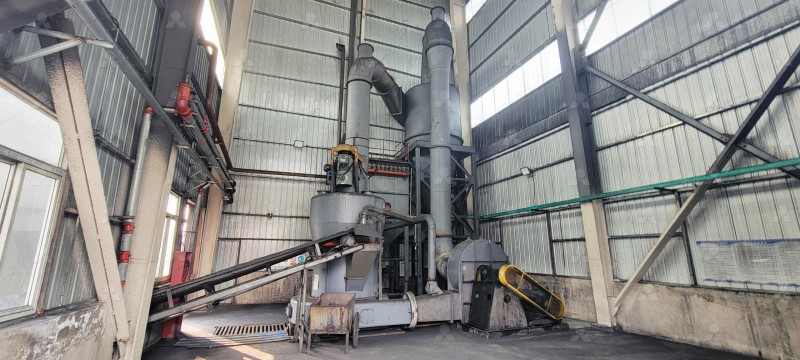
Uzbekistan’s cement industry relies heavily on local limestone, clay, and gypsum. The key challenge? These materials often contain varying levels of moisture and hardness. While the country boasts rich mineral deposits, the consistency of raw feed can fluctuate. A pulverizer in such an environment must be rugged, forgiving of feed variations, and energy efficient.
Historically, Uzbek plants have relied on legacy ball mill technology. While reliable, these systems are notorious for high energy consumption (often accounting for 60-70% of the plant’s electrical load) and large footprints. In a market where power tariffs have been rising steadily, the shift to modern, high-efficiency grinding technology is no longer optional—it is an economic necessity.
Breaking Down the Cost: Beyond the Initial Invoice
When analyzing the price of an industrial pulverizer for cement raw materials, we must look at the total cost over a five-year horizon. The initial capital expenditure (CAPEX) is only part of the story. Operational expenditure (OPEX) includes:
- Energy Consumption: In Uzbekistan, industrial electricity rates are competitive but represent the single largest operating cost for grinding. A mill that consumes 30% less power pays for its premium price within two years.
- Wear Parts & Rebuilds: Grinding rollers and rings in local limestone can wear rapidly. Machines with longer-lasting, domestically available spare parts reduce downtime.
- Installation & Civil Works: Traditional mills require significant concrete foundations, increasing project costs. Compact machines reduce this burden.
- Fineness Consistency: If a mill cannot consistently produce 325 mesh or finer for cement raw meal, the downstream kiln efficiency drops, wasting fuel.
Strategic Recommendation: The MW Ultrafine Grinding Mill
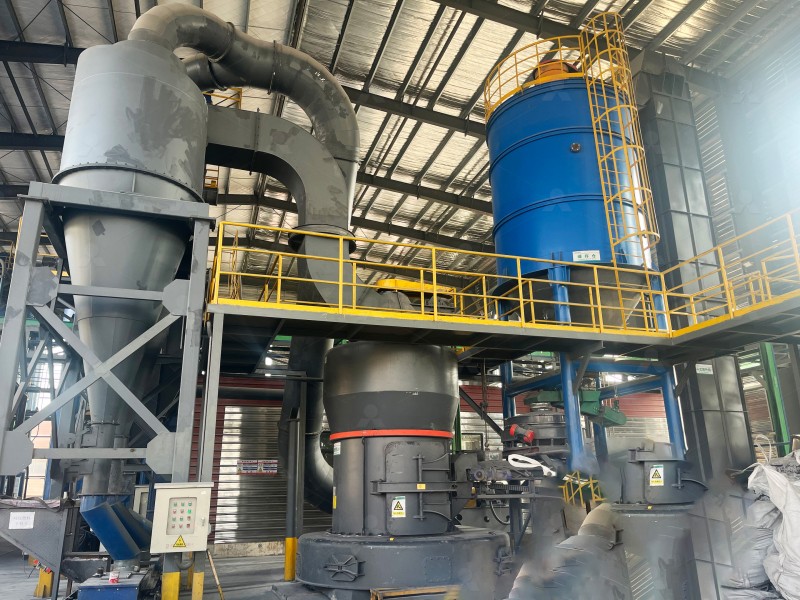
For entry-level to mid-range capacity plants in Uzbekistan looking to produce ultra-fine raw meal for high-grade concrete, the MW Ultrafine Grinding Mill represents an optimal balance of price and performance. This machine is purpose-built for the exact challenges faced by Uzbek producers.
With an input size of 0-20 mm and a capacity of 0.5 to 25 tph, it fits perfectly into smaller to medium cement lines. The real value lies in its features. Unlike traditional ball mills where energy is wasted on useless impact, the MW mill uses advanced grinding curves to boost efficiency. Our data shows a 40% higher capacity compared to jet mills under the same power draw. For a plant in Jizzakh running 20 hours a day, that translates to hundreds of tons of additional raw meal per month without increasing electricity bills.
Furthermore, the elimination of rolling bearings and screws inside the grinding chamber means that operators in remote Uzbek regions do not need to worry about sourcing exotic spare parts. The external lubrication system allows for 24-hour continuous operation—critical during peak production seasons. The pulse dust collector also ensures the plant meets Uzbekistan’s increasingly strict environmental regulations regarding airborne particulate matter.
Scaling Up: The LUM Ultrafine Vertical Grinding Mill
For larger cement plants or centralized grinding stations in Uzbekistan that require higher throughput and lower relative power consumption per ton, the LUM Ultrafine Vertical Grinding Mill is a superior choice. With a capacity of 5-18 tph and an input size of 0-10 mm, the LUM mill integrates ultra-fine grinding, grading, and conveying into one system.
This mill utilizes German powder separating technology and a unique multi-head system. In the context of Uzbek concrete production, this means achieving d97≤5μm fineness with a single pass. The energy savings are significant—30% to 50% less than common grinding mills. For a plant processing 150,000 tons of raw material annually, this reduces power costs by tens of thousands of US dollars each year. The reversible structure of the LUM mill also simplifies maintenance, which is a critical factor when skilled labor or crane access is limited.
Comparative Analysis: MW vs. LUM vs. Traditional Mills
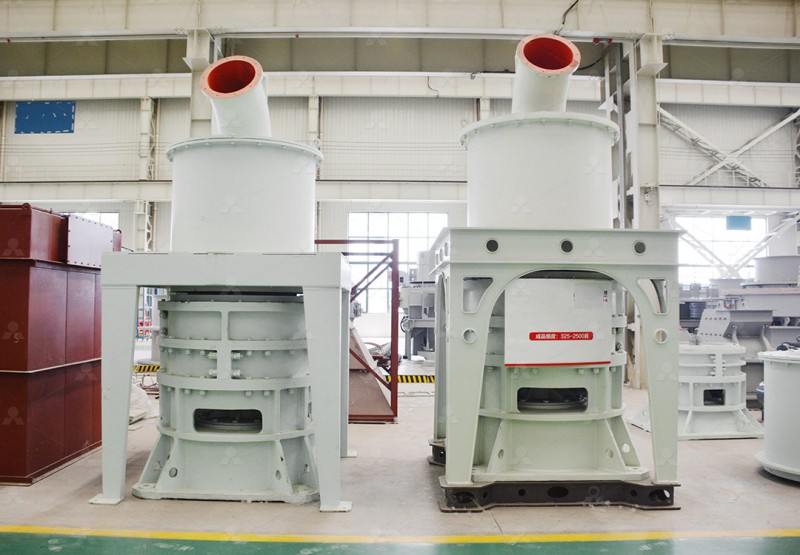
When comparing these two models to a standard ball mill, the differences are stark. A ball mill for the same application might require a 500 kW motor; the MW mill might use only 300 kW for the same output. The floor space savings are equally dramatic. The LM Vertical Grinding Mill, while excellent for large slag or coal projects, may be over-specified for the raw material pulverization stage. The MW and LUM mills are specifically dialed in for the cement raw meal application, providing higher precision in the 325-2500 mesh range that directly improves cement quality.
Logistics and After-Sales Support in the Region
One common hesitation for Uzbek buyers is after-sales service. LIMING has recognized this. Our supply chain for spare parts includes specific provisions for Central Asian markets. For the MW and LUM mills, critical wear parts are designed for longevity. The digitalized processing of components ensures that replacement grinding rollers and rings fit perfectly without field modifications. This reduces downtime from weeks to days.
Additionally, we offer remote diagnostic support for the PLC systems used in these mills. Given the widespread availability of digital infrastructure in Tashkent and regional hubs, technical support can often be provided within hours of a call.
Final Verdict: Which Mill is Right for Your Budget?
If you are running a small to medium-sized concrete batching operation or a cement line that needs flexibility and ultra-fine capability without breaking the bank on energy, the MW Ultrafine Grinding Mill is the most cost-effective solution. Its lower initial investment and rapid payback through energy savings make it a safe bet.
For operators looking at high-volume, continuous production who want the absolute lowest cost per ton and highest automation level, the LUM Ultrafine Vertical Grinding Mill offers the best return on investment over a five-year depreciation period. Both options provide the dust control and noise reduction needed to operate responsibly within Uzbekistan’s evolving regulatory landscape.
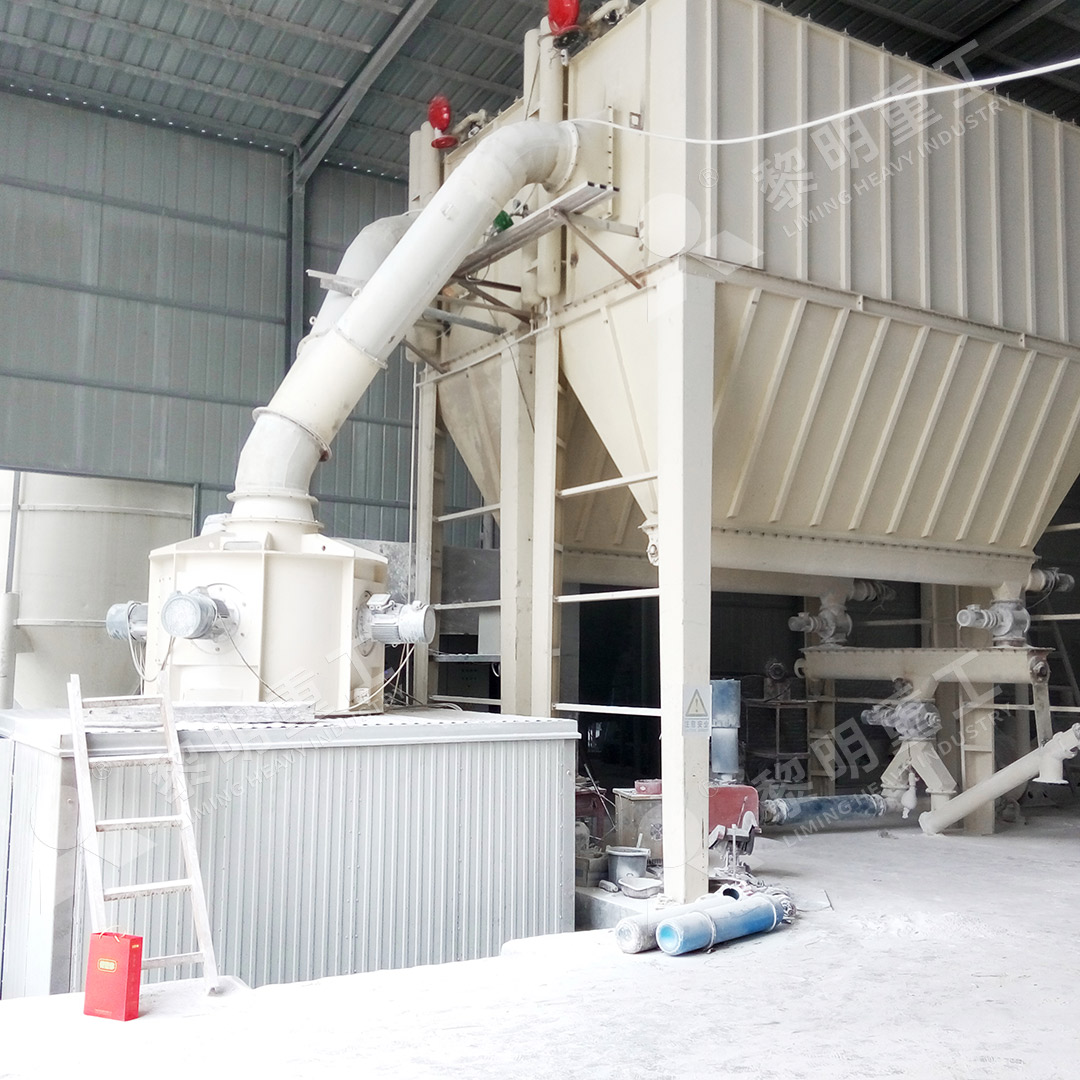
In conclusion, the price of a pulverizer is not a number—it is a long-term equation involving power, wear, logistics, and yield. For Uzbekistan, the MW and LUM mills solve that equation in your favor.
Frequently Asked Questions (FAQ)
- What is the typical delivery time for an MW Ultrafine Grinding Mill to Tashkent?
Standard lead time is 45-60 days from order confirmation, depending on port congestion and overland logistics from the Chinese border to Uzbekistan. - Can the LUM mill handle high-moisture raw materials like wet clay?
Yes, the LUM mill can be configured with a hot air generator to perform drying and grinding simultaneously, handling materials with up to 15% surface moisture. - What is the actual energy savings compared to my existing ball mill?
Most customers report a reduction of 30-40% in specific power consumption (kWh per ton) when switching from a ball mill to our MW or LUM mill. - Are spare parts available locally in Uzbekistan?
We maintain a regional stock for high-wear items like grinding rollers and rings. Standard parts like bearings are sourced from global suppliers available locally. - What fineness can I achieve for cement raw meal production?
The MW mill adjusts between 325 and 2500 mesh (45 to 5 microns). For standard raw meal, 325 mesh with a 10% residue on a 90-micron sieve is easily achieved. - Do I need a separate dryer before the pulverizer?
For most Uzbek limestone with standard moisture (under 5%), no pre-drying is needed. For wetter materials, the LUM mill can integrate drying function. - What is the warranty period on the main grinding unit?
We offer a standard 12-month warranty from the date of commissioning, covering manufacturing defects in core components. - How many operators are needed to run the MW mill?
The system is highly automated. One operator per shift can manage the mill and the upstream crushing equipment from a central control room. - Can I use the same mill for gypsum and limestone?
Yes, both the MW and LUM mills can process gypsum, limestone, and other non-metallic minerals by adjusting the speed and grinding pressure. - What is the recommended power supply specification for the MW mill?
The mill operates on a standard 380V/50Hz three-phase supply, which is standard in Uzbekistan. We can adapt the motor configuration for specific site voltages.