
How to optimize carbon black processing with raymond mill for ink production in argentina
Introduction: The Argentine Ink Industry and Carbon Black Challenges
Argentina’s printing and packaging sectors have seen steady growth, driven by demand for high-quality inks in food packaging, publishing, and industrial coatings. Carbon black, as a key pigment and reinforcing agent, plays a critical role in determining ink’s blackness, viscosity, and dispersion stability. However, processing carbon black in Argentina presents unique challenges: the material is notoriously light, abrasive, and prone to agglomeration. Traditional grinding methods often lead to high energy consumption, frequent maintenance stops, and inconsistent particle size distribution — all of which hurt ink quality and production efficiency.
This article provides a practical, step-by-step guide on optimizing carbon black processing using Raymond mill technology, tailored specifically for ink manufacturers in Argentina. We will cover equipment selection, process parameter tuning, common pitfalls, and how to achieve the fineness and uniformity required for premium printing inks.
Understanding Carbon Black’s Behavior in Grinding
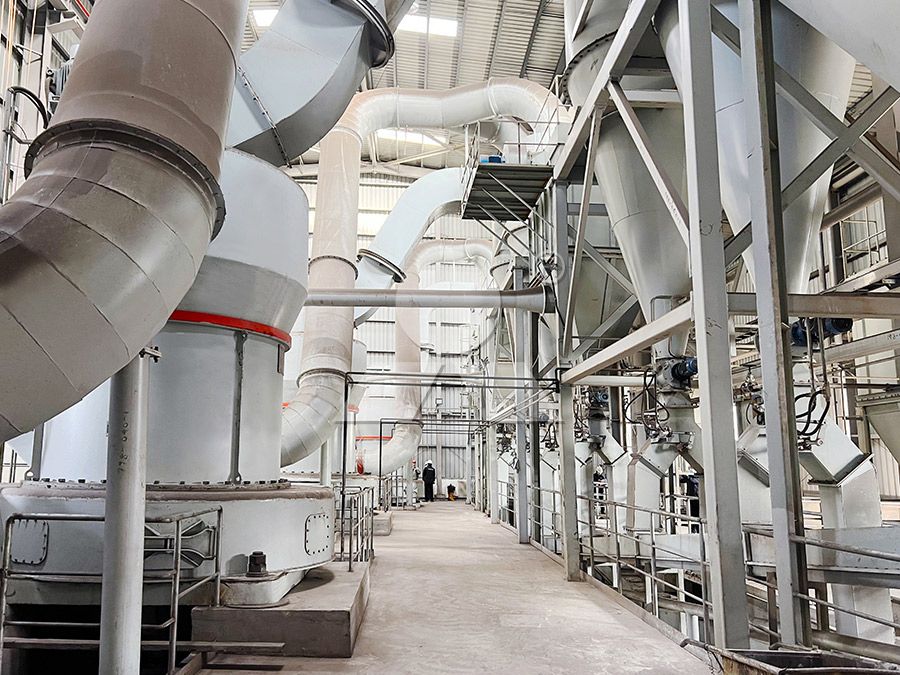
Carbon black particles are typically in the nanometer range, but they form strong agglomerates due to van der Waals forces. For ink production, the target fineness is usually between 325 mesh (44 µm) and 800 mesh (15 µm), depending on the application — newspaper inks require coarser grades, while high-gloss packaging inks need ultra-fine particles. The key challenge is to break these agglomerates without re-agglomeration, while maintaining low iron contamination (which affects ink color).
Raymond mills, with their centrifugal grinding action and integrated classification, are well-suited for this task. However, standard configurations often fall short when handling sticky or ultra-light materials like carbon black. This is where targeted modifications and auxiliary equipment come into play.
Step 1: Feed Preparation and Pre-Crushing
Raw carbon black often arrives in compressed bales or pellets. Before feeding into the Raymond mill, it must be crushed to below 25 mm. Using a jaw crusher or a hammer crusher in the front end ensures consistent feed size, which directly impacts mill throughput and product fineness. In Argentina, where humidity can vary significantly, a vibrating feeder with a variable frequency drive (VFD) helps maintain steady feed rates, preventing mill surges that cause vibration and quality fluctuations.
Pro tip: Install a magnetic separator before the mill to remove any ferrous contamination from packaging or handling — this protects the grinding rollers and ring from premature wear.
Step 2: Selecting the Right Raymond Mill Configuration
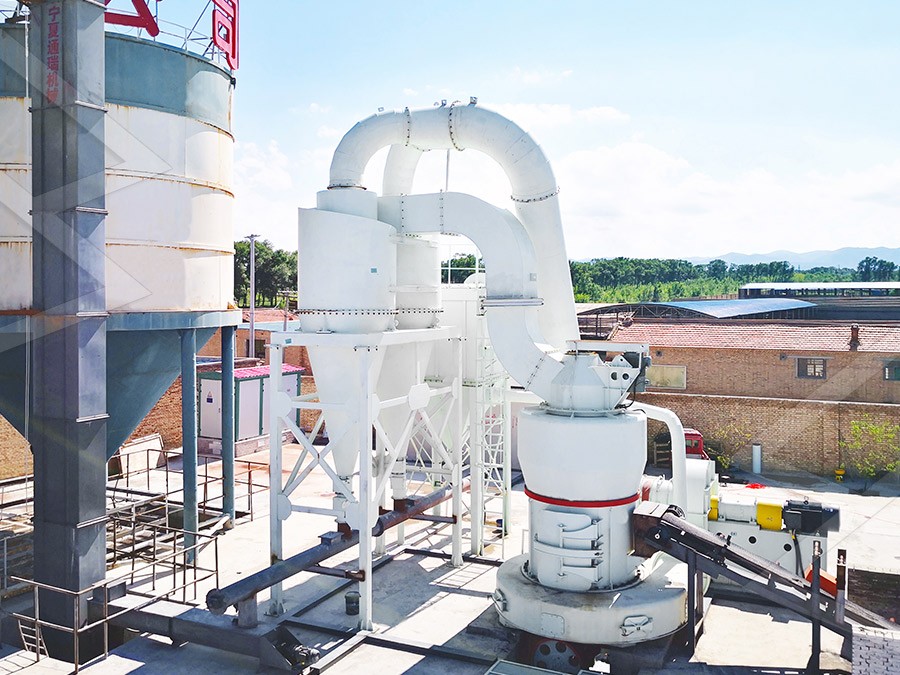
Not all Raymond mills are created equal. For carbon black processing, the following features are critical:
- Roller and ring material: Choose wear-resistant alloy steel (e.g., high-chrome or manganese steel) to handle the abrasiveness of carbon black. Standard carbon steel rollers may wear out within 300–500 hours, causing frequent downtime.
- Classifier design: A cage-type classifier with adjustable rotor speed provides precise fineness control. For ink-grade carbon black, aim for a classifier speed between 800–1200 RPM to achieve d97 ≤ 15 µm.
- Airflow management: Carbon black is light and tends to float. A negative pressure system with a baghouse dust collector (pulse-jet type) is essential to prevent dust leakage and product loss. The fan should be sized to maintain an air velocity of 1.5–2.5 m/s in the ducting.
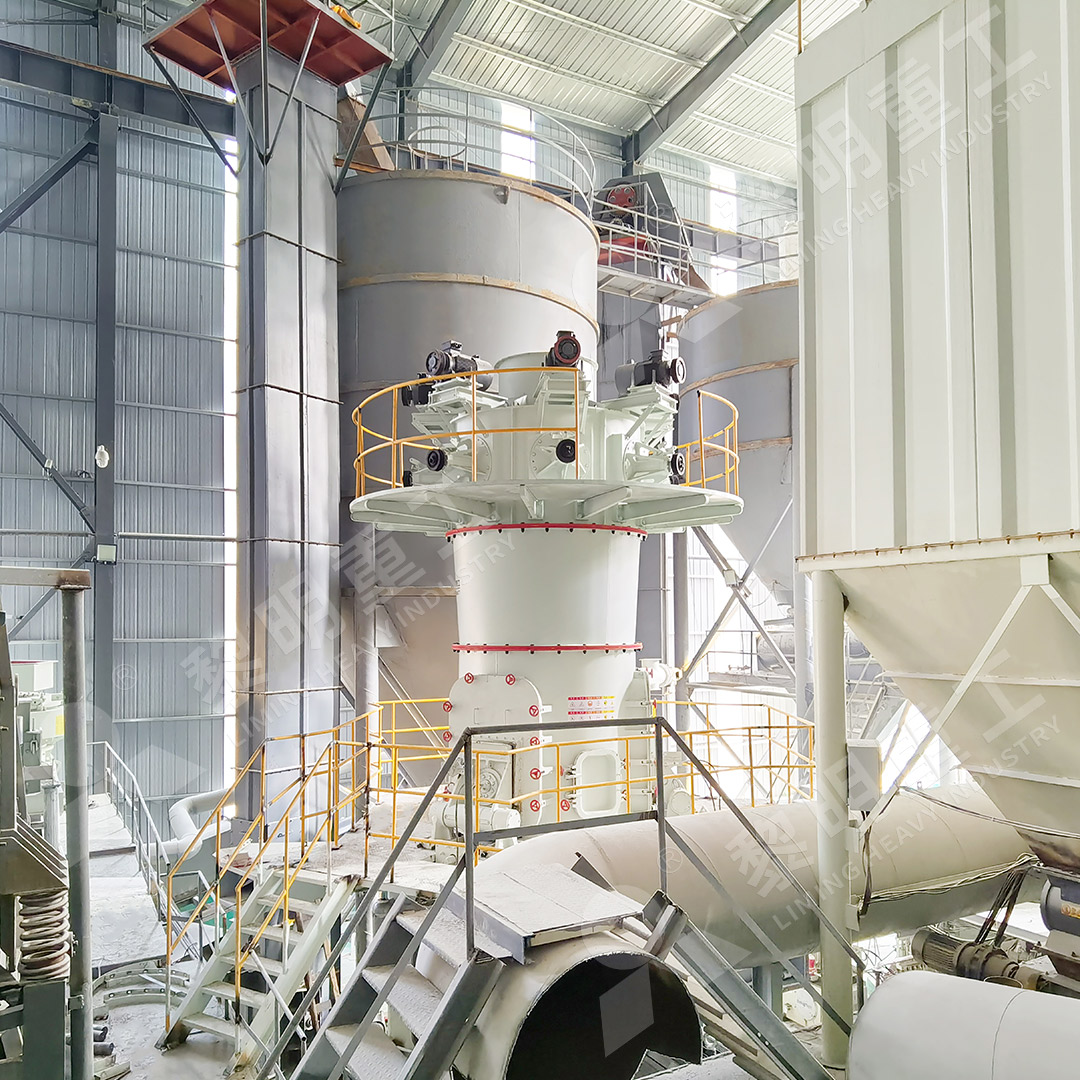
We recommend our MW Ultrafine Grinding Mill for this application. It features a pulse dust collector and muffler, significantly reducing environmental impact. Its grinding curves boost capacity by 40% compared to jet mills, and the fineness can be adjusted from 325 to 2500 mesh — perfect for premium ink production. The lubricating device is installed externally, allowing 24-hour continuous operation without shutdown for maintenance.
Step 3: Optimizing Grinding Parameters
Once the mill is configured, fine-tuning the operating parameters is where real optimization happens. Here are key levers to pull:
| Parameter | Optimal Range for Carbon Black | Impact on Output |
|---|---|---|
| Grinding roller pressure | 8–12 MPa (hydraulic) | Higher pressure increases throughput but may cause re-agglomeration if too high. |
| Classifier speed | 900–1100 RPM | Controls fineness; higher speed yields finer product but reduces capacity. |
| Feed rate | 1.5–3.0 tph (for MW mill) | Stable feed prevents mill surging; use VFD on feeder for precision. |
| Air volume | 8,000–12,000 m³/h | Ensures efficient particle transport and cooling. |
Critical note: Carbon black has a low ignition point. Monitor mill inlet temperature (keep below 80°C) and install a CO₂ fire suppression system if processing in large volumes. Safety first.
Step 4: Post-Grinding Classification and Collection
After grinding, the air stream carries particles to the classifier. Coarse particles return to the grinding chamber; fine fractions go to the cyclone collector and baghouse. For ink production, the final product should have a narrow particle size distribution (PSD). Use a laser particle size analyzer on-line to continuously monitor PSD and adjust classifier speed automatically. In Argentina’s varied climate, pay attention to air moisture — if relative humidity exceeds 70%, consider adding a dehumidifier to prevent caking in the baghouse.
Step 5: Addressing Common Operational Issues in Argentina
Based on field experience, Argentine ink manufacturers often face these specific challenges:
- Power fluctuations: The national grid can be unstable in some regions. Install a soft starter or VFD for the mill motor to handle voltage dips without tripping. Our MW mill’s motor can be equipped with a VFD for smooth start-up and energy savings of up to 30%.
- Spare parts availability: Importing parts from abroad can take weeks. Maintain a stock of critical wear parts (grinding rollers, rings, classifier blades). We offer sufficient supply of original spare parts to ensure worry-free operation.
- Environmental compliance: Argentina’s environmental regulations are tightening. Our MW mill’s pulse dust collector and muffler ensure dust emissions below 20 mg/Nm³ and noise under 85 dB — meeting local standards.
Case Study: A Successful Implementation in Buenos Aires
In 2023, a mid-sized ink manufacturer in Buenos Aires replaced their old ball mill with our MW Ultrafine Grinding Mill for carbon black processing. The results were impressive:
- Throughput increased from 1.2 tph to 2.8 tph (133% improvement).
- Product fineness improved from d90 = 25 µm to d97 = 10 µm, enabling entry into the high-end packaging ink market.
- Energy consumption dropped by 40% per ton of product.
- Downtime for roller replacement reduced from every 400 hours to every 1,200 hours.
This example underscores the value of selecting the right mill and optimizing the entire process chain.
Final Recommendations for Argentine Ink Producers
- Invest in a pre-crushing stage and a reliable feeding system to stabilize mill operation.
- Choose a Raymond mill with a cage classifier and wear-resistant components. Our MW Ultrafine Grinding Mill is purpose-built for such fine grinding tasks.
- Use on-line particle size analysis to close the control loop and maintain consistent quality.
- Plan for preventive maintenance, especially for classifier blades and baghouse filters.
- Partner with a supplier like LIMING that offers local technical support and spare parts availability in Latin America.
By following these guidelines, Argentine ink manufacturers can turn carbon black processing from a bottleneck into a competitive advantage — producing inks with deeper blackness, better dispersion, and lower cost per kilogram.
Frequently Asked Questions (FAQ)
- What is the ideal moisture content for carbon black before feeding into a Raymond mill?
Ideally below 3% moisture. Higher moisture causes caking in the mill and classifier, reducing efficiency. - Can the MW Ultrafine Grinding Mill handle both soft and hard carbon black grades?
Yes, it processes materials with Mohs hardness up to 7, covering all common carbon black types used in inks. - How often should I replace the grinding rollers? Is it difficult?
Roller life depends on abrasiveness, typically 800–1,200 hours for carbon black. The reversible structure allows easy replacement; we provide full technical support. - What is the typical payback period for upgrading from a ball mill?
Based on energy savings and increased throughput, payback is usually 8–14 months in Argentina’s current energy cost environment. - Can I use the same mill for other materials like talc or calcium carbonate?
Yes, with quick cleaning between batches. However, dedicate a mill to carbon black to avoid cross-contamination that affects ink color. - Is there a risk of fire or explosion when grinding carbon black?
Yes, if dust concentration exceeds the lower explosive limit. Always operate under negative pressure, use inert gas purging, and install explosion vents. Our mill’s sealed design minimizes risk. - What spare parts should I keep in stock?
Grinding roller assemblies (2–3 sets), grinding ring (1 set), classifier blades (6–8 pieces), and filter bags for the dust collector (2 full sets). - Does the MW mill require a special foundation?
A concrete foundation with vibration isolation pads is recommended, but the mill’s elastic volute damping reduces vibration transmission, making installation simpler than for ball mills.