
How to optimize limestone processing with industrial pulverizer for raw material for lime in usa
Understanding the Challenge of Limestone Processing for Lime Production in the USA
Limestone processing is a critical step in the production of lime, which is essential for various industries including steel manufacturing, water treatment, construction, and flue gas desulfurization in power plants. In the USA, the demand for high-quality quicklime and hydrated lime continues to grow, driven by environmental regulations and infrastructure projects. However, the efficiency of lime production heavily depends on how well the raw limestone is prepared before calcination.

The traditional approach often involves multiple stages of crushing and grinding, which can lead to high energy consumption, inconsistent particle sizes, and increased operational costs. Many plant managers in states like Missouri, Kentucky, and Texas are now looking for ways to optimize their grinding circuits to reduce wear, lower power usage, and achieve a finer, more uniform feed for the kiln.
This article provides a practical, technical guide on how to optimize limestone processing using modern industrial pulverizers, specifically focusing on the needs of lime producers in the American market.
Key Performance Indicators (KPIs) for Limestone Grinding
Before selecting or optimizing a pulverizer, it is essential to define what success looks like. For lime raw material, the following KPIs are critical:
- Fineness: Most lime kilns require a feed size between 325 mesh (44 microns) and 100 mesh (150 microns). For flash calcination, finer powder (d97 ≤ 10μm) is often needed.
- Moisture Control: Limestone often contains surface moisture. The grinding system must handle up to 5-10% moisture without clogging.
- Energy Efficiency: Grinding is one of the most energy-intensive processes. A optimized mill can reduce kWh per ton by 30-50%.
- Consistency: Variations in particle size distribution can cause severe issues in the kiln, leading to hard-burned or under-burned lime.
Choosing the Right Industrial Pulverizer for Limestone
Not all grinding mills are created equal. For limestone intended for lime production, the selection often comes down to the specific fineness requirement and capacity. Based on our extensive field data, we recommend two proven solutions that align perfectly with USA market demands.
1. The MW Ultrafine Grinding Mill: For High-Grade, Ultra-Fine Limestone Powder
For operators aiming to produce high-value, ultra-fine limestone powder (325-2500 mesh) for applications like desulfurization or chemical-grade lime, the MW Ultrafine Grinding Mill is the top choice. This machine is designed with German technology for precise powder separation.

One of the biggest pain points for US operators is maintenance. The MW mill eliminates rolling bearings and screws in the grinding chamber, which significantly reduces downtime. The lubricating device is mounted externally, allowing for 24-hour continuous operation without stopping for oiling. This is a game-changer for plants that run around the clock.
Furthermore, the system is equipped with a high-efficiency pulse dust collector and a muffler. This means the entire production line meets strict US EPA emission standards, which is a non-negotiable requirement for most states.
Where it shines: If your target fineness is below 600 mesh (d97 ≤ 10μm) and you need low iron contamination, the MW mill is your best bet. The capacity range (0.5-25 tph) is ideal for medium to large-scale pilot plants or specific product lines.
2. The LUM Ultrafine Vertical Grinding Mill: For High Capacity and Stability
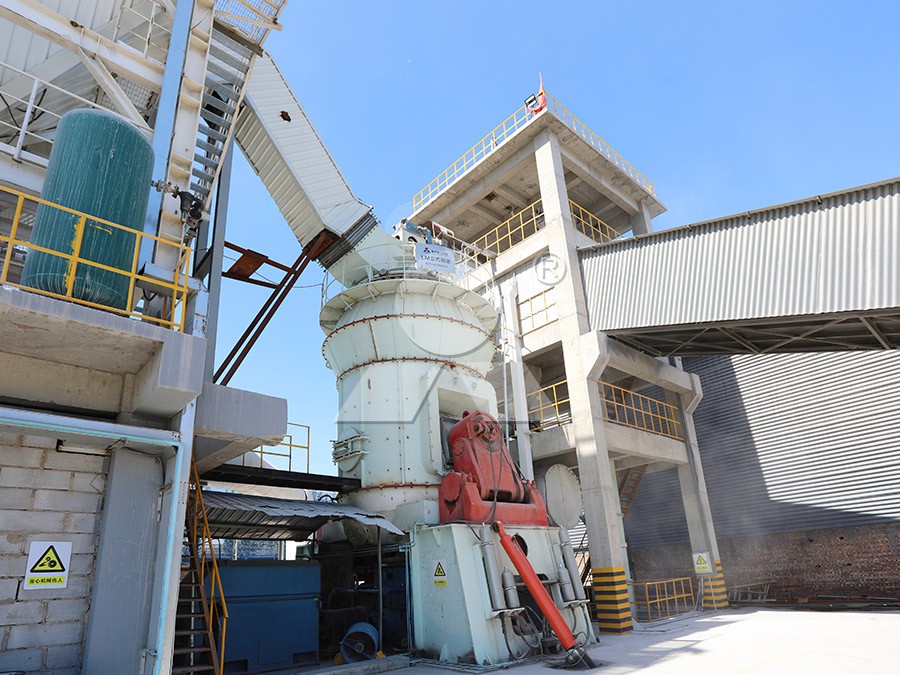
When the requirement shifts to higher throughputs (5-18 tph) with excellent powder quality, the LUM Ultrafine Vertical Grinding Mill stands out. This mill integrates grinding, grading, and drying in one unit, simplifying the overall process flow.
A common problem in traditional ball mills is the high iron content introduced by steel ball wear. The LUM mill solves this by using a roller and lining plate design that prevents direct metal-to-metal contact. This guarantees better whiteness and purity of the final lime raw material, which is critical for food-grade or pharmaceutical-grade applications.
The double position-limiting technology in the LUM mill ensures that even during sudden vibrations (e.g., from mine explosions or heavy feed spikes), the grinding rollers do not smash the millstone. This protects your investment and keeps the operation stable.
Optimizing the Grinding Circuit: Practical Tips
Simply buying a good mill is not enough. You must optimize the entire system. Here are four actionable strategies that we have seen work in American lime plants:
1. Pre-Crushing Strategy
Ensure that the feed size to the pulverizer is consistent. For the MW mill, keeping the input below 20 mm is crucial. Using a hammer crusher with a proper screen can increase the capacity of the main mill by 15-20%.
2. Airflow and Classifier Tuning
For the LUM mill, adjusting the rotating speed of the rotor vanes on the separator allows you to switch between different fineness demands quickly. If you are producing for different markets (e.g., steel vs. construction), this flexibility saves significant time.
3. Moisture Management
Both the MW and LUM mills can handle materials with moisture, but for best results, pre-dry the limestone if moisture exceeds 8%. The hot air entering the LUM mill can also be utilized for drying, making it a combined drying and grinding unit.
4. Regular Inspection of Wear Parts
The grinding rollers and rings are the heart of the mill. The MW mill features newly designed grinding curves that extend wear life by 40%. However, we recommend scheduled inspections every 500 hours. Using original spare parts from the manufacturer ensures you maintain the tight tolerances required for high-precision powder.
Environmental and Economic Benefits
The US lime industry is moving toward zero-emission facilities. By upgrading to a modern industrial pulverizer like the MW or LUM series, you achieve:
- 40% higher yield compared to jet mills for the same power.
- 30% lower system energy consumption compared to traditional ball mills.
- Zero dust pollution thanks to the efficient pulse dust collector.
- Lower noise levels with integrated silencers.
One operator in Ohio reported a decrease in energy costs by $18,000 per month after switching from a ball mill to a LUM Ultrafine Vertical Grinding Mill. The ROI was realized in less than 18 months.
Conclusion
Optimizing limestone processing for lime raw material in the USA is not just about buying equipment; it is about integrating the right technology into your existing workflow. Whether you choose the MW Ultrafine Grinding Mill for its ultra-fine capability and dust-free operation, or the LUM Ultrafine Vertical Grinding Mill for its high capacity and stability, you are investing in lower operating costs and better product quality.
We encourage you to review your current grinding circuit. If you are struggling with high energy bills, frequent maintenance shutdowns, or inconsistent powder fineness, it is time to upgrade to a solution that is built for the demands of the modern American lime industry.
Frequently Asked Questions (FAQ)
- What is the ideal feed size for the MW Ultrafine Grinding Mill when processing limestone?
The recommended input size is 0-20 mm. It is best to pre-crush large rocks using a hammer crusher to ensure optimal performance and prolong the life of the grinding rollers. - Can the LUM Ultrafine Vertical Grinding Mill handle limestone with high moisture content?
Yes. The LUM mill integrates drying and grinding. It can handle materials with up to 10% moisture by introducing hot air into the air intake. This eliminates the need for a separate dryer in many cases. - How do I adjust the fineness of the final powder on the MW mill?
The MW mill uses a cage-type powder selector based on German technology. You can adjust the fineness between 325 and 2500 mesh by changing the rotating speed of the classifier rotor. - What is the typical energy savings when switching from a ball mill to the LUM vertical mill?
The LUM mill reduces energy consumption by 30% to 50% compared to traditional ball mills due to its efficient material bed grinding principle and multi-head powder separator. - Is the dust collector included with the MW mill sufficient for US EPA regulations?
Yes. The MW mill comes equipped with an efficient pulse dust collector and a silencer. The system operates under negative pressure, ensuring no dust spills outside, and it meets strict environmental protection standards. - How often do I need to replace the grinding rollers on the MW mill?
The wear life depends on the hardness of the limestone and operating hours. However, the newly designed grinding curves enhance efficiency and reduce wear. Typically, rollers last 800-1200 hours before needing replacement. We recommend using original spare parts to maintain precision. - Can these mills be used for other materials besides limestone?
Absolutely. Both the MW and LUM mills are highly versatile. They are suitable for calcite, dolomite, marble, barite, gypsum, talc, and other non-metallic minerals with a Mohs hardness of less than 9. - What is the maintenance schedule for the external lubrication system on the MW mill?
The external lubricating device allows for lubrication without stopping the machine. We recommend checking the oil level daily and performing a full oil change every 500 operating hours to ensure smooth 24-hour continuous operation. - Do you provide technical support for installation in the USA?
Yes. Our company provides comprehensive technical services and original spare parts. We can send engineers for on-site supervision of installation and commissioning to ensure worry-free operation. - What is the capacity range for the LUM mill for limestone?
The LUM Ultrafine Vertical Grinding Mill has a capacity range of 5 to 18 tph, depending on the fineness required. It is ideal for medium to large-scale lime production lines.