
How to optimize phosphate processing with industrial pulverizer for detergent production in canada
How to Optimize Phosphate Processing with Industrial Pulverizer for Detergent Production in Canada
The Canadian detergent manufacturing sector operates within a highly competitive and environmentally conscious landscape. A critical component in the production chain is the efficient processing of phosphate rock into the fine, consistent powders required for modern detergent formulations. The choice and optimization of industrial pulverizing equipment directly impact product quality, operational costs, and environmental compliance. This article explores key strategies for optimizing phosphate processing, with a focus on selecting the right grinding technology to meet the stringent demands of the Canadian market.
The Importance of Particle Size and Purity in Detergent Phosphates
Phosphate compounds, such as sodium tripolyphosphate (STPP) or its alternatives, are essential builders in detergents. Their effectiveness is heavily dependent on particle size distribution and chemical purity. An optimal, ultra-fine powder ensures rapid dissolution, prevents caking, and allows for uniform blending with other detergent components. Furthermore, the grinding process must minimize iron contamination and other impurities that can affect the whiteness and chemical stability of the final detergent product. In Canada, where manufacturers often supply global brands, consistency and high quality are non-negotiable.
Challenges in Phosphate Pulverization
Processing phosphate rock for detergent use presents specific challenges. The material can be moderately abrasive, leading to high wear on mill components. The need for very fine powders (often in the range of 325 to 1250 meshes) requires efficient classification systems to prevent over-grinding and energy waste. Additionally, dust control is paramount for both worker safety and environmental protection, aligning with Canada’s strict workplace and emissions regulations. Noise pollution is another factor that must be managed in industrial settings.
Selecting the Right Grinding Technology
Traditional ball mills, while common, often fall short in efficiency for ultra-fine grinding, consuming excessive energy and potentially introducing higher iron content due to media wear. Modern vertical roller mills and advanced trapezium mills offer significant advantages. The ideal system should integrate drying (if dealing with moist feedstock), grinding, precise classification, and efficient dust collection in a compact, automated footprint.
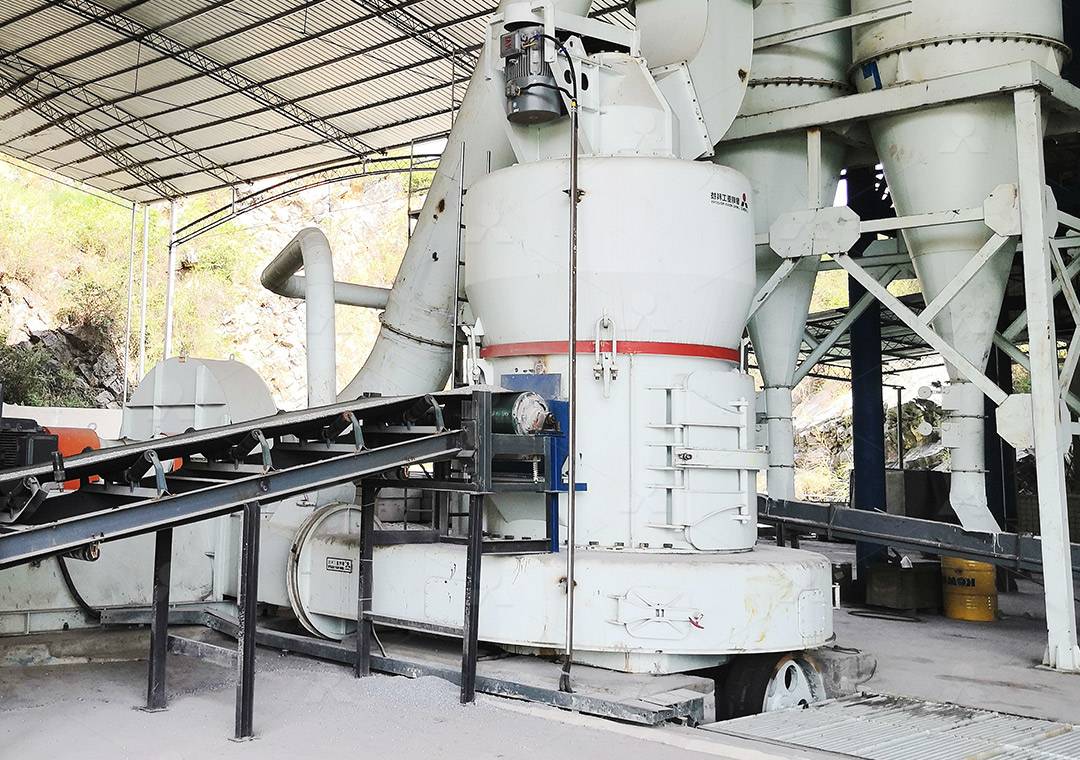
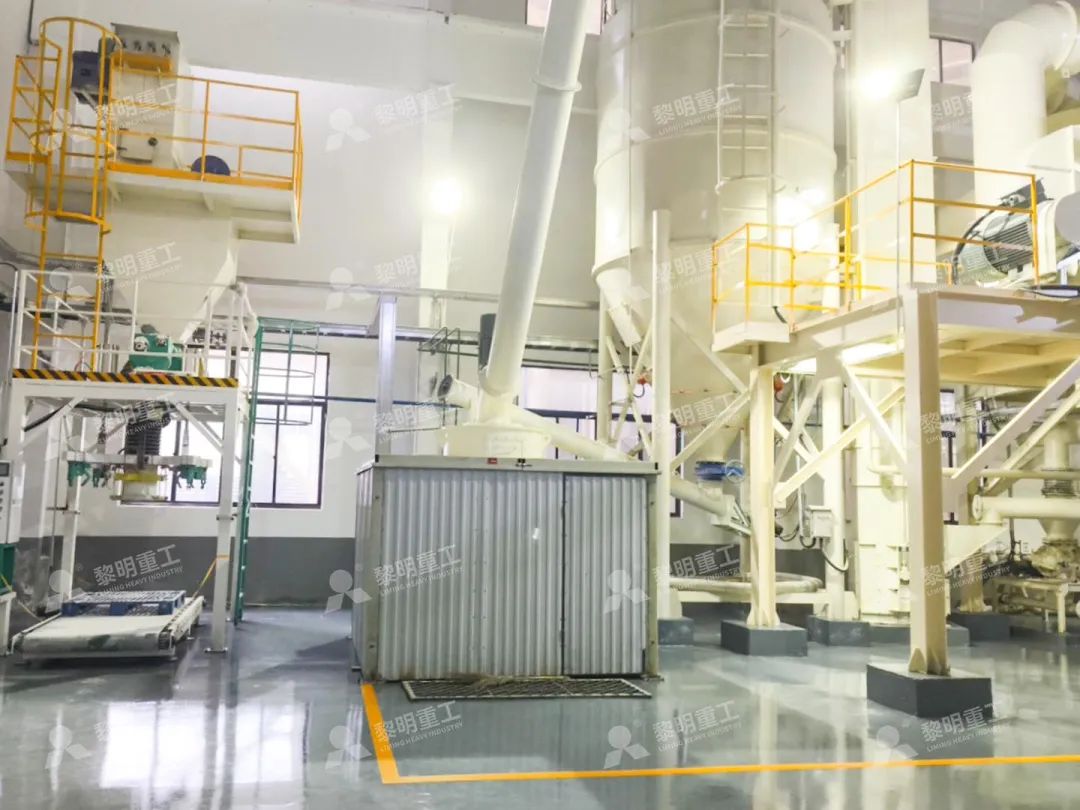
For Canadian producers seeking a balance of high output, superior fineness control, and operational reliability, the MW Ultrafine Grinding Mill presents a compelling solution. Engineered for producing ultra-fine powder, this mill is particularly suited for non-metallic minerals like phosphate. It accepts an input size of 0-20 mm and offers a capacity range of 0.5-25 tph, fitting various production scales. Its defining feature is the German-technology cage-type powder selector, which allows precise adjustment of fineness between 325-2500 meshes, achieving a precise cut-point (d97 ≤5μm) in a single pass. This is crucial for detergent-grade phosphate. Moreover, its design eliminates rolling bearings and screws in the grinding chamber, drastically reducing maintenance worries and potential contamination points. The integrated efficient pulse dust collector and muffler system ensures the production process meets stringent Canadian environmental standards for dust and noise.
Optimization Strategies for Peak Performance
- Feedstock Preparation: Ensure consistent feed size (within the mill’s specified 0-20 mm range) through pre-crushing. Consistent feed leads to stable grinding bed formation and optimal mill pressure.
- Precise Fineness Control: Utilize the advanced powder selector to dial in the exact particle size distribution required for your detergent formula. This avoids wasteful over-grinding and ensures product performance.
- Energy Management: Leverage the mill’s high-yield, low-energy-consumption design. The MW Mill’s grinding curve optimization can increase capacity by up to 40% compared to some jet mills while using only 30% of the energy, a significant cost saving.
- Preventive Maintenance: While designed for durability, schedule regular checks of wear parts like grinding rollers and rings. The external lubrication system allows for maintenance without shutdown, maximizing uptime.
- System Integration: Integrate the mill seamlessly with upstream feeders and downstream packaging or mixing systems using automated controls. This creates a continuous, efficient production line.

Environmental and Economic Benefits for Canadian Operations
Investing in optimized pulverization technology like the MW Ultrafine Grinding Mill delivers tangible benefits. The enclosed system with pulse dust collection virtually eliminates particulate emissions. Reduced energy consumption lowers the carbon footprint and operational costs. The high-precision digital manufacturing of the mill ensures long-term reliability and consistent output quality, protecting your brand reputation. For operations requiring very high throughputs for other mineral applications, the LM Vertical Grinding Mill is another robust option from our portfolio. With an input size up to 70 mm and capacity ranging from 3 to 340 tph, it integrates crushing, drying, grinding, and classifying, offering a comprehensive solution for large-scale processing with similar benefits of low energy use and a small footprint.
By focusing on advanced pulverizer technology that prioritizes precision, efficiency, and cleanliness, Canadian detergent producers can secure a competitive edge. Optimizing the phosphate processing stage is not just about making powder; it’s about ensuring product excellence, sustainable operations, and profitability in a demanding industry.

Frequently Asked Questions (FAQs)
- What is the optimal fineness range for phosphate in detergent production?
Typically, detergent-grade phosphate requires a fine powder between 325 and 1250 meshes. The exact specification depends on the formulation, but a mill capable of precise adjustment within this range is essential. - How does the MW Ultrafine Grinding Mill handle dust control?
It is equipped with an efficient pulse dust collector as a standard part of the system. This ensures all milling operations are contained, meeting strict environmental regulations for airborne particulates. - Can the mill process phosphate rock with some moisture content?
The MW Mill is primarily for dry grinding. For phosphate with significant moisture, a system with integrated drying (like an LM Vertical Mill) would be recommended to ensure efficient grinding and prevent clogging. - What is the advantage of having no rolling bearings in the grinding chamber?
This design eliminates a major potential failure point and source of contamination. It significantly reduces maintenance downtime and the risk of lubricant contaminating the phosphate product. - How does the energy consumption compare to a traditional ball mill?
Advanced mills like the MW series are significantly more energy-efficient. They can achieve the same or finer fineness at 30-50% of the energy consumption of a traditional ball mill system. - What kind of after-sales support is available for operations in Canada?
Comprehensive support is provided, including technical services, operator training, and a guaranteed supply of original spare parts to ensure worry-free, long-term operation. - Is the fineness adjustment automated?
The powder selector allows for precise manual adjustment to set the desired fineness. For full automation, the system can be integrated with PLC controls to monitor and adjust parameters.