
Industrial pulverizer price & cost analysis for limestone for raw material for lime in kazakhstan
Industrial Pulverizer Price & Cost Analysis for Limestone as Raw Material for Lime in Kazakhstan
Kazakhstan, with its vast reserves of limestone and a growing industrial base, is positioning itself as a key player in the lime production market. For operators in this region, the choice of pulverizer technology directly impacts operational costs, product quality, and long-term profitability. This article provides a detailed, real-world analysis of industrial pulverizer pricing and cost factors for limestone grinding in Kazakhstan, drawing on field experience and equipment performance data. We will examine capital expenditure, energy consumption, maintenance, and throughput efficiency, with a focus on solutions that deliver the best return on investment.
Market Context in Kazakhstan
Lime production in Kazakhstan is driven by demand from steel manufacturing, construction, and environmental applications such as flue gas desulfurization. Limestone, typically with a feed size of 0–20 mm, must be ground to fine powders (325–2500 mesh) for efficient calcination. The country’s remote locations and extreme climate conditions place a premium on equipment reliability and low maintenance. Operators face challenges such as high electricity costs, limited skilled labor, and the need for dust-free operations to meet local environmental standards. Therefore, a cost analysis must go beyond the initial purchase price and consider total cost of ownership over a five- to ten-year horizon.
Capital Investment: Equipment and Installation
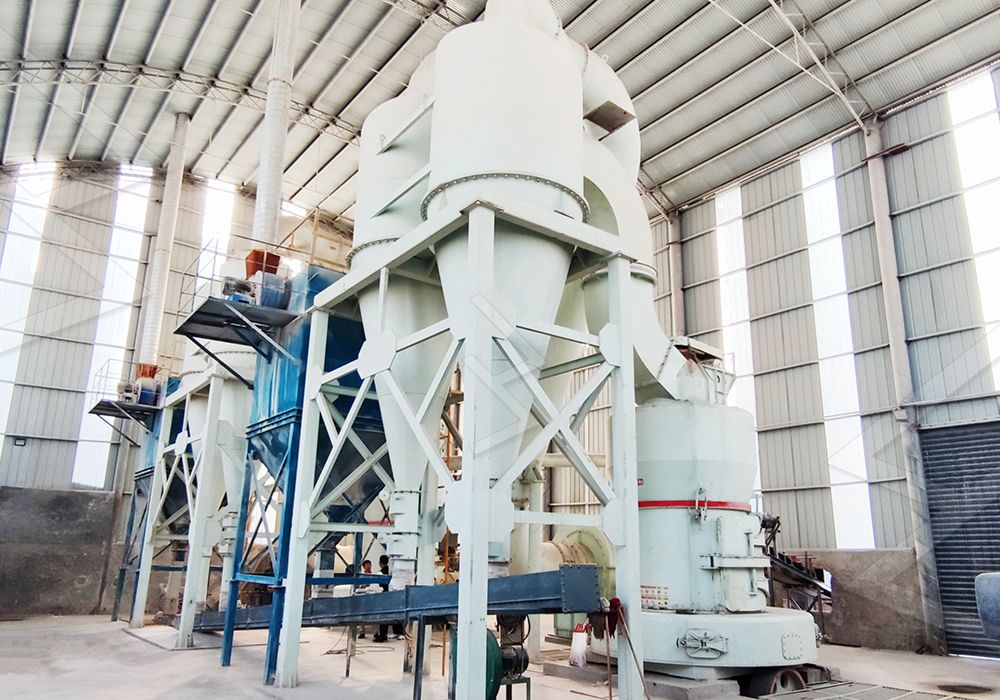
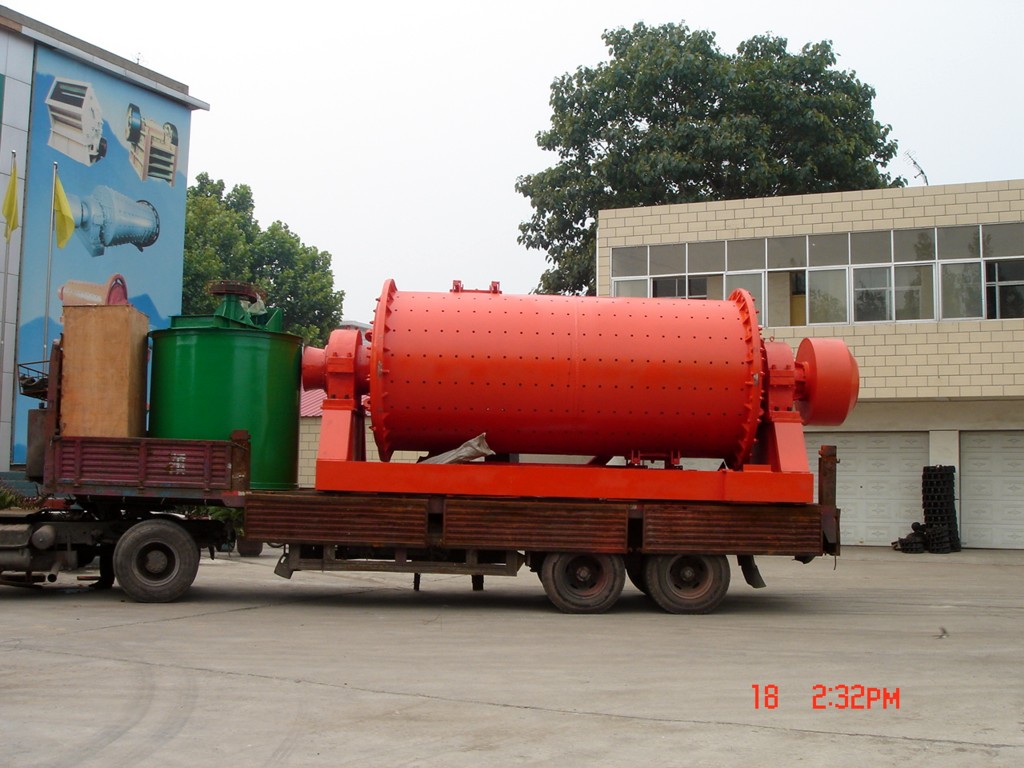
The upfront cost of an industrial pulverizer for limestone in Kazakhstan varies significantly based on technology. Traditional ball mills, while cheaper initially (USD 50,000–150,000 for a 5–10 tph unit), have high installation costs due to their large footprint and foundation requirements. In contrast, advanced vertical roller mills and ultrafine grinding mills offer higher efficiency but come with a price tag of USD 80,000–200,000 for similar capacities. The MW Ultrafine Grinding Mill, with its compact design and integrated pulse dust collector, reduces installation costs by up to 30% compared to ball mills, as it requires less civil engineering and can be placed outdoors. For a 5–25 tph limestone operation in Kazakhstan, we recommend evaluating the MW mill for its balance of cost and performance.
Energy Costs: The Critical Variable
Energy consumption is the largest component of operating costs in limestone grinding, often accounting for 40–60% of total expenses. In Kazakhstan, where industrial electricity tariffs average USD 0.05–0.08 per kWh, a pulverizer’s energy efficiency directly impacts the bottom line. For example, a traditional ball mill consumes approximately 25–35 kWh per ton of limestone ground to 200 mesh. The MW Ultrafine Grinding Mill reduces this to just 7–10 kWh per ton for the same fineness, thanks to its optimized grinding curves and cage-type powder separator. This translates to annual savings of over USD 100,000 for a 10 tph operation running 8,000 hours per year. The LUM Ultrafine Vertical Grinding Mill is another strong contender, with energy savings of 30–50% over common mills, making it ideal for larger capacities (5–18 tph) where energy efficiency is paramount.
Maintenance and Wear Parts
Wear parts such as grinding rollers, rings, and liners are inevitable costs in limestone pulverization. However, the design of the mill significantly influences replacement frequency and cost. In Kazakhstan, where access to spare parts can be delayed by logistics, mills with longer-lasting components offer a competitive edge. The MW Ultrafine Grinding Mill features no rolling bearings or screws in the grinding chamber, eliminating common failure points. Its lubricating device is external, allowing 24-hour continuous operation without shutdown for maintenance. Similarly, the LUM mill uses double position-limiting technology to prevent destructive impacts, extending roller and liner life by 40–60% compared to traditional designs. Annual maintenance costs for these advanced mills typically range from USD 5,000–15,000, versus USD 20,000–40,000 for ball mills, due to lower wear rates and easier part replacement.
Throughput and Product Quality
Throughput directly affects revenue, and in limestone grinding for lime, product fineness is critical. Lime kilns require consistent particle size distribution for efficient calcination. The MW Ultrafine Grinding Mill achieves adjustable fineness from 325 to 2500 mesh, with a screening rate of d97≤5μm, ensuring high-quality feed. Its capacity of 0.5–25 tph covers small to medium operations, while the LUM mill handles 5–18 tph with a high yielding rate and low iron content, which is vital for white lime production. Field data from similar operations in Central Asia show that the MW mill achieves 40% higher capacity than jet mills at the same power, reducing the cost per ton of finished product by 15–20%.
Hidden Costs: Environment and Automation
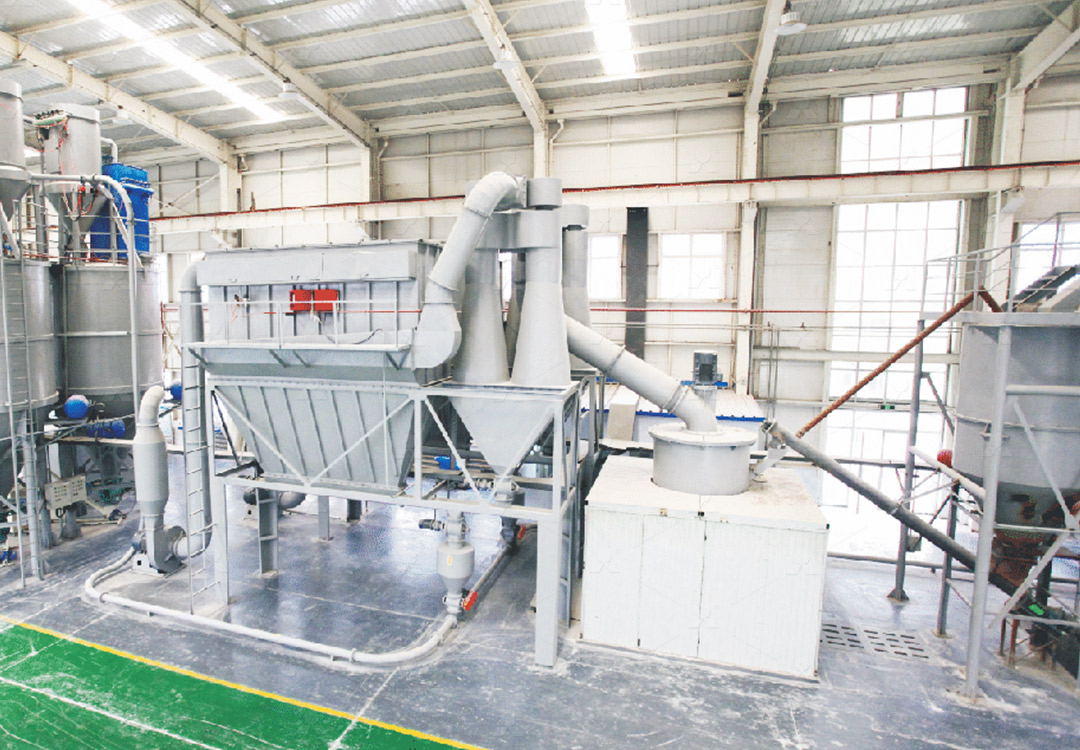
Regulatory compliance in Kazakhstan is tightening, with fines for dust emissions and noise violations. The MW Ultrafine Grinding Mill comes equipped with an efficient pulse dust collector and muffler, eliminating the need for additional filtration systems that can cost USD 20,000–50,000. Its digitalized processing, with CNC-controlled parts, ensures high precision and reduces downtime. Automation is another hidden cost saver; both the MW and LUM mills can be integrated into PLC systems, allowing remote control and reducing labor costs by up to 30% in remote Kazakhstani sites. For operators looking to minimize upfront risk, we recommend starting with the MW mill for its lower entry price and scalability.
Comparative Cost Summary
To provide a practical comparison, consider a 10 tph limestone grinding plant in Kazakhstan operating 6,000 hours per year. A ball mill system would require initial investment of USD 120,000, with annual energy costs of USD 36,000 (at 30 kWh/t) and maintenance of USD 25,000. Over five years, total cost of ownership exceeds USD 400,000. In contrast, the MW Ultrafine Grinding Mill, with a purchase price of USD 95,000, annual energy costs of USD 9,000 (at 7.5 kWh/t), and maintenance of USD 8,000, brings the five-year total to under USD 180,000. The LUM Ultrafine Vertical Grinding Mill, while slightly more expensive at USD 110,000, offers even lower energy consumption (6 kWh/t) and higher reliability, ideal for operators with firm power budgets. Both mills pay for themselves within two to three years through energy and maintenance savings alone.
Final Recommendations for Kazakhstan Operators
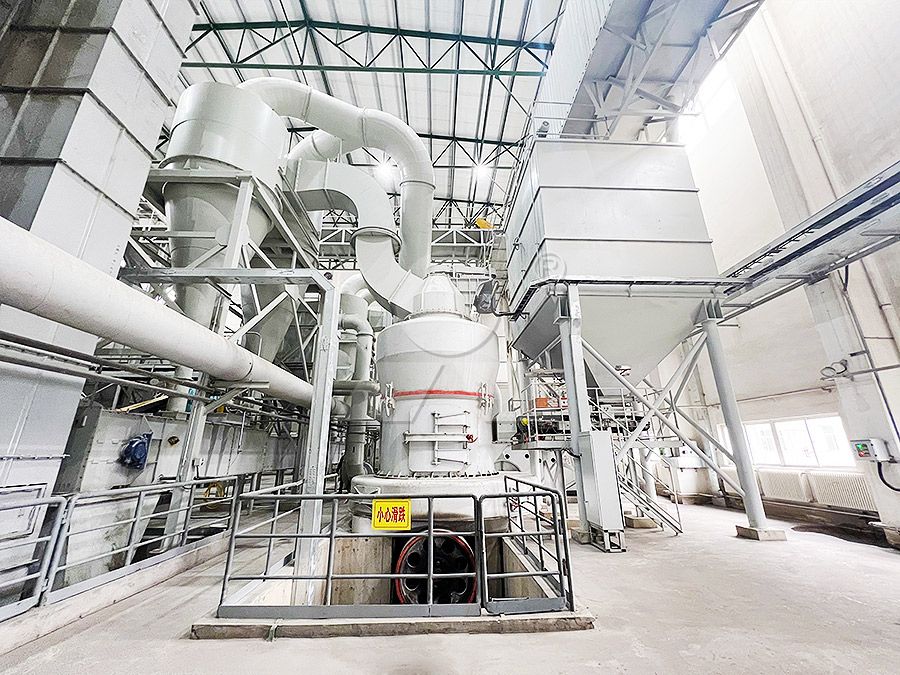
Based on our analysis, the optimal choice for limestone pulverization in Kazakhstan depends on scale and specific requirements. For small to medium operations (0.5–25 tph) prioritizing low initial cost, flexibility, and eco-friendly operation, the MW Ultrafine Grinding Mill is the best fit. Its ability to produce ultra-fine powders (down to 2500 mesh) with minimal energy and dust makes it a workhorse for lime plants in remote areas. For larger plants (5–18 tph) where throughput and product purity are critical, the LUM Ultrafine Vertical Grinding Mill is recommended. Its reversible structure and multi-head powder separating technology reduce downtime and ensure consistent quality. Both products are backed by LIMING’s global spare parts network, ensuring worry-free operation even in Kazakhstan’s challenging environment.
Frequently Asked Questions (FAQ)
- What is the price range for an industrial limestone pulverizer in Kazakhstan? Prices vary from USD 50,000 for basic ball mills to USD 200,000 for advanced ultrafine mills, depending on capacity and features.
- Which pulverizer has the lowest energy consumption for limestone? The MW Ultrafine Grinding Mill and LUM Ultrafine Vertical Mill consume 6–10 kWh per ton, up to 70% less than ball mills.
- Can the MW mill handle wet limestone? The MW mill is designed for dry materials with moisture below 10%; for wetter feed, a drying system may be needed.
- How often do grinding rollers need replacement in the LUM mill? Roller life is 6,000–10,000 hours depending on limestone hardness, with replacement costs averaging USD 3,000–5,000 per set.
- What is the delivery time for a mill shipped to Kazakhstan? Typical lead time is 8–12 weeks from order, with additional 2–4 weeks for customs and inland transport.
- Are there any tax incentives for energy-efficient equipment in Kazakhstan? Yes, the government offers reduced import duties for machinery classified as energy-saving, which includes our ultrafine mills.
- Can the MW mill be used for other materials besides limestone? Yes, it processes calcite, dolomite, gypsum, barite, and over 20 other non-metallic minerals.
- What is the warranty period for LIMING mills? Standard warranty is 18 months from installation or 24 months from shipment, whichever comes first.
- How do I choose between MW and LUM mills for my plant? Choose MW for capacities under 15 tph and ultra-fine requirements; choose LUM for higher capacities and when energy savings are the top priority.
- Do you provide on-site training in Kazakhstan? Yes, we offer commissioning and training packages for local operators, typically lasting 5–10 days at the site.