
Using roller mill for dolomite for soil conditioner in bolivia
Introduction: Why Dolomite Matters for Bolivian Agriculture
Bolivia’s agricultural sector faces a persistent challenge: soil acidity. Across the highlands and valleys, from the Altiplano to the subtropical regions, over-farming and natural weathering have driven pH levels down, locking up essential nutrients and stunting crop growth. For farmers growing quinoa, potatoes, soybeans, or corn, the solution often begins with dolomite. This calcium-magnesium carbonate mineral neutralizes acidity, supplies vital nutrients, and improves soil structure. But the effectiveness of dolomite as a soil conditioner depends entirely on its fineness. Coarse particles react slowly; ultra-fine powder works fast. That is where modern roller mill technology enters the picture.
Imagine a farmer in Santa Cruz spreading dolomite dust that feels like talc. That powder, with particles smaller than 50 microns, can break down in the soil within weeks, raising pH and releasing magnesium for photosynthesis. Achieving that consistency requires equipment engineered for precision, durability, and efficiency. In Bolivia, where electricity costs can strain budgets and maintenance expertise may be scarce, the grinding solution must be robust yet simple.
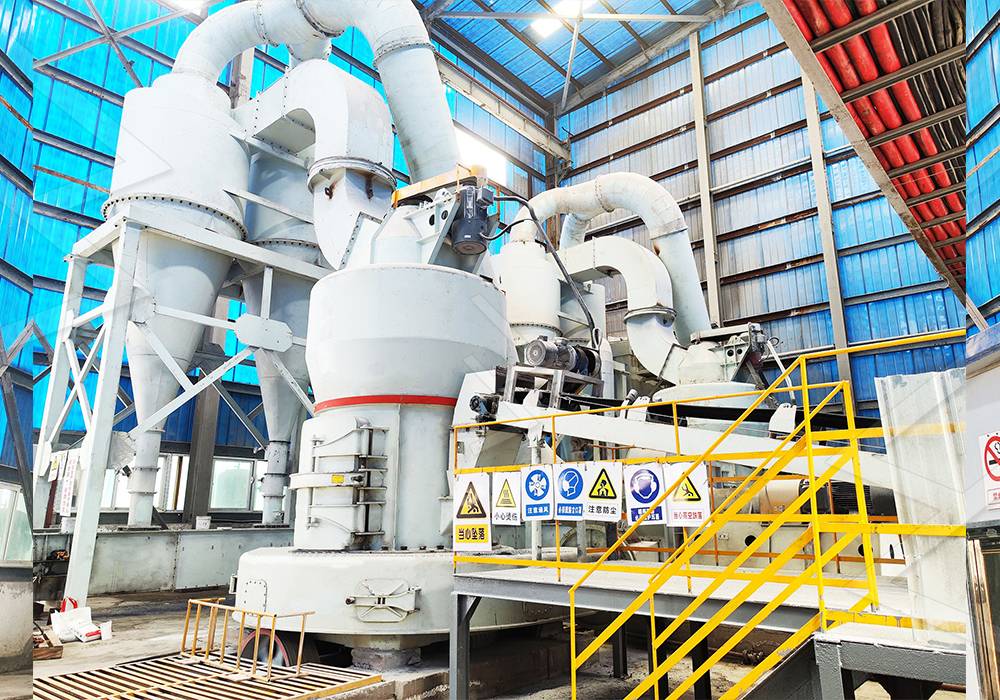
This article explores the technical requirements for processing dolomite into soil conditioner in Bolivia, examines the strengths of different roller mill designs, and recommends specific machines that balance productivity with operational ease. We draw on real-world data from limestone and dolomite operations in similar conditions—high altitude, variable humidity, and remote locations.
The Science of Fineness: Why 325 to 2500 Mesh Matters
Soil scientists agree: for rapid correction of acidity, dolomite should have at least 90% passing through a 100-mesh sieve (149 microns), and ideally 50% passing through 200 mesh (74 microns). But the gold standard—especially for magnesium-deficient soils—is ultra-fine powder in the range of 325 mesh (44 microns) to 800 mesh. At these sizes, the surface area per gram skyrockets, accelerating chemical reaction with soil acids.
Bolivia’s diverse climates demand flexibility. In the humid Yungas region, fast-acting powder prevents nutrient leaching during heavy rains. In the arid Altiplano, slower-releasing coarser grades may suffice. A versatile mill must produce fineness from 325 mesh up to 2500 mesh (d97 ≤ 5 μm) with a simple adjustment. This is not theoretical; it is a daily requirement for mills supplying the agricultural sector.
The LUM Ultrafine Vertical Grinding Mill, for instance, integrates a multi-head powder separator derived from German technology. This allows operators to dial in the exact particle size distribution without stopping production. For a Bolivian cooperative producing both quick-release and slow-release conditioner, that flexibility reduces the need for multiple machines.
Machinery Considerations: Hardness, Capacity, and Altitude
Dolomite sits at 3.5 to 4 on the Mohs hardness scale—softer than quartz but abrasive enough to wear down inferior mill components. In Bolivia, where many operations are small to medium scale (handling 0.5 to 20 tons per hour), the grinding mill must handle input sizes up to 20 mm while maintaining high yields.
Altitude presents another factor. La Paz sits at 3,650 meters; Potosí at 4,090. Thin air means less oxygen for combustion and reduced cooling efficiency for electric motors. Mills designed with oversize motors and efficient heat dissipation, such as the MW Ultrafine Grinding Mill, perform reliably in these conditions. Its design eliminates rolling bearings and screws inside the grinding chamber, removing failure points that plague traditional mills at high altitude.
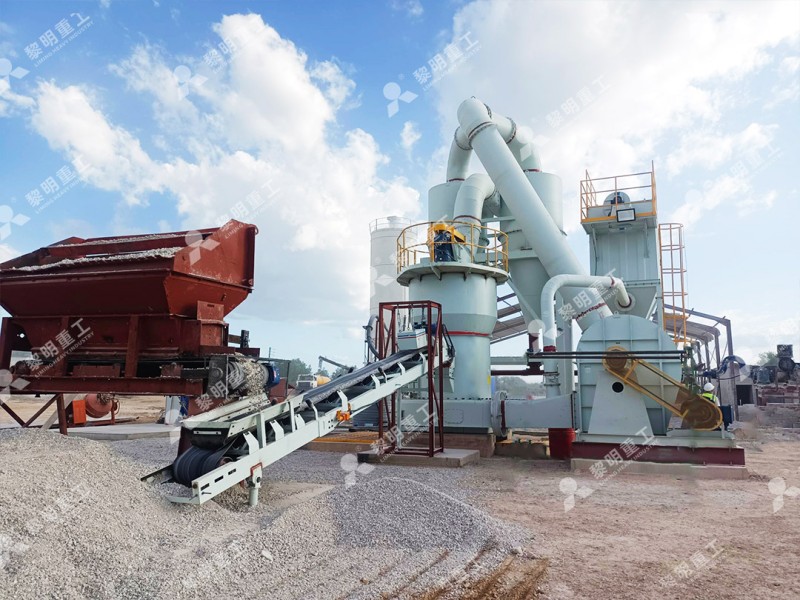
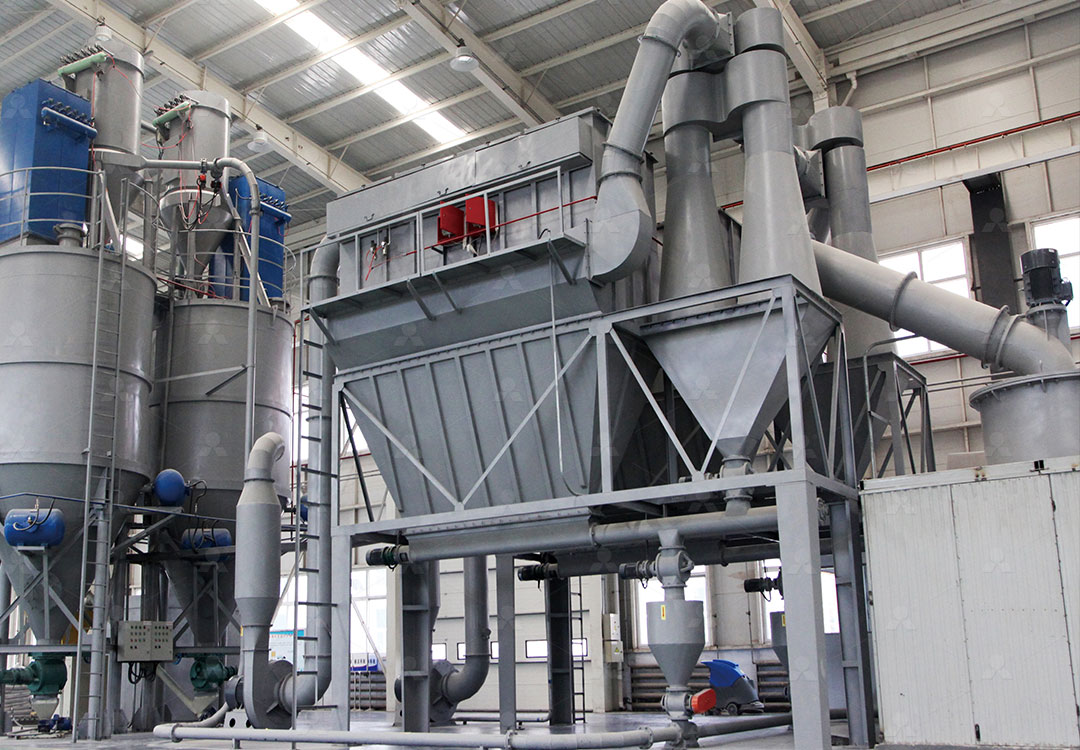
A typical setup for a Bolivian dolomite processing plant includes a jaw crusher reducing run-of-mine rock to under 20 mm, a bucket elevator feeding a hopper, and a vibrating feeder metering material into the mill. The system must be closed-loop to contain dust, which is both a health hazard and a product loss. The MW mill’s pulse dust collector captures 99.9% of fines, making it suitable for environmentally sensitive areas near Lake Titicaca or protected watersheds.
Recommending the Right Machine: MW and LUM for Bolivia
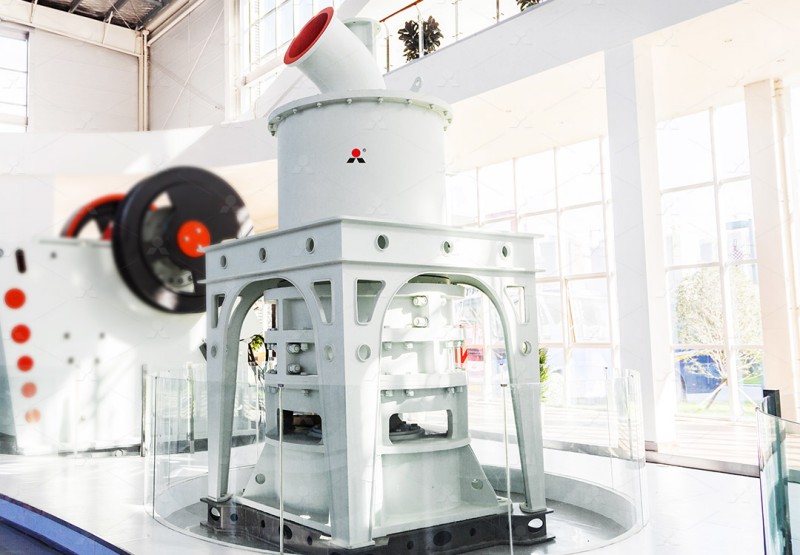
For most Bolivian dolomite grinding operations with capacities between 1 and 15 tons per hour, I recommend two machines from LIMING’s lineup. The first is the MW Ultrafine Grinding Mill (input size 0-20 mm, capacity 0.5-25 tph). This is the workhorse for producers who need consistent 325 to 1250 mesh product with minimal maintenance. Its grinding curves boost capacity by 40% over jet mills while cutting energy use to 30%. In a country where diesel generators sometimes supplement the grid, lower kWh per ton translates directly to profit.
The second recommendation is the LUM Ultrafine Vertical Grinding Mill (input size 0-10 mm, capacity 5-18 tph) for larger operations or those requiring even finer product down to 2500 mesh. Its double position-limiting technology prevents destructive vibration—a crucial feature when processing uneven feed in remote sites where a mill shutdown could idle a whole plant for days. The reversible structure lets a single operator swap roller shells in hours, not shifts.
Both mills feature digitalized manufacturing from steel cutting to final assembly, ensuring replacement parts fit precisely. LIMING stocks spare parts globally and provides technical support via satellite phone or online channels, a lifeline for Bolivian engineers far from service centers.
Operational Reality: Training, Maintenance, and ROI
In Bolivia, skilled millwrights are rare. Therefore, equipment must be forgiving. The MW mill’s maintenance-free lubrication system, with oil bath externally accessible, means operators can grease without stopping the mill—essential for 24-hour production cycles during harvest season. The absence of screws and rolling bearings inside the grinding chamber eliminates the most common cause of catastrophic failure: a loose screw falling into the grinding path.
Financial payback is straightforward. A 5 tph MW mill running dolomite for 16 hours daily produces 80 tons per day. At a conservative market price of $30 per ton for ultra-fine agricultural dolomite in Bolivia, daily revenue reaches $2,400. Monthly, that is over $60,000. Electricity, labor, and wear parts might consume 40% of that, leaving a healthy margin. The initial investment in the mill and ancillary equipment often recovers within 12 to 18 months.
For cooperatives or smaller operators, LIMING offers the MTW European Trapezium Mill or even the classic Raymond Mill for entry-level capacity. But for those serious about competing in the premium soil conditioner market, the MW or LUM series is the smarter long-term choice.
Conclusion
Bolivia’s agricultural future depends on healthy soils. Dolomite, ground to ultra-fine specification, is a proven remedy for acidity and magnesium deficiency. But the mill that produces that powder must be reliable, energy-efficient, and easy to maintain under harsh conditions. The MW Ultrafine Grinding Mill and LUM Ultrafine Vertical Grinding Mill meet these criteria with engineering that prioritizes uptime and product quality. Whether you are starting a new plant in Cochabamba or upgrading an existing operation in Tarija, investing in the right roller mill technology turns mineral rock into a tool for food security.
Frequently Asked Questions (FAQ)
1. What is the ideal moisture content for dolomite before grinding in a roller mill?
For the MW and LUM mills, a moisture content below 6% is recommended. Higher moisture can cause material to stick to the grinding ring or roller, reducing efficiency. If your dolomite is wet, a flash dryer or mixing with dry material can help.
2. Can the MW Ultrafine Grinding Mill handle other minerals for soil conditioning?
Yes. The MW mill is widely used for gypsum, calcite, limestone, and even agricultural sulfur. Its adjustable fineness (325 to 2500 mesh) makes it versatile for producing different types of soil amendments.
3. How often do the grinding rollers and rings need replacement?
With dolomite (Mohs 3.5-4), typical roller and ring life ranges from 800 to 2000 operating hours depending on feed size and fineness. The wear parts are made of high-chromium alloy and can be re-surfaced once before full replacement. LIMING stocks these parts for quick shipment.
4. What power source is recommended for remote Bolivian sites?
Three-phase electric power at 380V-50Hz is standard. For sites without grid access, a diesel generator sized at 150% of the mill’s rated motor power (plus ancillaries) works well. LIMING can provide motor options for 440V or 550V on request.
5. Is a pre-crusher always required before the mill?
For the MW mill, input size must be below 20 mm. If run-of-mine dolomite contains pieces larger than that, a jaw crusher (like LIMING’s PE series) is necessary. For the LUM mill, maximum feed is 10 mm. All our quotations include recommendations for upstream crushing.
6. How does altitude affect the mill’s performance?
At altitudes above 3000 meters, air density drops by about 30%. This reduces the fan’s ability to convey powder and decreases motor cooling. LIMING compensates by up-sizing the main motor by one frame and specifying a higher-pressure blower. We have installations operating above 4500 meters in Peru successfully.
7. What is the warranty period for the grinding mill?
LIMING offers a 12-month warranty from the date of commissioning or 18 months from shipment, whichever comes first. The warranty covers manufacturing defects in materials and workmanship. Wear parts like rollers and rings are excluded but carry a separate performance guarantee.
8. Can the mill be automated for one-button start?
Yes. Both the MW and LUM mills can integrate with a PLC and HMI system. One-button start includes sequential activation of the dust collector, blower, main motor, feeder, and separator. The system includes alarms for vibration, temperature, and current draw.
9. What is the typical lead time for delivery to Bolivia?
For standard MW and LUM mills, lead time is 45 to 60 days from order confirmation, plus shipping from Shanghai to the port of Arica (Chile) or Callao (Peru), then overland to Bolivia. Total door-to-door delivery averages 90 days. We recommend ordering spare wear parts with the initial machine to avoid delays later.
10. Do you provide on-site commissioning support in Bolivia?
Yes. LIMING sends a field engineer for up to 15 days to supervise installation, commissioning, and initial operation. The engineer also trains local operators on maintenance and troubleshooting. Additional remote support is available via video call and our 24-hour hotline.