
Industrial pulverizer for limestone for water treatment in uruguay
Industrial Pulverizer for Limestone for Water Treatment in Uruguay: A Technical Overview
Uruguay’s water treatment industry is undergoing significant transformation. With increasing regulatory pressure on potable water quality and industrial effluent standards, operators are seeking more efficient and reliable solutions for pH correction, hardness removal, and chemical conditioning. Limestone, primarily calcium carbonate (CaCO₃), remains the go-to reagent for these processes. However, the effectiveness of limestone in water treatment is directly tied to its particle size and surface area. This is where the choice of an industrial pulverizer becomes critical.
Selecting the right grinding mill for limestone in Uruguay means considering local energy costs, environmental regulations, and the specific demands of the treatment process. Traditional ball mills and jet mills are often too energy-intensive or produce inconsistent fineness. A modern industrial pulverizer must deliver ultra-fine powder with low energy consumption while meeting stringent environmental standards.

Understanding the Water Treatment Application
In water treatment, limestone powder serves multiple functions. It neutralizes acidic water, removes heavy metals through precipitation, and provides necessary calcium ions for remineralization. The fineness of the powder dictates the reaction speed. A coarser powder (200-325 mesh) may be acceptable for slow filtration systems, but modern high-flow treatment plants require powders with d97 ≤ 10μm to achieve rapid reaction kinetics.
Uruguay’s water sources, particularly from the Río de la Plata basin and groundwater aquifers, often exhibit seasonal pH fluctuations and varying hardness levels. This variability demands a grinding system with adjustable fineness capabilities. Operators need a pulverizer that can switch between producing 325 mesh for standard operations and 1250 mesh for specialized chemical dosing without major mechanical adjustments.
Why Traditional Mills Fall Short
Many water treatment plants in South America still rely on outdated ball mills or high-speed hammer mills. The problems are well-documented:
- High energy costs: Ball mills consume excessive power per ton of finished product.
- Wear and tear: Grinding media (balls) require frequent replacement, increasing maintenance downtime.
- Noise pollution: Traditional mills generate unacceptable noise levels for urban treatment plants.
- Inconsistent product quality: Achieving uniform ultra-fine particles (below 10 microns) is nearly impossible without advanced classification systems.
These limitations are particularly problematic in Uruguay, where operational budgets are tight and environmental compliance is strictly enforced.
Introducing the MW Ultrafine Grinding Mill for Limestone Processing
For water treatment applications demanding consistent ultra-fine limestone powder, the MW Ultrafine Grinding Mill from LIMING stands out. This machine is engineered specifically for the challenges of fine and ultra-fine grinding. With an input size accommodating up to 20 mm and a capacity range of 0.5 to 25 tph, it fits both small-scale municipal plants and larger industrial operations.

What makes the MW series particularly suitable for water treatment is its ability to produce fineness adjustable between 325 and 2500 mesh. The cage-type powder selector, based on German technology, ensures a screening rate that can achieve d97 ≤ 5μm in a single pass. This means the limestone powder reacts almost instantly when injected into the water stream, reducing chemical residence time and improving plant throughput.
The mill’s design eliminates rolling bearings and screws inside the grinding chamber, a common failure point in competing equipment. This is a practical advantage for Uruguayan operators who may not have immediate access to specialized maintenance workshops. The external lubrication system allows for continuous 24-hour operation without shutdown for greasing. Additionally, the efficient pulse dust collector and muffler ensure the plant meets Uruguay’s strict noise and dust emission standards.
For operators prioritizing energy savings and ultra-fine output, the MW Ultrafine Grinding Mill delivers 40% higher capacity than jet mills while consuming only 30% of the energy. This is a direct impact on operating margins.
Alternative: LUM Ultrafine Vertical Grinding Mill for Larger Capacity Needs
For larger water treatment facilities or centralized grinding stations serving multiple plants, the LUM Ultrafine Vertical Grinding Mill offers compelling advantages. With an input size of 0-10 mm and capacity from 5 to 18 tph, this mill utilizes Taiwan grinding roller technology combined with German powder separation. The unique roller shell and lining plate grinding curve design prevents material over-grinding and reduces iron contamination, which is essential for maintaining limestone whiteness and chemical purity.
The LUM mill’s double position-limiting technology protects the machine from destructive impacts caused by tramp metal or sudden load changes. In the context of Uruguayan operations, where feedstock quality can vary, this feature significantly reduces unplanned downtime. The reversible structure allows maintenance crews to quickly inspect and replace wear parts without extensive disassembly, keeping the plant online.
Energy savings with the LUM series range from 30% to 50% compared to conventional mills, thanks to its multi-head powder separating technology and PLC-controlled operation. This digitalized approach enables precise control over grinding pressure and rotor speed, allowing operators to dial in the exact particle size distribution needed for different water treatment stages.
Key Technical Considerations for Uruguayan Operators
When evaluating an industrial pulverizer for limestone in Uruguay, the following factors are critical:
- Moisture content: Limestone from local quarries can have variable moisture. Both MW and LUM mills incorporate hot air drying within the grinding circuit, preventing clogging.
- Power supply: Uruguay’s grid is stable, but energy tariffs are high. Mills with lower specific power consumption (kWh/t) offer faster payback.
- Automation: Digital control systems with remote monitoring capabilities reduce the need for on-site personnel, a benefit for plants in remote areas.
- Spare parts availability: LIMING guarantees sufficient supply of original spare parts and provides technical support, addressing a common concern among South American buyers about long-term maintenance.
Working Principle in Practice
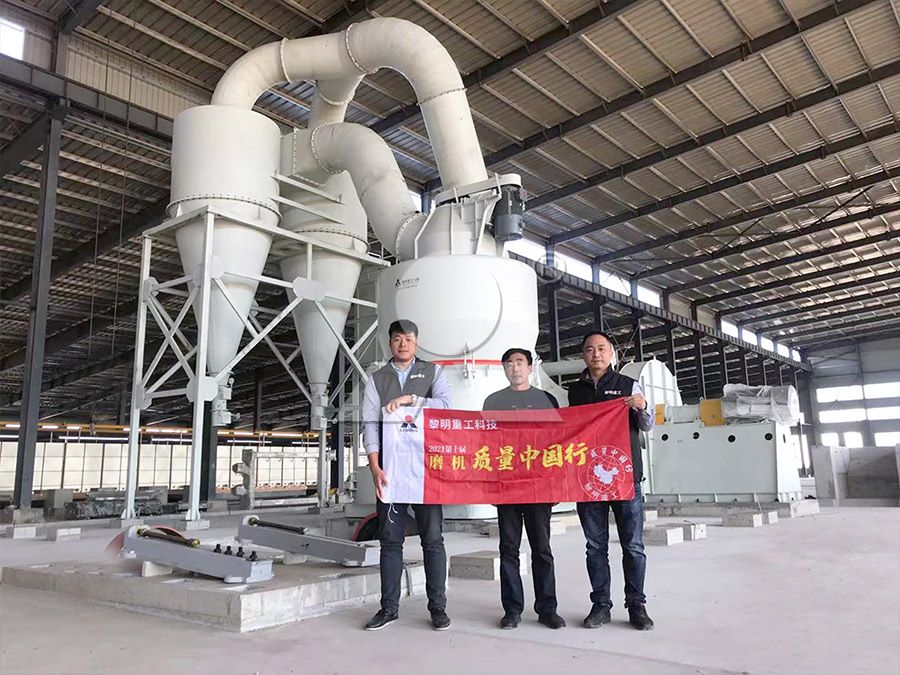
Understanding the operational flow helps operators appreciate the reliability of these machines. In the MW Ultrafine Grinding Mill, material is first crushed to below 20 mm by a hammer crusher, then elevated to a hopper. A vibrating feeder evenly introduces the material to the center of the upper turnplate. Centrifugal force pushes the material to the raceway where grinding rollers crush it against the ring. The ground powder moves through three stages of increasing fineness before being carried by airflow to the powder separator. Coarse particles drop back for re-grinding, while fine powder enters the cyclone collector and finally discharges as finished product. The closed-loop air system, purified by the pulse dust collector, ensures zero environmental discharge.
This multi-stage grinding approach ensures that every particle receives sufficient energy for size reduction without excessive heat generation or mechanical stress on the mill. The result is a consistent, high-quality powder that meets the exacting standards of modern water treatment chemistry.
Conclusion
Uruguay’s water treatment sector requires grinding equipment that balances efficiency, environmental compliance, and operational simplicity. The MW Ultrafine Grinding Mill and LUM Ultrafine Vertical Grinding Mill both address these requirements with proven technology. Whether the need is for a compact unit producing 0.5 tph for a small municipal plant or a high-capacity 18 tph system for a centralized processing hub, LIMING offers solutions backed by decades of experience and global support. Investing in the right industrial pulverizer today means lower energy bills, reduced maintenance headaches, and consistently high water quality for Uruguayan communities.
Frequently Asked Questions (FAQ)
- What is the recommended fineness for limestone powder used in drinking water treatment?
Typically, 325 mesh (44 microns) is standard for slow sand filtration. For rapid mixing and direct injection, 1250 mesh (10 microns) or finer is recommended. The MW mill can achieve fineness down to d97 ≤ 5μm. - Can these mills handle limestone with high moisture content?
Yes. Both the MW and LUM mills are designed to handle materials with moisture up to 6-8% by incorporating hot air flow for simultaneous drying and grinding. - What is the energy consumption of the MW Ultrafine Grinding Mill compared to a ball mill?
The MW mill consumes approximately 30-40% less energy than a traditional ball mill of similar capacity. Specific values depend on feed size and target fineness. - How often do the grinding rollers and rings need replacement?
With proper operation, the wear parts typically last 800-1200 hours for limestone grinding, depending on quartz content. The split design of vulnerable parts reduces replacement costs. - Is a separate dust collector required for installation?
No. The MW Ultrafine Grinding Mill comes equipped with an efficient pulse dust collector as standard. The system ensures dust emission levels comply with international environmental standards. - Can the mill switch between different fineness settings without stopping production?
Yes. The cage-type powder selector allows for fineness adjustment within the range of 325-2500 mesh while the mill is operational, minimizing production interruptions. - What kind of foundation is required for installing these mills?
A standard reinforced concrete foundation with vibration isolation pads is sufficient. The elastic volute damping structure reduces transmitted vibration, allowing installation in areas near sensitive equipment. - Does LIMING provide after-sales service in Uruguay?
LIMING offers technical support and guaranteed supply of original spare parts globally. Arrangements for local service representatives can be made through regional distributors.