
How to optimize talc processing with grinding machine for ceramic tiles in uae
Introduction: The Growing Demand for Talc in UAE’s Ceramic Tile Industry
The United Arab Emirates has become a major hub for ceramic tile manufacturing, driven by booming construction and real estate sectors. Talc, a soft mineral composed of hydrated magnesium silicate, plays a critical role in ceramic tile production. It improves thermal shock resistance, reduces firing temperature, and enhances the white finish of tiles. However, processing talc efficiently requires the right grinding equipment and operational strategies. Without proper optimization, manufacturers face issues like high energy consumption, inconsistent particle size, and excessive downtime. This article explores practical ways to optimize talc processing using advanced grinding machines, specifically tailored for the UAE’s unique climate and production demands.

Understanding Talc’s Properties and Grinding Challenges
Talc is naturally hydrophobic and has a platy structure, which makes it difficult to grind uniformly. Traditional grinding machines often struggle with talc due to its tendency to cake, generate heat, and produce wide particle size distributions. For ceramic tiles, the ideal talc powder fineness typically ranges between 325 and 1250 mesh (44 to 10 microns). Achieving this consistently requires a grinding system that offers precise control over classification and minimal iron contamination, as iron can discolor the final tile product. In the UAE’s hot and humid environment, moisture control is another critical factor. Even slight moisture in talc can lead to clogging in mills and reduce throughput. Therefore, selecting a grinding machine with robust drying capabilities and efficient dust collection is essential.
Key Optimization Strategies for Talc Grinding
1. Choose the Right Grinding Technology
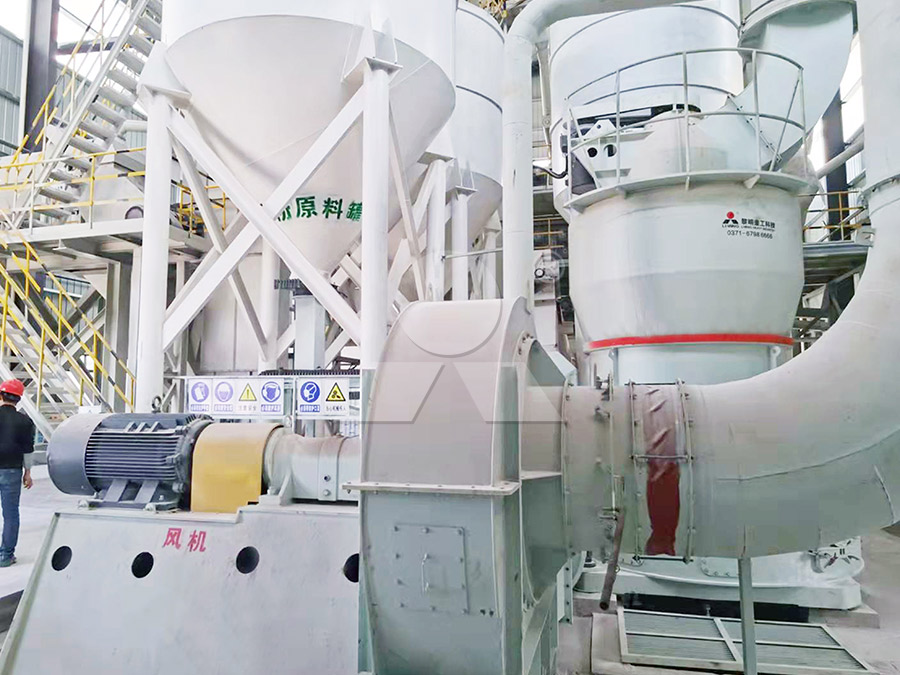
Not all grinding mills are suitable for talc processing. For ultra-fine talc powder used in high-end ceramic tiles, the MW Ultrafine Grinding Mill stands out as a superior choice. With an input size of 0-20 mm and capacity ranging from 0.5 to 25 tph, this mill is designed for customers who need to produce ultra-fine powder. It features newly designed grinding curves of the grinding roller and ring, which enhance grinding efficiency. Compared to jet mills and stirred mills, the MW mill offers 40%% higher capacity under the same power consumption, and its yield is twice that of a ball mill. The system energy consumption is only 30%% of a jet mill. For consistent ceramic tile quality, the adjustable fineness between 325 and 2500 meshes (d97≤5μm) ensures that talc powder meets the strictest specifications.
2. Control Moisture and Temperature
In UAE’s climate, talc often arrives at the plant with varying moisture levels. Integrating a pre-drying system or using a mill that can handle moisture, such as the LM Vertical Grinding Mill (input size 0-70 mm, capacity 3-340 tph), can be effective. However, for ultra-fine applications, the MW mill’s pulse dust collector and muffler reduce dust and noise, and the entire system operates without affecting the environment. The digitalized processing and numerical control of core parts ensure high precision, reducing the risk of heat buildup during grinding. Operators should also monitor the temperature inside the grinding chamber and adjust the feed rate accordingly to prevent talc from becoming sticky.
3. Optimize Classification for Consistent Particle Size
Particle size uniformity is critical for ceramic tiles. The MW Ultrafine Grinding Mill uses a cage-type powder selector based on German technology. This multi-head selector can be configured based on yield and fineness requirements, achieving a screening rate of d97≤5μm once. This precision reduces the need for re-grinding and improves overall efficiency. For plants that require larger capacities, the LUM Ultrafine Vertical Grinding Mill (input size 0-10 mm, capacity 5-18 tph) offers another robust option. It integrates ultrafine powder grinding, grading, and transporting, and its multi-head powder separating technology reduces energy consumption by 30-50%% compared to common mills. Its reversible structure also makes maintenance easier, reducing downtime.

4. Reduce Iron Contamination
Iron contamination can ruin the whiteness of ceramic tiles. Both the MW and LUM mills feature no rolling bearings or screws in the grinding chamber, which eliminates common sources of iron wear. The grinding roller and ring in the MW mill are designed to minimize metal-to-metal contact, and the lubricating device is installed outside the main shaft, allowing lubrication without shutdown. This design ensures that the iron content in the final talc product remains extremely low, preserving the tile’s brightness.
5. Implement Preventive Maintenance and Process Monitoring
Digitalized processing is a hallmark of LIMING’s equipment. With tens of lines of numerical control machine tools, every part—from steel plate cutting to paint spraying—is controlled with high precision. This translates to consistent machine performance. Operators should use the PLC control system available on models like the LUM mill to monitor grinding pressure, roller speed, and feed rates in real-time. Predictive maintenance, such as checking the wear of roller shells and liner plates, should be scheduled based on operating hours. The double position-limiting technology in the LUM mill prevents destructive impacts, ensuring stable operation even under heavy loads.
Recommended Products for Talc Processing in UAE Ceramic Tiles
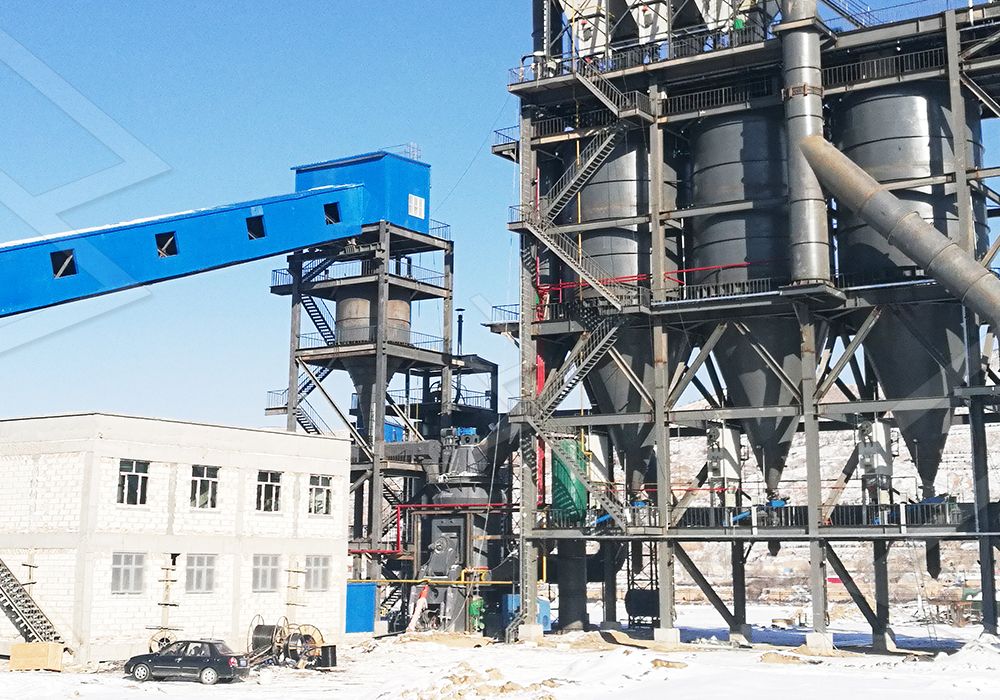
Based on extensive field experience in the Middle East, we highly recommend the MW Ultrafine Grinding Mill for talc processing. Its compact footprint, ultra-fine output, and eco-friendly operation make it ideal for UAE facilities where space and environmental regulations are concerns. For larger-scale operations requiring higher throughput, the LUM Ultrafine Vertical Grinding Mill is an excellent alternative, offering superior energy savings and easy maintenance. Both machines come with a sufficient supply of spare parts and comprehensive technical services from LIMING, ensuring worry-free operation.
Conclusion
Optimizing talc processing for ceramic tiles in the UAE requires a combination of the right machinery, process control, and environmental adaptation. By selecting advanced grinding mills like the MW Ultrafine Grinding Mill or LUM Ultrafine Vertical Grinding Mill, manufacturers can achieve higher yields, lower energy consumption, and superior product quality. The key is to focus on fineness control, moisture management, and contamination prevention. With LIMING’s digitalized manufacturing and reliable spare parts supply, ceramic tile producers in the UAE can stay competitive in a demanding market.
Frequently Asked Questions (FAQ)
- What is the ideal fineness of talc powder for ceramic tile production? Typically, talc for ceramic tiles should be ground to between 325 and 1250 mesh (44 to 10 microns). The MW Ultrafine Grinding Mill can achieve fineness up to 2500 mesh (d97≤5μm) for premium applications.
- How does the MW Ultrafine Grinding Mill reduce energy consumption compared to ball mills? The MW mill uses newly designed grinding curves that improve efficiency. Its system energy consumption is only 30%% of a jet mill, and it offers 40%% higher capacity than stirred mills under the same power.
- Can the LUM Ultrafine Vertical Mill handle high humidity talc in UAE? Yes, the LUM mill integrates grinding and drying, and its design allows for stable operation even with materials that have slight moisture. The hydraulic system and reversible structure also make maintenance easier in humid conditions.
- What maintenance is required for talc grinding mills? Regularly check the grinding roller shells, liner plates, and powder selector blades. LIMING mills use digitalized processing for precision, and the lubricating device on the MW mill allows external lubrication without shutdown. Spare parts are readily available.
- How do I prevent iron contamination in talc powder? Choose mills with no rolling bearings or screws in the grinding chamber, like the MW or LUM series. This minimizes metal-to-metal wear and ensures low iron content in the final product.
- What capacity range is suitable for a medium-sized ceramic tile plant in UAE? For medium-scale operations, the MW Ultrafine Grinding Mill (0.5-25 tph) is ideal. For larger plants, the LUM Ultrafine Vertical Mill (5-18 tph) or LM Vertical Mill (3-340 tph) can be considered.
- How does the pulse dust collector in the MW mill help with environmental compliance? The pulse dust collector captures fine particles, preventing dust pollution. Combined with a muffler, the system operates within UAE environmental standards, making it suitable for urban or industrial zones.