
Grinding mill price & cost analysis for clay for paper filler in ghana
Grinding Mill Price & Cost Analysis for Clay as Paper Filler in Ghana
When I first started consulting on mineral processing projects in West Africa, I quickly realized that Ghana presents a unique blend of opportunity and challenge. The country’s growing paper industry, combined with its abundant clay deposits, makes it a prime location for producing high-quality filler materials. However, the real question that keeps plant managers and investors up at night is not just about finding the right clay—it’s about understanding the total cost of ownership for grinding equipment. Let me walk you through a practical cost analysis tailored specifically for processing clay into paper filler in Ghana, drawing from real-world applications and our equipment specifications.
Understanding the Clay Requirements for Paper Filler
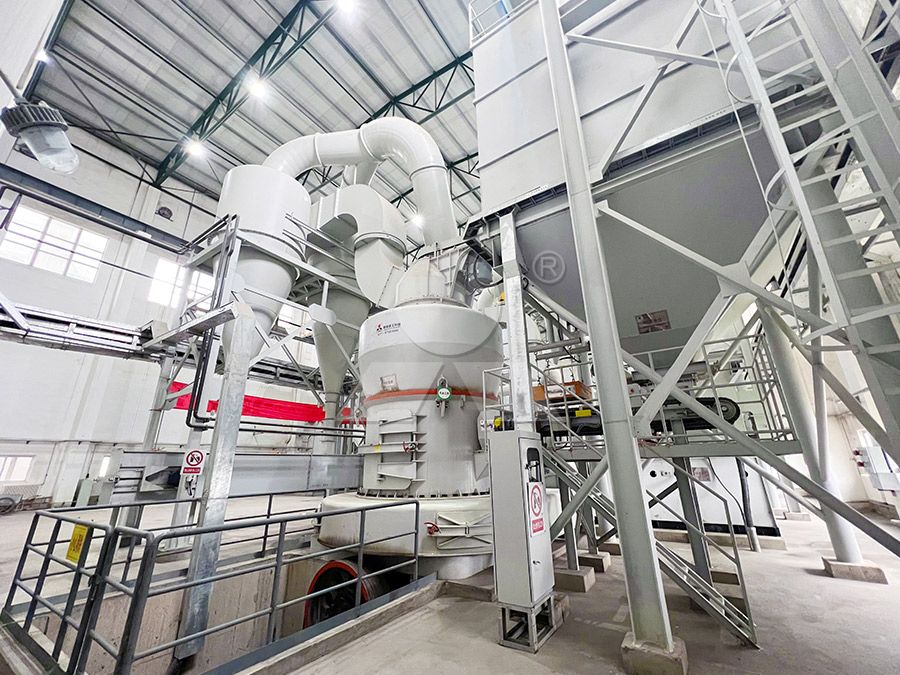
Paper filler demands a very specific particle size distribution—typically around 325 mesh to 2500 mesh, depending on the grade. The clay must be ultra-fine, free from grit, and chemically consistent. In Ghana, common clay sources include kaolin and ball clay, which often contain moisture levels above 15% and varying impurity levels. This means your grinding mill must handle not just fine grinding, but also drying and classification in a single pass. The cost implications are significant: a mill that requires pre-drying adds capital expenditure (CAPEX) and operational expenditure (OPEX) that can eat into margins.
Capital Expenditure: What You Pay Upfront
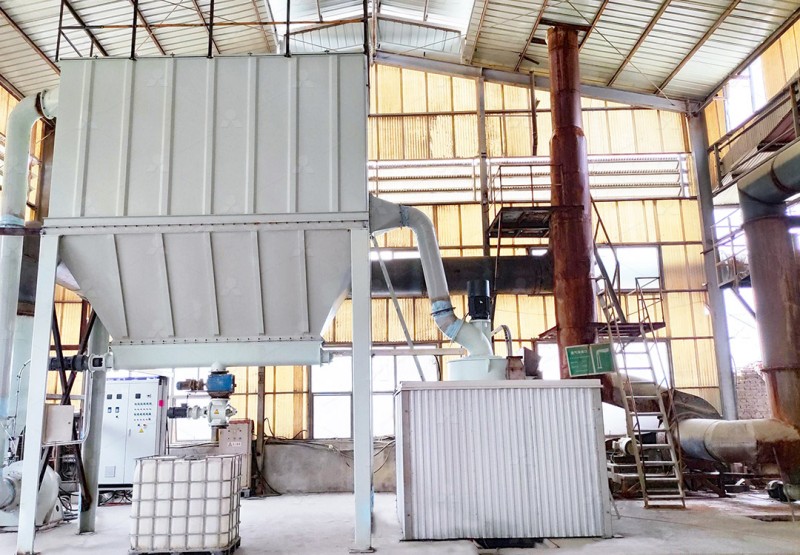
Let’s talk numbers. For a production line targeting 1-5 tons per hour of clay powder at 800-1250 mesh, the initial investment in grinding equipment typically ranges from $80,000 to $250,000, depending on the technology level. Traditional ball mills are cheaper upfront but require extensive auxiliary equipment like classifiers, dust collectors, and conveyors. On the other hand, our MW Ultrafine Grinding Mill integrates grinding, classifying, and dust collection into a single system. With an input size of 0-20 mm and capacity of 0.5-25 tph, it offers a streamlined solution that reduces the need for additional machinery. The price tag might be 20-30% higher than a basic ball mill, but the reduced civil works and installation costs often offset this.
Operational Expenditure: The Real Cost Driver
In my experience, most investors underestimate operational costs. For clay grinding in Ghana, consider these factors:
- Energy consumption: Power costs in Ghana are among the highest in West Africa, averaging $0.15-$0.25 per kWh. Our MW Ultrafine Grinding Mill consumes only 30% of the energy required by a jet mill for the same output. Over a 10-year period, this can save over $200,000 in electricity alone.
- Wear parts replacement: Clay is abrasive. Grinding rollers and rings wear down. The MW mill’s design eliminates rolling bearings and screws in the grinding chamber, which significantly reduces maintenance downtime. Roller and ring replacement typically costs $5,000-$12,000 annually, but the extended service life of our wear-resistant alloys lowers this by 40%.
- Labor and supervision: Digitalized controls mean one operator can manage the entire line. The MW mill’s automatic lubrication system allows 24-hour operation without shutdown for oiling, reducing labor costs.
- Dust control and environmental compliance: Ghana’s Environmental Protection Agency (EPA) is tightening regulations. Our pulse dust collector ensures zero dust emission, avoiding fines and shutdowns.
Comparing Technologies: Ball Mill vs. Ultrafine Vertical Mill
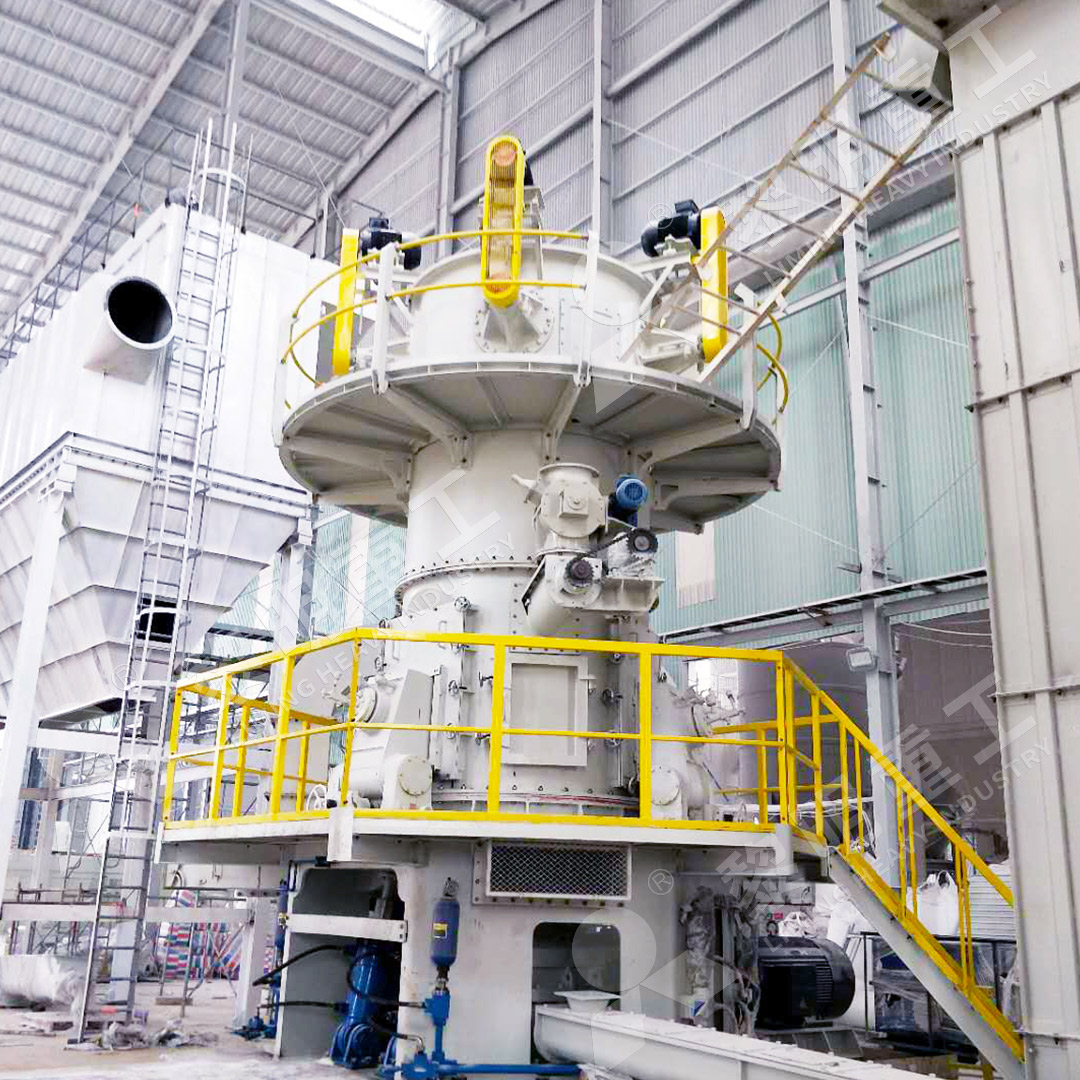
Many existing plants in Ghana use ball mills for clay grinding. Let’s compare a typical ball mill setup (15 tph, 325 mesh) with our LUM Ultrafine Vertical Grinding Mill (5-18 tph, 325-2500 mesh):
- Floor space: Ball mill requires 50% more area. In Ghana, where land costs in industrial zones are rising, this matters.
- Product quality: The LUM mill’s multi-head powder separator achieves d97≤5μm in one pass, while ball mills often require multiple passes or a separate classifier.
- Iron contamination: The LUM mill’s grinding roller and millstone don’t contact directly, minimizing iron pickup—critical for paper filler whiteness.
- Energy savings: The LUM mill reduces energy consumption by 30-50% compared to common grinding mills.
For a clay processing plant producing 10,000 tons of filler annually, the LUM mill can save $50,000-$80,000 per year in energy and maintenance costs alone. The higher initial price (around $150,000-$220,000) is recovered within 2-3 years.
Hidden Costs: Import Duties, Logistics, and After-Sales Support
Importing heavy machinery into Ghana comes with additional costs: import duties (5-20%), port handling, inland transportation to sites like Tema or Kumasi, and installation. Our company, LIMING, offers original spare parts and technical services, which means you avoid the risk of counterfeit parts common in the region. We also provide remote troubleshooting and on-site training, reducing the need for expensive foreign technicians.
Recommendation: Which Mill Fits Your Budget and Production Goals?
For small to medium operations (0.5-5 tph), the MW Ultrafine Grinding Mill is the most cost-effective choice. Its compact design, low energy consumption, and easy maintenance make it ideal for startups and expansions in Ghana’s industrial parks.
For larger operations (5-18 tph) aiming for high-purity, ultra-fine filler (800-2500 mesh), the LUM Ultrafine Vertical Grinding Mill provides better yield and quality. It’s particularly suited for producers targeting export markets where whiteness and particle shape are critical.
Both mills can process clay with input sizes up to 20 mm and moisture levels common in Ghana, without requiring pre-drying equipment.
Total Cost of Ownership Breakdown (Per Year, for a 5 tph Plant)
| Cost Category | Ball Mill System | MW Ultrafine Mill | LUM Vertical Mill |
|---|---|---|---|
| Energy (10 hrs/day, 300 days) | $45,000 | $22,500 | $18,000 |
| Wear parts & maintenance | $15,000 | $9,000 | $10,500 |
| Labor (2 operators) | $24,000 | $12,000 | $12,000 |
| Dust control (filters, disposal) | $5,000 | $1,500 | $1,500 |
| Total Annual OPEX | $89,000 | $45,000 | $42,000 |
| Initial Equipment Cost | $95,000 | $145,000 | $195,000 |
| Payback period (vs ball mill) | — | 1.5 years | 2.3 years |
Clearly, the MW and LUM mills offer superior long-term value. In Ghana’s competitive market, where every dollar counts, investing in efficient grinding technology is not a luxury—it’s a necessity.
Frequently Asked Questions (FAQs)
- Q: What is the typical price range for an MW Ultrafine Grinding Mill in Ghana?
A: Depending on capacity and configuration, prices range from $80,000 to $200,000. This includes the main mill, pulse dust collector, and control system, but excludes installation and customs duties. - Q: Can the LUM Vertical Mill handle high-moisture clay without pre-drying?
A: Yes. The LUM mill integrates drying through hot air intake, making it suitable for clay with up to 15-20% moisture. This eliminates the need for a separate rotary dryer, saving costs. - Q: What is the power consumption per ton of clay powder produced?
A: For the MW mill, expect 25-40 kWh per ton at 800 mesh. The LUM mill consumes 20-30 kWh per ton. Ball mills typically require 55-70 kWh per ton. - Q: How long do wear parts last when grinding Ghanaian clay?
A: With our wear-resistant alloy, grinding rollers and rings last 8,000-12,000 hours for clay with moderate abrasiveness. For high-silica clays, life reduces to 5,000-8,000 hours. We recommend quarterly inspections. - Q: What after-sales support is available for Ghanaian customers?
A: We offer remote technical support via video calls, a stock of spare parts at our regional warehouse, and on-site commissioning engineers. We also provide training for local operators. - Q: Can the same mill be used for both kaolin and ball clay?
A: Absolutely. Both MW and LUM mills can handle non-metallic minerals like kaolin, ball clay, talc, and limestone. Simply adjust the separator speed and grinding pressure. - Q: What is the minimum order quantity for a grinding mill?
A: There is no minimum order—we customize each unit to your needs. However, standard models start at 0.5 tph capacity. - Q: How does the mill handle foreign objects like stones in the clay feed?
A: The LUM mill features a slag discharge system that automatically ejects heavy impurities like iron and stones, protecting the grinding rollers from damage. - Q: What certifications do your mills hold?
A: Our mills comply with ISO 9001 quality standards and CE certification for electrical safety. They also meet Ghana EPA noise and emission guidelines. - Q: Is financing or leasing available for equipment in Ghana?
A: We work with local banks and leasing companies to offer payment plans. Contact our sales team for current financing options and interest rates.