
How to optimize phosphate processing with raymond mill for fertilizer in iraq
Introduction: The Growing Demand for Phosphate Fertilizers in Iraq
Iraq’s agricultural sector faces significant challenges, including soil degradation and the need to boost crop yields to ensure food security. Phosphate-based fertilizers are critical for replenishing soil nutrients, but the country’s phosphate rock reserves, primarily concentrated in the Akashat region, require efficient processing to meet local and export demands. Traditional grinding methods often fall short in terms of energy efficiency, product fineness, and environmental compliance. This is where advanced milling technologies, specifically optimized Raymond mills, come into play. As a leading manufacturer of grinding equipment, our solutions, such as the MW Ultrafine Grinding Mill and the MTW European Trapezium Grinding Mill, offer tailored approaches for phosphate processing in Iraq.
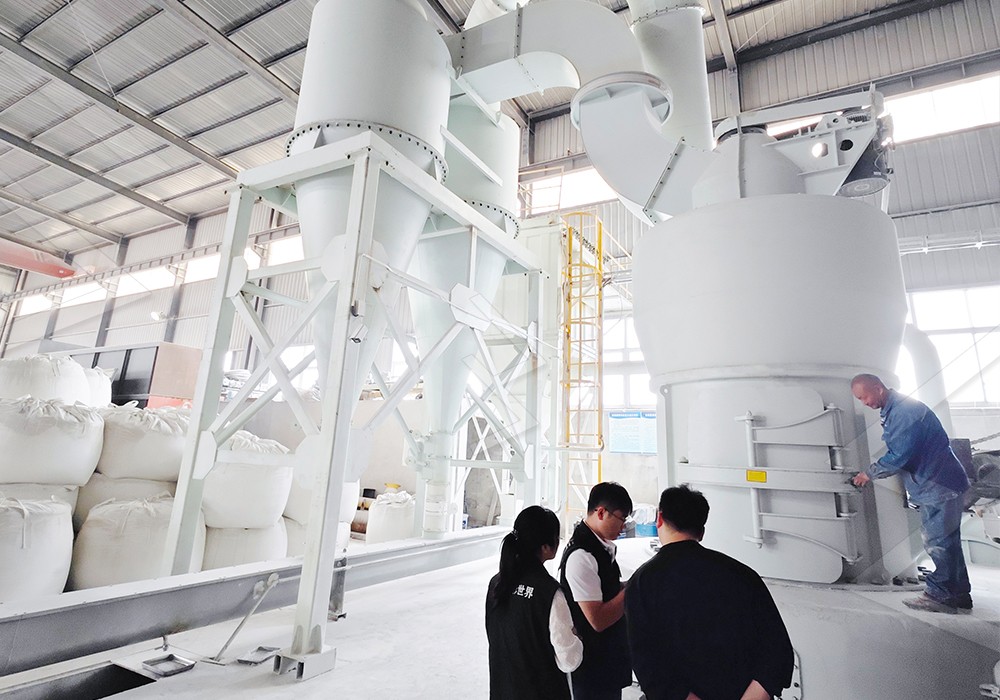
Understanding the Challenges of Phosphate Rock Grinding
Phosphate rock is a sedimentary mineral with varying hardness and moisture content, often containing impurities like silica and carbonates. In Iraq, where climatic conditions can be extreme, the material’s characteristics demand a robust milling system. Key challenges include achieving a consistent particle size (typically 80-200 mesh for direct application or 325 mesh for phosphoric acid production), minimizing wear on grinding parts due to abrasiveness, and controlling dust emissions. Traditional Raymond mills, while proven, sometimes struggle with energy consumption and throughput. However, with strategic modifications and the right supplementary equipment, they can be highly effective.
Core Optimization Strategies for Raymond Mill Systems
To optimize phosphate processing using a Raymond mill in Iraq, consider the following strategies tailored to local conditions and operational goals:
1. Pre-Crushing and Feeding Control
Phosphate rock from Iraqi mines often comes in chunks exceeding 50 mm. Before feeding into a Raymond mill (which typically accepts <25 mm), install a primary jaw crusher and a vibrating feeder with a frequency converter. This ensures a steady, uniform feed rate, preventing overloading and facilitating consistent grinding. For high-moisture phosphate (above 6%), integrate a hot air duct into the mill system to achieve simultaneous drying and grinding.
2. Optimizing Grinding Roller and Ring Configuration
The standard Raymond mill uses grinding rollers and rings made of high-manganese steel, but for abrasive Iraqi phosphate, wear-resistant alloy materials (e.g., high-chromium or composite ceramics) extend service life by 1.7-2.5 times. Adjusting the grinding pressure via the spring system (or hydraulic system in advanced models) can also enhance the breakage of hard particles without causing excessive vibration.

3. Fine Tuning the Separator
The classifier (separator) in a traditional Raymond mill often uses a single-blade design, which limits fineness and capacity. Upgrading to a multi-head cage-type separator, like those found in our MW Ultrafine Grinding Mill, drastically improves separation efficiency. This allows you to adjust fineness between 80 and 600 mesh (d97), crucial for meeting specific fertilizer formulations. For high-purity products, the MW mill’s separator can achieve d97≤5μm.
4. Dust Collection and Environmental Control
Iraq’s environmental regulations are tightening, and dust pollution is a major concern in phosphate mills. Replacing a basic cyclone collector with an efficient pulse jet bag filter (like the one integrated into our MW series) captures 99.9% of fine particles. This not only reduces cleanup costs but also recovers valuable phosphate dust as product. Additionally, installing a muffler on the blower reduces noise levels to below 85 dB.
5. Energy Management and System Integration
Raymond mills can be energy-intensive. To optimize, consider pairing the mill with a variable frequency drive (VFD) for the main motor and blower, allowing you to match power consumption to real-time load. Our MTW European Trapezium Grinding Mill features a cambered air duct design that lowers airflow resistance, reducing overall energy consumption by 30% compared to traditional mills. For larger capacities (5-18 tph), the LUM Ultrafine Vertical Grinding Mill is an alternative that integrates grinding and classification with lower specific power consumption.
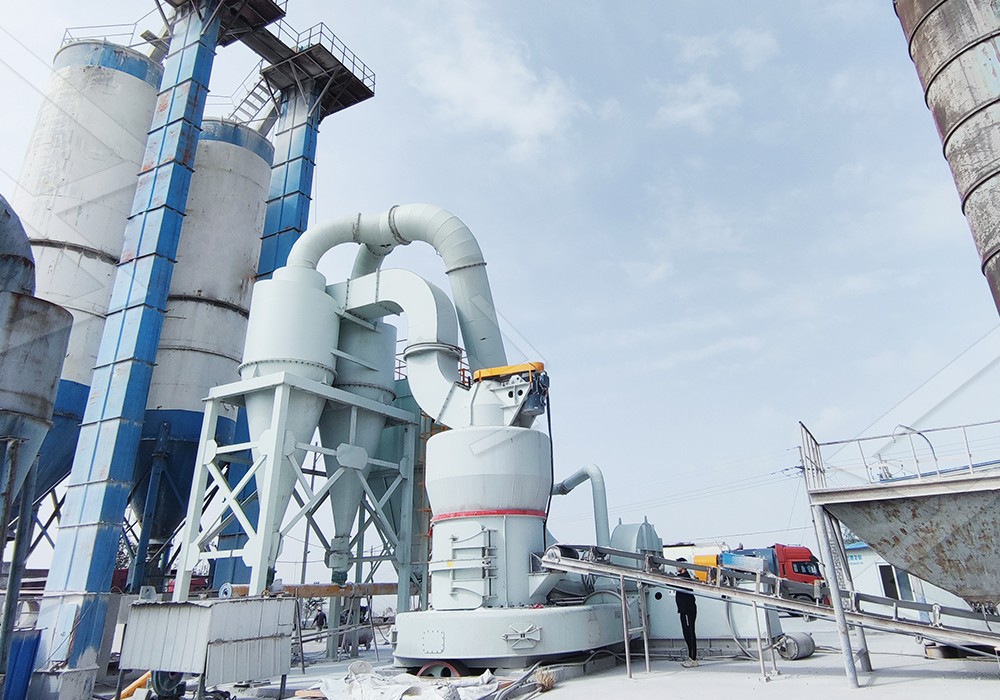
Case Study: Implementing the MW Ultrafine Grinding Mill in a Typical Iraqi Setup
Let’s imagine a scenario: A fertilizer producer in Anbar province needs to process 10 tons per hour of phosphate rock into a fine powder (325 mesh, d97). The traditional Raymond mill struggles with capacity and frequent downtime. By switching to the MW Ultrafine Grinding Mill, which handles input sizes up to 20 mm and offers capacities of 0.5-25 tph, the operator gains several advantages. First, the grinding curves on the rollers and rings yield 40% higher production than a jet mill. Second, the absence of rolling bearings inside the chamber eliminates screw loosening issues. Third, the pulse dust collector ensures the plant meets eco-standards. The mill’s adjustable fineness (325-2500 mesh) also allows the plant to produce multiple grades of phosphate powder for different fertilizer blends, from simple DAP to complex NPK formulations.
Maintenance and Operational Best Practices
Iraq’s harsh climate can accelerate equipment wear. To maximize the lifespan of your Raymond mill or any alternative system:
- Lubrication schedule: Use external lubricating devices (like those on MW series) to add oil without stopping production, enabling 24-hour operation.
- Regular inspection: Check grinding roller shells and ring liners every 500 hours. With the MTW series, the reversible roller structure allows easy flipping of worn sides, halving spare part costs.
- Screening raw material: Remove iron debris via magnetic separators before feeding, as phosphate ore often contains tramp iron that damages the mill.
- Stock spare parts: Partner with a supplier like LIMING, which guarantees original parts, to avoid long shutdowns waiting for components from overseas.
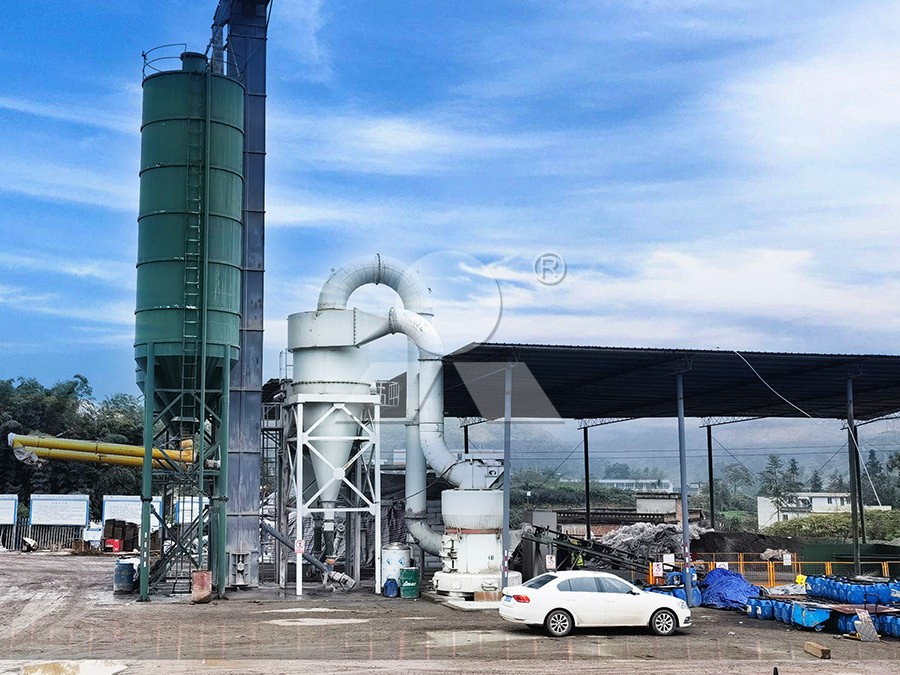
Conclusion: Choosing the Right Mill for Iraqi Conditions
Optimizing phosphate processing in Iraq requires more than just turning a dial; it demands a holistic approach encompassing raw material preparation, grinding mechanism selection, and environmental compliance. While a standard Raymond mill can be enhanced with modern accessories, upgrading to purpose-built mills like the MW Ultrafine Grinding Mill or MTW European Trapezium Grinding Mill delivers substantial gains in throughput, product quality, and operational reliability. For large-scale projects, the LM Vertical Grinding Mill with capacities up to 340 tph offers unmatched integration. Evaluate your specific feed characteristics and target output, then select a mill that minimizes total cost of ownership while maximizing ROI. With the right equipment and practices, Iraq can turn its phosphate reserves into a powerful driver for agricultural prosperity.
Frequently Asked Questions (FAQ)
- What is the optimal input size for a Raymond mill when processing phosphate rock in Iraq?
For standard Raymond mills, the input size should be less than 25 mm. For larger rocks, a primary crusher is needed. Our MW Ultrafine Grinding Mill accepts up to 20 mm, while MTW series handles up to 50 mm. - Can Raymond mills handle high-moisture phosphate ore from Iraqi deposits?
Yes, but with limitations. If moisture exceeds 6%, you should integrate a hot air drying system. Our LUM Vertical Mill can dry and grind simultaneously, making it suitable for such conditions. - How does the MW Ultrafine Grinding Mill reduce dust compared to traditional Raymond mills?
The MW mill is equipped with a high-efficiency pulse dust collector and a muffler. The entire system operates under negative pressure, ensuring no dust escapes, which is crucial for meeting Iraqi environmental standards. - What fineness can be achieved for phosphate powder using these mills?
A standard Raymond mill can reach 80-400 mesh. With the MW Ultrafine Grinding Mill, you can achieve 325-2500 mesh (d97). For typical DAP fertilizer production, 100-200 mesh is sufficient, but specialty products require finer grinding. - What is the power consumption difference between a Raymond mill and the MTW European Trapezium Mill?
The MTW mill, with its cambered air duct and reduced resistance, saves approximately 30% energy compared to a traditional Raymond mill of similar capacity. Specific figures depend on ore hardness but expect 20-25 kWh per ton for MTW versus 30-40 kWh for Raymond. - How often do grinding rollers need replacement in Iraqi phosphate operations?
With standard high-manganese steel, replacement occurs every 800-1000 hours due to abrasion. Using wear-resistant alloys (as in MTW or MW series), the lifespan extends to 1500-2500 hours, significantly reducing maintenance costs. - Can vertical mills like LUM replace Raymond mills for phosphate?
Yes, particularly for large-capacity plants (5-18 tph). The LUM Ultrafine Vertical Mill offers higher energy efficiency and easier maintenance due to its reversible structure, but it requires a higher initial investment than a Raymond mill.