
Raymond mill price & cost analysis for calcium carbonate for food additive in ethiopia
Introduction: The Growing Demand for Food-Grade Calcium Carbonate in Ethiopia
Ethiopia’s food processing industry is expanding rapidly, driven by urbanization, population growth, and increasing demand for fortified foods. Calcium carbonate (CaCO3) serves as a critical food additive—used as a calcium fortifier, anti-caking agent, and acidity regulator in products ranging from bakery items to beverages. For Ethiopian producers, sourcing high-purity, food-grade calcium carbonate powder presents both an opportunity and a challenge. The grinding mill you choose directly impacts product quality, operational costs, and compliance with international food safety standards. This article provides a detailed price and cost analysis of Raymond mill systems for calcium carbonate processing, with specific recommendations for Ethiopian manufacturers.
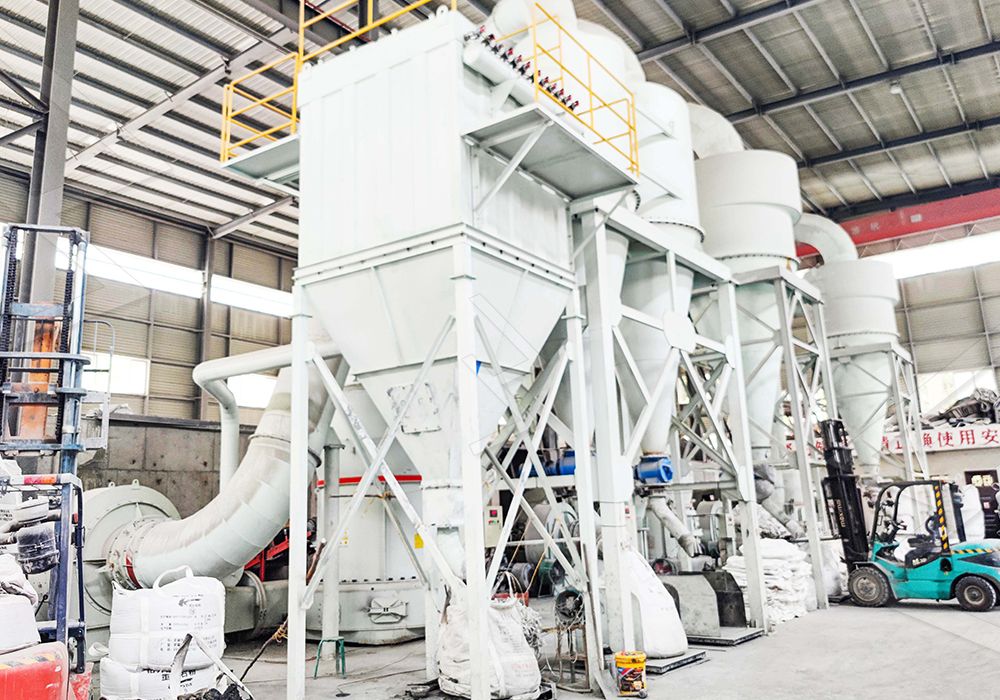
Understanding Raymond Mill for Calcium Carbonate
The Raymond mill, originally developed in the early 20th century, remains a workhorse in mineral grinding. For calcium carbonate with a Mohs hardness of 3, this mill offers a reliable, low-cost entry point. LIMING’s Raymond Mill (input size <25 mm, capacity 0.6-5 tph) is particularly suited for small to medium-scale Ethiopian operations. However, when producing food-grade additives, fineness requirements typically range from 325 mesh (44 microns) to 600 mesh (20 microns). The standard Raymond mill achieves this range but has limitations in energy efficiency and dust control compared to newer technologies.
Cost Analysis: Breaking Down the Economics
Capital Expenditure (CAPEX)
The initial purchase price for a Raymond mill system in Ethiopia varies significantly based on configuration. A complete Raymond mill setup including jaw crusher, bucket elevator, electromagnetic feeder, main mill, separator, blower, and cyclone collector typically costs between $45,000 and $120,000 USD for units with 1-5 tph capacity. Import duties, shipping to Addis Ababa, and inland transportation can add 15-25% to this cost. Installation and commissioning add another $8,000-$15,000, depending on site conditions.
Operating Expenditure (OPEX)
Daily operational costs include electricity, labor, wear parts, and maintenance. A Raymond mill consuming 75-110 kW per ton of calcium carbonate ground to 400 mesh will incur electricity costs of approximately $8-12 per ton at Ethiopian industrial rates ($0.06-0.08/kWh). Grinding roller and ring replacement (every 800-1200 hours) costs roughly $1,200-2,500 per set. Annual maintenance adds 5-8% of machine value. Total OPEX for Raymond mill processing averages $22-35 per ton of finished food-grade powder.
However, these figures assume continuous operation with skilled operators. In Ethiopia, where power outages and dust control challenges are common, actual costs often run 15-20% higher. Many buyers overlook the hidden costs: frequent shutdowns for bearing replacement (standard Raymond mills use rolling bearings in the grinding chamber), dust collection system upgrades, and the need for post-milling sieving to meet d97 specifications.
Alternative Solutions for Higher Efficiency and Food Safety
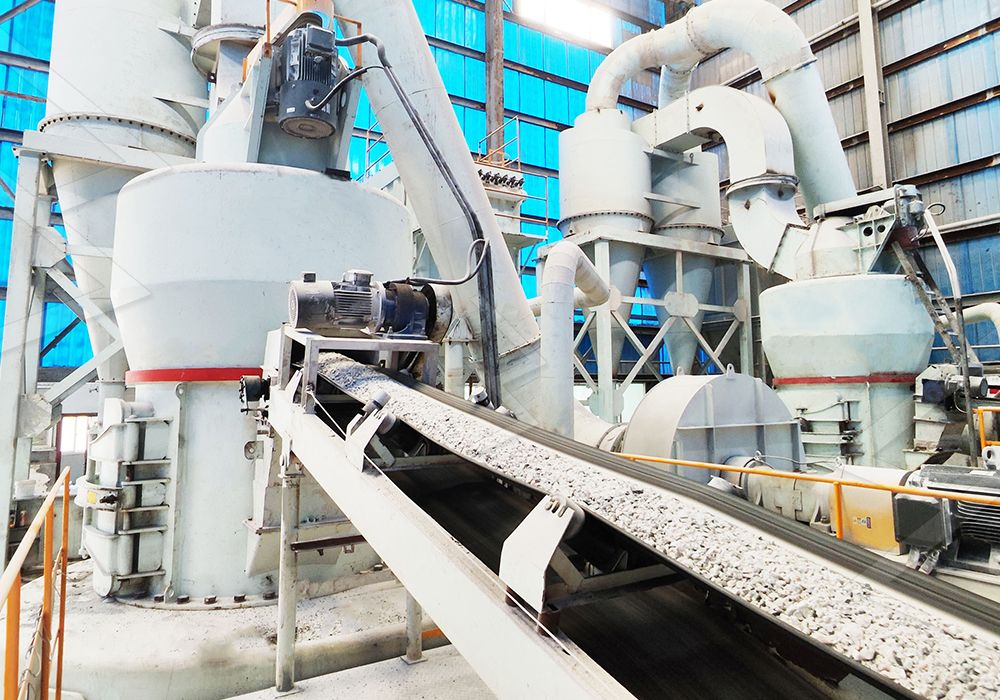
For Ethiopian manufacturers serious about food-grade calcium carbonate production, investing in modern ultrafine grinding technology makes economic sense over 3-5 years. The MW Ultrafine Grinding Mill from LIMING offers distinct advantages. With input size 0-20 mm and capacity 0.5-25 tph, it achieves adjustable fineness from 325-2500 mesh. The absence of rolling bearings and screws in the grinding chamber eliminates a major failure point. Its pulse dust collector ensures zero dust emission—critical for food-grade operations near Addis Ababa’s industrial zones. While the initial investment is 30-50% higher than a comparable Raymond mill, energy savings of 70% compared to jet mills and 50% compared to ball mills means payback within 18 months for operations above 5 tph.
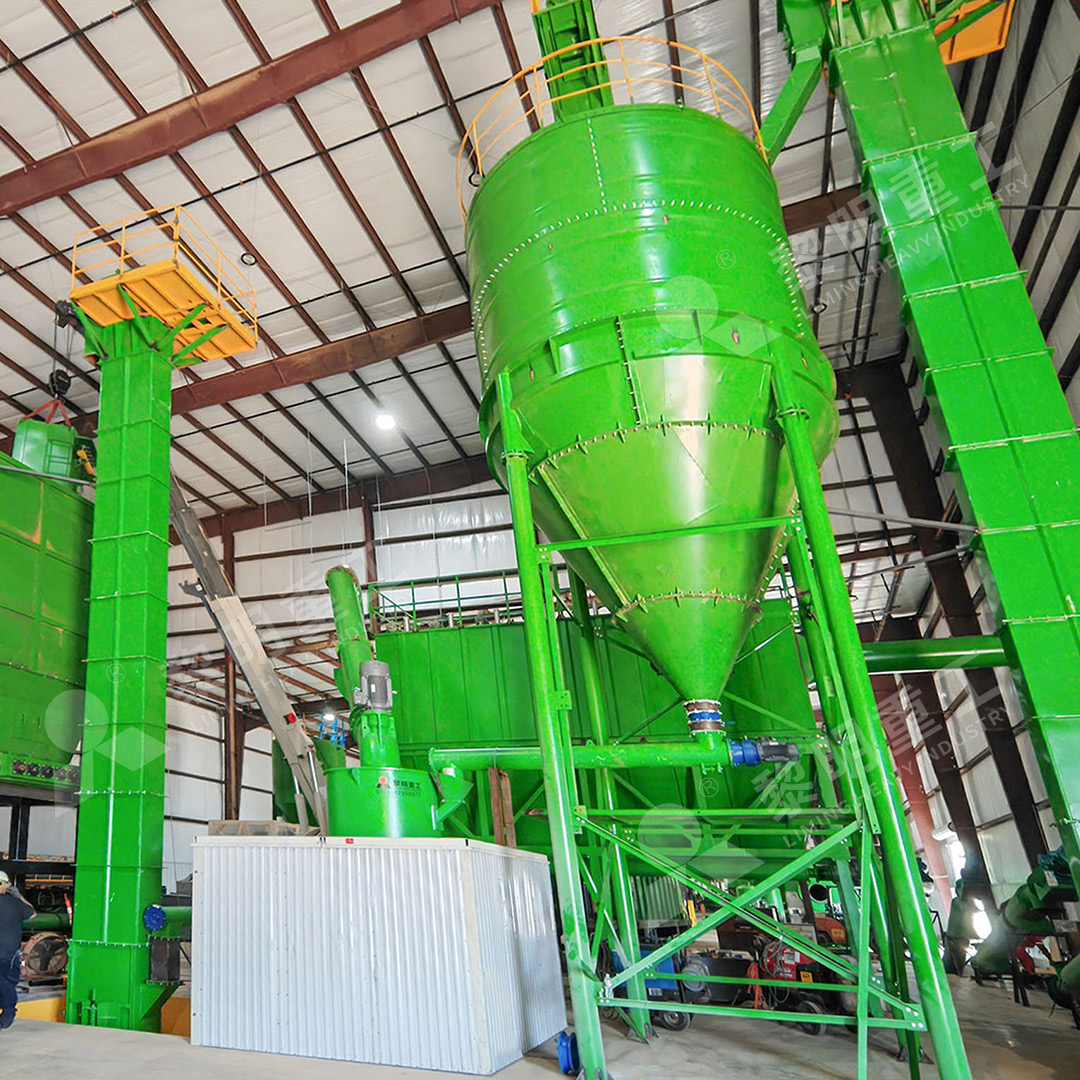
For higher capacity requirements, the LUM Ultrafine Vertical Grinding Mill (input 0-10 mm, capacity 5-18 tph) provides better price-performance. Its multi-head powder separator, based on German technology, delivers precise d97≤5μm fineness. The reversible structure reduces maintenance downtime by 40%. Ethiopian producers exporting to Middle Eastern markets find LUM’s consistent quality essential for meeting stringent food safety standards.
Practical Considerations for Ethiopian Buyers
When evaluating Raymond mill versus modern alternatives, consider these factors:
- Power stability: Raymond mills with traditional direct-drive systems suffer from torque fluctuations during power dips. LIMING’s digitalized control systems handle voltage variations better.
- Raw material variability: Ethiopian calcium carbonate deposits vary in moisture content (3-12%). The MW mill’s ability to handle moist feeds reduces pre-drying costs.
- Food safety certification: Pulse dust collectors and enclosed systems simplify ISO 22000 certification. Open-circuit Raymond mills often require additional baghouses.
- Spare parts availability: LIMING maintains a warehouse in Nairobi for East African clients, reducing lead times for rollers and rings.
Total Cost of Ownership Comparison (5-Year Horizon)
| Cost Item | Raymond Mill | MW Ultrafine Mill |
|---|---|---|
| Initial purchase + installation | $75,000 | $110,000 |
| Annual electricity (4000 hrs) | $38,400 | $11,520 |
| Annual wear parts + maintenance | $14,500 | $9,800 |
| Dust control compliance upgrades | $12,000 | $0 (included) |
| Product rejection rate (off-spec) | 5-8% | <1% |
| 5-year total (estimated) | $345,000 | $288,000 |
These figures assume 8 tons/day production of food-grade calcium carbonate at 400 mesh. Actual savings depend on local conditions, but the trend is clear: modern mills pay for themselves through lower energy consumption and higher yields.
Final Recommendation for Ethiopian Manufacturers
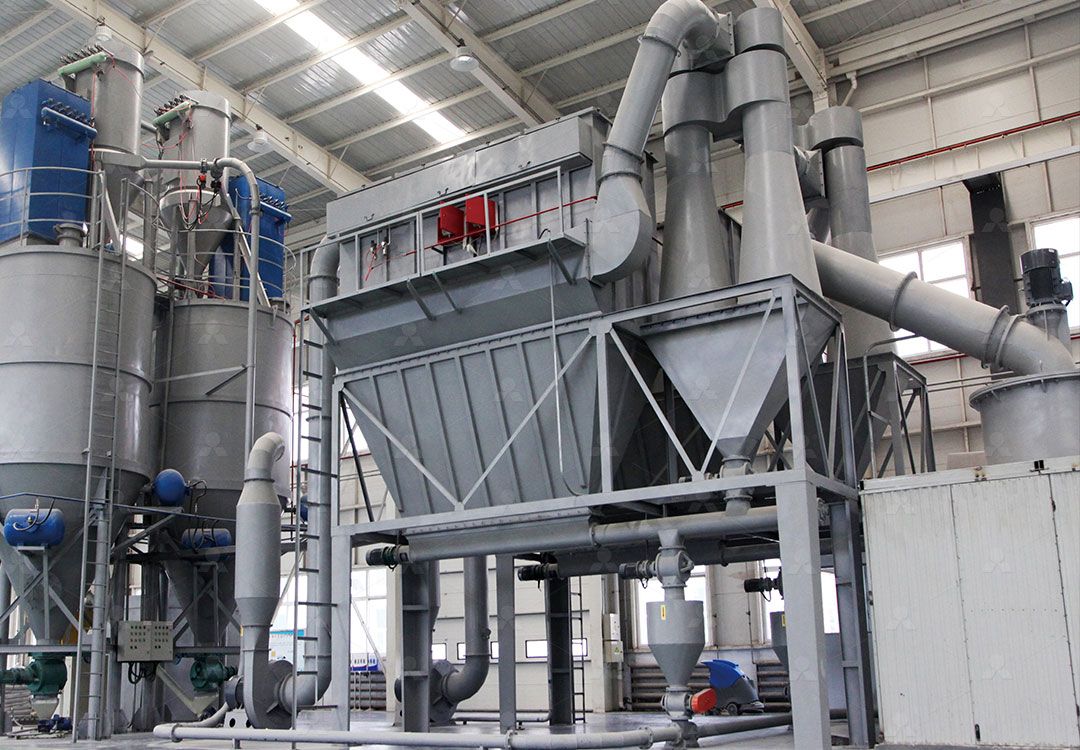
For startups targeting local bakery and pharmaceutical markets, a refurbished Raymond mill (under $40,000) can work if combined with a good dust collector. However, for sustained food-grade production, the MW Ultrafine Grinding Mill is the smarter long-term investment. Its higher initial cost is offset by 40% higher yield than jet mills, 30% of jet mill energy consumption, and compliance with Ethiopian EPA standards. LIMING’s commitment to spare parts availability and technical support for East Africa reduces operational risk. Request a site survey to match mill specifications with your calcium carbonate deposit characteristics.
Frequently Asked Questions
- Q: What is the typical price range for a Raymond mill suitable for food-grade calcium carbonate in Ethiopia? A: A complete Raymond mill system (1-5 tph) costs $45,000-$120,000 FOB, plus 15-25% for shipping and installation in Ethiopia. Used units start around $25,000 but require significant refurbishment.
- Q: Can the MW Ultrafine Grinding Mill handle Ethiopian calcium carbonate with high moisture content? A: Yes. The MW mill can process materials with up to 10% moisture, thanks to its pre-drying chamber design. For higher moisture, a rotary dryer can be integrated upstream.
- Q: What fineness does the Raymond mill achieve for food additives, and is it consistent? A: Standard Raymond mills reach 80-400 mesh. Consistency depends on the separator; LIMING’s upgraded cage-type separator improves sieving rate to d97≤5μm, unlike traditional Raymond mills that require post-sieving.
- Q: How often do grinding rollers and rings need replacement in Raymond mills vs MW mills? A: In Raymond mills, rollers and rings typically last 800-1200 hours for calcium carbonate. In MW mills, advanced materials extend life to 2000-3000 hours, reducing annual replacement costs by 35%.
- Q: Is the LUM Vertical Mill suitable for small-scale Ethiopian producers? A: The LUM mill (5-18 tph) is best for medium to large operations. For production below 5 tph, the MW mill (0.5-25 tph) offers better flexibility.
- Q: What certifications are needed for food-grade calcium carbonate mills in Ethiopia? A: ISO 22000 and Ethiopian Standards Agency certification require sealed milling systems to prevent contamination. LIMING mills meet these requirements with pulse dust collectors and enclosed chambers.
- Q: How does power instability in Ethiopia affect Raymond mill operation? A: Raymond mills with electromechanical drives are sensitive to voltage drops. It is recommended to install voltage stabilizers or choose LIMING’s digital control systems that tolerate ±15% voltage variation.
- Q: What spare parts should I stock for a calcium carbonate grinding mill? A: For Raymond mills: grinding rollers, rings, shovel blades, and bearings. For MW mills: roller shells, liner plates, and seals. LIMING provides a recommended spare parts list with every machine.