
Industrial pulverizer price & cost analysis for dolomite for ceramics raw material in papua new guinea
1. Market Context and Raw Material Demand in Papua New Guinea
Papua New Guinea (PNG) is an emerging market for industrial mineral processing, particularly for ceramics raw materials. The country’s growing construction sector and increasing demand for finished ceramic tiles, sanitary ware, and tableware have created a pressing need for locally processed dolomite powder. Dolomite, a calcium magnesium carbonate mineral, is essential in ceramics production as a fluxing agent, reducing firing temperatures and improving the mechanical strength and whiteness of the final product. However, PNG currently relies heavily on imported processed dolomite, which adds substantial logistics costs and lead times to the supply chain.
Establishing local dolomite pulverizing capacity requires a careful evaluation of equipment costs, operational expenses, and long-term maintenance. This analysis focuses on the industrial pulverizer price dynamics and total cost of ownership for dolomite grinding operations typical of PNG’s mid-scale ceramic manufacturers.
2. Raw Material Characteristics and Processing Requirements
Dolomite from PNG deposits typically exhibits a hardness of 3.5–4 on the Mohs scale and a specific gravity around 2.8–2.9 g/cm³. For ceramics applications, the target fineness usually falls between 325 mesh (44 microns) and 800 mesh (18 microns), with a strict requirement for uniform particle size distribution and minimal iron contamination. The moisture content of run-of-mine dolomite in PNG’s tropical climate can reach 8–12%, necessitating efficient drying integration within the grinding circuit.
The processing capacity required by most ceramic factories in PNG ranges from 2 to 15 tons per hour, depending on production scale. This throughput band determines the appropriate pulverizer technology and directly influences both capital expenditure (CAPEX) and operational expenditure (OPEX).
3. Equipment Options for Dolomite Ultrafine Grinding
Several industrial pulverizer technologies are suitable for dolomite processing, each with distinct cost structures. Ball mills, while lower in initial investment, suffer from high energy consumption and frequent liner replacements. Raymond mills offer moderate capacity but struggle to achieve consistent ultrafine product. For the specific requirements of ceramics-grade dolomite, vertical roller mills and ultrafine grinding mills have proven most cost-effective.
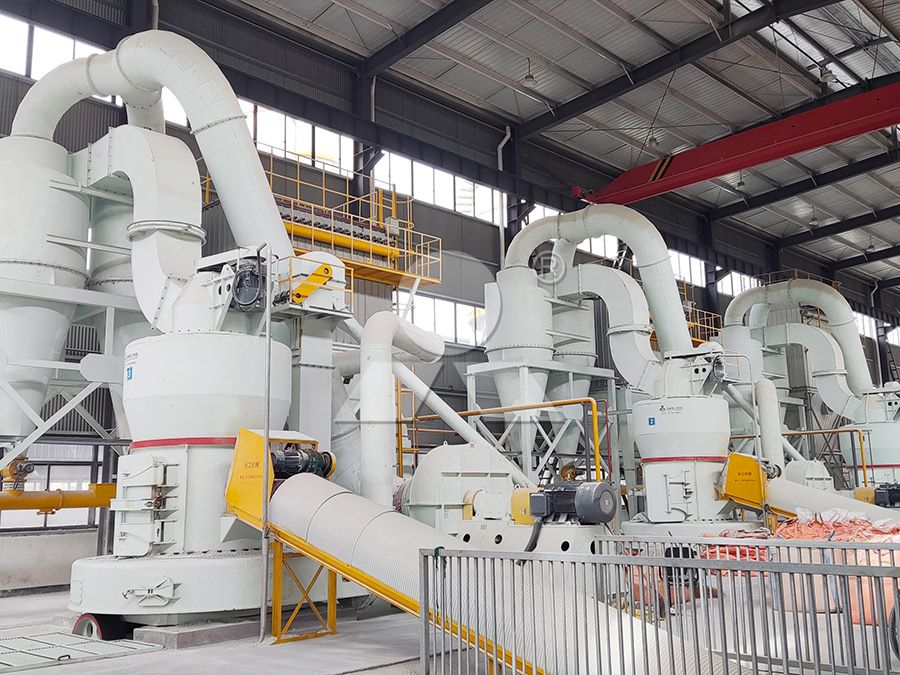
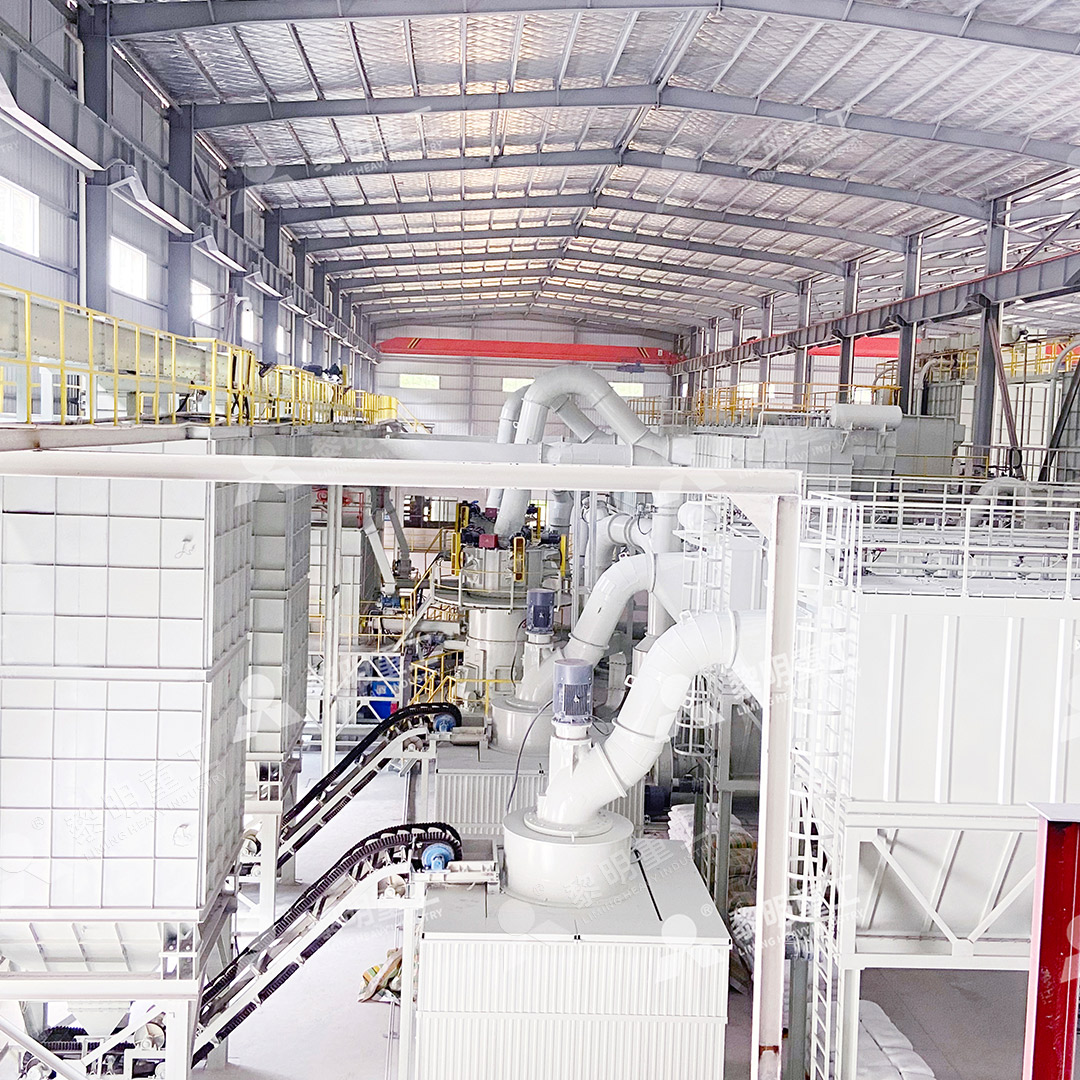
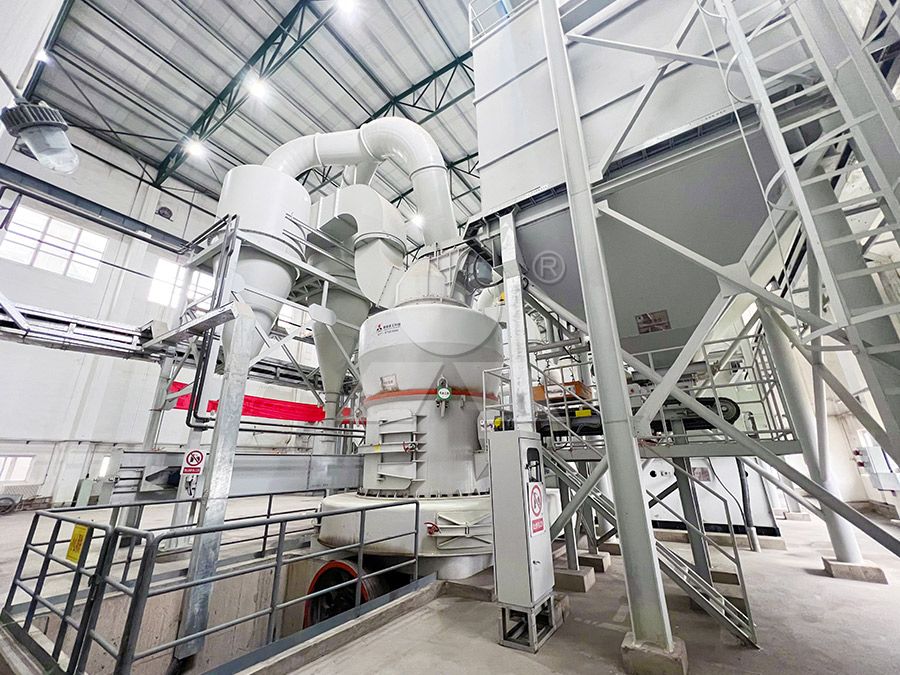
Our MW Ultrafine Grinding Mill is specifically engineered for this application. With an input size of 0–20 mm and a capacity range of 0.5–25 tph, it directly addresses the typical throughput needs of PNG ceramic producers. The machine’s grinding curves, designed for higher yielding with lower energy consumption, deliver 40% higher production capacity than jet mills and twice the yield of ball mills, while consuming only 30% of the energy of a jet mill. The product fineness is adjustable between 325 and 2500 mesh, exceeding ceramics requirements. Furthermore, the absence of rolling bearings and screws in the grinding chamber eliminates common mechanical failures, a critical advantage when operating in remote PNG locations with limited maintenance support.
4. Capital Expenditure Analysis
The initial purchase price of an industrial pulverizer for dolomite processing in PNG varies significantly by technology and capacity. A mid-range Raymond mill system (5–8 tph) typically costs between USD 80,000 and 150,000, inclusive of crusher, elevator, and dust collection. However, these systems often require additional classifiers to achieve consistent 325-mesh product, adding 15–25% to the base cost.
Ball mill systems for similar capacity range from USD 100,000 to 200,000, but their larger footprint drives up civil works expenses, which are particularly high in PNG due to remote location logistics and concrete material costs.
Our MW Ultrafine Grinding Mill system, with its integrated pulse dust collector and muffler, represents a higher initial investment—typically USD 180,000 to 320,000 for a 5–10 tph configuration. However, this CAPEX must be contextualized against the total cost of ownership. The MW mill’s compact footprint reduces foundation and building costs by approximately 30% compared to ball mill systems. Additionally, the machine’s digitalized processing ensures precise manufacturing of core components, extending service life and reducing the frequency of capital replacement cycles.
For producers targeting higher throughput or needing superior whiteness and cleanliness in their ceramic bodies, the LUM Ultrafine Vertical Grinding Mill presents an alternative. With an input size of 0–10 mm and capacity of 5–18 tph, the LUM mill’s Taiwanese roller technology and German powder separation system deliver exceptional product quality. Its double position-limiting technology protects against destructive impacts, crucial when processing dolomite with occasional hard inclusions. The reversible structure design also simplifies roller and liner replacement, reducing downtime—a significant cost consideration in PNG where technical labor is expensive and spare parts availability is limited.
5. Operational Cost Breakdown
Energy costs constitute the largest portion of operating expenses for dolomite pulverization. In PNG, industrial electricity tariffs average USD 0.25–0.35 per kWh, among the highest in the Asia-Pacific region. A conventional ball mill consuming 500–600 kWh per ton of finished dolomite powder would incur energy costs of USD 125–210 per ton. In contrast, the MW Ultrafine Grinding Mill’s energy consumption is only 150–200 kWh per ton, reducing energy cost to USD 37–70 per ton—a saving of 60–70%.
Consumables and wear parts represent the second major cost category. Grinding rollers and rings for dolomite processing typically require replacement every 800–1500 operating hours, depending on feed material abrasiveness. Traditional high-manganese steel parts cost USD 4,000–8,000 per set. The MW mill’s wear-resistant alloy components, developed in collaboration with scientific institutes, demonstrate 1.7–2.5 times longer service life, effectively reducing annual consumable costs by 40–50%.
Maintenance labor costs in PNG are elevated due to the scarcity of skilled millwrights and mechanics. The MW mill’s external lubricating device, which allows oiling without shutdown, enables 24-hour continuous operation and reduces scheduled maintenance time by 20%. The absence of internal screens and screw conveyors also eliminates common failure points that require frequent intervention.
6. Logistics and Installation Costs
Equipment delivery to PNG adds 15–25% to the FOB price, with shipping costs to Port Moresby or Lae being the primary factor. The MW mill’s modular design, comprising pre-assembled units, reduces on-site installation time to 10–14 days compared to 25–40 days for traditional ball mill systems. This translates to significant savings in expatriate technician accommodation and per diem costs, which can exceed USD 500 per day per person in PNG.
Customs duties and import taxes for grinding machinery in PNG range from 5–15% depending on the product classification. However, equipment classified under ‘mineral processing machinery for local manufacturing’ may qualify for duty exemptions or reductions under PNG’s investment promotion authority programs.
7. Cost-Benefit Comparison Summary
When analyzing total cost of ownership over a 10-year period for a 10 tph dolomite grinding operation, the following comparative figures emerge:
- Ball Mill System: Initial CAPEX USD 180,000; annual OPEX USD 680,000 (including energy USD 520,000, consumables USD 110,000, maintenance USD 50,000); 10-year total: USD 6.98 million.
- Raymond Mill System: Initial CAPEX USD 130,000; annual OPEX USD 550,000; 10-year total: USD 5.63 million.
- MW Ultrafine Grinding Mill: Initial CAPEX USD 280,000; annual OPEX USD 320,000 (including energy USD 260,000, consumables USD 40,000, maintenance USD 20,000); 10-year total: USD 3.48 million.
The MW mill delivers a net savings of USD 3.5 million over a decade compared to ball mill technology, justifying the higher upfront investment within the first 14–18 months of operation. This analysis assumes 6,000 operating hours per year at 80% load factor.
8. Environmental Compliance and Future Costs
PNG’s environmental regulations are becoming increasingly stringent, particularly for industrial operations near populated areas or water catchments. The MW Ultrafine Grinding Mill’s efficient pulse dust collector ensures zero dust pollution during operation, meeting national environmental standards without additional baghouse investments. The integrated silencer and noise elimination room keep sound levels below 85 dB(A) at 1 meter, avoiding the need for expensive soundproofing enclosures that other mills typically require.
Future carbon taxation or emissions trading schemes could further improve the relative economics of energy-efficient mills. The MW mill’s 70% energy reduction versus jet mills positions operators favorably for any regulatory shift.
9. Conclusion and Recommendation
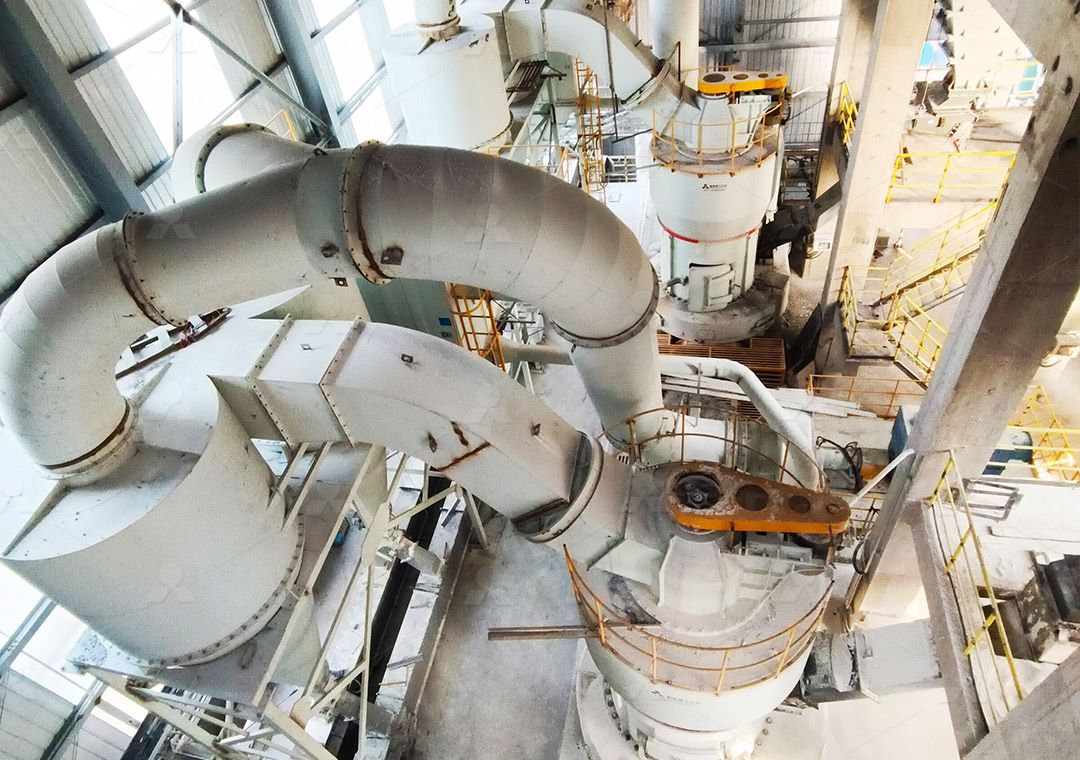
For dolomite processing dedicated to ceramics raw material production in Papua New Guinea, the MW Ultrafine Grinding Mill offers the most compelling total cost of ownership among available industrial pulverizers. Its lower energy consumption, reduced wear part costs, minimal maintenance requirements, and environmental compliance features directly address the specific challenges of operating in PNG—high energy costs, limited technical labor, remote location logistics, and evolving environmental standards.
The mill’s ability to consistently produce d97≤5μm powder in a single pass, with the screening rate adjustable between 325 and 2500 mesh, provides ceramics manufacturers with the flexibility to target multiple market segments without additional equipment investment. Furthermore, LIMING’s commitment to sufficient spare parts supply and technical services ensures that operators in PNG can maintain worry-free production, even when facing the logistical challenges typical of the region.
We recommend that prospective investors conduct a detailed feasibility study with representative dolomite samples from their specific PNG deposit. Our technical team can provide sample grinding tests and customized flow sheet designs to optimize the equipment configuration for local raw material characteristics and production targets.
Frequently Asked Questions (FAQ)
- What is the typical delivery lead time for an MW Ultrafine Grinding Mill to Papua New Guinea?
Standard delivery is 45–60 days from order confirmation, plus 25–35 days for sea freight to PNG ports. Expedited production options are available for an additional 15% surcharge, reducing factory lead time to 30 days. - Can the MW mill handle dolomite with high moisture content typical of PNG’s tropical climate?
Yes. The mill system can be configured with an integrated hot air generator for simultaneous drying and grinding. For moisture levels up to 10%, no pre-drying is required. For higher moisture, a flash dryer can be added upstream. - What is the warranty period and what does it cover?
LIMING offers a 24-month warranty from the date of commissioning or 30 months from the date of shipment, whichever comes first. The warranty covers manufacturing defects in materials and workmanship for all main components, excluding normal wear parts. - Does LIMING provide installation support and operator training in PNG?
Yes. We provide on-site installation supervision by a senior engineer for up to 14 days, including operator and maintenance training. Remote technical support is available 24/7 via satellite phone and video link. - What spare parts should be stocked for the first year of operation?
We recommend stocking one set of grinding rollers and rings, two sets of shovel blades (if equipped), a complete set of seals and gaskets, a spare classifier rotor, and critical electrical components. Our parts advisor will provide a detailed recommendation based on your specific configuration and operating schedule. - How does the MW mill achieve lower iron contamination compared to ball mills?
The grinding rollers and rings do not make direct metal-to-metal contact. A material bed forms between them, providing autogenous grinding action. Additionally, the chamber has no rolling bearings or screws that could wear and introduce iron fines. The iron content in the final product is typically below 0.02%. - Can the mill switch between dolomite and other minerals without major modifications?
Yes. The fineness adjustment (325–2500 mesh) and grinding pressure can be adjusted from the PLC control panel. Changing between dolomite, calcite, barite, or talc typically requires only parameter changes and a short purge period of 15–30 minutes. - What is the expected service life of the main mill body?
The main frame and housing are fabricated from heavy-gauge steel and designed for a minimum service life of 20 years under normal operating conditions. The wear-resistant lining plates inside the chamber typically require replacement every 3–5 years depending on throughput and material abrasiveness.