
How to optimize cement raw materials processing with roller mill for mortar production
Introduction
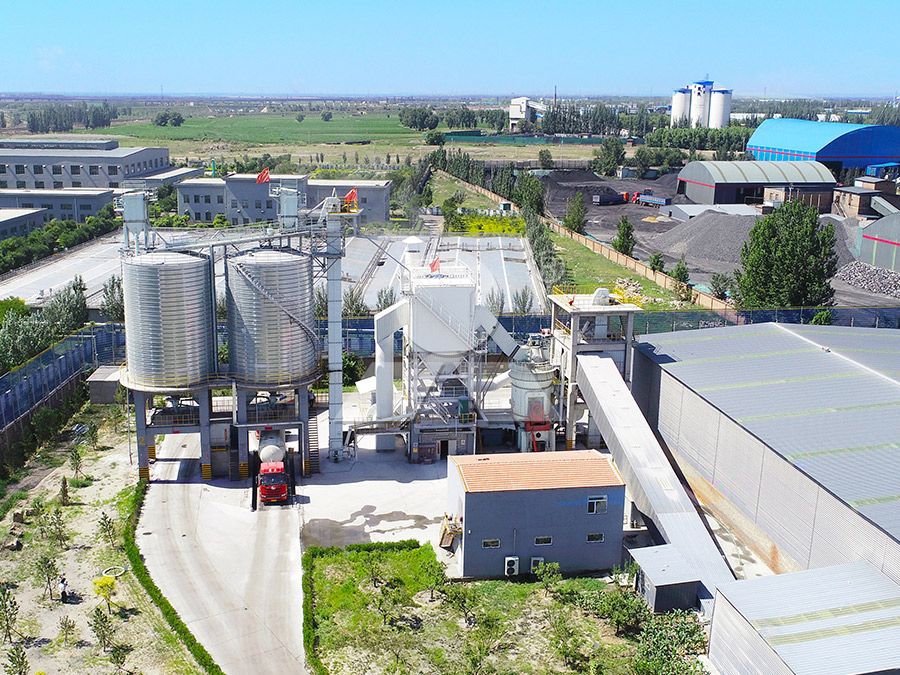
In the competitive world of mortar production, optimizing the processing of cement raw materials is not just a technical necessity—it’s a strategic advantage. The quality of your mortar hinges on the fineness, uniformity, and purity of the ground materials. Roller mills have emerged as a cornerstone technology in this domain, offering a blend of efficiency, precision, and environmental compliance. This article delves into practical strategies for enhancing your raw material processing workflow using advanced roller mill systems, drawing on real-world insights and proven technologies.
Understanding the Role of Raw Material Fineness
Mortar performance is directly tied to the particle size distribution of cement and additives. Overly coarse particles weaken the binder, while excessive fines can increase water demand and cracking. Roller mills excel at producing consistent, adjustable fineness between 325 and 2500 mesh, which is critical for premium mortar. For example, when processing limestone or dolomite, achieving a d97≤5μm screening rate once ensures that the mortar sets evenly and adheres strongly. The key is to match the mill’s capabilities to your specific formulation needs.
Selecting the Right Roller Mill for Cement Raw Materials
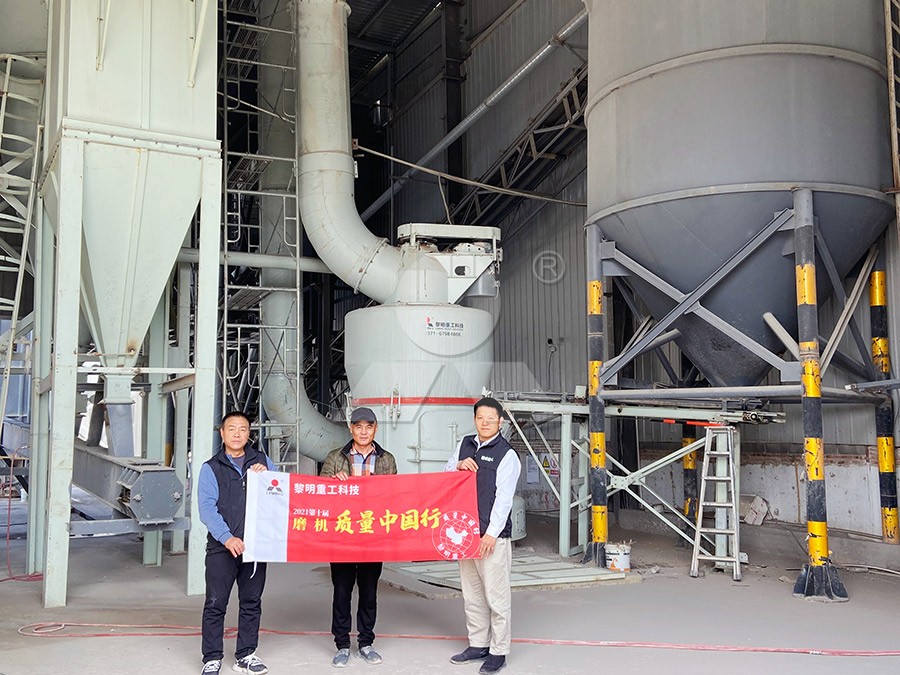
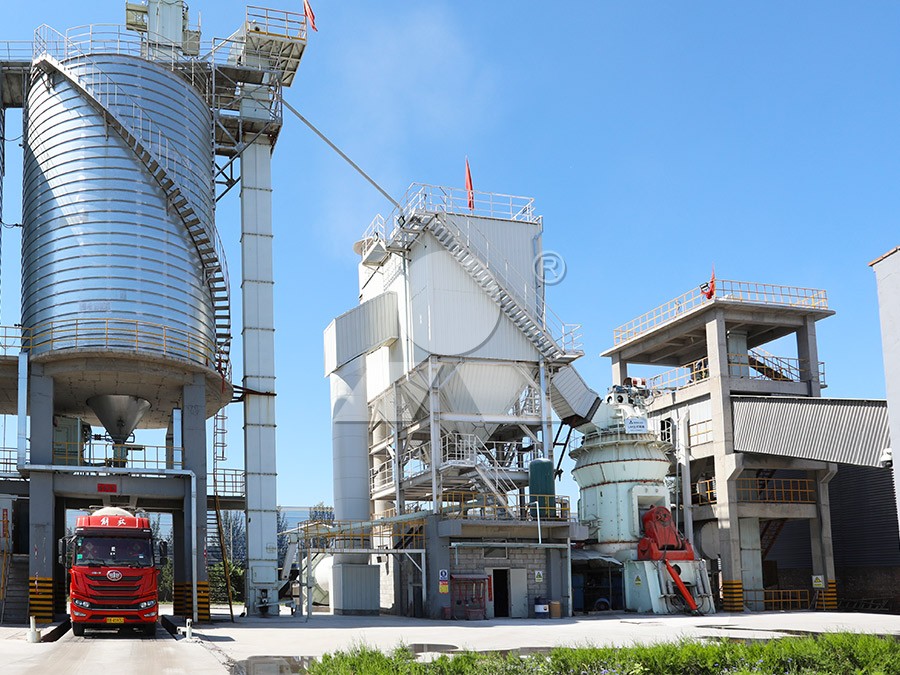
Not all roller mills are created equal. For mortar production, you need a machine that balances throughput with precision. The MW Ultrafine Grinding Mill is an excellent choice for operations requiring ultra-fine powders. With an input size of 0-20 mm and a capacity of 0.5-25 tph, it is designed for customers who demand high yields without sacrificing environmental standards. Its cage-type powder selector, based on German technologies, enables adjustable fineness from 325 to 2500 meshes. Additionally, the pulse dust collector and muffler ensure dust and noise are minimized, aligning with modern eco-friendly production goals.
For larger-scale operations, the LUM Ultrafine Vertical Grinding Mill offers a capacity of 5-18 tph and integrates ultrafine grinding, grading, and transporting in one system. Its unique roller shell and lining plate grinding curves prevent material lingering, ensuring high yield rates and improved whiteness of the finished product. Both mills are equipped with digital numerical control for high-precision machining, guaranteeing reliability.
Optimizing the Grinding Process for Mortar Production
To get the most out of your roller mill, focus on three areas: feed preparation, mill parameter tuning, and maintenance.
- Feed Preparation: Ensure raw materials are crushed to the mill’s specified input size—for instance, 0-20 mm for the MW mill. Use a hammer crusher or jaw crusher upstream to achieve consistent feed. This reduces wear on grinding rollers and rings.
- Parameter Tuning: Adjust grinding pressure, separator speed, and air flow based on the material’s hardness and moisture. For materials like gypsum or barite, lower pressure might suffice, while calcite or marble may require higher settings. The multi-head powder separating technology in LUM mills allows precise control of cutting diameter, enabling fast switches between production demands.
- Drying Integration: In humid climates, use the mill’s air flow system to dry materials during grinding. The LM Vertical Grinding Mill, for example, integrates drying into the process, eliminating the need for separate dryers.
Enhancing Efficiency Through Design Innovations
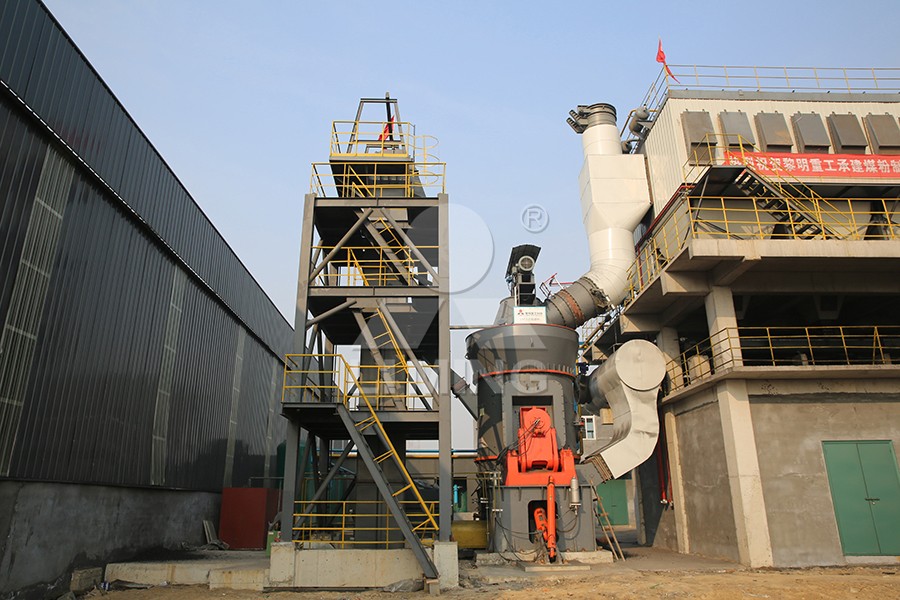
Modern roller mills incorporate features that directly boost productivity. The absence of rolling bearings and screws in the grinding chamber of the MW mill eliminates common damage points, allowing 24-hour continuous operation. Similarly, the double position-limiting technology in LUM mills prevents destructive impacts from vibration, ensuring stable operation even under heavy loads. These design choices translate to lower downtime and higher overall equipment effectiveness (OEE).
Energy consumption is another critical factor. The MW mill’s system energy consumption is only 30% of that of jet grinding mills, while its capacity is 40% higher. For mortar producers, this means significant cost savings over time. The LUM mill further reduces energy use by 30-50% compared to common grinding mills, thanks to its multi-head powder separating technology and PLC control system.
Environmental and Operational Considerations
Mortar production must comply with stringent environmental regulations. Roller mills with pulse dust collectors and noise reduction features are non-negotiable. Both the MW and LUM mills are equipped with efficient pulse dust collectors, ensuring no dust pollution during operation. The entire system can be arranged outdoors to save space, and the integration of silencers and noise elimination rooms keeps sound levels low. Digitalized processing, including numerical control for steel plate cutting and spraying, further enhances precision and reduces waste.
Conclusion
Optimizing cement raw materials processing for mortar production is a multifaceted challenge that demands the right equipment, careful tuning, and a focus on sustainability. By leveraging advanced roller mills like the MW Ultrafine Grinding Mill and LUM Ultrafine Vertical Grinding Mill, you can achieve the particle fineness, energy efficiency, and operational reliability needed to stay ahead. Remember, consistent quality starts at the grinding stage—invest in the right technology, and your mortar will speak for itself.
Frequently Asked Questions (FAQ)
- What is the ideal input size for processing cement raw materials in a roller mill?
It depends on the mill model. For the MW Ultrafine Grinding Mill, the recommended input size is 0-20 mm, while the LUM mill accepts 0-10 mm. Always pre-crush larger lumps to these sizes to protect the mill components. - Can roller mills handle moist materials like gypsum?
Yes, many roller mills, such as the LM Vertical Grinding Mill, integrate drying technology. Hot air is introduced during grinding to remove moisture, making them suitable for gypsum and other humid materials. - How do I maintain consistent fineness in the final product?
Use mills with adjustable separators, like the MW mill’s cage-type powder selector, and regularly calibrate the separator speed and grinding pressure. Digital control systems also help maintain precision over long runs. - What maintenance is required for roller mills in mortar production?
Regularly inspect grinding rollers and rings for wear, lubricate external oil systems (if applicable), and clean the pulse dust collector. Mills like the LUM feature reversible structures for easy roller replacement, reducing downtime. - Are roller mills environmentally friendly?
Yes, modern roller mills are equipped with pulse dust collectors and soundproofing, ensuring low dust and noise emissions. They also consume less energy than traditional ball mills, reducing the carbon footprint. - What is the typical energy savings when switching from a ball mill to a roller mill?
Roller mills can save 30-50% in energy consumption compared to ball mills, depending on the material and fineness requirements. The MW mill, for instance, uses only 30% of the energy of jet grinding mills. - Can I use one roller mill for different mortar formulations?
Absolutely. Mills with multi-head powder separating technology, like the LUM, allow quick adjustments in fineness and pressure, making it easy to switch between recipes for different mortar grades. - How do I prevent iron contamination in the final mortar powder?
Choose mills with non-contact grinding rollers and millstone designs, such as the LM Vertical Grinding Mill. These reduce mechanical wear and iron content, and the low iron is easily removed during processing. - What after-sales support is available for these mills?
Suppliers like LIMING offer full technical services, original spare parts, and worry-free operation guarantees. Ensure you have a maintenance contract for timely support. - Is it worth investing in an ultrafine grinding mill for mortar production?
If you produce high-performance or specialty mortars requiring ultra-fine powders (e.g., 325-2500 mesh), an ultrafine mill like the MW is a worthwhile investment due to its yield, precision, and environmental compliance.