
Grinding mill for carbon black for plastic coloration in south africa
Introduction: The Challenge of Carbon Black Grinding for Plastics
South Africa’s plastics industry is a significant contributor to the economy, with applications ranging from packaging to automotive components. A critical ingredient in many plastic products is carbon black, used primarily as a pigment and a reinforcing agent. For plastic coloration, the quality of the carbon black powder is paramount. The fineness, particle size distribution, and purity directly influence the color strength, dispersion, and final aesthetic of the plastic item. Grinding carbon black to the required specifications—often as fine as 325 to 2500 mesh—presents unique challenges. Traditional grinding mills often struggle with energy consumption, wear and tear, and maintaining consistent product quality. This article explores the technical requirements for processing carbon black for the South African plastic coloration market and presents advanced milling solutions designed to meet these demands.
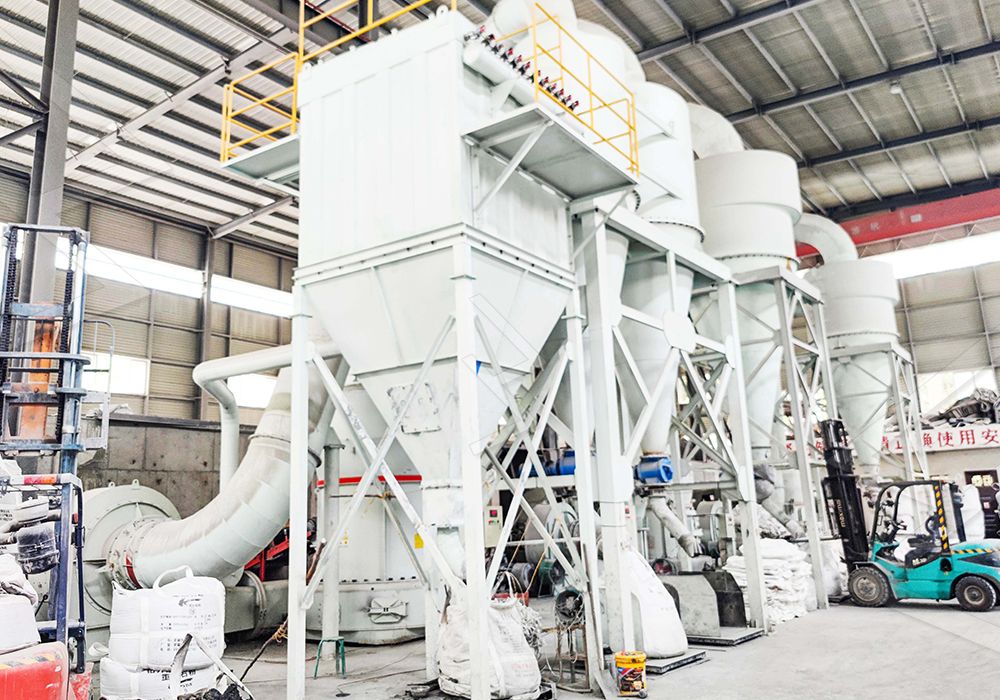
Why Particle Size Matters in Plastic Coloration
In the world of plastic masterbatch and compounding, the dispersion of carbon black is everything. Agglomerated particles lead to visible specks, surface defects, and inconsistent color. The target fineness for most coloration applications is below 10 microns, often around 5 microns (d97). Achieving this requires a grinding mill capable of ultra-fine output. Traditional ball mills, while robust, are often inefficient for this task, consuming high energy and producing a wide particle size distribution. Jet mills, on the other hand, can achieve fine results but at a much higher operational cost. The ideal solution balances high throughput, low energy consumption, and precise particle size control. This is where modern vertical and ultra-fine grinding technologies come into play.
Selecting the Right Grinding Mill for Carbon Black
When selecting a grinding mill for carbon black in South Africa, several factors must be considered: the moisture content of the feedstock, the required throughput (tons per hour), the desired fineness (mesh size), and the operational budget. Two types of mills have proven particularly effective for this application: the Ultrafine Vertical Roller Mill and the European Trapezium Mill. Both offer distinct advantages in terms of efficiency, maintenance, and product quality. For operations requiring the highest level of fineness and purity, the LUM Ultrafine Vertical Grinding Mill or MW Ultrafine Grinding Mill are excellent choices. For those needing a balance between capacity and medium-fineness output, the MTW European Trapezium Mill is a strong contender.
Case Study: Using the MW Ultrafine Grinding Mill for Carbon Black
Consider a scenario where a South African masterbatch producer needs to process carbon black with an input size of less than 20 mm to a final fineness of 800 mesh or finer. The MW Ultrafine Grinding Mill is ideally suited for this task. With a capacity ranging from 0.5 to 25 tph, it can handle various production scales. One of its key advantages is the absence of rolling bearings and screws in the grinding chamber, which eliminates common maintenance issues like bearing damage and loose screws. The use of a pulse dust collector ensures an eco-friendly operation, which is increasingly important in South Africa’s regulatory environment. Furthermore, the adjustable fineness between 325 and 2500 mesh gives operators the flexibility to produce different grades of carbon black for various plastic applications—from general-purpose colorants to high-performance engineering plastics.
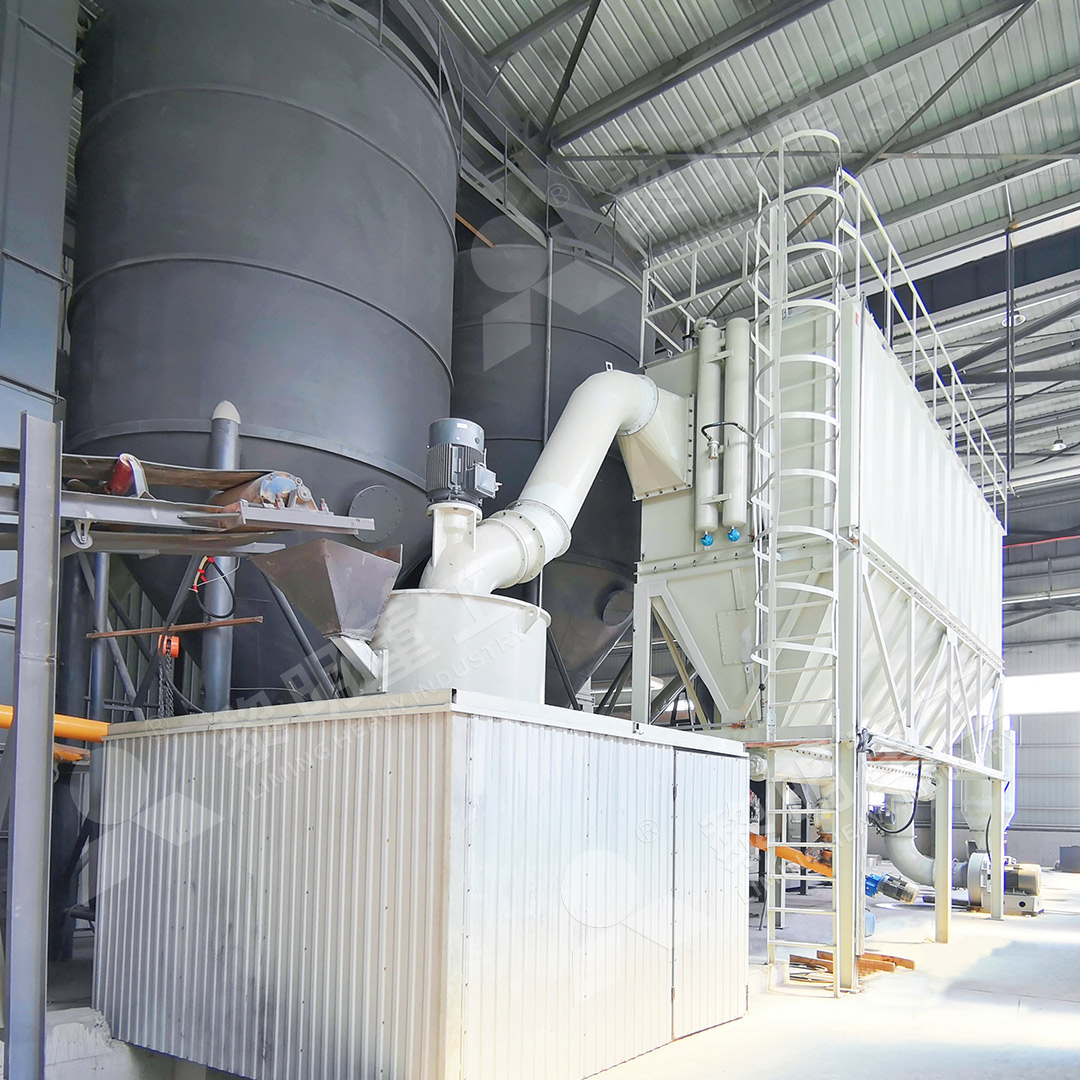
Product Recommendation: The LUM Ultrafine Vertical Grinding Mill
For operations that prioritize the highest output quality and advanced automation, the LUM Ultrafine Vertical Grinding Mill stands out. This mill integrates grinding, grading, and conveying, which simplifies the process flow. It is especially effective for carbon black with low moisture content. The double position-limiting technology prevents destructive vibration, ensuring stable operation even under demanding conditions. The reversible structure allows for easy maintenance, reducing downtime. By adopting Taiwan grinding roller technology and German powder separating technology, the LUM mill achieves a high yielding rate and excellent product quality, with minimal iron contamination—a crucial factor for maintaining the whiteness and purity of colored plastics. In the energy-conscious South African market, its potential to reduce energy consumption by 30-50% compared to common mills is a significant advantage.
Operational Considerations for the South African Market
South African processors often deal with variable power supply and harsh operating conditions. Therefore, equipment reliability and ease of maintenance are critical. Both the MW and LUM series mills feature digitalized processing and numerical control for precision manufacturing of core parts. This ensures consistent performance and long service life. LIMING, the manufacturer, provides sufficient supply of spare parts and technical services, which is essential for worry-free operation in remote or high-demand locations. The elastic volute damping structure found in the MTW-Z European Trapezium Mill, for example, is designed to reduce vibration damage, directly addressing the common problem of structural fatigue in heavy-duty milling operations.
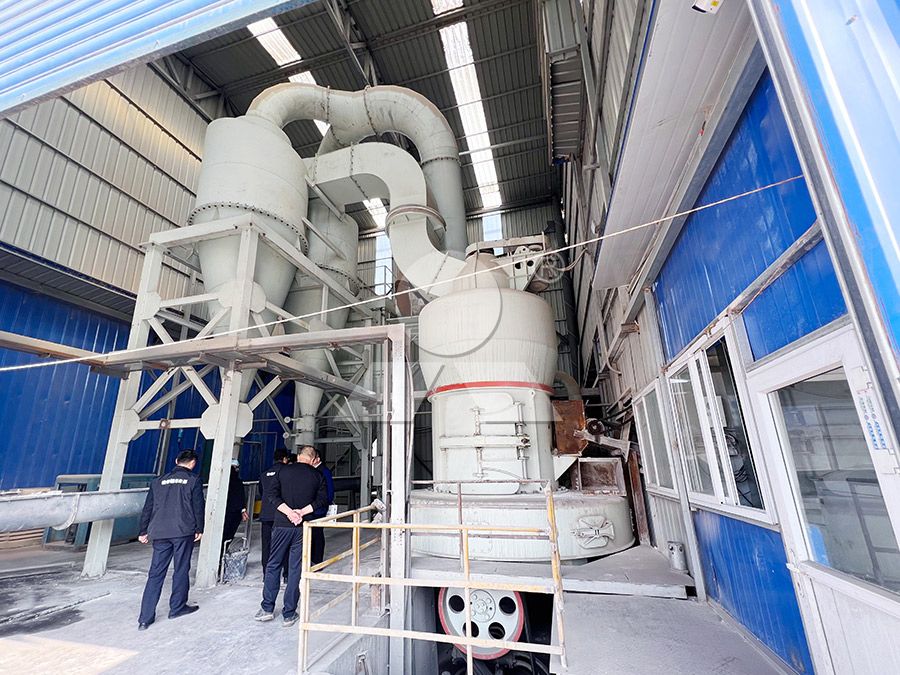
Conclusion: Maximizing Efficiency and Quality
Grinding carbon black for plastic coloration in South Africa requires a strategic choice of equipment. The key is to match the mill’s capabilities with the specific application needs. For ultra-fine, high-purity powders, the LUM Ultrafine Vertical Grinding Mill offers an unmatched combination of efficiency and quality. For medium to fine grinding with lower initial investment, the MTW European Trapezium Mill provides robust performance. Ultimately, the success of any milling operation depends on understanding the material properties, selecting the correct process parameters, and choosing a reliable partner for equipment and support. With the right grinding mill, South African plastic manufacturers can achieve superior color consistency, reduce waste, and improve their overall competitiveness in the global market.
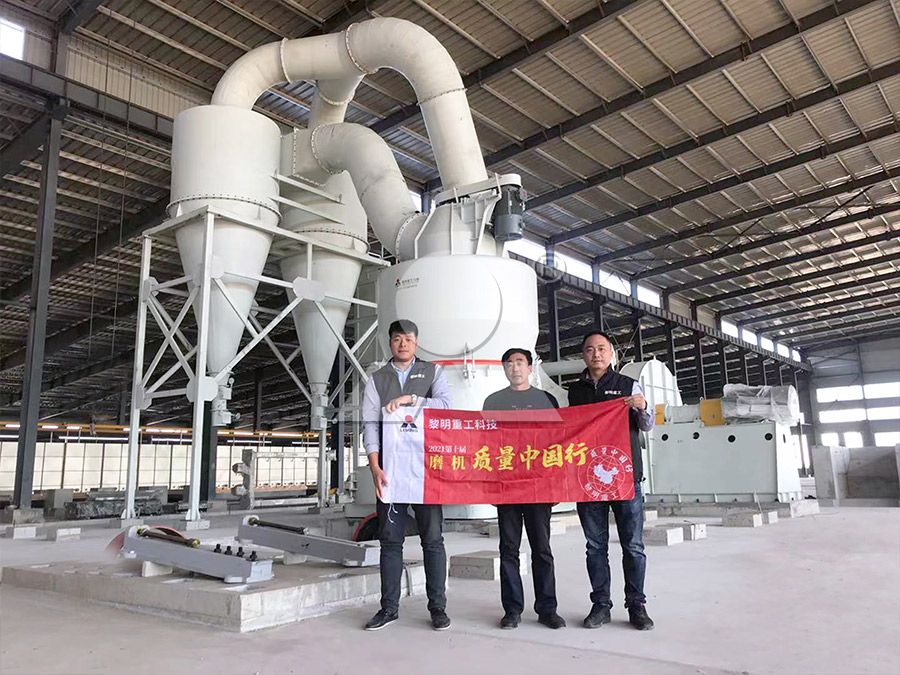
Frequently Asked Questions (FAQ)
1. What fineness is typically required for carbon black used in plastic coloration?
For most plastic masterbatch applications, a fineness of d97 below 10 microns (equivalent to approximately 1250 mesh) is standard. High-performance applications may require fineness down to 5 microns (2500 mesh).
2. What is the main advantage of using a vertical mill over a ball mill for carbon black?
Vertical mills, such as the LUM series, offer significantly lower energy consumption (30-50% savings) and produce a more uniform particle size distribution with lower iron contamination. They also integrate drying and classification, reducing system complexity.
3. Can the MW Ultrafine Grinding Mill handle sticky or high-moisture carbon black?
The MW mill is designed for dry materials. If the carbon black has high moisture content (above 5-10%), a drying step is recommended before feeding it into the mill. The MTW European Trapezium Mill also works best with materials that are not excessively sticky.
4. How often do the grinding rollers and rings need to be replaced when grinding carbon black?
Wear rates depend on the abrasiveness of the carbon black and the hardness of the roller materials. The wear-resistant alloy used in LIMING’s mills typically offers a service life 1.7 to 2.5 times longer than traditional high manganese steel. Regular inspection is recommended.
5. Is the operation of these mills environmentally friendly?
Yes. Both the MW and LUM series are equipped with efficient pulse dust collectors and silencers, ensuring that dust emissions are well within national environmental protection standards. The system operates under negative pressure, minimizing dust spillage.
6. What is the typical capacity range for the LUM Ultrafine Vertical Grinding Mill for carbon black?
The LUM mill has a capacity range of 5 to 18 tph, making it suitable for medium to large-scale production lines. For smaller capacities (0.5-5 tph), the MW Ultrafine Grinding Mill is a more practical choice.
7. Do I need a separate classifier for the MTW European Trapezium Mill?
No. The MTW mill has an integrated high-efficiency cage-type powder concentrator, allowing for precise adjustment of the final product fineness without the need for an external classification system.
8. What kind of maintenance is required for the grinding roller bearings in the MTW-Z mill?
The MTW-Z mill uses a dilute oil lubrication system for the grinding rollers. This is an oil bath system that is maintenance-free in terms of frequent greasing, reducing the overall maintenance costs and labor required.