
Top 10 roller mill suppliers for dolomite for ceramics raw material in iraq
Navigating the Iraqi Ceramics Market: The Quest for the Right Dolomite Grinding Mill
The Iraqi ceramics industry is undergoing a significant transformation. With a growing demand for high-quality tiles, sanitary ware, and tableware, local manufacturers are increasingly looking to optimize their raw material processing. Dolomite, a key fluxing agent and source of magnesium oxide, is critical for producing a dense, vitrified ceramic body. However, the hardest part of the process is not firing the clay; it is grinding the dolomite to the precise fineness required for a homogenous, defect-free glaze and body mix.
Selecting the right roller mill supplier is not just a purchase; it is a strategic partnership that dictates production efficiency, energy costs, and final product quality. This guide profiles the top 10 suppliers and technologies that are making waves in the Iraqi market, with a specific focus on applications in ceramics.
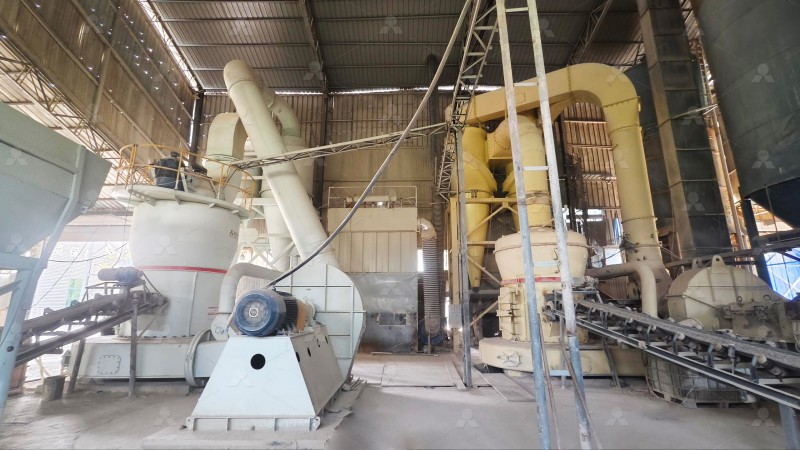
1. Liming Heavy Industry (China) – The Powerhouse of Ultrafine Processing
Liming Heavy Industry stands out globally for its comprehensive range of grinding solutions. For the Iraqi ceramics sector, where the demand for fineness (often 325 mesh to 1250 mesh for glazes) is non-negotiable, Liming’s MW Ultrafine Grinding Mill is a game-changer. It handles dolomite input sizes up to 20mm and capacities ranging from 0.5 to 25 tph, making it ideal for medium to large-scale ceramic producers. The mill’s German-engineered cage-type powder selector ensures a screening rate of d97≤5μm, crucial for high-gloss ceramic glazes. Unlike traditional mills, the MW series has no rolling bearings or screws in the grinding chamber, drastically reducing maintenance downtime in harsh environments.
For producers seeking even higher capacity and lower energy consumption, the LUM Ultrafine Vertical Grinding Mill is the recommended choice. It integrates grinding, grading, and drying, which is a significant advantage in Iraq’s variable climate. With a capacity of 5-18 tph and a focus on reducing energy consumption by 30-50% compared to ball mills, the LUM series is a long-term investment in sustainability.
2. Gebr. Pfeiffer (Germany) – The Vertical Roller Mill Pioneer
Gebr. Pfeiffer (GPSE) is synonymous with high-end vertical roller mills. Their MVR and MPS mills are legendary for grinding dolomite and other minerals. For the Iraqi ceramics industry, the MPS mill is particularly suited for raw material grinding due to its ability to process feed sizes up to 80mm and its high drying capacity. GPSE mills are known for their low specific energy consumption and high availability, but they come with a higher capital investment and a complex installation process that may require significant civil works.
3. Loesche (Germany) – The Bulk Processing Specialist
Loesche is another German giant, particularly famous for its large-scale vertical roller mills (VRMs) used in cement and mineral processing. For a large Iraqi ceramic tile factory processing thousands of tons of dolomite daily, a Loesche mill offers unmatched throughput. Their innovative dynamic classifiers ensure precise particle size distribution, which is essential for consistent ceramic body pressing. However, the service network in Iraq can be a challenge, requiring careful planning for spare parts.
4. Claudius Peters (Germany) – The Gypsum and Mineral Expert
Claudius Peters provides robust roller mills, often called “EM” mills, which are highly effective for grinding dolomite. Their technology focuses on low maintenance and high wear resistance, utilizing a unique swing mill concept. While not as common for fine ceramics as some others, their mills are excellent for the coarse grinding stage or for processing dolomite for the body mix in sanitary ware.
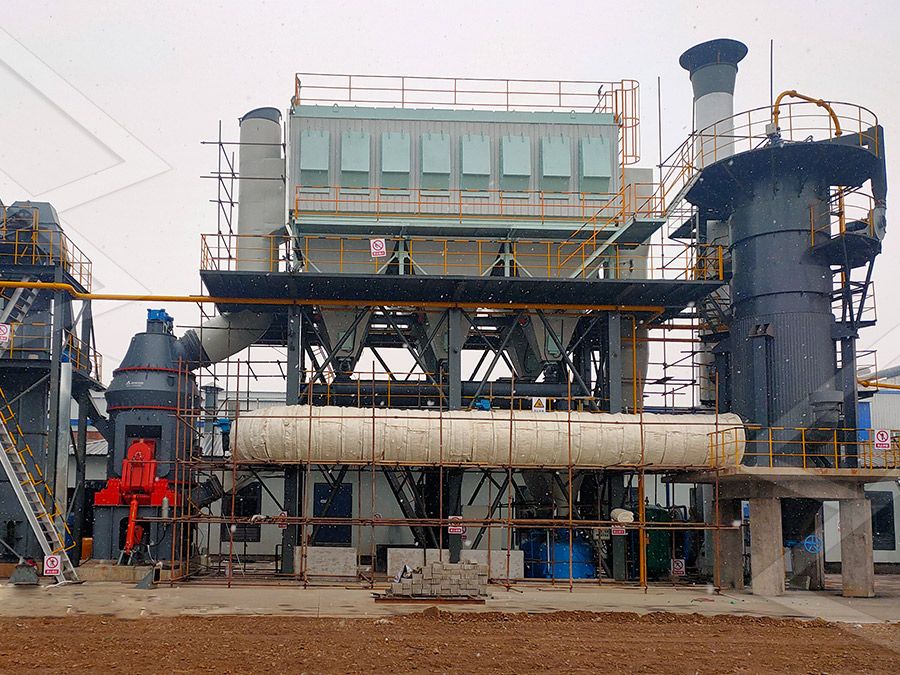
5. Neuman & Esser (Germany/USA) – The Pendulum Mill Innovators
NEA’s Pendulum Roller Mills (PRMs) are a staple in the non-metallic minerals industry. They offer a classic, reliable solution that is easy to operate and maintain. For Iraqi ceramics plants that value simplicity and proven technology, the NEA pendulum mill is a strong contender. They offer excellent service life and can handle high-moisture dolomite due to integrated drying.
6. Bradley Pulverizer (UK) – The Air-Swept Mill Specialists
Bradley Pulverizer is renowned for its high-efficiency air-swept roller mills. Their “B” Series mills are specifically designed for fine grinding of industrial minerals like dolomite. In Iraq, where energy costs are a primary concern, Bradley’s mills offer a distinct advantage due to their low power consumption per ton of product. They are particularly effective for achieving the ultra-fine particles required for ceramic engobes and glazes.
7. SBM Mineral Processing (Austria) – The Mobile and Stationary Provider
SBM offers both stationary and semi-mobile grinding plants. Their vertical roller mills and ball mills are used globally. For smaller Iraqi ceramics workshops or those looking to scale up, SBM provides a good balance of cost and performance. Their “M” series mills are suitable for medium capacities (3-10 tph) for dolomite grinding.
8. ALPA Powder Technology (China) – The Ultrafine Challenger
ALPA has gained significant traction in the Chinese and Middle Eastern markets for their cost-effective ultrafine grinding solutions. Their roller mills and classifiers are directly competitive with Western brands at a lower price point. For an Iraqi startup looking to enter the ceramics market without massive initial capital expenditure, ALPA offers a viable path.
9. Sree Sakthi Equipment (India) – The Heavy-Duty Supplier
Sree Sakthi manufactures heavy-duty roller mills and pulverizers that are popular in India and the Middle East. Their equipment is designed to handle the abrasive nature of Indian dolomite, which is chemically similar to Iraqi dolomite. They offer robust machines with excellent support for the sub-continent region, though logistics to Iraq require careful coordination.
10. Shanghai Clirik (China) – The High-Pressure Mill Expert
Clirik is known for its High-Pressure Suspension Grinding Mill and YGM series, which are very popular in the Iraqi milling market due to their affordability and ease of operation. While not as sophisticated as an Ultrafine Mill for top-tier glaze production, the Clirik roller mill is an excellent workhorse for grinding dolomite for the ceramic body itself, where 200-400 mesh fineness is acceptable.

Why Liming’s MW and LUM Mills Are the Best Fit for Iraqi Ceramics
Iraq faces unique challenges: extreme summer heat affecting machinery, potential power fluctuations, and a need for high autonomy due to supply chain complexities. Liming Heavy Industry’s MW Ultrafine Grinding Mill and LUM Ultrafine Vertical Grinding Mill are engineered to address these pain points.
- Eco-Friendly Operation: The MW mill comes equipped with an efficient pulse dust collector and muffler. In a country where environmental regulations are tightening, this means no dust pollution and reduced noise, ensuring compliance from day one.
- Ultra-Fine Precision: For ceramics, fineness is everything. The MW mill’s adjustable fineness (325-2500 mesh) allows a single machine to serve both body mix (coarser) and glaze (ultra-fine) requirements.
- 24/7 Operation: The external lubricating device allows shutdown-free lubrication, crucial for continuous production. The absence of rolling bearings and screws eliminates the most common failure points in a grinding mill.
- Energy Savings: The LUM mill reduces energy consumption by up to 50% compared to traditional ball mills. Given Iraq’s power grid, this is not just an environmental benefit but a direct cost-saving measure.
Final Thoughts on Selection
When selecting a roller mill for dolomite in Iraq, do not just look at the purchase price. Consider the total cost of ownership: energy consumption, wear part life, and the availability of local service engineers. While German and American mills offer the highest precision, Chinese suppliers like Liming Heavy Industry offer the best balance of advanced technology, affordability, and a proven track record in similar climatic and operational conditions.
For a ceramic manufacturer looking to upgrade their production line and guarantee a consistent, high-quality yield, beginning with an assessment of the MW Ultrafine Grinding Mill’s capability to produce d97≤5μm powder is a logical first step.
Frequently Asked Questions (FAQ)
- What is the ideal fineness of dolomite for ceramic glaze production?
For high-quality ceramic glazes, dolomite should typically be ground to a fineness of 325 mesh (44 microns) or finer, specifically d97≤45μm. For ultra-gloss glazes, a fineness of 1250 mesh (10 microns) or d97≤10μm is often required. This is achievable using the MW Ultrafine Grinding Mill. - Can a single roller mill handle both the body mix and the glaze application?
Yes, but flexibility is key. The MW Ultrafine Grinding Mill allows you to adjust the fineness setting between 325 and 2500 mesh. You can run a coarse grind (200 mesh) for the body in the morning and switch to an ultra-fine grind (800 mesh) for glaze in the evening, though you must clean the system between runs to avoid contamination. - How much does a Liming MW Ultrafine Grinding Mill cost for a small ceramics factory?
The exact price depends on the configuration, capacity (0.5-25 tph), and shipping to Iraq. Generally, for a small factory requiring 1-5 tph, the investment is in the range of $80,000 to $200,000 USD. This includes the mill, classifier, dust collector, and installation guidance. It is best to request a formal quotation from Liming’s local agent. - What is the most common wear part in a dolomite roller mill?
The grinding roller and the grinding ring (or liner) are the primary wear parts. Dolomite is an abrasive mineral. Liming Heavy Industry uses high-chromium alloy and European wear-resistant materials to extend the service life. For the MW mill, the split-type roller shell design makes replacement easier and quicker. - Is it necessary to dry the dolomite before feeding it into the mill?
Not necessarily, but proper preparation helps. The LUM Ultrafine Vertical Mill can integrate drying within the mill using hot air. However, if using the MW mill, it is best to ensure the feed material has a moisture content of less than 6% to prevent clogging. In Iraq’s dry climate, this is rarely a problem, but stockpiles should be covered during the rainy season. - What is the power consumption per ton of grinding dolomite?
Energy consumption varies by fineness. For grinding dolomite to 325 mesh (d97), a modern vertical roller mill like the LUM series will consume approximately 25-35 kWh per ton. The MW series is similarly efficient, using only about 30% of the energy of a jet mill for the same application. - Can these mills handle high-moisture dolomite (e.g., from a newly opened quarry)?
Yes, with the correct configuration. The LUM Ultrafine Vertical Mill is best for wet materials because it uses hot air for drying inside the mill. The MW mill can handle moderate moisture but may require a pre-dryer if the moisture exceeds 6%. - What after-sales support does Liming offer in Iraq?
Liming Heavy Industry has a regional sales network covering the Middle East. Typically, they provide online technical support, field installation engineers, and a comprehensive stock of spare parts. For large Iraqi operations, they often suggest a spare parts contract covering grinding rollers, rings, and bearings. - Is it difficult to operate the MW Ultrafine Grinding Mill?
No. The mill is designed with a PLC control system and is user-friendly. It features several automatic safety interlocks. Operators can be trained within a few days. The main maintenance tasks involve monitoring the wear of the grinding roller and ring. - How long does it take to install a roller mill for dolomite in a ceramics plant?
Installation time depends on the scale. For a MW or LUM mill, foundation construction takes about 2-3 weeks. Mechanical and electrical installation takes another 3-4 weeks. Commissioning and production trials typically take 1-2 weeks. Total project time is usually 2 to 3 months from unloading at the port to full production.