
How to optimize limestone processing with industrial pulverizer for cement production in chile
Introduction: The Chilean Cement Industry and the Role of Limestone
Chile’s cement industry is a cornerstone of its infrastructure development, from the towering skyscrapers of Santiago to the sprawling road networks crossing the Atacama Desert. Limestone, the primary raw material for cement, is abundant in Chile, particularly in regions like Coquimbo and Valparaíso. However, the efficiency of converting this raw limestone into fine, reactive powder directly impacts the quality of cement, energy consumption, and overall operational costs. Optimizing this process with the right industrial pulverizer is not just about upgrading equipment—it’s about transforming your entire production line. This article delves into practical strategies for enhancing limestone processing in Chile, focusing on the unique challenges of local conditions like high altitude, variable humidity, and stringent environmental regulations.
Understanding the Chilean Limestone Characteristics
Not all limestone is created equal. In Chile, limestone deposits vary significantly in hardness, moisture content, and chemical composition. For instance, limestone from the northern regions tends to be drier but harder due to lower organic content, while deposits in the south may have higher moisture levels from coastal influences. Before selecting a pulverizer, operators must analyze the feed material. Key parameters include:
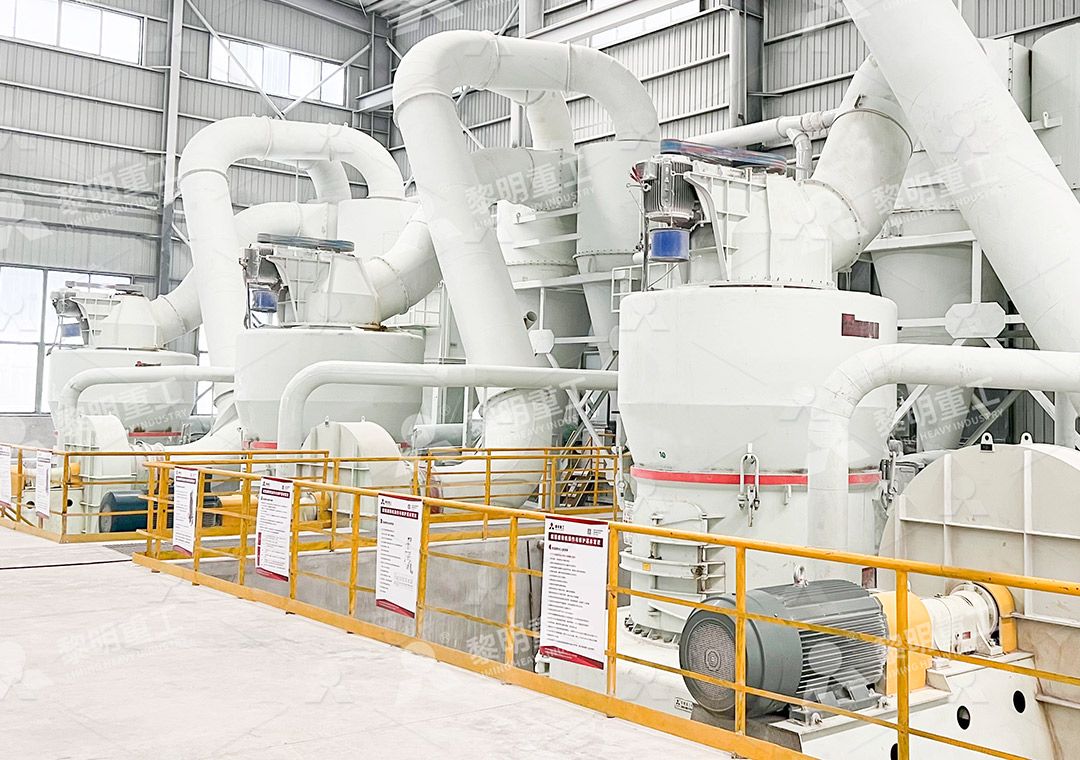
- Moisture Content: High moisture (above 10%%) can clog traditional mills. Pre-drying or using a mill with integrated drying capabilities, like the LM Vertical Grinding Mill (input size: 0-70 mm, capacity: 3-340 tph), which combines drying and grinding, becomes essential.
- Hardness: Chilean limestone often has a Mohs hardness of 3-4. While this is manageable for most pulverizers, variations with silica impurities require wear-resistant components.
- Fineness Requirements: For cement production, limestone powder typically needs a fineness of 325 mesh (45 microns) to 2500 mesh. This demands a mill with precise classification capabilities.
Key Optimization Strategies for Limestone Grinding
1. Matching the Mill to the Feed Size
One of the most common mistakes in Chilean cement plants is using a pulverizer designed for fine feed on coarse limestone. Pre-crushing the limestone to a consistent 0-20 mm using a jaw crusher or hammer crusher before feeding it into the main mill can drastically improve throughput. For this intermediate stage, the MW Ultrafine Grinding Mill (input size: 0-20 mm, capacity: 0.5-25 tph) is an excellent choice for achieving ultra-fine powder from pre-crushed material. Its ability to handle feed sizes up to 20 mm directly reduces the load on primary crushers and lowers total energy consumption by up to 30%%.
2. Controlling Energy Consumption with Variable Frequency Drives (VFDs)
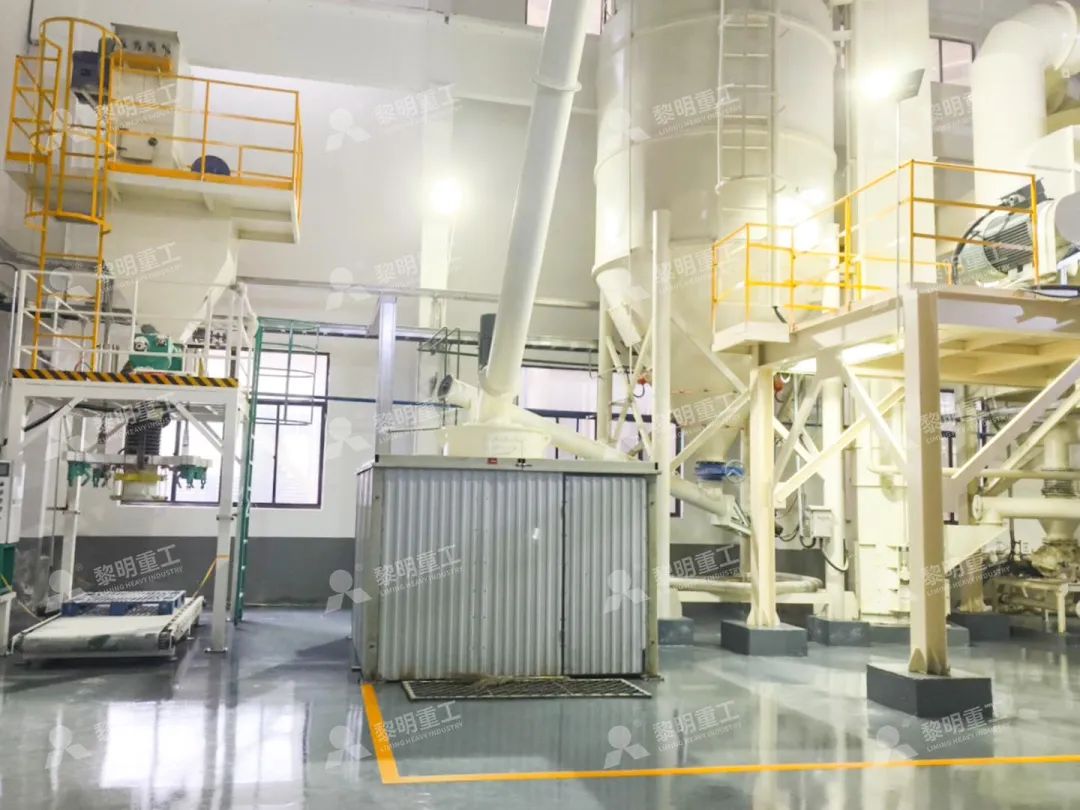
Energy costs in Chile, especially in mining-intensive regions, can account for 20-30%% of total production expenses. Installing VFDs on the pulverizer’s main motor and classifier allows operators to adjust the speed based on real-time demand. For instance, during off-peak hours or when producing coarser grades, reducing the mill speed by 10%% can cut energy use by 15%%. The LUM Ultrafine Vertical Grinding Mill (input size: 0-10 mm, capacity: 5-18 tph) features a PLC control system that integrates seamlessly with VFDs, enabling precise management of grinding pressure and revolving speed. This approach not only saves power but also extends the life of wear parts.
3. Reducing Moisture with Integrated Drying
Chile’s coastal humidity, particularly during the winter months, can increase limestone moisture to 8-12%%. If left unchecked, this causes material buildup on grinding rollers and classifier blades, reducing efficiency by up to 25%%. Opting for a pulverizer with an integrated drying system, like the LM Vertical Grinding Mill, which uses hot air from the cement kiln’s waste heat, can solve this problem. The mill’s air-swept design allows hot gas to enter directly into the grinding chamber, drying the material while it’s being ground. This dual function eliminates the need for a separate dryer, saving floor space and reducing capital expenditure.
4. Enhancing Classification Accuracy
For cement production, a narrow particle size distribution is critical. An over-coarse fraction of limestone leads to incomplete calcination in the kiln, while over-fine particles waste grinding energy. The cage-type powder selector found in the MW Ultrafine Grinding Mill, based on German technology, allows for real-time adjustment of fineness between 325 and 2500 mesh. Operators in Chile should calibrate the classifier rotor speed to the specific clinker requirements of their cement. For example, producing a limestone powder with d97 ≤ 15 μm ensures rapid reaction in the preheater, improving overall kiln efficiency by 5-8%%.
5. Mitigating Wear in High-Silica Environments
Limestone deposits in Chile, especially those near volcanic areas like the Andes foothills, can contain up to 10%% free silica. This is highly abrasive to grinding elements. The LUM Ultrafine Vertical Grinding Mill uses specially designed roller shells and lining plates with unique grinding curves that minimize sliding abrasion. Additionally, its reversible structure allows operators to easily flip the grinding roller or replace the lining plate without dismantling the entire mill. In one Chilean plant processing limestone with 8%% silica, switching to a vertical roller mill with tungsten carbide-coated rollers extended wear part life from 6 months to over 18 months.
Environmental Compliance: Meeting Chile’s New Standards
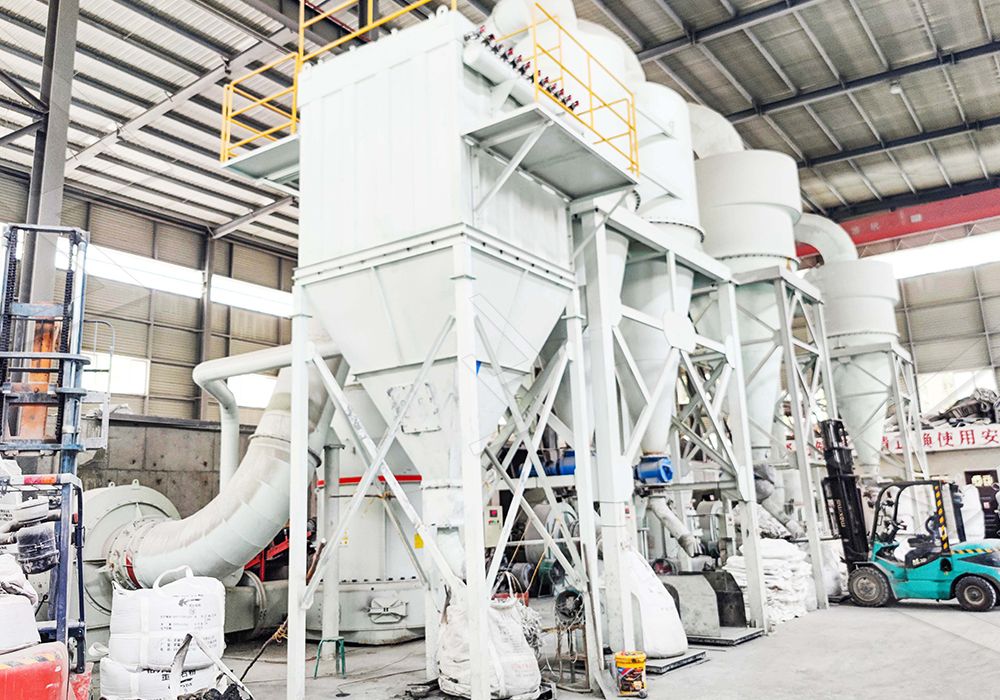
Chile’s environmental regulations, particularly regarding particulate matter (PM10 and PM2.5), have become stricter over the past decade. Cement plants in populated areas like La Serena or Rancagua face fines for dust emissions. Industrial pulverizers must be equipped with efficient pulse dust collectors. The MW Ultrafine Grinding Mill is factory-equipped with such a system, achieving dust concentrations below 10 mg/Nm³, well within Chilean limits. Also, noise from grinding mills can be a community issue; the muffler and noise elimination room options for the MW Ultrafine Grinding Mill reduce operational noise to under 75 dB, which is acceptable for day-time operation in industrial zones.
Conclusion: A Phased Approach for Chilean Operators
Optimizing limestone processing in Chile is not a one-size-fits-all solution. Start by auditing your current feed size and moisture variability. If you are starting with coarse material (up to 70 mm) and need high throughput, the LM Vertical Grinding Mill is your workhorse. For plants requiring ultra-fine powder for high-early-strength cement, the MW Ultrafine Grinding Mill offers the best combination of fineness and low energy consumption. Finally, if space is constrained in an existing plant, the LUM Ultrafine Vertical Grinding Mill‘s compact structure and reversible maintenance features minimize downtime. By integrating these strategies—proper feed preparation, energy management, drying, and classification—Chilean cement producers can achieve a 15-20%% increase in throughput while lowering their carbon footprint.
Frequently Asked Questions (FAQ)
- What is the ideal feed size for an industrial pulverizer processing Chilean limestone? It depends on the mill type. For the MW Ultrafine Grinding Mill, a feed size of 0-20 mm is optimal. For the LM Vertical Grinding Mill, you can feed up to 70 mm, but pre-crushing to below 50 mm improves efficiency.
- Can the MW Ultrafine Grinding Mill handle wet limestone? Yes, but if moisture exceeds 10%%, you may need a hot air source for drying. The mill itself does not have a built-in dryer, so a pre-drying step or external hot gas is recommended.
- How often should I replace the grinding rollers in the LUM Vertical Mill? For average Chilean limestone (Mohs 3-4), roller lifespan is typically 12-18 months. If silica content is high, consider upgrading to wear-resistant alloy rollers to extend this to 24 months.
- What fineness is required for cement production? Standard Portland cement requires limestone powder with 80%% passing 200 mesh (74 μm) to 325 mesh (45 μm). For high-performance cements, fineness up to 600 mesh is common.
- Does the LM Vertical Grinding Mill require a separate dust collector? No, it is a sealed system operating under negative pressure. However, adding a baghouse to the exit air stream can provide extra safety for meeting strict Chilean emission standards.
- What are the main differences between the MW and LUM Ultrafine mills? The MW Ultrafine Mill uses a multi-turnplate design with rollers for finer grinding (up to 2500 mesh), while the LUM Ultrafine Vertical Mill uses a single millstone with hydraulic system, offering higher capacity and lower energy consumption for medium-fine grinding (down to 325 mesh).
- Can I use these mills for other materials besides limestone? Absolutely. They are designed for non-metallic minerals like calcite, dolomite, gypsum, and marble, which are also used in Chile’s paint and construction material industries.
- How do I automate the grinding process in my Chilean plant? Both the LUM and LM mills come with PLC control systems that can be integrated with your plant’s Distributed Control System (DCS). This allows automatic adjustment of feeder speed, classifier rotor speed, and grinding pressure.
- What spare parts should I stock for the MW Ultrafine Grinding Mill? For continuous operation, keep spare grinding rollers, rings, and the cage-type powder selector rotor. Liming provides original parts for worry-free operation.
- Is the investment in an ultrafine mill justified for a small cement plant? Yes, because the higher yield (40%% more output than jet mill) and lower energy consumption (only 30%% of jet mill) quickly offset the initial cost, especially with rising electricity prices in Chile.