
How to optimize cement clinker processing with industrial pulverizer for ready-mix factories in ethiopia
Introduction: The challenge of cement clinker grinding in ethiopia
Ethiopia’s construction sector is booming, and ready-mix concrete factories are under constant pressure to deliver high-quality cement products on time. One of the biggest bottlenecks in production is cement clinker processing. Clinker, the key intermediate in cement manufacturing, must be ground into a fine powder with precise particle size distribution. Using outdated or inefficient milling equipment leads to high energy costs, inconsistent quality, and frequent downtime. This is where modern industrial pulverizers, specifically ultrafine grinding mills, step in to transform operations.
For ready-mix factories in Ethiopia, optimizing clinker processing means selecting a mill that balances throughput, fineness, and energy efficiency. Let’s break down the practical steps and technologies that can help you achieve this.
Understanding the raw material: cement clinker
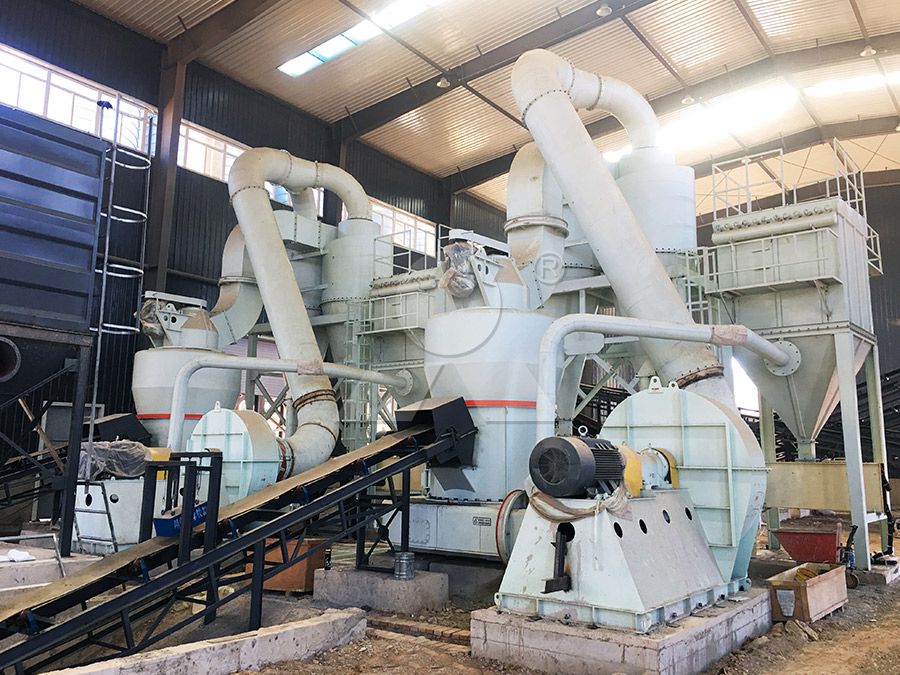
Cement clinker is a nodular material produced by sintering limestone and clay at high temperatures. Its hardness and abrasiveness vary, but typical feed sizes for milling range from 0 to 50 mm. For ready-mix factories, the target fineness for finished cement is usually around 325 mesh (44 microns) or finer, depending on the application. A pulverizer that can handle these input sizes while delivering consistent output is essential.
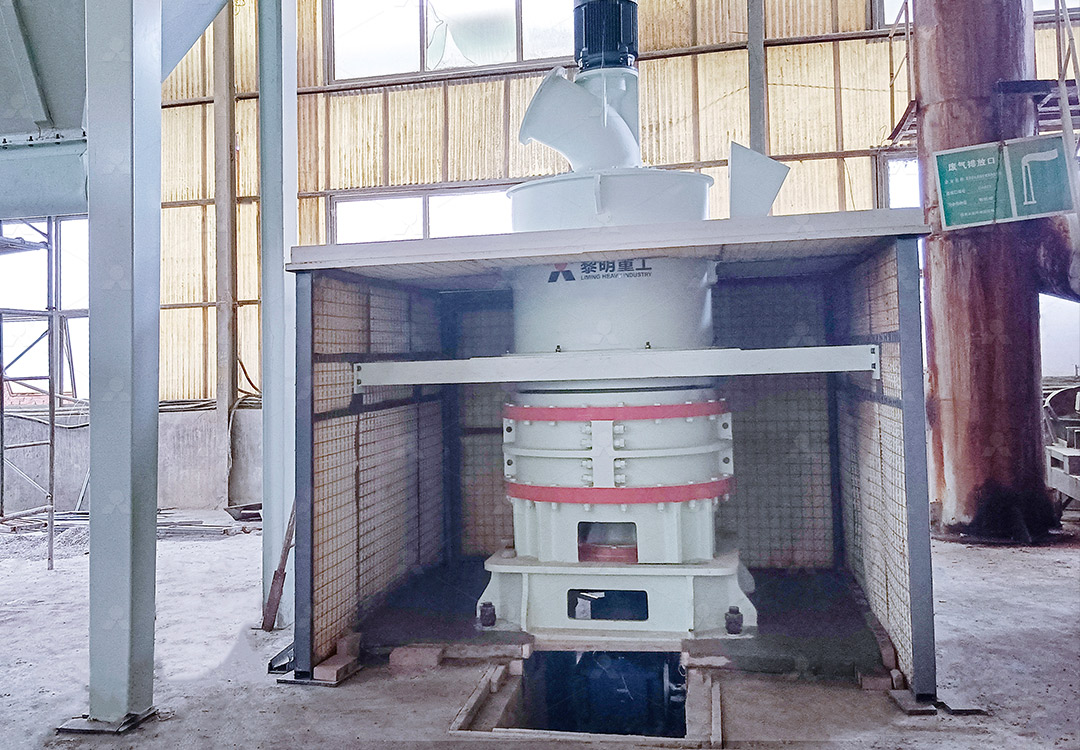
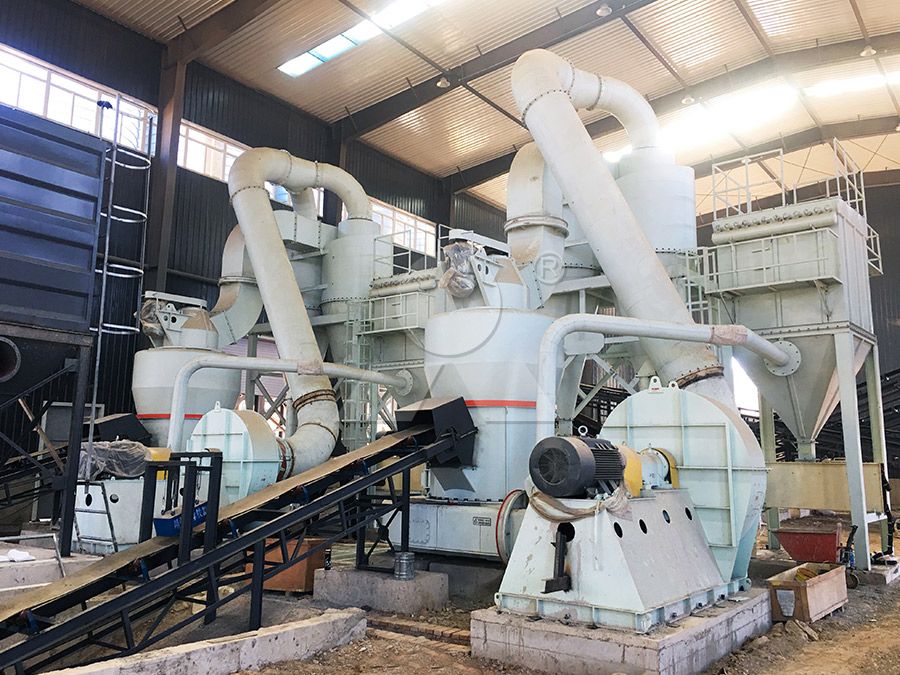
One of the most effective solutions for this task is the MW Ultrafine Grinding Mill. With an input size of 0-20 mm and a capacity of 0.5-25 tph, it is perfectly suited for medium-scale clinker grinding operations. Its advanced grinding curve design boosts production capacity by 40% compared to jet mills, and its energy consumption is only 30% of that of jet mills. For Ethiopian factories where electricity costs are a major concern, this translates directly to lower operational expenses.
Key factors for optimizing clinker processing
1. Particle size control and fineness adjustment
Ready-mix concrete requires cement with a specific surface area to ensure proper hydration and strength development. The MW Ultrafine Grinding Mill allows fineness adjustment between 325 and 2500 mesh, which covers all standard cement requirements. Its German-engineered cage-type powder selector ensures precise separation, so you don’t waste energy over-grinding or end up with coarse particles that weaken the concrete.
2. Energy efficiency
Energy can account for up to 40% of cement production costs. Traditional ball mills consume enormous amounts of power due to friction and heat loss. The MW mill’s design eliminates rolling bearings and screws in the grinding chamber, reducing mechanical resistance. Additionally, its pulse dust collector and muffler system not only make the operation eco-friendly but also recover fine particles that would otherwise be lost, improving yield.
3. Maintenance and downtime reduction
In Ethiopia, sourcing spare parts quickly can be challenging. That’s why choosing a mill with low maintenance requirements is critical. The MW Ultrafine Grinding Mill has no rolling bearings or screws inside the chamber, eliminating common failure points. Its lubricating device is mounted externally, allowing for lubrication without stopping production. This means your factory can run 24 hours a day, seven days a week, with minimal interruptions.
4. Handling different clinker qualities
Ethiopian clinker can vary in hardness and moisture content depending on the source. For factories that process multiple raw material types, the LUM Ultrafine Vertical Grinding Mill offers greater flexibility. With a capacity of 5-18 tph and an input size of 0-10 mm, it integrates grinding, grading, and transport in one system. Its double position-limiting technology prevents destructive impacts from vibration, which is common when processing harder clinker. The reversible structure also makes roller and liner replacement quick, reducing shutdown losses.
Step-by-step workflow for clinker grinding optimization
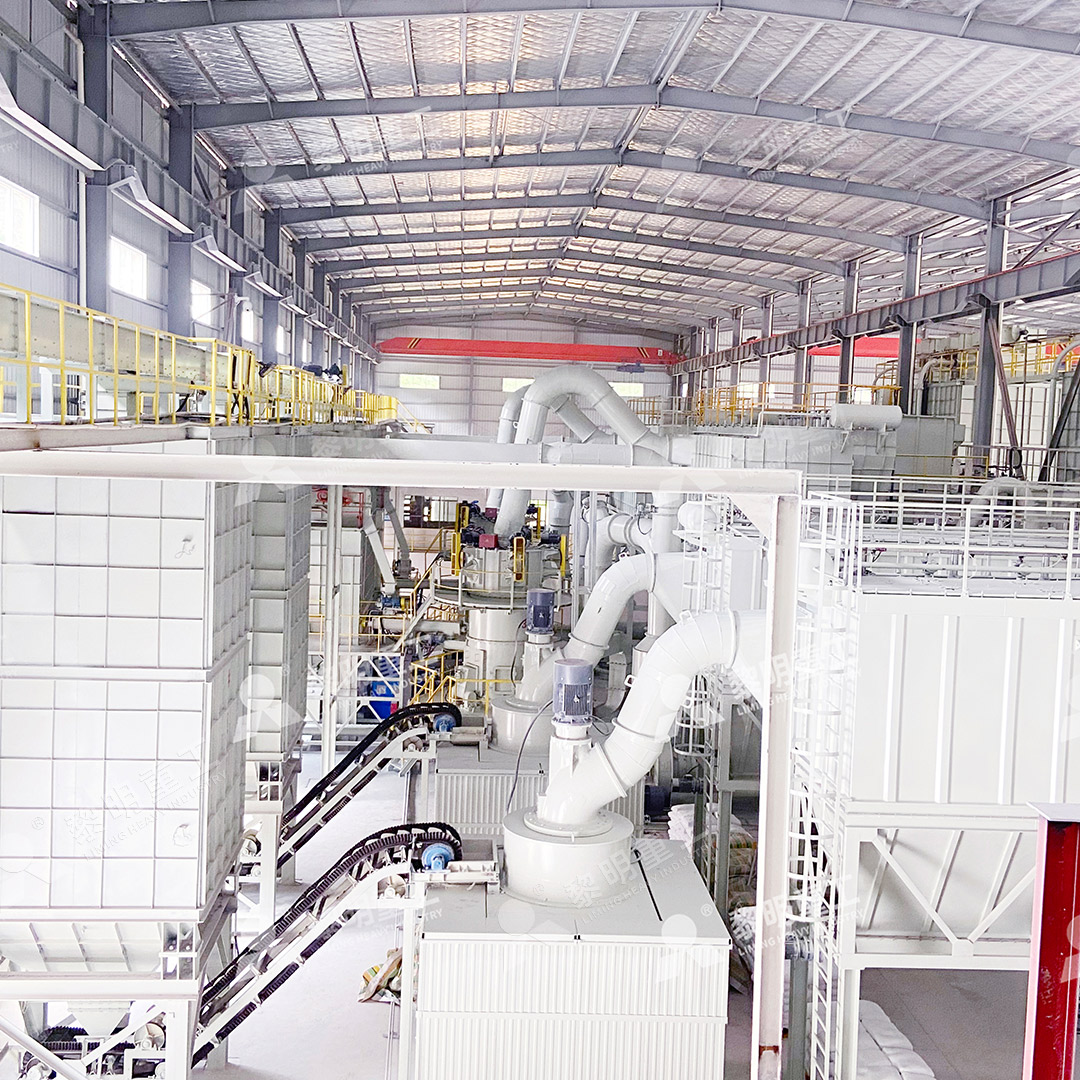
- Pre-crushing: Reduce clinker to 0-20 mm using a hammer crusher or jaw crusher. This step is crucial for feeding the pulverizer efficiently.
- Conveying and feeding: Use a bucket elevator and vibrating feeder to deliver material evenly to the mill’s grinding chamber. Avoid overfeeding, which can cause blockages.
- Grinding: The MW mill’s rollers and rings rotate against the raceway, crushing the clinker into fine powder. Adjust the powder selector speed to achieve the desired fineness.
- Classification: The air flow carries powder to the separator. Coarse particles drop back for regrinding, while fine powder moves to the cyclone collector.
- Collection and storage: The final product is discharged through a valve and stored in silos. The system’s pulse dust collector ensures no dust escapes, keeping the factory clean.
Real-world benefits for ethiopian ready-mix factories
Imagine a ready-mix factory in Addis Ababa producing 10 tons of cement per hour. Using a traditional ball mill, they might consume 800 kW of power and require frequent roller replacements. Switching to the MW Ultrafine Grinding Mill could cut energy consumption by 70%, reduce maintenance downtime by half, and produce cement with a consistent 400 m²/kg Blaine fineness. This translates to higher concrete strength, faster setting times, and happier customers.
Environmental and operational advantages
Ethiopia is tightening environmental regulations, especially in urban areas. The MW mill’s efficient pulse dust collector and silencer make it compliant with national standards. No dust pollution and low noise levels mean your factory can operate near residential zones without complaints. Plus, the digitalized manufacturing process ensures that every component is precision-made, reducing the risk of unexpected failures.
Conclusion
Optimizing cement clinker processing in Ethiopia’s ready-mix factories is not just about buying a machine—it’s about choosing the right technology for your specific needs. The MW Ultrafine Grinding Mill and the LUM Ultrafine Vertical Grinding Mill from LIMING offer proven solutions that reduce energy costs, improve product quality, and minimize downtime. With capacities ranging from 0.5 to 25 tph and fineness adjustable from 325 to 2500 mesh, these mills are built to handle the challenges of Ethiopian clinker. Invest in the right pulverizer, and watch your production efficiency soar.
FAQ: Frequently asked questions
- What is the ideal input size for the MW Ultrafine Grinding Mill when processing cement clinker?
The recommended input size is 0-20 mm. Clinker larger than 20 mm should be pre-crushed using a hammer crusher or jaw crusher to avoid damaging the mill and to ensure efficient grinding. - Can the LUM Ultrafine Vertical Grinding Mill handle high-moisture clinker?
Yes, the LUM mill has a built-in drying function. Hot air can be introduced through the air intake to dry materials with moisture content up to 5-6%, making it suitable for clinker stored in humid conditions. - How often do the grinding rollers need to be replaced in the MW mill?
Roller lifespan depends on clinker hardness and operating hours. On average, rollers last 6-12 months with continuous operation. The reversible roller design in the LUM mill extends this by allowing you to flip the rollers once one side wears out. - What fineness can I achieve for cement clinker using the MW mill?
The MW Ultrafine Grinding Mill can produce powder with fineness between 325 mesh (44 microns) and 2500 mesh (5 microns). For standard Portland cement, 325 mesh is typical, but finer grades are possible for special applications. - Does the mill require a dedicated operator?
Both the MW and LUM mills are equipped with PLC control systems that allow for remote and local operation. One trained operator can manage multiple mills simultaneously, reducing labor costs. - What is the power consumption compared to a ball mill?
The MW mill consumes about 30% of the energy used by a jet mill and roughly 50-60% of a traditional ball mill for the same throughput. For a 10 tph operation, you might save 200-300 kW per hour. - Can I use the same mill for other materials like limestone or gypsum?
Absolutely. The MW and LUM mills are designed for multiple materials, including limestone, calcite, dolomite, gypsum, and barite. This flexibility is useful for factories that produce different types of cement or additives. - How long does it take to install and commission the mill?
Installation typically takes 2-4 weeks depending on site preparation and crane availability. Commissioning and operator training can be completed within 3-5 days with support from LIMING engineers. - What kind of after-sales support does LIMING offer in Ethiopia?
LIMING provides technical support via remote assistance and on-site visits. Spare parts can be shipped from regional warehouses, and we offer maintenance contracts to ensure uninterrupted operation. - Is the MW mill suitable for outdoor installation?
Yes, the MW mill can be installed outdoors with a simple shelter. Its sealed system and weather-resistant components are designed for harsh environments, including high temperatures and dust common in Ethiopian factories.