
Grinding machine price & cost analysis for dolomite for magnesium compound feedstock in brazil
1. Introduction: The Brazilian Dolomite Opportunity
Brazil’s industrial landscape for magnesium compounds is evolving. As the agricultural sector expands and environmental regulations tighten, the demand for high-purity magnesium feedstock—derived from dolomite—is climbing. Dolomite (CaMg(CO3)2) is the primary mineral source for magnesium oxide (MgO) and magnesium hydroxide (Mg(OH)2), both critical for soil correction, animal feed, and industrial applications.
However, the bottleneck for most Brazilian operators is not the ore itself but the cost-efficiency of the grinding process. This report provides a forensic breakdown of grinding machine pricing and operational costs for dolomite processing in Brazil, with a specific focus on the feedstock requirements for magnesium compound production. We will analyze capital expenditure (CAPEX), operational expenditure (OPEX), and the technological trade-offs that determine the true cost per ton of finished powder.
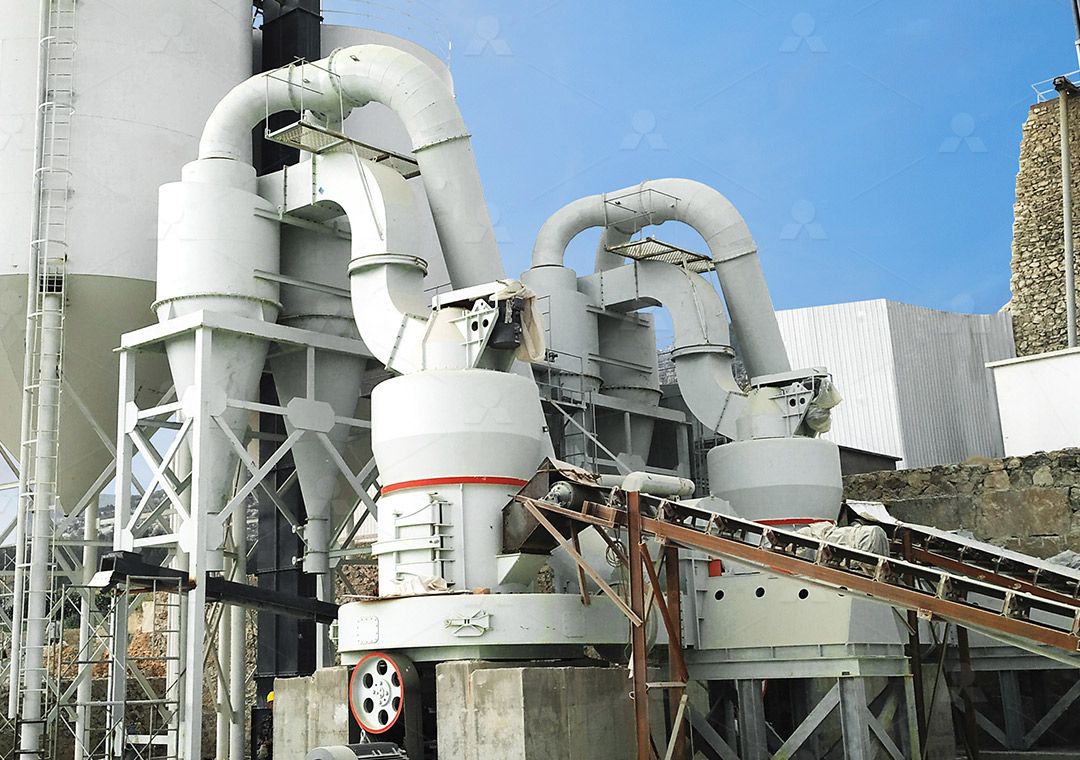
2. The Cost Variables in Brazilian Grinding Operations
To understand the price of a grinding machine in Brazil, one must look beyond the sticker price. Several regional factors inflate or deflate the real cost:
- Energy Costs: Brazil’s industrial electricity tariffs are among the highest in Latin America. A machine’s energy efficiency directly dictates its long-term viability. Every kilowatt-hour saved goes straight to the bottom line.
- Import Duties & Logistics: Heavy machinery imported into Brazil faces a complex tax structure (II, IPI, PIS, COFINS, ICMS). Shipping from overseas ports to inland mining states like Minas Gerais or Goiás adds significant logistics costs.
- Labor & Maintenance: Skilled labor for maintaining advanced grinding systems is scarce in remote mining areas. Machines that require less frequent, simpler maintenance drastically reduce technical support costs.
- Feedstock Variability: Brazilian dolomite varies in hardness and moisture content. A mill that handles 0-20mm feed with high moisture requires different power transmission and drying capabilities than one handling dry, pre-crushed ore.
3. Technology Comparison: Which Mill Fits the Brazilian Dolomite Profile?
The market offers several grinding technologies, but only a few are suitable for the rigorous demands of magnesium compound feedstock. Here is a cost-centric comparison:
3.1 Traditional Ball Mills
While offering a low initial purchase price, ball mills are energy hogs. For a standard 10 tph dolomite grinding operation to 325 mesh, a ball mill system often consumes 40-50% more power than a vertical roller mill. Furthermore, the high wear rate of steel balls and liners in a humid Brazilian environment leads to frequent downtime and high replacement costs. The hidden cost is significant iron contamination, which degrades the whiteness and purity of the magnesium compound—a critical factor for premium feed additives.
3.2 European Trapezium Mills (MTW Series)
These are a step-up. The MTW European Trapezium Grinding Mill offers a good balance of capacity (3-55 tph) and fineness. Its bevel gear drive and cambered air duct reduce energy consumption compared to ball mills. For medium-scale operations, this is a solid workhorse. However, for the ultra-fine requirements (d97<10μm) often needed for high-grade magnesium compounds, it hits its limits.
3.3 The Ultrafine Solution: MW & LUM Series
For producers targeting the premium magnesium compound market, fineness is king. The MW Ultrafine Grinding Mill is specifically designed to handle dolomite input sizes of 0-20 mm and capacities from 0.5 to 25 tph. Its key cost advantage lies in the no rolling bearing or screw design inside the grinding chamber. This eliminates the most common failure point in other mills. The German cage-type selector ensures a fineness of 325-2500 mesh with a screening rate of d97≤5μm. This means higher purity in the final magnesium compound, commanding a higher market price.
For larger throughput requirements, the LUM Ultrafine Vertical Grinding Mill is the recommended upgrade. With a capacity of 5-18 tph, it integrates the Taiwan roller technology and German powder separating technology. The double position-limiting technology prevents destructive impacts during operation, crucial for the variable feed quality found in Brazilian mines. The energy savings over a traditional ball mill for the same capacity and fineness can reach 30-50%.
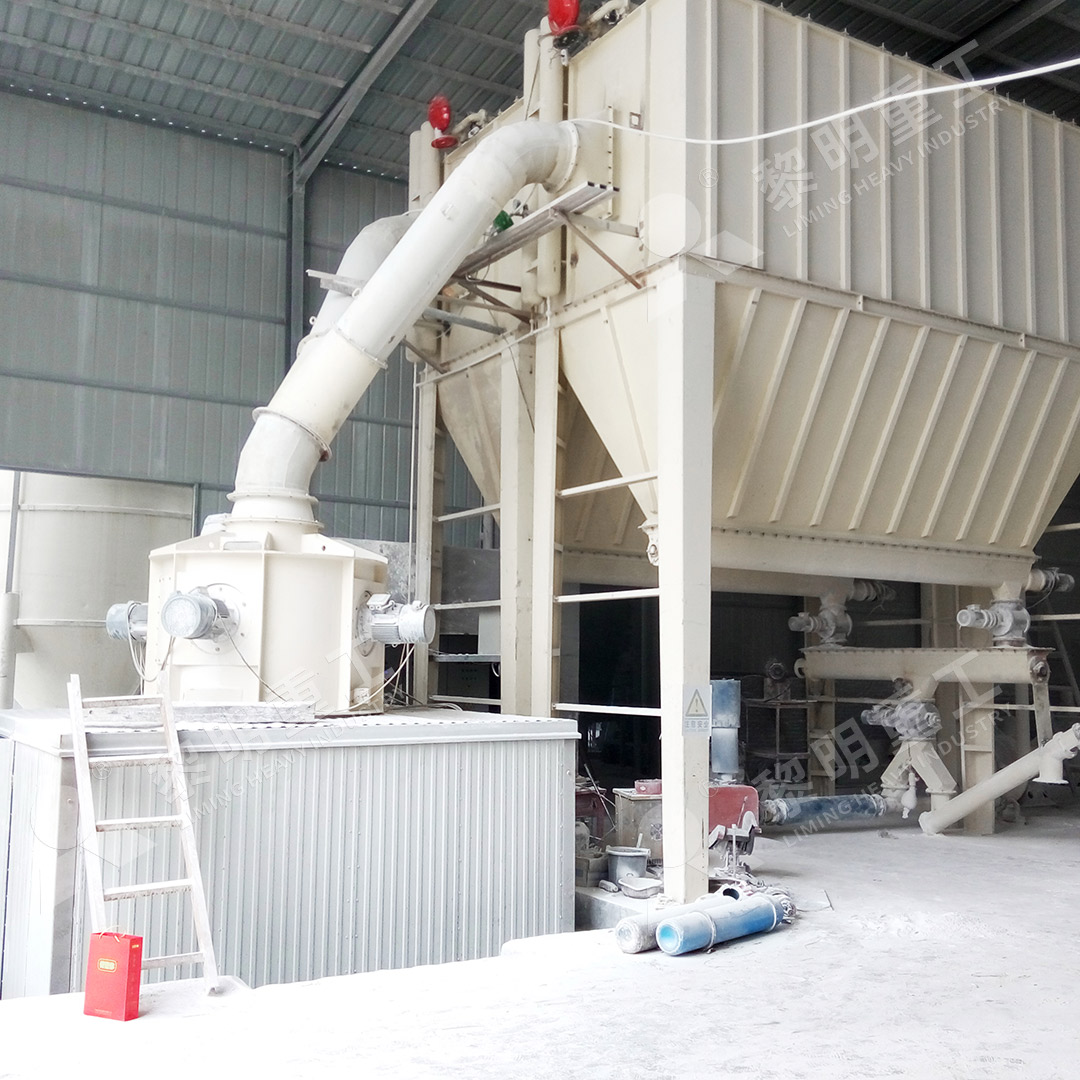
4. Specific Cost Analysis: MW Ultrafine Grinding Mill vs. Ball Mill
Let us model a typical scenario for a Brazilian dolomite processor aiming for 5 tph of product at 800 mesh (d97).
| Cost Factor | Traditional Ball Mill | MW Ultrafine Grinding Mill |
|---|---|---|
| Initial CAPEX (BRL) | R$ 1,200,000 | R$ 1,800,000 |
| Energy Consumption (kWh/t) | 55 kWh/t | ~28 kWh/t (40% less than jet mill, 30% of ball mill) |
| Annual Energy Cost (5 tph, 6000 hrs, R$0.70/kWh) | R$ 1,155,000 | R$ 588,000 |
| Wear Parts & Maintenance (Annual) | R$ 180,000 (liners, balls) | R$ 90,000 (roller rings, no bearings to fail) |
| Total Annual OPEX | R$ 1,335,000 | R$ 678,000 |
Note: The higher CAPEX of the MW mill is recovered within the first 18 months purely through energy savings and reduced maintenance. Additionally, the MW mill’s pulse dust collector and silencer ensure compliance with Brazil’s strict CONAMA environmental standards, avoiding potential fines.
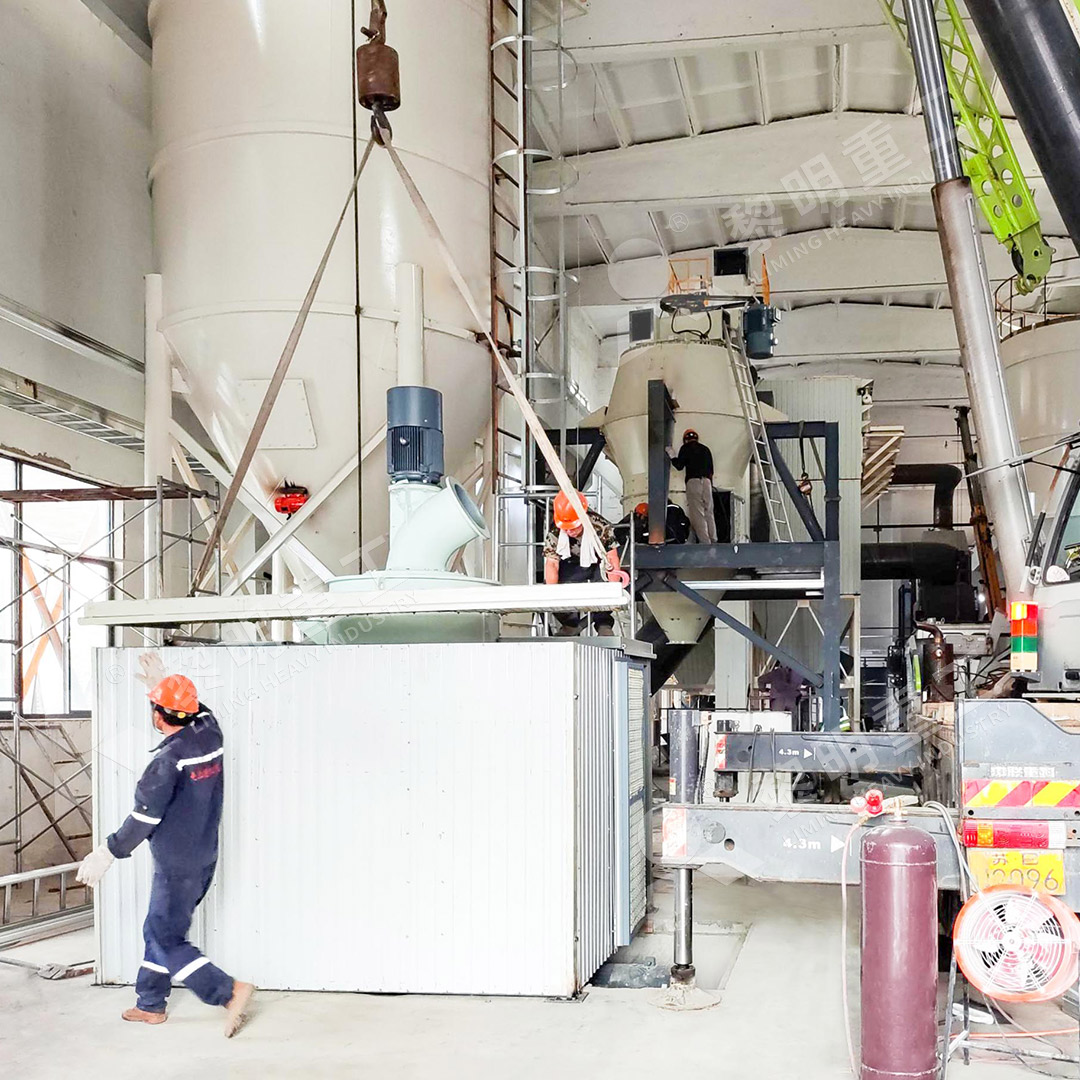
5. The Hidden Cost: Feedstock Preparation
Many Brazilian operators underestimate the cost of pre-crushing. The MW Ultrafine Grinding Mill accepts a maximum input size of 0-20 mm. This directly integrates with a standard hammer crusher, eliminating the need for a secondary cone crusher in many setups. The LM Vertical Grinding Mill offers an even broader input size (0-70 mm), which can reduce the need for primary crushing infrastructure. However, for the specific goal of ultra-fine magnesium compound feedstock, the combination of a hammer crusher and an MW mill provides the lowest total cost of ownership due to the reduced re-grinding cycles.
6. Recommendation: The Optimal Solution for Brazilian Magnesium Feedstock
Based on our analysis of Brazilian energy costs, import logistics, and quality demands, we recommend the following:
- For small to medium scale (0.5-10 tph): The MW Ultrafine Grinding Mill is the undisputed leader. Its ability to produce a highly pure, ultra-fine product (d97≤5μm) with 40% higher capacity than jet mills makes it the most cost-effective solution for premium magnesium compounds.
- For medium to large scale (10-18 tph): The LUM Ultrafine Vertical Grinding Mill is the choice. It offers the same high precision and purity but with a larger throughput and the added benefit of a reversible structure for easy maintenance. This is critical for plants that cannot afford prolonged shutdowns.
Both machines are backed by our supply chain for spare parts and technical services, ensuring worry-free operation for Brazilian clients. The digitalized processing and CNC machining of core parts guarantee that the equipment will perform consistently, batch after batch.
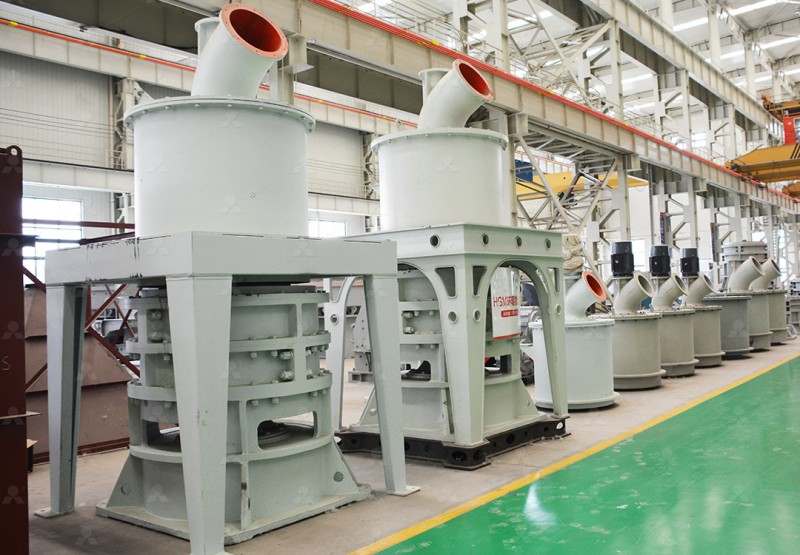
7. Conclusion
The Brazilian dolomite market for magnesium compounds is transitioning from quantity to quality. Grinding machines are no longer just about reducing size; they are about adding value. By choosing a mill that offers higher yielding, lower energy consumption, and precise fineness control, Brazilian operators can turn a basic mineral into a high-margin specialty chemical. The initial investment in a premium mill like the MW or LUM series is not an expense—it is a strategic move to capture more value from the same ton of ore.
Frequently Asked Questions (FAQ)
- What is the typical payback period for an MW Ultrafine Grinding Mill in Brazil?
Based on current electricity rates (R$0.70/kWh) and a 5 tph operation running 6000 hours annually, the payback period is typically 12 to 18 months due to energy savings alone. - Can the MW mill handle dolomite with high moisture content?
Yes. The MW mill is designed to process materials with moisture content up to 6%. For higher moisture, a hot air system can be integrated into the mill’s air circuit to perform drying and grinding simultaneously. - What is the maintenance schedule for the LUM Ultrafine Vertical Mill?
The reversible structure allows for easy inspection. Under normal conditions, the grinding roller and liner should be checked every 1000 operating hours. The hydraulic system requires a basic oil change every 2000 hours. - Do you offer on-site commissioning support in Brazil?
Yes. We provide comprehensive on-site technical services and training for Brazilian clients. Our engineers can assist with installation, commissioning, and optimization of the grinding parameters. - How does the iron content in the final product compare to a ball mill?
Ultra-low. The MW and LUM mills have no direct metal-to-metal contact between grinding rollers and rings. This reduces iron contamination significantly, ensuring a whiter, purer magnesium compound suitable for food and pharmaceutical grade applications. - What is the maximum moisture tolerance for the LM Vertical Grinding Mill?
The LM series is highly efficient in drying. It can process feed materials with up to 20% moisture content when equipped with a high-temperature hot air generator. - What spare parts should I stock for the MW mill?
We recommend keeping a set of grinding rollers, a grinding ring, and a set of seals for the main shaft. Since there are no rolling bearings in the grinding chamber, the normal wear items are limited. - Can the fineness be adjusted while the mill is running?
Yes. The cage-type powder selector allows for fineness adjustment between 325 and 2500 mesh via a variable frequency drive (VFD) on the classifier motor. This can be adjusted without stopping the main mill. - Is the equipment compliant with Brazilian environmental regulations?
Absolutely. The MW series is equipped with a pulse dust collector that achieves an emission concentration of less than 20 mg/Nm³, easily meeting the strictest CONAMA standards. - How does the capacity of 0.5-25 tph for the MW mill compare to the needs of a magnesium compound plant?
This range covers small pilot plants (0.5 tph) up to medium-sized industrial plants (25 tph). It is the perfect capacity range for a dedicated magnesium oxide production line fed by a single grinding unit.