
Where to buy grinding machine for carbon black for conductive materials in ghana
Introduction: The Growing Demand for Conductive Carbon Black in Ghana
Ghana’s industrial landscape is evolving rapidly. From battery manufacturing to electronics assembly and rubber processing, the need for high-performance conductive materials is on the rise. Carbon black, particularly when processed to ultra-fine specifications, plays a critical role in imparting conductivity to plastics, coatings, and adhesives. However, the raw carbon black sourced locally or imported often requires precise grinding to achieve the particle size and distribution necessary for conductive applications. This article explores the options, challenges, and best solutions for acquiring a grinding machine for carbon black tailored to conductive material production in Ghana.
Understanding the Requirements for Conductive Carbon Black
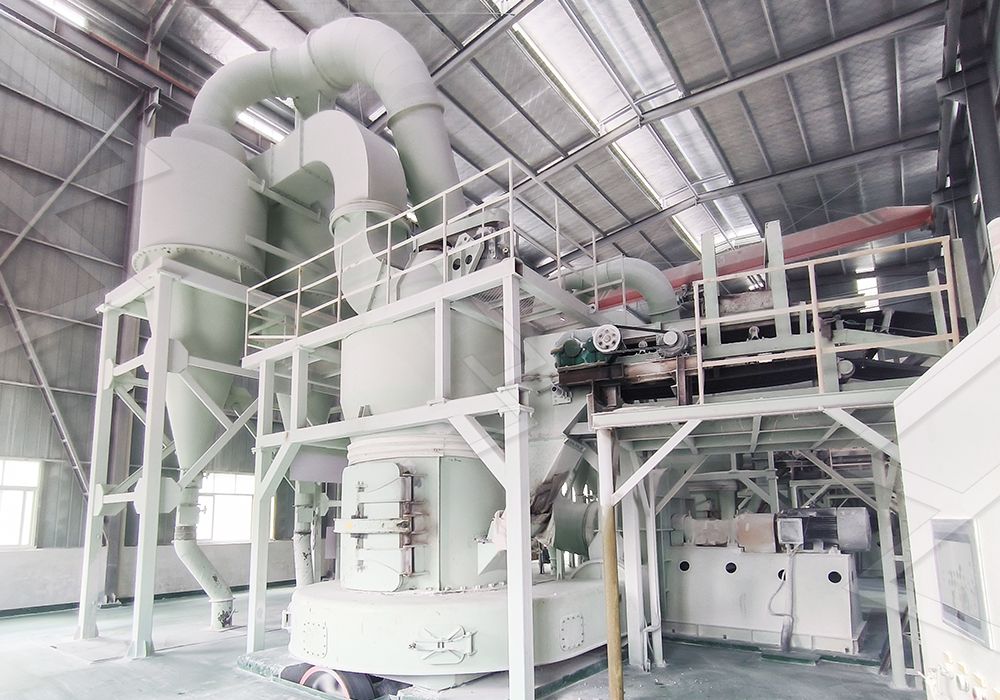
Conductive carbon black differs from standard furnace black or thermal black. It requires a high structure, high surface area, and extremely fine particle size—often below 10 microns. For applications like anti-static flooring, EMI shielding, or lithium-ion battery electrodes, the grinding process must achieve a fineness between 325 mesh (44 microns) and 2500 mesh (5 microns). Traditional ball mills or Raymond mills often fall short in consistency and efficiency for these demanding parameters. This is where specialized ultrafine grinding technology becomes indispensable.
Key Considerations When Buying a Grinding Machine in Ghana
Ghana presents unique logistical and operational challenges. Power supply fluctuations, humidity, and the availability of skilled operators are real concerns. Therefore, the ideal machine must offer robust construction, energy efficiency, and straightforward maintenance. Additionally, sourcing spare parts locally or through reliable international partners is crucial to minimize downtime. The machine should also incorporate effective dust collection to meet environmental regulations, especially when processing carbon black, which is notoriously fine and airborne.
Why Ultrafine Grinding Mills Are the Optimal Choice
For carbon black intended for conductive materials, the MW Ultrafine Grinding Mill stands out as a superior solution. This equipment is specifically engineered for ultra-fine powder production with adjustable fineness ranging from 325 to 2500 mesh. Its cage-type powder selector, based on German technology, ensures a screening rate that can achieve d97 ≤ 5μm in a single pass. This precision is critical for ensuring uniform conductivity in the final product.
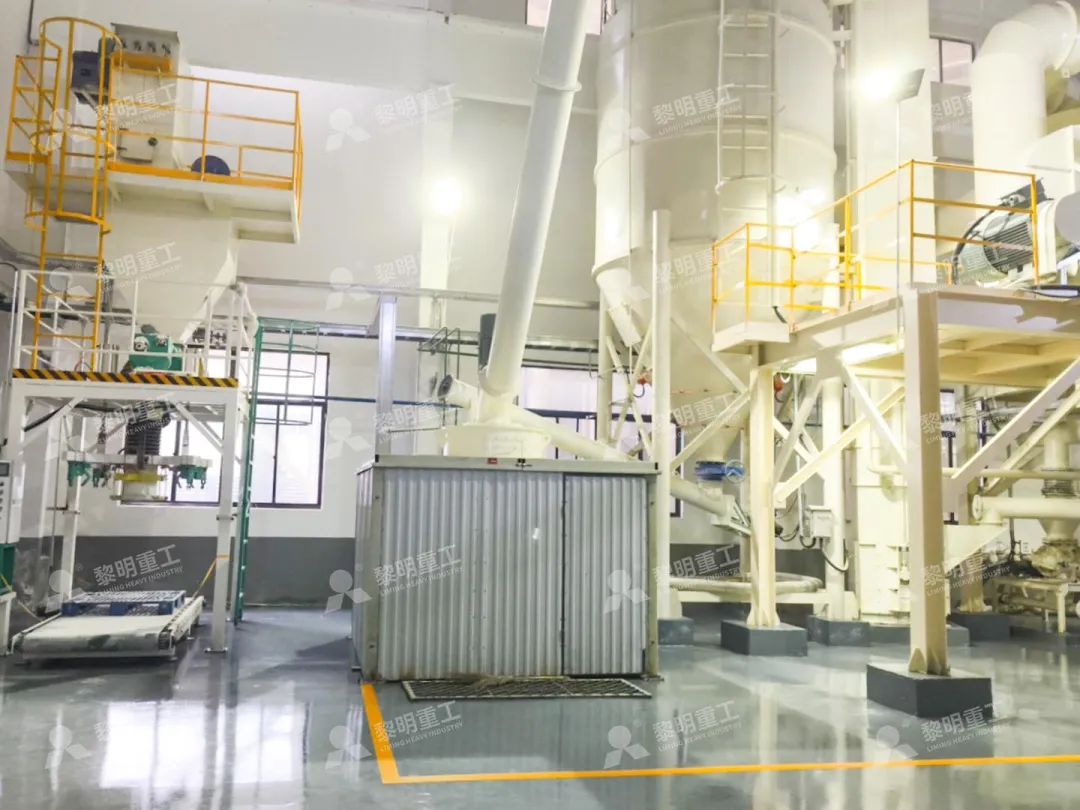
The MW series also features a key advantage for Ghanaian operators: there are no rolling bearings or screws inside the grinding chamber. This eliminates the common headaches of bearing seal failure or loose screws causing machine damage. The lubricating device is mounted externally on the main shaft, allowing for lubrication without stopping production—a significant benefit for continuous 24-hour operations. Furthermore, the integrated pulse dust collector and muffler ensure that the carbon black dust does not pollute the surrounding environment, meeting Ghana’s evolving workplace safety standards.
Alternative for Higher Throughput: LUM Ultrafine Vertical Grinding Mill
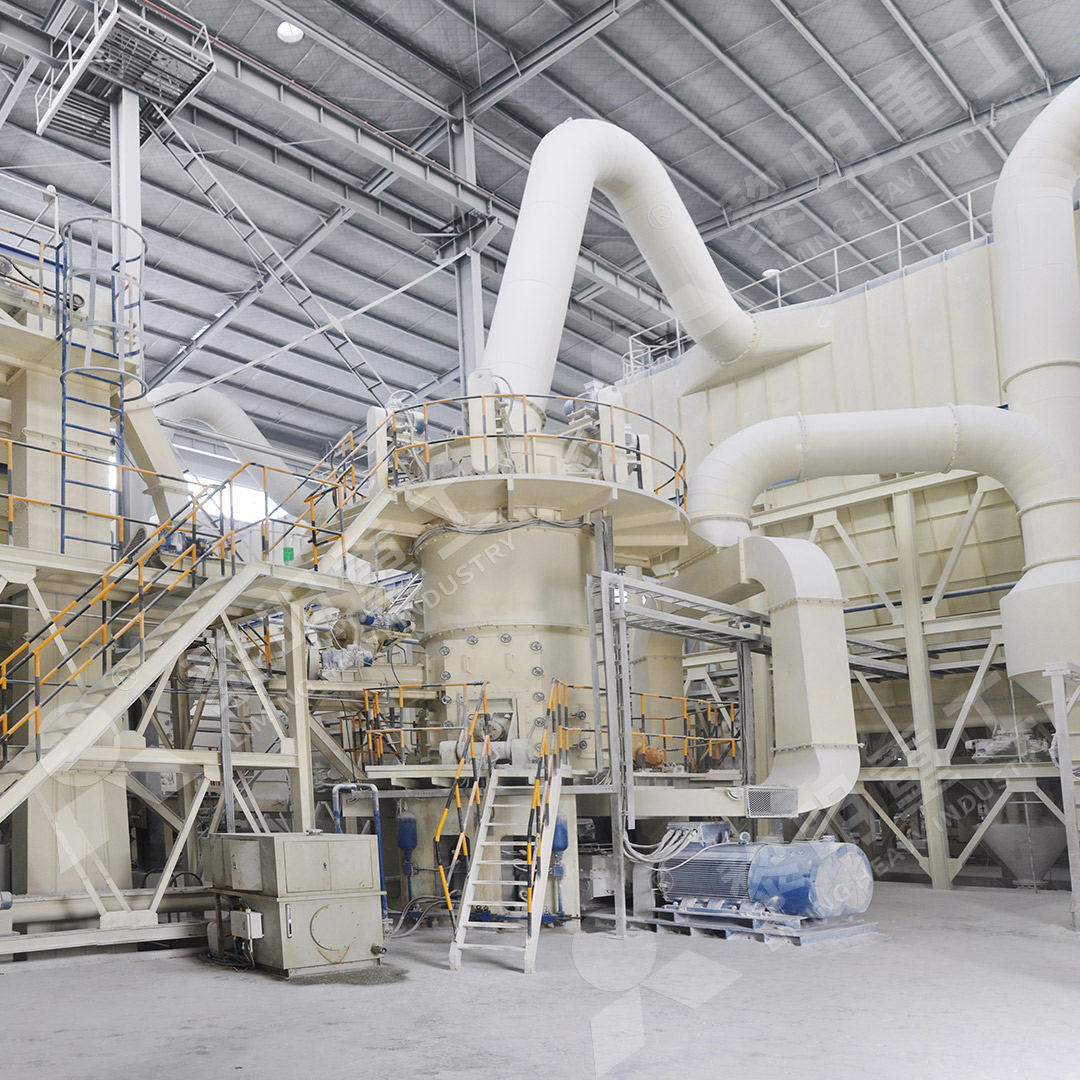
If your operation demands a higher capacity—between 5 and 18 tons per hour—the LUM Ultrafine Vertical Grinding Mill is an excellent alternative. It integrates grinding, grading, and transporting into a single system. The LUM mill uses Taiwan roller technology and German powder separation technology, which results in a higher yielding rate and lower iron content in the final powder. This is particularly important for conductive materials where metal contamination can affect electrical properties.
The double position-limiting technology in the LUM mill prevents destructive impacts from machine vibration, a common issue when processing hard carbon black agglomerates. The reversible structure also makes maintenance easier—operators can quickly swing the grinding roller out of the body for inspection without extensive disassembly. For a factory in Tema or Kumasi looking to scale up production, this translates directly into reduced downtime and lower operational costs.
Comparison with Other Grinding Technologies
While the MW and LUM mills are ideal for ultra-fine conductive materials, other options exist. The LM Vertical Grinding Mill, with an input size of up to 70 mm and a capacity of 3-340 tph, is excellent for high-volume, coarser grinding applications like cement or coal. However, for conductive carbon black needing fineness above 600 mesh, the LM mill may not provide the precision required. Similarly, the MTW European Trapezium Mill offers robust performance for feldspar and barite but is less optimized for the sticky, high-surface-area nature of carbon black. The Raymond Mill and Ball Mill are cost-effective for basic applications but typically cannot achieve the 1250 to 2500 mesh fineness required for high-end conductive uses without multiple passes and classifiers.
Practical Advice for Buyers in Ghana
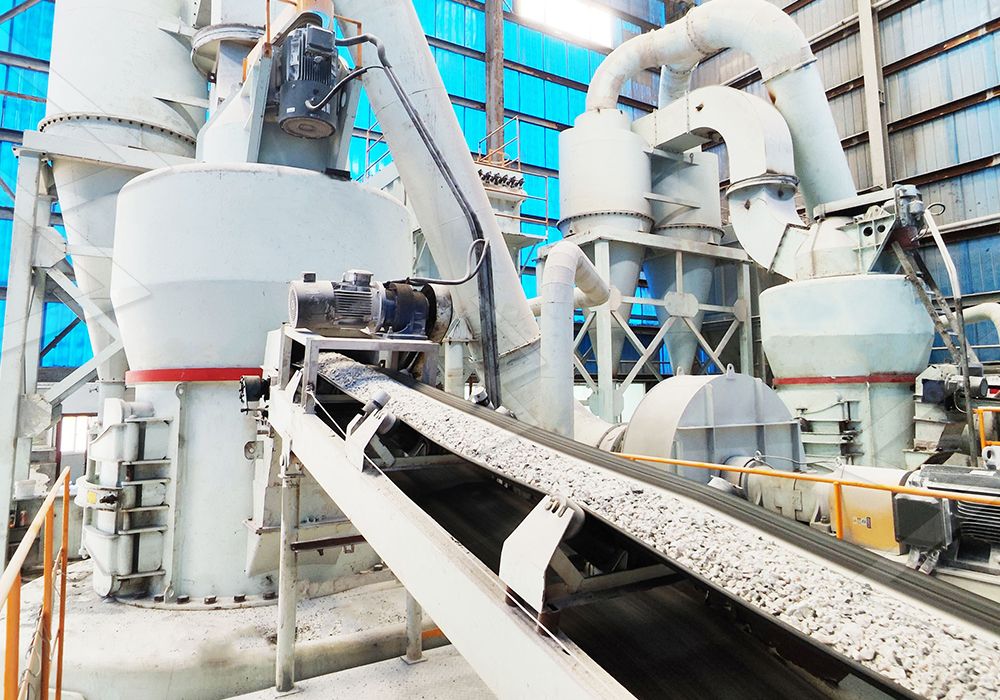
When sourcing a grinding machine, begin by assessing your specific raw material input size (carbon black typically comes in pellets or powder agglomerates under 20 mm) and your target throughput. For most conductive material projects, a capacity of 0.5 to 5 tph (handled well by the MW mill) is sufficient for medium-scale production. Also, consider the total cost of ownership. A machine with digitalized processing and numerical control (like those from LIMING) offers higher precision for core parts and consistent spare part supply, reducing the anxiety of finding replacements in the West African market. Lastly, ask about technical support and installation—reliable after-sales service is a deciding factor.
Final Thoughts
Buying a grinding machine for carbon black in Ghana is a strategic investment. The correct choice boils down to matching the machine’s capabilities with the specific fineness and purity demands of conductive materials. The MW Ultrafine Grinding Mill offers an ideal balance of precision, energy savings, and environmental compliance. For larger volumes, the LUM Ultrafine Vertical Grinding Mill provides high capacity without sacrificing quality. Both are backed by LIMING’s commitment to digital precision and spare part availability, making them reliable partners for Ghana’s growing conductive materials sector.
Frequently Asked Questions (FAQ)
- Can the MW Ultrafine Grinding Mill handle sticky carbon black?
Yes. The design features no rolling bearings or screws in the grinding chamber, which prevents material build-up and clogging common with sticky feeds. The external lubrication system also keeps the shaft running smoothly. - What is the power consumption for grinding 1 ton of carbon black to 1250 mesh?
With the MW mill, system energy consumption is only about 30% of that of a jet mill. For an average operation, you can expect around 50-70 kWh per ton, depending on feed moisture and hardness. - Do you provide installation and training in Ghana?
Yes. LIMING offers technical services globally. We can coordinate with local engineers in Accra or Tema for installation, commissioning, and operator training to ensure worry-free operation. - What is the lead time for a MW grinding mill to arrive in Ghana?
Typical lead time is 30-45 days after order confirmation, depending on shipping logistics to the Port of Tema. Spare parts can be expedited if needed. - Can I use the same machine for grinding other minerals like limestone or barite?
Absolutely. The MW and LUM mills are versatile and designed for various non-metallic minerals including limestone, calcite, dolomite, and barite, simply by adjusting the powder selector speed and grinding pressure. - How do I maintain the fineness consistency for conductive materials?
The cage-type powder selector (German technology) allows precise adjustment. Routine checks of the rotor vanes and air flow are recommended. The digital control system helps maintain stable parameters. - What after-sales support is available for spare parts?
LIMING maintains sufficient stock of original spare parts, including grinding rollers, rings, and separator blades. We can ship to Ghana within 7-10 working days for urgent needs. - Is the machine compliant with Ghana’s environmental regulations?
Yes. The MW mill is equipped with an efficient pulse dust collector and muffler. The entire system operates under negative pressure, ensuring no dust escapes, which meets international and local environmental standards.