
Using grinding machine for talc for paint filler in kuwait
Introduction: The Growing Demand for Talc in Kuwait’s Paint Industry
Kuwait’s industrial sector, particularly the paint manufacturing industry, has seen steady growth in recent years. Talc, a key mineral used as a filler in paint production, is prized for its ability to improve opacity, smoothness, and durability of coatings. For paint manufacturers in Kuwait, sourcing high-quality talc powder that meets strict fineness and purity standards is critical. The right grinding machine can make all the difference between a mediocre product and one that stands out in a competitive market. Whether you are producing decorative paints, industrial coatings, or automotive finishes, the quality of your talc filler directly impacts the final product’s performance.
Why Talc Matters for Paint Fillers
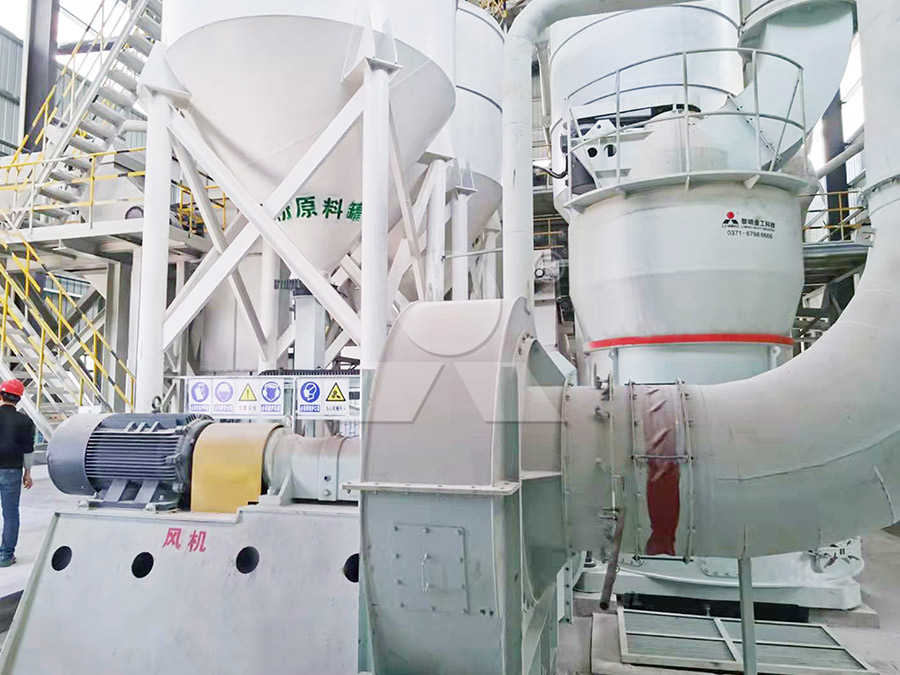
Talc, or magnesium silicate, is a naturally occurring mineral that offers unique properties for paint formulations. Its platy structure helps reinforce the paint film, reducing cracking and improving adhesion. When ground to ultra-fine particles, talc acts as an effective extender, allowing manufacturers to reduce costs without sacrificing quality. In Kuwait’s harsh climate, where heat and humidity can degrade coatings, talc-filled paints provide better resistance to weathering. The key is achieving the right particle size distribution, typically between 325 and 2500 mesh, which requires advanced grinding technology. Without proper equipment, talc can become contaminated or fail to meet the fineness requirements, leading to substandard paint products.
The Challenge: Producing Ultra-Fine Talc in Kuwait’s Environment
Kuwait presents unique challenges for mineral processing. High ambient temperatures, dust, and limited water resources demand equipment that is robust, efficient, and environmentally friendly. Traditional grinding mills often struggle with talc due to its soft, slippery nature, leading to low throughput and high energy consumption. Additionally, strict environmental regulations in Kuwait require minimal dust emissions and noise pollution. Paint manufacturers need a solution that not only grinds talc to ultra-fine specifications but also operates reliably under local conditions. This is where modern grinding mills, particularly those designed for ultra-fine applications, come into play. The right machine can handle talc’s unique characteristics while delivering consistent, high-quality output.
Introducing the MW Ultrafine Grinding Mill: A Tailored Solution for Talc
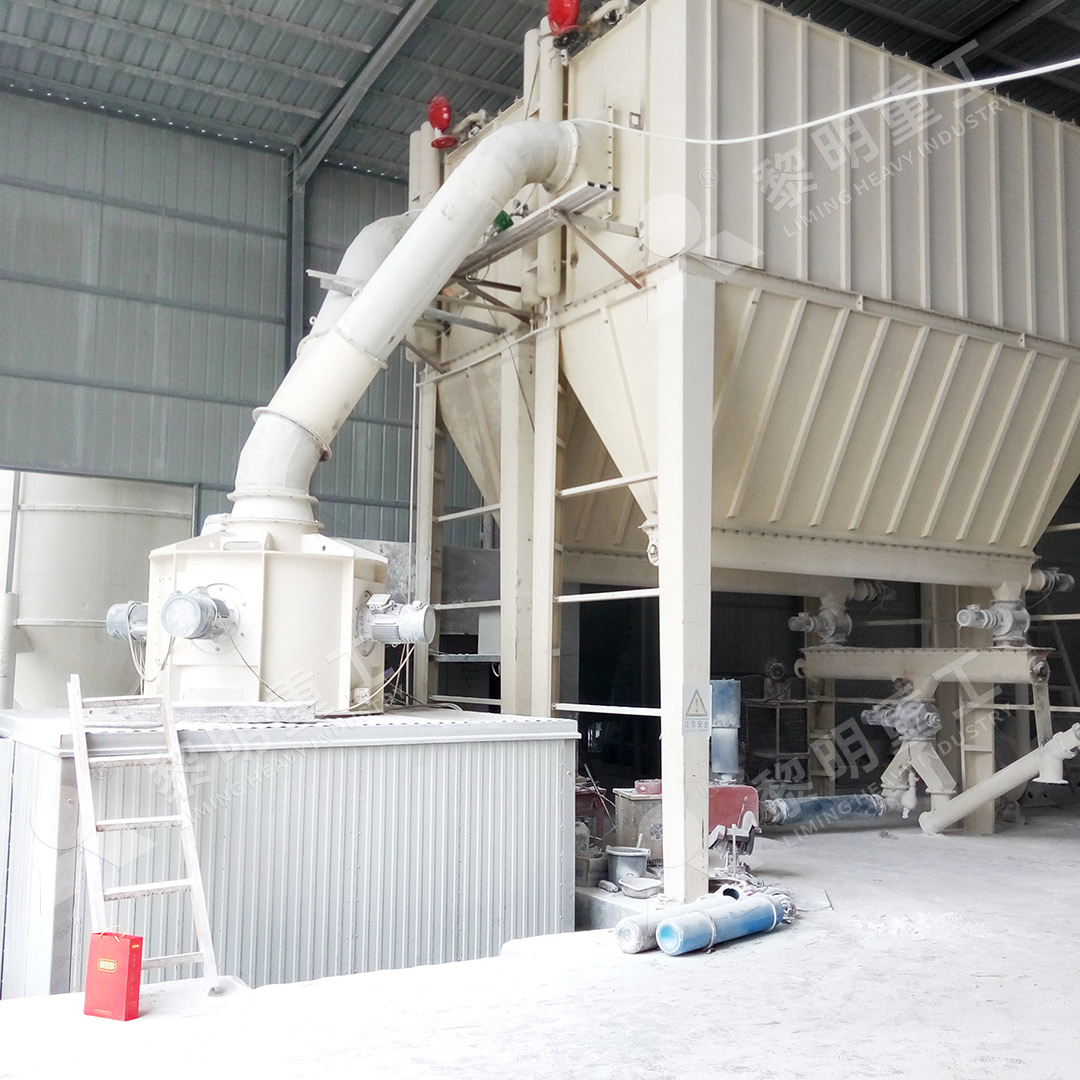
For paint filler applications in Kuwait, the MW Ultrafine Grinding Mill stands out as a top-tier choice. This machine is engineered specifically for ultra-fine powder production, ideal for talc processing. With an input size of 0-20 mm and a capacity of 0.5-25 tph, it handles talc efficiently, delivering a fineness adjustable between 325 and 2500 mesh. One of its standout features is the cage-type powder selector, based on German technology, which ensures precise particle separation with a screening rate of d97 ≤ 5μm. This means you can achieve the exact specifications required for high-end paint fillers, batch after batch. Moreover, the mill’s grinding chamber has no rolling bearings or screws, eliminating common failure points and reducing maintenance downtime. The pulse dust collector and muffler system ensure the operation meets Kuwait’s environmental standards, with minimal dust and noise. For paint manufacturers looking to produce consistent, high-quality talc powder, the MW Ultrafine Grinding Mill is a reliable workhorse.
Alternative Option: LUM Ultrafine Vertical Grinding Mill for Higher Capacity
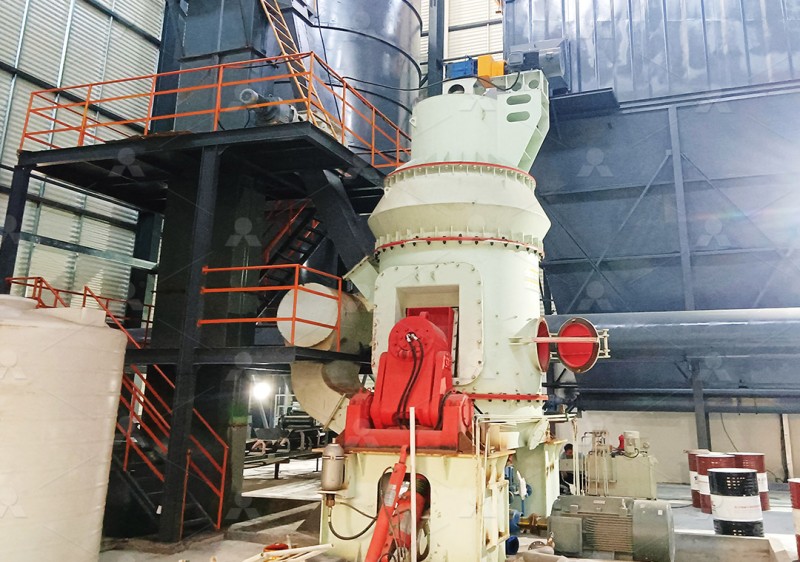
If your talc processing needs require larger throughput, consider the LUM Ultrafine Vertical Grinding Mill. This machine integrates grinding, grading, and transporting in one system, with a capacity of 5-18 tph and an input size of 0-10 mm. It is particularly effective for producing superfine dry powder of non-metal ores like talc. The LUM mill features Taiwan grinding roller technology and multi-head powder separating technology, which reduces energy consumption by 30-50% compared to traditional mills. Its double position-limiting technology ensures stable operation, even under demanding conditions. For large-scale paint filler production in Kuwait, the LUM mill offers high efficiency and consistent quality, making it a worthy investment.
Comparing Grinding Mills for Talc: Which One Fits Your Needs?
Choosing the right grinding machine for talc in Kuwait depends on your production scale, desired fineness, and operational constraints. The MW Ultrafine Grinding Mill is ideal for small to medium-scale operations requiring ultra-fine powder with precise control. Its lower energy consumption and eco-friendly design make it suitable for environmentally conscious manufacturers. On the other hand, the LUM Ultrafine Vertical Grinding Mill is better for high-volume production where energy savings and automation are priorities. Both machines offer digitalized processing for high precision and sufficient spare parts support from LIMING, ensuring worry-free operation. For most paint filler applications, the MW mill provides the best balance of cost, performance, and reliability. However, if you anticipate scaling up, the LUM mill’s reversible structure and hydraulic adjustment system simplify maintenance, reducing downtime.
Key Features to Look for in a Talc Grinding Mill
When selecting a grinding mill for talc filler production, consider these critical factors: First, fineness adjustability. The ability to adjust between 325 and 2500 mesh is essential for meeting different paint formulation requirements. Second, energy efficiency. Mills that consume less power without sacrificing output can significantly reduce operating costs. Third, dust and noise control. With Kuwait’s environmental regulations, equipment like the MW mill’s pulse dust collector and muffler are non-negotiable. Fourth, maintenance simplicity. Machines without rolling bearings or screws in the grinding chamber, like the MW mill, reduce failure points. Fifth, after-sales support. LIMING provides original spare parts and technical services, ensuring your mill operates continuously. By prioritizing these features, you can invest in equipment that delivers long-term value.
Operational Best Practices for Talc Grinding in Kuwait
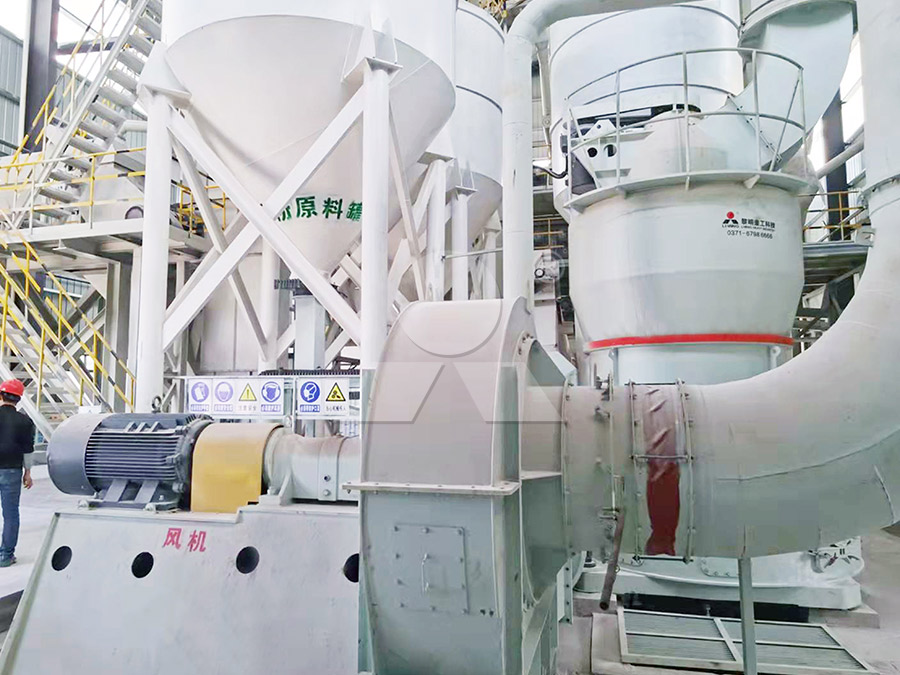
To maximize the performance of your grinding mill for talc, follow these best practices. Ensure the feed material is dry and free from contaminants, as moisture can affect grinding efficiency. Regularly check the grinding roller and ring wear, and replace them as needed to maintain optimal output. Adjust the powder selector speed according to your target fineness, and monitor the system’s pressure to avoid blockages. In Kuwait’s hot climate, keep the mill’s cooling systems functional to prevent overheating. Also, train operators on the mill’s digital controls to leverage automation features for consistent quality. By maintaining a routine maintenance schedule and using genuine spare parts from LIMING, you can extend the equipment’s lifespan and avoid costly breakdowns.
Conclusion: Investing in the Right Grinding Mill for Talc in Kuwait
In Kuwait’s competitive paint manufacturing landscape, the quality of your talc filler can set you apart from competitors. The MW Ultrafine Grinding Mill offers a proven solution for producing ultra-fine talc powder with high efficiency, low energy consumption, and minimal environmental impact. Whether you choose this model or the larger LUM mill, investing in advanced grinding technology ensures you meet the exacting standards of the paint industry. With LIMING’s commitment to digitalized processing and comprehensive spare parts support, you can operate with confidence, knowing your equipment will deliver consistent results. For paint manufacturers in Kuwait, the right grinding machine is not just a purchase—it’s a strategic investment in product quality and business growth.
Frequently Asked Questions (FAQ)
1. What is the ideal fineness for talc powder used in paint fillers?
The ideal fineness for talc powder in paint fillers typically ranges from 325 mesh (44 microns) to 2500 mesh (5 microns). The MW Ultrafine Grinding Mill can achieve this range with precise control, ensuring optimal paint properties like opacity and smoothness.
2. Can the MW Ultrafine Grinding Mill handle talc with high moisture content?
The MW mill is designed for materials with low moisture content, ideally below 10%. For talc with higher moisture, pre-drying is recommended to prevent clogging and maintain grinding efficiency. The machine’s system can integrate with drying equipment if needed.
3. How does the LUM Ultrafine Vertical Grinding Mill reduce energy consumption?
The LUM mill uses multi-head powder separating technology and a PLC control system to optimize grinding pressure and speed, reducing energy consumption by 30-50% compared to traditional mills. This makes it cost-effective for large-scale talc production.
4. What maintenance is required for the MW Ultrafine Grinding Mill?
Routine maintenance includes checking grinding roller and ring wear, lubricating the main shaft externally (without shutdown), and cleaning the pulse dust collector filters. LIMING provides original spare parts and technical support to simplify maintenance.
5. Is the MW Ultrafine Grinding Mill suitable for Kuwait’s hot climate?
Yes, the mill is built with robust materials and a silencer system to handle high temperatures. Its external lubrication device allows continuous operation even in heat, and the dust collector ensures compliance with environmental standards.
6. What is the capacity range of the MW Ultrafine Grinding Mill for talc?
The capacity ranges from 0.5 to 25 tons per hour, depending on the talc’s feed size and desired fineness. This flexibility makes it suitable for both small and medium-scale paint filler production in Kuwait.
7. Can these grinding mills process other minerals besides talc?
Yes, both the MW and LUM mills can process a wide range of non-metallic minerals, including limestone, calcite, dolomite, barite, and marble. This versatility is beneficial for manufacturers who work with multiple raw materials.
8. How long do the grinding rollers and rings last in talc processing?
With proper use, the wear-resistant alloy rollers and rings can last 1.7 to 2.5 times longer than traditional high-manganese steel parts, depending on the talc’s abrasiveness. Regular inspection helps maximize their lifespan.