
Grinding machine for cement clinker for blended cement in iraq
Grinding machine for cement clinker for blended cement in iraq
Iraq’s cement sector has been undergoing a quiet but significant transformation. Over the past decade, the demand for blended cement has risen sharply, driven by reconstruction projects, infrastructure expansion, and a growing emphasis on sustainable construction practices. Blended cement, which incorporates materials like limestone, fly ash, or slag alongside clinker, requires a grinding process that is both precise and efficient. The choice of grinding machine for cement clinker directly impacts the quality of the final product, the energy consumption of the plant, and the overall operating costs.
In this context, selecting the right equipment is not a trivial decision. Plant managers and procurement engineers in Iraq must weigh several factors: the hardness and moisture of the clinker, the desired fineness of the cement, the throughput requirements, and the local availability of spare parts and technical support. This article provides a detailed technical overview of the grinding machines suitable for cement clinker and blended cement production in Iraq, drawing on real-world applications and machine specifications.
The technical challenge of grinding clinker for blended cement
Cement clinker is a nodular material produced by heating raw materials in a kiln. Its hardness ranges between 4 and 5 on the Mohs scale, and its abrasiveness is moderate. When grinding clinker for blended cement, the goal is to achieve a specific surface area typically between 3200 and 4500 cm²/g (Blaine), depending on the type of cement being produced. Blended cement often requires intergrinding clinker with additives like limestone, natural pozzolana, or granulated blast furnace slag.
A grinding machine for cement clinker must handle these materials without excessive wear, maintain consistent product fineness, and operate with reasonable energy efficiency. Traditional ball mills have been the workhorse of the cement industry for decades, but they are notoriously energy-intensive. A modern vertical roller mill (VRM) or an ultrafine grinding mill can reduce energy consumption by 30% to 50% compared to a ball mill, which is a significant advantage in a region where electricity costs are a major concern.

MW Ultrafine Grinding Mill: a compact solution for fine and ultrafine grinding
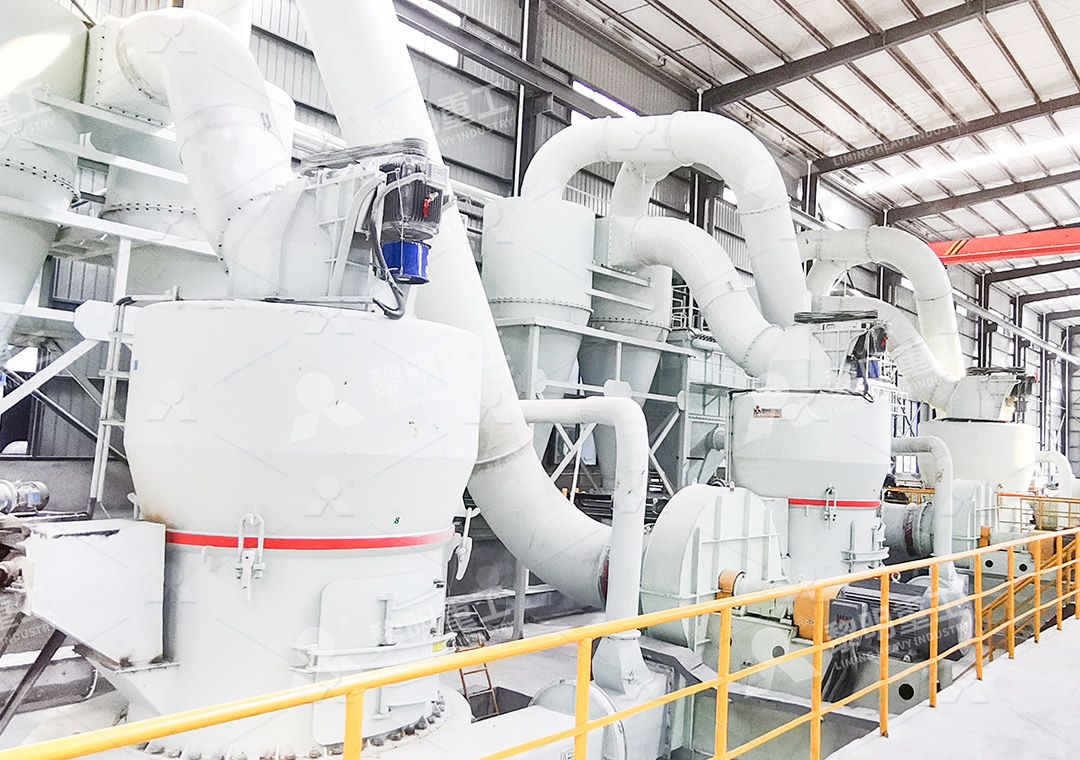
For Iraqi cement plants that require a grinding machine for cement clinker with a focus on ultrafine particle sizes, the MW Ultrafine Grinding Mill is a strong candidate. This machine accepts an input size of 0-20 mm and delivers a capacity ranging from 0.5 to 25 tph. It is designed specifically for producing powders with fineness between 325 and 2500 mesh, which covers the range needed for high-performance blended cements.
The MW mill operates without rolling bearings or screws inside the grinding chamber, eliminating common failure points such as bearing seal damage or loose screws. The lubricating device is mounted externally on the main shaft, allowing continuous operation around the clock without shutdowns for lubrication. This is a practical advantage for cement plants where downtime directly affects production targets.
Another critical feature is the efficient pulse dust collector and muffler integrated into the system. In Iraq, where environmental regulations are tightening, especially around urban cement plants, the ability to operate with minimal dust emissions and low noise levels is increasingly important. The MW Ultrafine Grinding Mill meets national environmental standards while maintaining high throughput.

LUM Ultrafine Vertical Grinding Mill: high-capacity grinding for larger plants
For larger cement grinding operations in Iraq, the LUM Ultrafine Vertical Grinding Mill offers a different set of advantages. With an input size of 0-10 mm and a capacity of 5 to 18 tph, this machine is suited for medium-to-large scale production lines. The LUM mill integrates ultrafine powder grinding, classification, and conveying into one unit, simplifying the plant layout and reducing the footprint.
The LUM mill uses Taiwan grinding roller technology and German powder separation technology, which together provide a high yielding rate and consistent product quality. A standout feature is the double position-limiting technology that prevents the grinding roller from directly impacting the millstone during vibration events, such as those caused by hard inclusions in the clinker. This protection mechanism extends the service life of core components and reduces unplanned maintenance.
The reversible structure of the LUM mill allows operators to swing the grinding roller out of the body for inspection and replacement of wear parts. In a busy cement plant in Iraq, where maintenance windows are tight, this design can reduce shutdown time significantly. The digitalized manufacturing process ensures that spare parts meet strict tolerances, which is essential when replacements are needed quickly.
LM Vertical Grinding Mill: versatility for a wide range of cement materials
The LM Vertical Grinding Mill is a versatile grinding machine for cement clinker that can also handle additives like limestone, slag, and pozzolana. It accepts input sizes up to 70 mm and offers a capacity range of 3 to 340 tph, making it suitable for everything from small grinding stations to large integrated cement plants. The LM mill integrates crushing, drying, grinding, classifying, and conveying in one unit, covering about 50% less floor area than a traditional ball mill system.
For blended cement production, the short residence time of materials inside the LM mill is an advantage. It reduces the risk of over-grinding and keeps the iron content low, which helps maintain the whiteness and purity of the final cement. The system operates under negative pressure and is sealed to prevent dust spillage, which is a practical benefit in the dusty environments typical of Iraqi cement plants.

Practical recommendations for Iraqi cement producers
When choosing a grinding machine for cement clinker for blended cement in Iraq, consider the following practical points. First, evaluate the typical fineness required for the local market. Blended cement for general construction in Iraq often requires a Blaine fineness of around 3500 cm²/g, which is well within the capability of both the MW and LUM mills. Second, factor in the moisture content of the clinker and additives. If the materials are wet, the drying capacity of the mill becomes critical; the LM mill offers integrated drying, while the MW mill may require a separate dryer.
Third, consider the total cost of ownership. While the initial investment for a vertical roller mill is higher than for a ball mill, the energy savings of 30-50% and reduced maintenance costs often result in a payback period of less than two years in regions with high electricity tariffs. LIMING offers sufficient supply of spare parts and technical support, which is reassuring for Iraqi operators who need to keep the mill running with minimal delays.
For a detailed proposal tailored to your specific grinding requirements, contact LIMING for a consultation. We can help you select the ideal machine, size the system, and plan the installation.
Frequently Asked Questions (FAQs)
1. What is the best grinding machine for cement clinker in Iraq?
The choice depends on your capacity and fineness requirements. For capacities up to 25 tph and ultrafine fineness, the MW Ultrafine Grinding Mill is a strong option. For larger capacities up to 340 tph, the LM Vertical Grinding Mill offers versatility and lower energy consumption.
2. Can these mills handle additives like slag and limestone for blended cement?
Yes. Both the MW and LM mills are designed to grind a wide range of materials, including clinker, slag, limestone, pozzolana, and gypsum. The LM mill is particularly suited for intergrinding multiple components.
3. How does the MW Ultrafine Grinding Mill reduce energy consumption?
The mill features newly designed grinding curves for the roller and ring, which improve grinding efficiency by up to 40% compared to jet mills and stirred mills. The system energy consumption is only about 30% of a jet mill.
4. Is it difficult to maintain the LUM Ultrafine Vertical Grinding Mill?
No. The LUM mill has a reversible structure that allows the grinding roller to be swung out of the body for inspection and part replacement. This reduces shutdown time compared to traditional vertical mills.
5. What fineness can the MW mill achieve for cement clinker?
The MW mill can adjust fineness between 325 and 2500 mesh. For typical blended cement, a fineness of around 400 mesh (approximately 38 microns) is common, and the mill achieves this with high screening rates.
6. What is the power consumption of the LM Vertical Grinding Mill?
The LM mill saves 30-40% energy compared to a ball mill. Actual consumption depends on the material hardness and target fineness, but typical values range from 20 to 35 kWh per ton of cement.
7. Are spare parts readily available for these mills in Iraq?
LIMING provides original spare parts and technical services for all its machines. The supply chain is structured to ensure that critical wear parts, such as grinding rollers and rings, can be delivered within weeks.
8. How does the pulse dust collector work on the MW mill?
The pulse dust collector uses compressed air jets to clean the filter bags periodically, ensuring continuous operation without clogging. This keeps the dust emission level below national standards and protects the environment.
9. Can these mills be installed outdoors in the Iraqi climate?
Yes. The LM mill can be arranged outdoors, which reduces building costs. The equipment is designed to operate in temperatures up to 50°C and in dusty conditions, provided basic shelter is provided for electrical components.
10. What is the typical payback period for investing in a vertical roller mill?
Given the energy savings and reduced maintenance costs, the payback period is typically between 18 and 24 months for a cement grinding plant in Iraq, depending on electricity prices and production volume.