
Morocco grinding equipment solution for kaolin ceramics process
Optimizing Kaolin Processing for the Ceramics Industry in Morocco
Morocco’s ceramics sector has seen steady growth, driven by domestic construction demand and export opportunities. At the heart of high-quality ceramic production lies the processing of kaolin, a fine white clay essential for porcelain, tableware, and sanitaryware. Achieving the right particle size, purity, and consistency in kaolin powder is not just a technical requirement—it is a competitive advantage. This article explores how advanced grinding equipment from LIMING can transform kaolin processing in Morocco, delivering higher yields, lower energy costs, and superior product quality.
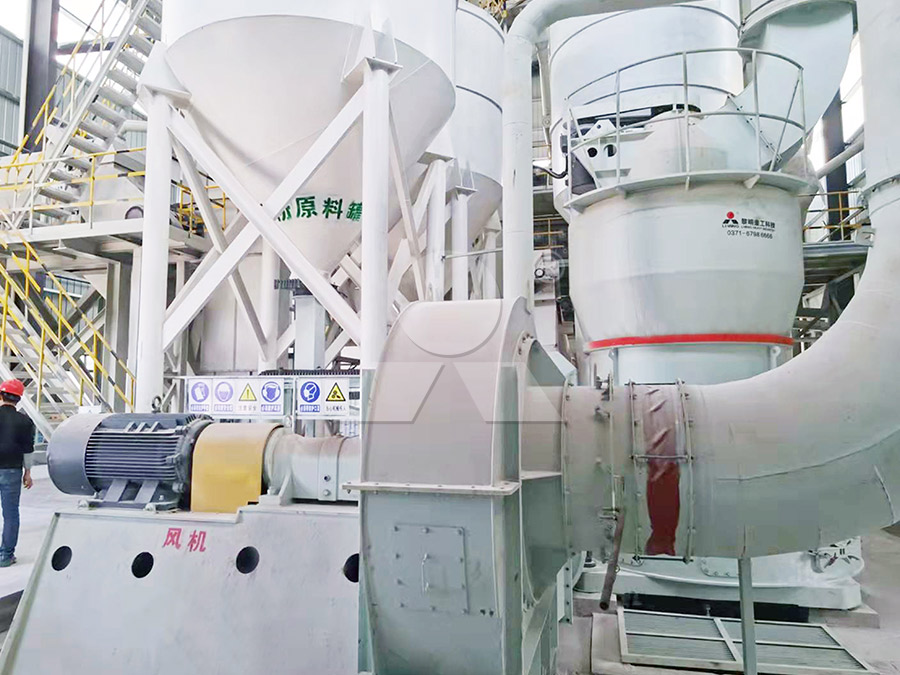
Why Kaolin Grinding Matters in Ceramics
Kaolin, or china clay, is valued for its plasticity, whiteness, and refractory properties. In ceramics, the fineness of kaolin directly influences the strength, surface finish, and firing behavior of the final product. For Moroccan manufacturers, the challenge often lies in processing local kaolin deposits, which can vary in hardness and moisture content. Traditional ball mills or jet mills may struggle to meet the required fineness of 325 to 2500 mesh, or they consume excessive energy. This is where modern ultrafine grinding technology steps in.
LIMING offers a range of mills tailored to non-metallic minerals. For kaolin ceramics, two models stand out: the MW Ultrafine Grinding Mill and the LUM Ultrafine Vertical Grinding Mill. Both are engineered to handle the specific demands of kaolin, from crushing to ultra-fine classification.
MW Ultrafine Grinding Mill: Precision and Eco-Friendly Operation
The MW Ultrafine Grinding Mill is designed for customers who need ultra-fine powder with minimal environmental impact. With an input size of 0-20 mm and a capacity of 0.5-25 tph, this machine is ideal for medium-scale kaolin operations in Morocco. Its key advantages for ceramics include:
- Adjustable fineness between 325-2500 mesh: The German-style cage-type powder selector ensures precise separation, achieving d97 ≤ 5μm in a single pass. This is critical for ceramic bodies that require consistent particle distribution.
- Higher yield, lower energy consumption: The grinding curve design boosts capacity by 40% compared to jet mills and twice that of ball mills, while system energy consumption is only 30% of a jet mill. For a Moroccan plant running 24/7, this translates to significant cost savings.
- No rolling bearings or screws in the grinding chamber: This eliminates common maintenance headaches like bearing damage or loose screws. The external lubrication system allows continuous operation without shutdowns.
- Eco-friendly dust removal: The pulse dust collector and silencer ensure compliance with Morocco’s environmental standards, keeping the workplace clean and quiet.
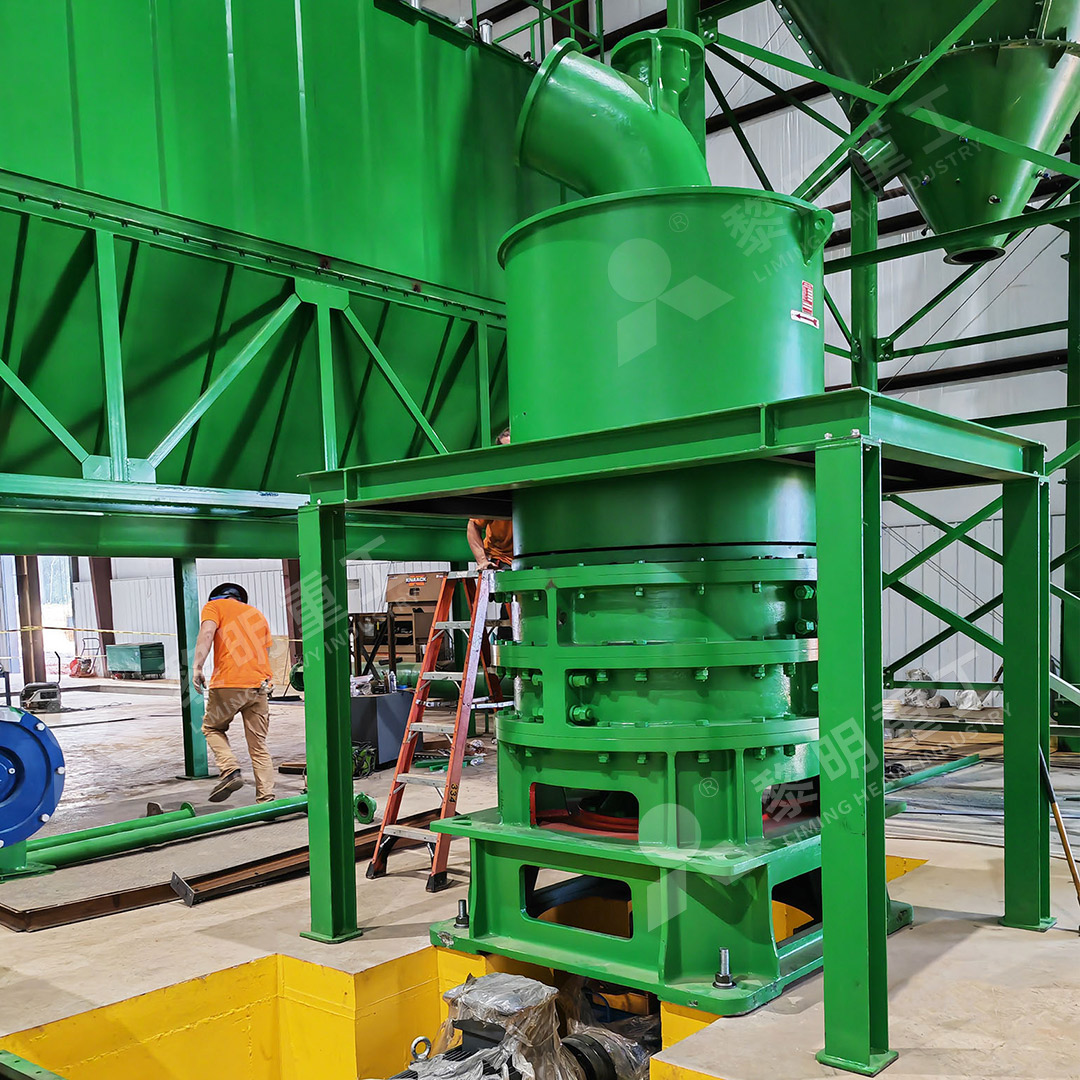
LUM Ultrafine Vertical Grinding Mill: High Throughput and Whiteness
For larger operations or those seeking even higher throughput, the LUM Ultrafine Vertical Grinding Mill offers an input size of 0-10 mm and a capacity of 5-18 tph. This mill integrates grinding, grading, and transport into one unit, reducing the need for additional equipment. Its relevance to kaolin ceramics lies in:
- Improved whiteness and cleanliness: The unique roller shell and lining plate curve minimize iron contamination, which is crucial for white-firing kaolin. Shorter material retention time also reduces over-grinding.
- Multi-head powder separating technology: Controlled by a PLC system, this allows quick adjustment of fineness for different ceramic grades—from coarse granules for tile bodies to ultra-fine powder for glazes.
- Energy savings of 30-50%: Compared to common mills, the LUM reduces power consumption, a major concern given Morocco’s industrial electricity tariffs.
- Reversible structure for easy maintenance: The grinding roller can be swung out of the body for inspection or replacement of wear parts, minimizing downtime.
For a typical Moroccan ceramics plant processing 10 tons of kaolin per hour, switching from a traditional ball mill to the LUM can reduce annual energy costs by tens of thousands of dollars while improving product consistency.
Process Flow: From Raw Kaolin to Ceramic-Grade Powder
The workflow for kaolin processing with LIMING mills is straightforward. Raw kaolin, often containing lumps up to 20 mm, is first crushed by a hammer crusher or jaw crusher. The crushed material is then elevated to a bunker and fed into the mill by a vibrating feeder. Inside the MW mill, material falls onto the turnplate and moves to the raceway under centrifugal force, where rollers crush it into powder. After three stages of grinding, the air stream carries the powder to the separator. Coarse particles drop back for re-grinding, while fine powder is collected in the cyclone collector.
For the LUM mill, material falls onto the rotating millstone and moves to the grinding zone. The rollers apply hydraulic pressure to form a material bed, ensuring inter-particle grinding. Hot air can be introduced if drying is needed, making the LUM suitable for kaolin with higher moisture content, common in Moroccan coastal regions.
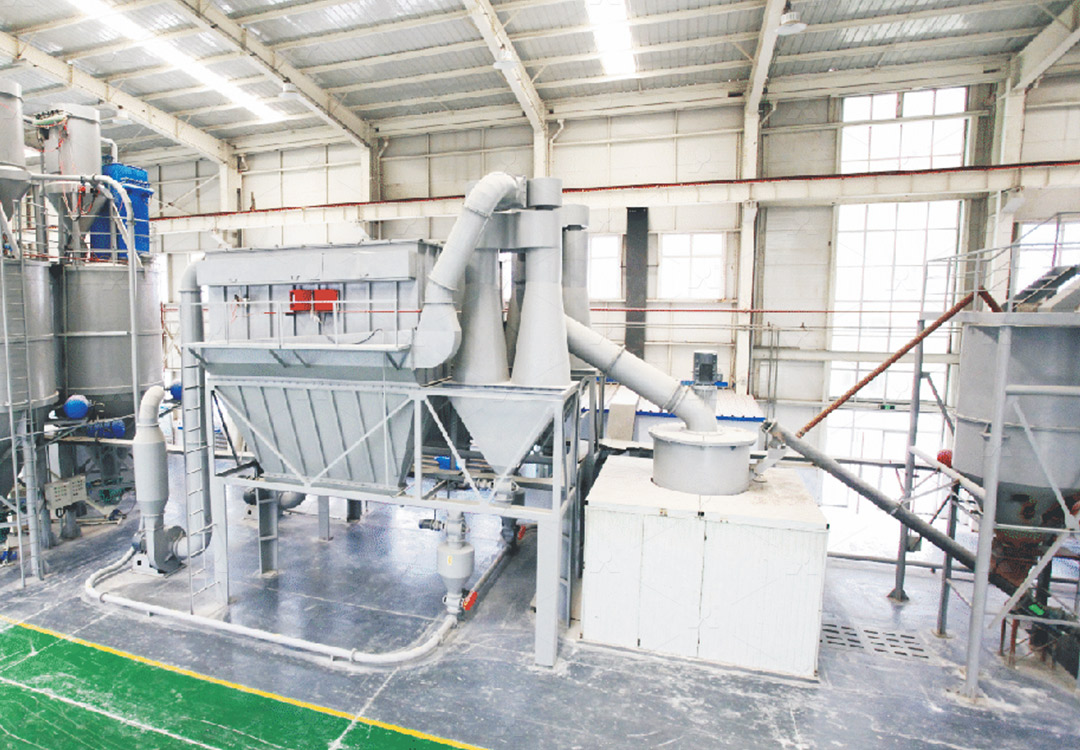
Addressing Local Challenges: Energy, Maintenance, and Dust
Moroccan ceramics producers face three recurring obstacles: high energy costs, skill shortages for maintenance, and stricter environmental regulations. LIMING’s grinding solutions directly address these:
- Energy efficiency is built into both the MW and LUM mills. The MW’s system energy consumption is just 30% of a jet mill, while the LUM cuts power use by half compared to conventional mills. For a plant operating 300 days a year, this can mean recovering the mill’s investment within two years through energy savings alone.
- Maintenance simplicity is a hallmark. The MW mill has no rolling bearings or screws in the grinding chamber, eliminating common failure points. The LUM’s reversible roller structure allows a single operator to replace roller shells in a few hours, not days. LIMING also maintains a stock of original spare parts in its regional warehouse, reducing lead times for Moroccan clients.
- Dust and noise control are non-negotiable. The MW mill’s pulse dust collector captures 99.9% of fine particles, and the silencer brings noise levels below 85 dB. This helps Moroccan plants meet the standards set by the National Office of Electricity and Drinking Water (ONEE) and local municipalities.
Application-Specific Advantages for Ceramics
Kaolin in ceramics is used for both body and glaze formulations. For body preparation, fineness in the range of 800-1250 mesh is typical, ensuring plasticity and dry strength. For glazes, fineness of 1250-2500 mesh is required to achieve a smooth, glossy finish without pinholes. The MW mill’s adjustable fineness allows a single machine to serve both roles, simply by changing the separator speed. Additionally, the low iron content from the LUM mill ensures that kaolin retains its natural whiteness even after firing at 1200°C, a critical factor for high-end porcelain.

Why Choose LIMING for Your Moroccan Operation?
LIMING has supplied grinding equipment to over 80 countries, including several projects in North Africa. Our machines are built with digital precision—steel cutting, bending, and milling are all numerically controlled to the highest tolerances. Beyond the hardware, we offer comprehensive technical support, from site planning to operator training. For Moroccan ceramics producers, we recommend starting with a pilot test using your kaolin samples at our testing center, ensuring the selected mill delivers the exact particle size curve you need.
In summary, whether you are expanding an existing plant or building a new kaolin processing line in Morocco, the MW Ultrafine Grinding Mill and LUM Ultrafine Vertical Grinding Mill provide proven solutions. They combine high efficiency, low maintenance, and environmental compliance with the flexibility to produce ceramic-grade powder from 325 to 2500 mesh. To discuss your specific requirements or request a quotation, contact our regional sales team. Your next step toward superior ceramics starts with the right grind.
FAQs
- What is the recommended mill for kaolin with moisture content above 10% in Morocco?
The LUM Ultrafine Vertical Grinding Mill can handle materials with up to 15% moisture when configured with a hot air generator, making it suitable for kaolin from humid regions near Casablanca or the Atlantic coast. - Can the MW Ultrafine Grinding Mill produce kaolin powder for both tile body and glaze?
Yes. By adjusting the cage-type powder selector speed, you can switch between 800 mesh for body and 2000 mesh for glaze. The changeover takes less than 15 minutes. - How often do we need to replace wear parts on the MW mill for kaolin?
With kaolin of average abrasiveness (Mohs hardness 2-3), roller shells and grinding rings typically last 6-12 months under 16-hour daily operation. LIMING provides original spare parts with a lead time of 2-4 weeks to Morocco. - What is the total installed power for a 10 tph kaolin grinding system using the LUM mill?
The LUM1125 model, which processes 5-12 tph, has a main motor power of 200-250 kW. Including the classifier, fan, and auxiliary equipment, the total installed power is approximately 350 kW. - Does LIMING provide installation supervision in Morocco?
Yes. Our service team can deploy an engineer for on-site installation guidance and commissioning. We also offer remote diagnostics via video call for ongoing support. - What is the minimum fineness achievable with the MW mill for kaolin?
The MW mill can achieve d97 ≤ 5μm, which corresponds to approximately 2500 mesh. For specialized ceramic applications like engobes, this ultra-fine fraction improves adhesion and surface smoothness. - Can we use the same mill for other minerals besides kaolin?
Absolutely. Both the MW and LUM mills can process limestone, calcite, barite, talc, and marble without modification. This flexibility allows Moroccan mineral processors to diversify their product portfolio.