
Slag ore grinding mill used for concrete mix applications in brazil
Introduction: The Growing Need for Slag Grinding in Brazil’s Concrete Industry
The Brazilian construction sector has been expanding steadily over the past decade, with concrete remaining the backbone of infrastructure development. However, cement production is responsible for approximately 8% of global CO2 emissions, and Brazil is no exception to this environmental challenge. This is where slag ore grinding mills step in as a game-changing solution.
Ground granulated blast furnace slag (GGBFS) has become a critical supplementary cementitious material in concrete mix designs across Brazil. When finely ground, slag exhibits excellent hydraulic properties that can replace 30% to 50% of Portland cement in concrete mixtures without compromising strength. In fact, slag-enhanced concrete often demonstrates superior durability, reduced permeability, and better resistance to sulfate attack—critical factors for Brazil’s diverse climate conditions ranging from the humid Amazon to the coastal regions.
The challenge lies in achieving the ultra-fine particle sizes required for optimal slag reactivity. Traditional ball mills often struggle with efficiency, energy consumption, and product consistency. This is where advanced grinding technology from LIMING Heavy Industry provides a practical and profitable solution for Brazilian concrete producers.

Why Slag Grinding Matters for Concrete Mixes
Slag is a byproduct of steel manufacturing. In Brazil, where steel production exceeds 35 million tons annually, there is a substantial supply of slag that often ends up in landfills. By processing this material into a fine powder, concrete producers not only reduce waste but also create a high-value product. The key performance factors for slag in concrete include:
- Particle fineness: Typically required at 400 to 600 m²/kg Blaine for optimal reactivity
- Consistency: Uniform particle size distribution ensures predictable concrete behavior
- Purity: Low iron content and minimal contamination preserve concrete color and quality
- Moisture control: Proper drying during grinding prevents handling issues
Brazilian concrete mix designers have found that replacing 40% of Portland cement with finely ground slag can reduce the carbon footprint of concrete by approximately 35%. Additionally, slag-based concrete exhibits lower heat of hydration, making it ideal for large-scale pours in foundations, dams, and bridge structures common in Brazilian infrastructure projects.
Recommended Solution: MW Ultrafine Grinding Mill for Slag Processing
For Brazilian concrete producers seeking to enter or expand in the slag grinding market, the MW Ultrafine Grinding Mill from LIMING Heavy Industry offers a compelling combination of efficiency, precision, and environmental compliance. This mill is specifically designed for ultra-fine powder production, making it ideal for slag processing down to the 325-2500 mesh range commonly specified for concrete applications.
Key specifications relevant to slag grinding:
- Input Size: 0-20 mm (pre-crushed slag fed directly)
- Capacity: 0.5-25 tph (suitable for small to medium production lines)
- Adjustable Fineness: 325-2500 mesh (D97 ≤ 5μm achievable)
- Energy Efficiency: 40% higher yield than jet mills; only 30% energy consumption
The MW mill’s grinding chamber contains no rolling bearings or screws, eliminating common maintenance headaches. The pulse dust collector system ensures zero dust emission—critical for meeting Brazil’s increasingly stringent environmental regulations. The external lubrication system allows 24-hour continuous operation without shutdown for maintenance.

Alternative Solution: LUM Ultrafine Vertical Grinding Mill for Higher Capacity
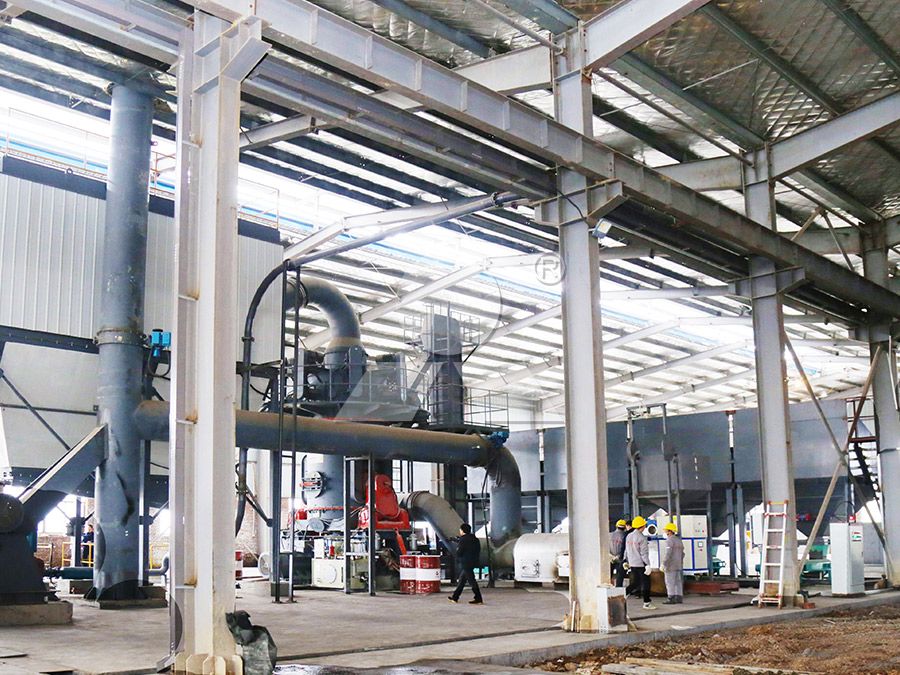
For Brazilian operations requiring larger throughput, the LUM Ultrafine Vertical Grinding Mill presents an excellent alternative. This mill integrates grinding, grading, and transport into one unit, reducing floor space requirements by up to 50% compared to traditional ball mill systems.
Key advantages for slag grinding:
- Input Size: 0-10 mm
- Capacity: 5-18 tph
- Energy savings: 30%-50% less power consumption than conventional mills
- Double position-limiting technology prevents roller-to-table contact, ensuring stable operation even when processing slag with varying hardness
- Reversible structure allows quick roller replacement without dismantling the entire mill
The multi-head powder separator technology gives operators precise control over particle size distribution—a critical factor for meeting the specific Blaine fineness requirements of different concrete applications. The PLC control system enables automated adjustment of grinding pressure and rotational speed, ensuring consistent product quality even when slag feed characteristics vary.
Technical Considerations for Slag Grinding in Brazil
Brazilian slag presents unique challenges. The material often contains residual moisture from water quenching, requiring efficient drying during the grinding process. Both the MW and LUM mills incorporate hot air systems that can handle moisture content up to 15% without compromising throughput.
Another critical factor is abrasion resistance. Slag is harder than limestone, containing silica and alumina compounds that accelerate wear on grinding elements. LIMING addresses this through several design features:
- Grinding rollers and rings made from wear-resistant alloy steel, with service life 1.7-2.5 times longer than traditional manganese steel components
- Split-type vulnerable parts that allow partial replacement rather than full component changeout
- Digital numerical control machining of core parts ensures precision fit and consistent performance
Economic Feasibility for Brazilian Producers
The economics of slag grinding in Brazil are favorable. With steel plants located primarily in Minas Gerais, Rio de Janeiro, and São Paulo states, slag is readily available at low cost or even negative cost (steel mills may pay for removal). Processed slag powder sells for 60-80% of the price of Portland cement, providing healthy margins for grinding operators.
A typical MW Ultrafine Grinding Mill installation processing 10 tons per hour of slag can produce approximately 72,000 tons of GGBFS annually. At current Brazilian market prices, this translates to annual revenue potential exceeding R$ 12 million (approximately USD 2.4 million), with payback periods typically under 18 months when the mill operates at 70% capacity or higher.
Additionally, Brazilian concrete producers using slag-based mixes benefit from the country’s green building certification programs, which increasingly favor materials with lower embodied carbon. This creates a premium market for slag-enhanced concrete in commercial and government infrastructure projects.
Environmental and Regulatory Benefits
Brazil’s National Environmental Council (CONAMA) has been tightening regulations on industrial emissions. The MW and LUM mills are designed with comprehensive dust collection systems that capture particulate matter at an efficiency exceeding 99.9%, ensuring compliance with the most stringent standards. The enclosed negative-pressure operation prevents fugitive dust, while the silencer systems reduce noise levels to below 85 dB at one meter distance.
From a sustainability standpoint, every ton of slag used in concrete replaces approximately one ton of CO2 that would otherwise be emitted during cement production. Brazil’s commitments under the Paris Agreement make slag utilization a strategic priority, and several states offer tax incentives for industrial waste recycling operations.

Conclusion: The Future of Slag Grinding in Brazil
As Brazil continues its infrastructure development while pursuing environmental targets, slag grinding for concrete applications represents a significant growth opportunity. The combination of abundant raw material, favorable economics, and environmental benefits makes this an attractive investment for both existing concrete producers and entrepreneurs entering the market.
LIMING Heavy Industry’s MW Ultrafine Grinding Mill and LUM Ultrafine Vertical Grinding Mill provide Brazilian operators with reliable, efficient, and environmentally compliant solutions for ultra-fine slag processing. With capacities ranging from 0.5 to 25 tph, these mills can serve everything from small-scale custom grinders to large industrial operations supplying major concrete batching plants across Brazil.
For concrete mix designers, the consistent fineness and purity achievable with these mills translate directly to predictable concrete performance, reduced cement consumption, and improved durability—benefits that compound over the life of every structure built with slag-enhanced concrete. As the Brazilian construction industry moves toward more sustainable practices, slag grinding mills will play an increasingly central role in building the country’s future.
Frequently Asked Questions (FAQs)
Q1: What is the typical fineness required for slag used in concrete mixes?
A: For optimal reactivity, slag for concrete typically requires a fineness of 400 to 600 m²/kg Blaine surface area. The MW Ultrafine Grinding Mill can achieve D97 ≤ 5μm, which corresponds to approximately 500-800 m²/kg Blaine, exceeding standard requirements.
Q2: Can the MW Ultrafine Grinding Mill handle slag with high moisture content?
A: Yes. The mill is designed to process materials with up to 15% moisture when equipped with the hot air drying system. For slag from water quenching (typical moisture 8-12%), no pre-drying is needed before feeding.
Q3: What is the power consumption for grinding one ton of slag using the LUM mill?
A: The LUM Ultrafine Vertical Grinding Mill consumes approximately 30-50% less energy than traditional ball mills. Typical specific power consumption for slag grinding to 450 m²/kg Blaine ranges from 35 to 55 kWh per ton, depending on feed size and final fineness.
Q4: How often do grinding rollers need replacement in slag service?
A: With the wear-resistant alloy rollers used in LIMING mills, typical roller life in slag grinding applications ranges from 6,000 to 8,000 operating hours for the MW series and 8,000 to 12,000 hours for the LUM series, depending on slag composition. The reversible roller design in LUM mills allows flipping worn rollers to extend service life by up to 50%.
Q5: Is slag grinding economically viable for small concrete producers in Brazil?
A: Yes. The MW Ultrafine Grinding Mill with capacities starting at 0.5 tph makes slag processing accessible for smaller operations. A producer using 2,000 tons of cement annually could replace 40% with self-ground slag, saving approximately R$ 400,000 per year in material costs while improving concrete performance.
Q6: What environmental permits are required for installing a slag grinding mill in Brazil?
A: Typically, an environmental operating license (Licença de Operação) from the state environmental agency is required. The MW mill’s enclosed negative-pressure design and pulse dust collector help meet emission standards. Many Brazilian states offer expedited permitting for recycling operations that process industrial byproducts like slag.
Q7: Can the same mill be used to grind other materials besides slag?
A: Absolutely. Both the MW and LUM mills can process limestone, calcite, dolomite, gypsum, barite, marble, talc, and coal powder. This versatility allows operators to diversify their product offerings depending on market demand.
Q8: What after-sales support does LIMING provide for mills installed in Brazil?
A: LIMING maintains a stock of original spare parts and offers technical support through regional distributors in Brazil. The company provides on-site commissioning, operator training, and remote diagnostics. All core components carry a 12-month warranty against manufacturing defects.