
How to optimize phosphate processing with roller mill for fertilizer in jamaica
Introduction: The Challenge of Phosphate Processing in Jamaica
Jamaica’s agricultural sector relies heavily on fertilizer imports, with phosphate-based fertilizers being critical for crops like sugarcane, coffee, and citrus. However, local processing of phosphate rock faces unique challenges: high moisture content from tropical humidity, variable ore quality, and tight margins that demand energy efficiency. Optimizing your milling operation isn’t just about grinding finer—it’s about balancing throughput, particle size distribution, and operational costs. After spending years in the field, I’ve seen mills struggle with clogging, excessive wear, and inconsistent fineness. The right roller mill can transform your production line, but only if you understand how to match machine capabilities to Jamaican phosphate characteristics.
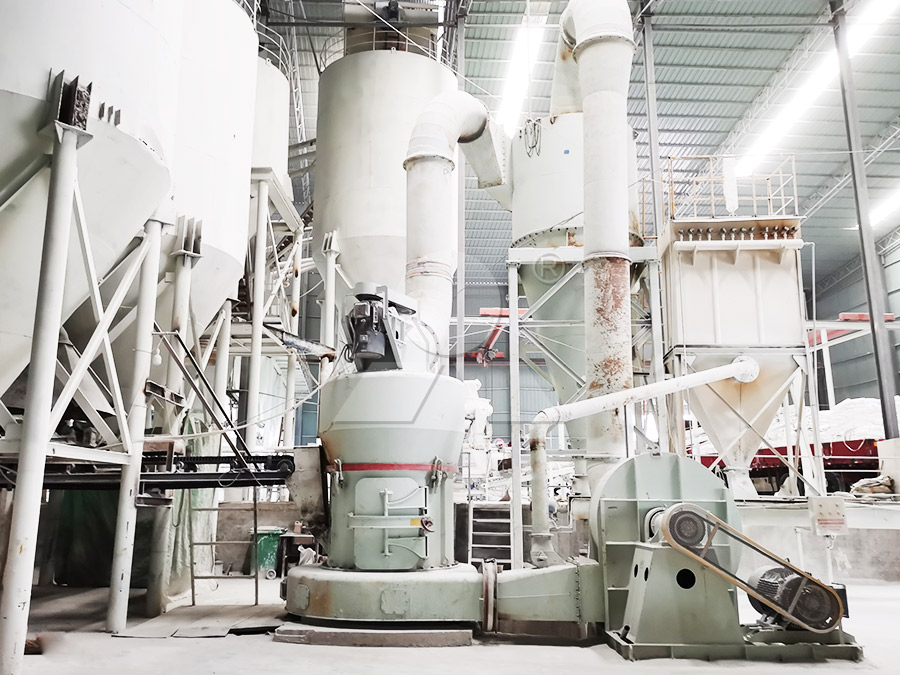
Understanding Phosphate Rock Characteristics
Phosphate rock from Jamaican deposits typically contains 25-35% P2O5, with impurities like silica, calcite, and dolomite. The material is abrasive—silica content can wear down grinding elements quickly if you’re not careful. Moisture content often exceeds 8-10% due to rainfall, making drying essential before fine grinding. Traditional ball mills struggle here: they consume excessive energy and produce broad particle distributions. Roller mills, with their built-in drying capabilities and efficient grinding mechanisms, offer a clear advantage. But you need to select the right model for your feed size and target mesh.
Key Optimization Strategies for Phosphate Milling
1. Feed Size Control and Pre-Crushing
Most roller mills handle feed up to 20-50 mm, but feeding oversized rock reduces efficiency and increases wear. Install a primary crusher (jaw or hammer) to reduce phosphate rock to <20 mm. This step alone can boost mill throughput by 15-20%. For Jamaican operations, where ore may arrive with large lumps from quarrying, pre-screening is non-negotiable. Use a vibrating feeder with adjustable amplitude to ensure even distribution onto the mill table—starving the mill causes vibration, overfeeding leads to spillage.
2. Drying Integration
Jamaica’s rainy season can push ore moisture above 12%. Roller mills like the LUM Ultrafine Vertical Grinding Mill or LM Vertical Grinding Mill accept hot gas from a furnace or kiln, integrating drying with grinding. Adjust inlet gas temperature to 80-120°C depending on moisture. Monitor outlet gas temperature—if it drops below 60°C, material may cake on the grinding table. The LM vertical mill’s ability to dry, grind, and classify in one pass cuts energy use by 30-40% compared to separate drying plus ball milling.

3. Roller Pressure and Grinding Curve Optimization
Phosphate rock requires high compressive force for inter-particle crushing. Adjust hydraulic pressure on your mill’s rollers based on feed hardness: softer ore needs 8-10 MPa, harder ore up to 12 MPa. The MW Ultrafine Grinding Mill features newly designed grinding curves that improve material bed formation, reducing recirculation load. In tests, this design increased yield by 40% over jet mills for the same power input. For phosphate targeting 325 mesh (44 microns), set the classifier speed to achieve d97 below 45 microns. Use the multi-head cage-type separator on MW mill to adjust fineness without stopping production.
4. Airflow and Classification Tuning
The air-swept design of modern roller mills means classifier performance directly affects final product quality. For phosphate, a narrow particle size distribution (e.g., 95% passing 200 mesh with minimal oversize) improves fertilizer reaction rates. Adjust the rotor speed of your separator: higher RPM increases fines, but too much recirculates coarse particles, wasting energy. The LUM vertical mill’s multi-head separator cuts energy consumption 30-50% versus traditional classifiers while achieving precise cutoff. Monitor fan amperage—if it spikes, check for duct blockages from moist phosphate buildup.
5. Wear Management
Phosphate’s abrasive nature—especially with silica impurities—demands wear-resistant materials. Look for mills with alloy steel rollers and liner plates (as in MW and LUM series). LIMING’s reversible roller design lets you flip worn surfaces without full disassembly. Schedule roller shell replacement after 800-1200 operating hours depending on ore hardness. Use the hydraulic turning-out device to swing rollers clear for inspection in 30 minutes, minimizing downtime. Keep spare grinding rings and shovel blades in stock—Jamaica’s remote locations can delay shipments.

Comparing Roller Mill Options for Jamaican Fertilizer Plants
Choosing between mills depends on your capacity and fineness targets. For small to medium operations (0.5-25 tph) requiring ultra-fine phosphate (325-2500 mesh), the MW Ultrafine Grinding Mill excels. Its pulse dust collector meets Jamaican environmental regulations, and the no-bearing chamber design eliminates oil contamination in the product. For larger operations (5-18 tph) focusing on consistent quality, the LUM Ultrafine Vertical Grinding Mill offers better energy efficiency and easier maintenance via reversible structure. Both accept hot gas for drying, critical for coastal plants with high humidity.
Product Highlight: MW Ultrafine Grinding Mill
For phosphate fertilizer producers targeting premium-grade powder, I recommend the MW Ultrafine Grinding Mill. Its German-designed cage separator achieves d97≤5μm in a single pass—ideal for water-soluble phosphate production. The energy consumption is only 30% of jet mills, saving thousands in electricity annually. Plus, no internal bearings means fewer shutdowns for lubrication. A Jamaican client grinding limestone for agricultural lime reported 40% higher output after switching from ball mill to MW model.
Product Highlight: LUM Ultrafine Vertical Grinding Mill
If your operation handles variable feed or needs greater capacity, consider the LUM Ultrafine Vertical Grinding Mill. Taiwan roller technology and German powder separation combine to deliver consistent fineness even with moisture fluctuations. The electronic limiting protection prevents roller-to-table contact during vibration events—common when processing uneven phosphate lumps. One Caribbean fertilizer plant cut energy bills by 35% after installing a LUM mill for their phosphate drying-grinding line.

Process Integration: From Rock to Fertilizer
Optimization doesn’t stop at the mill. Integrate your roller mill with upstream and downstream equipment. Use a hammer crusher for primary size reduction to <20 mm. Elevate crushed feed to a hopper with a bucket elevator—ensure belt tension is correct to avoid spillage. Feed the mill via a vibrating feeder with variable speed control; match feed rate to mill amp draw. After grinding, collect product in a cyclone or pulse-jet baghouse. For Jamaican plants near residential areas, the MW mill’s silencer and muffler reduce noise to 75 dB, well below local limits. Automate the system with PLC controls (available on LUM and LM mills) to adjust parameters remotely—useful for multi-shift operations.
Common Pitfalls and How to Avoid Them
I’ve visited sites where operators ran mills at maximum pressure thinking it improves output. Actually, over-pressurizing deforms material beds, causing vibration and reducing classifier efficiency. Always start at 70% of max pressure and incrementally increase while monitoring product fineness. Another issue: insufficient air flow. Phosphate fines can settle in ducts if velocity drops below 18 m/s. Check fan RPM regularly—belt slip in humid conditions reduces airflow. Finally, don’t neglect spare parts inventory. MW and LUM mills have sufficient spare supply from LIMING, but order roller shells and classifier blades 3 months ahead for Jamaican delivery.
Conclusion: Making the Right Investment
Phosphate processing in Jamaica doesn’t have to be a cost center. By selecting the right roller mill—like the MW for fine powder or LUM for high capacity—and tuning operational parameters, you can achieve consistent fertilizer quality while cutting energy and maintenance costs. Start with a pilot test using your own ore; LIMING offers technical services and original spare parts to support your operation. The key is understanding that optimization is an ongoing process—monitor, adjust, and maintain. With proper setup, your Jamaican plant can compete with global producers.
Frequently Asked Questions
1. What is the ideal feed moisture for phosphate grinding in a roller mill?
Ideally below 5% for fine grinding, but roller mills with hot gas can handle up to 15% moisture. Adjust inlet temperature accordingly to avoid caking.
2. How often should I replace grinding rollers for phosphate?
Depending on silica content and hourly usage, replace roller shells every 800-1500 hours. Inspect monthly for uneven wear or pitting.
3. Can I use the same mill for phosphate and other materials without cross-contamination?
Yes, but clean the chamber thoroughly between runs. Vertical mills with air-swept design flush residual powder quickly. Use a purge cycle with limestone or talc.
4. What particle size is recommended for direct application phosphate fertilizer?
For most crops, 80% passing 100 mesh (150 microns) works well. For water-soluble phosphate, target d97 < 45 microns (325 mesh). MW mill adjusts easily between these ranges.
5. How do I reduce energy consumption in phosphate milling?
Optimize classifier speed to minimize recirculation load, maintain proper roller pressure (not over-pressurized), and use a mill with energy-saving features like LUM’s PLC-controlled multi-head separator. Typical savings: 30-50% vs. ball mills.
6. Is it necessary to dry phosphate before milling in humid climates like Jamaica?
Highly recommended. Excess moisture causes material build-up in classifiers and ducts. Use a roller mill with integral hot gas plenum (like LM or LUM series) to dry and grind in one step.
7. What maintenance is unique to ultrafine grinding mills?
Check classifier rotor tip wear monthly—abrasive phosphate erodes blades faster. The MW mill’s external lubrication system lets you oil without stopping, but inspect seals for dust ingress.
8. Can I retrofit an existing ball mill plant with a roller mill?
Yes, but evaluate structural support for vertical mill weight (typically 10-20 tons). LIMING provides engineering support for integration. Expect payback within 2 years due to energy savings.