
Efficient vertical grinding mill used in mexico for dolomite refractory materials
Introduction to Dolomite Processing in Mexico
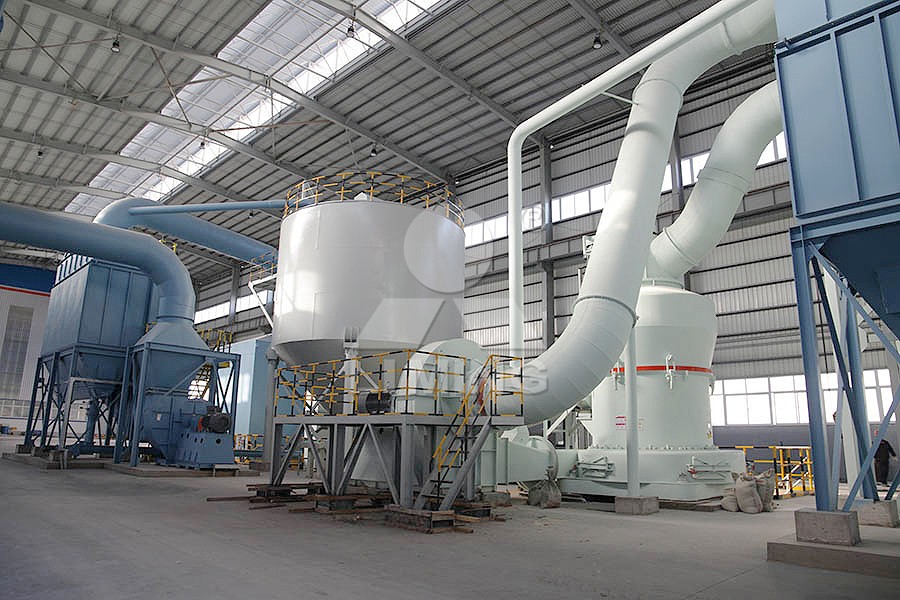
Mexico has a long-standing tradition in the mining and minerals processing sector, particularly when it comes to refractory materials. Dolomite, a calcium magnesium carbonate mineral, is a key raw material for refractory bricks, steelmaking fluxes, and construction aggregates. As industrial demands intensify, the need for efficient, high-capacity grinding solutions has never been more critical. Operators in Mexico are increasingly turning to vertical grinding mill technology to process dolomite into ultra-fine powders with consistent particle size distribution, low iron contamination, and high whiteness. Among the most trusted solutions is the LUM Ultrafine Vertical Grinding Mill, a machine designed specifically for ultra-fine powder production with integrated classification and drying capabilities.
Why Vertical Grinding Mills Dominate the Refractory Industry
Traditional ball mills and Raymond mills often struggle with energy efficiency, product fineness consistency, and maintenance downtime. Vertical grinding mills, by contrast, offer a compact footprint, lower energy consumption per ton, and the ability to produce powders from 325 mesh up to 2500 mesh (D97 ≤ 5 micron). For the refractory industry, where precise particle size directly impacts brick density and thermal shock resistance, this level of control is non-negotiable. The LUM Ultrafine Vertical Grinding Mill integrates Taiwan grinding roller technology and German powder separation systems, resulting in a machine that not only achieves high throughput but also maintains product purity by minimizing iron pick-up during grinding. With an input size of 0-10 mm and capacity ranging from 5 to 18 tph, it is ideally suited for medium-to-large scale dolomite processing plants in Mexico.
Key Technical Advantages for Dolomite Refractory Applications
When processing dolomite for refractory end-uses, several factors determine the success of a grinding operation. First, the material’s moisture content must be managed, as even small amounts can cause clogging in conventional mills. Vertical mills like the LUM series use hot air sweeping to simultaneously dry and grind, eliminating pre-drying steps. Second, the abrasive nature of dolomite requires wear-resistant components. The LUM mill features specially designed roller shells and lining plates with optimized grinding curves that extend service life and reduce replacement frequency. Third, the multi-head powder separator allows rapid switching between different product specifications, which is invaluable for plants that produce both coarse refractory grits and fine filler powders. The PLC control system provides real-time adjustment of grinding pressure and rotor speed, ensuring that each batch meets strict quality standards. For customers requiring even higher capacity, the LM Vertical Grinding Mill can handle input sizes up to 70 mm and deliver up to 340 tph, making it a robust choice for large-scale operations.

Real-World Performance in Mexican Conditions
Field data from several installations in the states of Nuevo León and Coahuila confirm that the LUM Ultrafine Vertical Grinding Mill delivers on its promises. One plant processing dolomite for steel refractory bricks reports a 40% increase in throughput compared to their previous ball mill setup, while energy consumption dropped by 35%. The ability to produce 1250 mesh powder with a D97 of 10 microns has allowed them to reduce binder usage in brick formulations, cutting raw material costs. Another operator in the San Luis Potosí region uses the LM Vertical Grinding Mill to produce finer grades for the ceramics industry, appreciating the low iron content (less than 0.1% Fe2O3) which preserves the whiteness of the final product. Maintenance teams also praise the reversible roller structure of the LUM mill, which allows inspection and replacement of wear parts without removing the entire roller assembly, reducing downtime from days to hours.
Environmental and Operational Considerations
Mexico’s environmental regulations for mining and mineral processing have become stricter in recent years. Vertical grinding mills inherently produce less noise than ball mills, and the sealed negative-pressure operation prevents dust leakage. Both the LUM and LM series are equipped with high-efficiency pulse dust collectors that capture 99.9% of fine particles, ensuring compliance with local emission standards. Additionally, the intelligent automation systems allow remote monitoring and control, meaning a single operator can manage multiple mills from a centralized control room. This reduces labor costs and improves safety by minimizing human exposure to moving machinery and dusty environments. For companies looking to expand their dolomite grinding capacity while meeting sustainability goals, investing in modern vertical mill technology is a strategic move.

Conclusion and Recommendation
The Mexican refractory industry is at a turning point, where efficiency, product quality, and environmental responsibility must coexist. Vertical grinding mills, particularly those engineered specifically for ultra-fine applications, provide a clear path forward. Whether you are processing dolomite for refractory bricks, glass manufacturing, or construction materials, the LUM Ultrafine Vertical Grinding Mill and the LM Vertical Grinding Mill offer proven performance, lower operating costs, and the flexibility to adapt to changing market demands. With input sizes ranging from 0-10 mm for the LUM and 0-70 mm for the LM, and capacities from 5 tph to over 340 tph, there is a solution for every scale of operation. We invite you to contact our technical team for a customized proposal based on your specific raw material characteristics and production targets.
Frequently Asked Questions
1. What is the recommended feed size for the LUM Ultrafine Vertical Grinding Mill when processing dolomite?
The LUM mill accepts feed sizes up to 10 mm. For best results, pre-crushing to 0-10 mm using a hammer crusher or jaw crusher is recommended to ensure smooth operation and optimal throughput.
2. Can the LUM mill handle dolomite with high moisture content?
Yes. The LUM mill uses hot air sweeping to dry materials during grinding. It can handle feed moisture up to 6-8% without external pre-drying, provided the hot gas system is properly configured.
3. What fineness range can be achieved for dolomite refractory powders?
The LUM mill can produce powders from 325 mesh (44 microns) up to 2500 mesh (5 microns, D97). For refractory applications, common specifications are 800 mesh, 1250 mesh, and 2000 mesh.
4. How does the maintenance of vertical mills compare to ball mills?
Vertical mills have fewer moving parts and no grinding media to replace. The LUM mill features reversible roller structures that allow quick inspection without full disassembly. Typical maintenance intervals are 2-3 times longer than ball mills.
5. What power consumption can I expect for producing 1250 mesh dolomite powder?
Specific energy consumption typically ranges from 25 to 40 kWh per ton, depending on feed size, moisture, and target fineness. This is 30-50% lower than traditional ball milling systems.
6. Is the LUM mill suitable for other refractory minerals besides dolomite?
Absolutely. The LUM mill is widely used for calcite, marble, limestone, talc, barite, and gypsum. Its versatility makes it a favorite in multi-mineral processing plants.
7. What after-sales support is available for Mexican customers?
We offer full technical support, including installation supervision, operator training, and a comprehensive spare parts inventory. Our regional service team in Mexico can respond within 24 hours for most maintenance needs.
8. Can the mill be integrated into an existing plant without major modifications?
Yes. The compact vertical design requires about 50% less floor space than a ball mill system. Standard electrical and pneumatic connections make integration straightforward. Our engineering team can provide a layout drawing based on your site dimensions.