
How to optimize phosphate processing with grinding machine for animal feed in india
How to Optimize Phosphate Processing with Grinding Machine for Animal Feed in India
India is one of the largest producers and consumers of animal feed in the world. With a rapidly growing livestock sector, the demand for high-quality feed additives like phosphate powder has skyrocketed. Phosphate, primarily derived from rock phosphate, is essential for bone development, eggshell formation, and overall growth in poultry, cattle, and aquaculture. However, the processing of phosphate into animal feed requires precise grinding to achieve the right particle size, typically between 100 and 325 mesh. Inefficient grinding leads to poor digestibility, dust issues, and higher production costs. This article dives deep into how to optimize phosphate processing with grinding machines for animal feed in India, leveraging advanced technology for better yields, lower energy consumption, and eco-friendly operations.
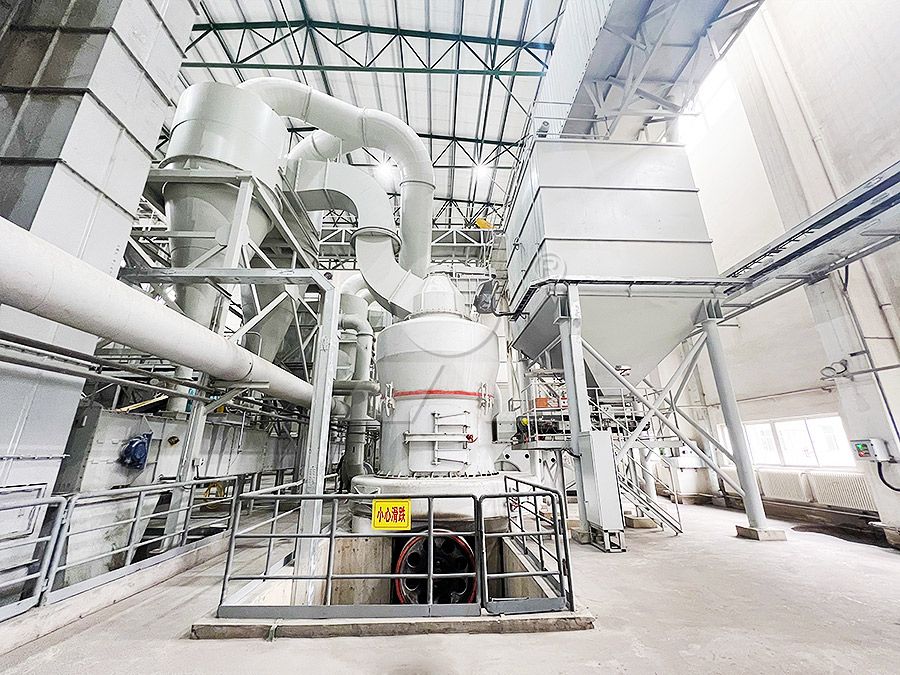
Understanding the Challenges in Phosphate Grinding for Animal Feed
Phosphate ore is a tough, abrasive material with high hardness, typically around 5 to 6 on the Mohs scale. Traditional grinding methods, such as ball mills or Raymond mills, often struggle with energy inefficiency, high wear rates, and inconsistent particle size distribution. In India, where power costs and environmental regulations are tightening, feed manufacturers need machines that offer higher capacity, lower operating costs, and minimal environmental footprint. The key pain points include:
- High energy consumption during fine grinding.
- Excessive dust generation leading to health hazards and product loss.
- Inconsistent fineness, which affects feed quality and animal absorption.
- High maintenance costs due to frequent bearing and screw failures.
- Large floor space requirements, which is a constraint in many Indian facilities.
To overcome these challenges, feed processors are turning to modern ultrafine and vertical grinding mills that deliver precise control, lower energy use, and higher throughput.
The Role of Grinding Mill Selection in Optimizing Phosphate Processing
Choosing the right grinding machine is the single most important decision for a phosphate processing plant. The mill must handle feed sizes up to 20 mm, produce a consistent powder with fineness between 100 and 2500 mesh, and do so with minimal downtime. Two technologies stand out for this application: ultrafine grinding mills and vertical grinding mills. Based on our industry experience and product lineup, the MW Ultrafine Grinding Mill and LUM Ultrafine Vertical Grinding Mill are excellent choices for Indian feed manufacturers seeking to optimize their phosphate processing.
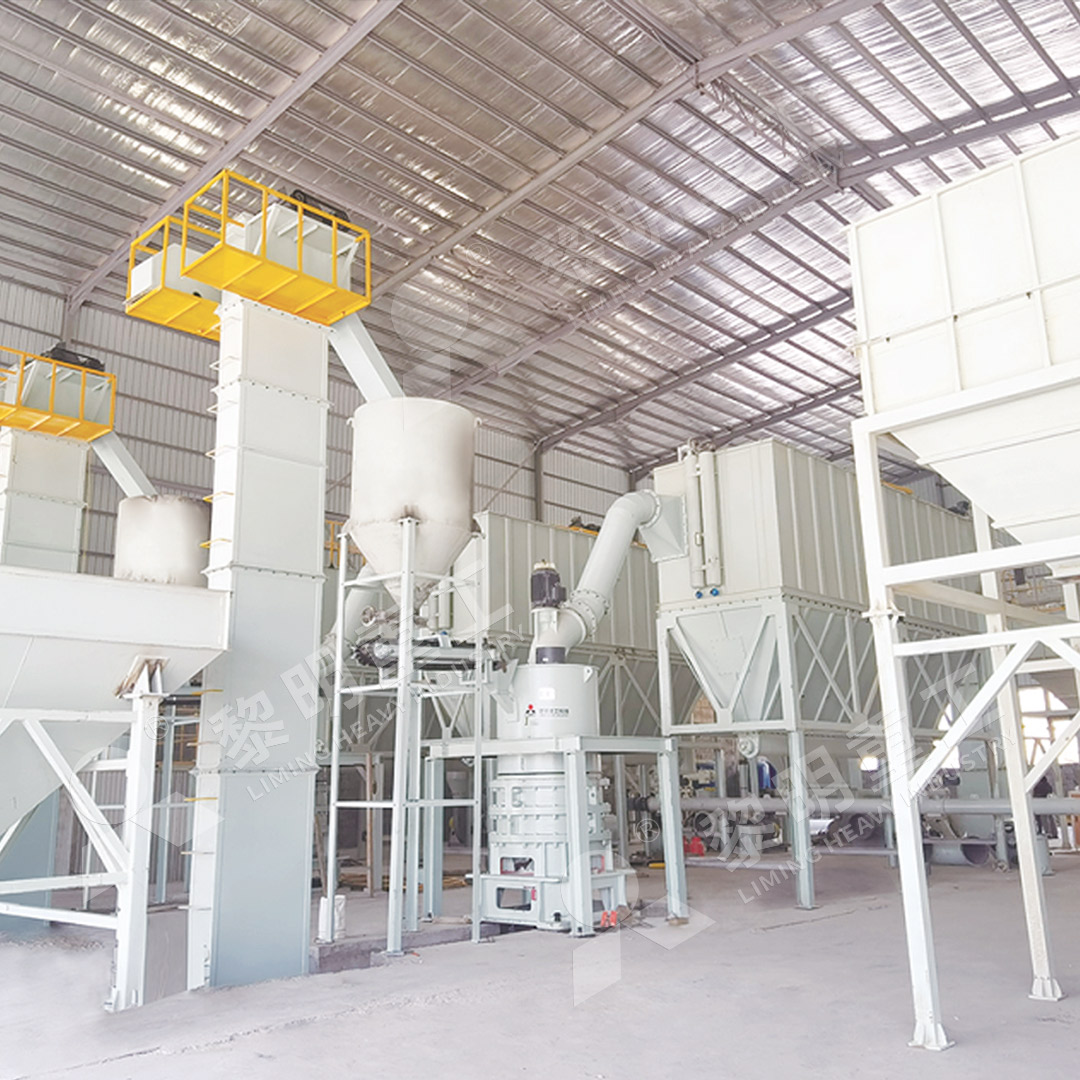
MW Ultrafine Grinding Mill: A Game Changer for Fine Phosphate Powder
The MW Ultrafine Grinding Mill is specifically designed for customers who need ultra-fine powder with particle sizes down to 5 microns (d97≤5μm). This machine operates with an input size of 0-20 mm and a capacity range of 0.5-25 tph, making it ideal for medium-scale feed additive production. Its key advantages for phosphate processing include:
- Higher Yielding, Lower Energy Consumption: The newly designed grinding curves of the roller and ring enhance grinding efficiency. Compared to jet mills and stirred mills, the MW mill boosts production capacity by 40%. It consumes only 30% of the energy used by jet mills, which is a massive cost saver in India’s power-sensitive market.
- Adjustable Fineness Between 325-2500 Mesh: Using German cage-type powder selector technology, the MW mill offers precise fineness control. For animal feed, phosphate powder around 100-200 mesh is common, but the flexibility to go finer for added-value products like feed premixes is a big plus.
- No Rolling Bearings or Screws in Grinding Chamber: This design eliminates bearing damage and screw loosening, which are common failure points in traditional mills. The external lubricating device allows 24-hour continuous operation without shutdown for maintenance. For Indian plants running three shifts, this reliability is gold.
- Eco-Friendly Operation: The built-in pulse dust collector and silencer ensure no dust pollution and low noise levels. This helps facilities meet the stringent pollution control norms set by the Central Pollution Control Board (CPCB) in India.
For feed manufacturers targeting ultra-fine phosphate powders or those dealing with hard ores, the MW Ultrafine Grinding Mill is a top-tier choice. It delivers consistent quality, reduces energy bills, and keeps the workplace clean.

LUM Ultrafine Vertical Grinding Mill: High Capacity with German Precision
For larger operations requiring capacities of 5-18 tph, the LUM Ultrafine Vertical Grinding Mill is the optimal solution. This mill integrates the latest Taiwan grinding roller technology and German powder separating technology. Its unique design addresses two common problems in traditional grinding: long material lingering time and high iron content. Here’s how it optimizes phosphate processing:
- Higher Yielding Rate and Better Quality: The specially designed roller shell and lining plate curves promote efficient material layering. This results in a high finished product rate in a single pass, boosting throughput. The reduced iron content in the final product maintains the whiteness and purity of phosphate, which is critical for feed-grade specifications.
- Energy-Saving Multi-Head Powder Separator: The PLC-controlled system with multi-head separator allows operators to precisely adjust grinding pressure and speed. Compared to common grinding mills, the LUM mill cuts energy consumption by 30-50%. For a plant processing 10 tph of phosphate, this translates to significant annual savings on electricity costs, which are a major line item in Indian manufacturing.
- Double Position-Limiting Technology: Electronic and mechanical limiting protection prevents destructive impact from grinding roller directly smashing the millstone. This ensures stable operation even when processing variable feed materials. In India, where phosphate ore quality can vary from mine to mine, this stability is a huge advantage.
- Reversible Structure for Easy Maintenance: The hydraulic system allows the grinding roller to be moved out of the body for inspection and replacement of wear parts. This reduces shutdown time and labor costs. Maintenance downtime can be cut by up to 50% compared to traditional vertical mills.
Both the MW and LUM mills are backed by digitalized manufacturing at LIMING’s facilities, where CNC machines cut, bend, and mill steel parts with high precision. This ensures every component fits perfectly, reducing field issues. Additionally, LIMING provides sufficient spare parts supply, so Indian customers never have to worry about prolonged downtime.
Best Practices for Optimizing Phosphate Grinding in India
Optimization goes beyond just selecting the right mill. Here are practical steps to get the most out of your phosphate grinding system:
1. Pre-Crushing and Feeding
Phosphate rock often arrives as large lumps. Use a jaw crusher to reduce the feed to the mill’s input size—20 mm for MW mills, 10 mm for LUM mills. A vibrating feeder ensures even distribution, which prevents mill overload and maintains consistent grinding pressure. Irregular feeding leads to coarse output and higher energy consumption.
2. Control Moisture Content
Phosphate ore can have moisture levels up to 10-15%. High moisture causes clogging in the mill and reduces grinding efficiency. Install a drying system, such as a hot air generator, before the mill or use the mill’s integrated drying capacity. The LM Vertical Grinding Mill, for instance, can handle drying and grinding simultaneously. If you’re using MW or LUM mills, ensure the feed is pre-dried to below 5% moisture for optimal results.
3. Adjust Fineness Based on Feed Application
Not all animal feed needs ultra-fine powder. For poultry feed, 100-150 mesh is sufficient. For cattle feed premixes, finer 200-325 mesh is better. Use the mill’s classifier speed adjustment to dial in the exact particle size. Running the mill too fine wastes energy and reduces capacity. The MW mill’s adjustable fineness (325-2500 mesh) gives you the flexibility to switch between feed grades without mechanical changes.
4. Monitor Airflow and Dust Collection
Proper airflow is critical in air-swept mills. Adjust the blower speed to maintain a balanced air flow across the grinding chamber. Too much air will carry coarse particles into the separator, reducing quality. Too little air causes material buildup. The pulse dust collector should be maintained regularly to keep filter bags free from clogging. This not only ensures eco-friendly operation but also recovers fine phosphate powder that would otherwise be lost as dust.
5. Scheduled Wear Part Replacement
Phosphate is abrasive. Grinding rollers and rings will wear over time. Keep an eye on the motor current draw—a sudden drop may indicate worn rollers reducing grinding pressure. LUM mills make roller replacement easy with their reversible structure, and LIMING provides original spare parts quickly. Proactive replacement every 6-12 months, depending on usage, keeps the mill running at peak efficiency.

Conclusion: Why LIMING Mills Are the Right Choice for India
Phosphate processing for animal feed in India demands equipment that is robust, energy-efficient, and easy to maintain. The MW Ultrafine Grinding Mill and LUM Ultrafine Vertical Grinding Mill from LIMING check all these boxes. With higher yields, lower energy consumption, adjustable fineness, and eco-friendly operation, these mills help Indian feed manufacturers reduce costs and improve product quality. Whether you are a small-scale producer grinding 5 tons per day or a large plant processing 20 tons per hour, LIMING has the right solution. Investing in the proper grinding machine is not just about meeting production targets—it’s about staying competitive in India’s fast-growing animal feed market.
Frequently Asked Questions (FAQ)
1. What is the recommended fineness for phosphate powder used in animal feed?
For most animal feed applications, a fineness of 100 to 200 mesh is standard. Some premixes or specialized feed may require finer powder up to 325 mesh. Always consult with a feed nutritionist to determine the exact particle size needed for your formulation.
2. How much energy can I save by switching from a ball mill to an MW Ultrafine Grinding Mill?
The MW mill consumes only about 30% of the energy used by jet mills and can double the yield compared to ball mills. For typical phosphate grinding, expect energy savings of 30-50% compared to traditional ball mill systems.
3. Does the LUM Ultrafine Vertical Grinding Mill generate dust?
No, the LUM mill is equipped with an efficient pulse dust collector and operates under negative pressure. The entire system is sealed, so there is minimal dust emission, making it compliant with environmental regulations in India.
4. What feed size is suitable for the MW Ultrafine Grinding Mill?
The MW mill accepts an input size of 0-20 mm. If your raw phosphate rock is larger, you need a primary crusher (e.g., jaw crusher) to reduce it to this size before feeding the mill.
5. How often do grinding rollers need to be replaced in these mills?
The lifespan of grinding rollers depends on the abrasiveness of your phosphate ore and the operating hours. On average, with proper maintenance, rollers can last 6 to 12 months. LUM mills have a reversible structure that makes replacement faster and easier.
6. Can these mills handle high-moisture phosphate ore?
For best performance, the feed material should have a moisture content below 5%. If you have higher moisture ore, consider pre-drying or using a mill with integrated drying capability, such as the LM Vertical Grinding Mill, which can handle both grinding and drying simultaneously.
7. What capacity range is available for these mills?
The MW Ultrafine Grinding Mill offers a capacity of 0.5 to 25 tph. The LUM Ultrafine Vertical Grinding Mill offers a capacity of 5 to 18 tph. The exact capacity depends on the fineness requirement and the hardness of the phosphate ore.
8. Do I need special training to operate these machines?
The MW and LUM mills are designed with digitalized control systems that are user-friendly. Most operators with basic mechanical experience can learn to operate them within a week. LIMING also provides technical support and manuals to help your team get up to speed quickly.
9. Are spare parts readily available in India?
Yes, LIMING has a strong supply chain and can deliver original spare parts quickly to Indian customers. The company takes responsibility for every machine it produces, ensuring worry-free operation with a sufficient supply of wear parts like rollers, rings, and filters.
10. What is the price range for these grinding mills?
Pricing varies based on configuration, capacity, and customizations. For a detailed quotation tailored to your specific phosphate processing needs, contact LIMING’s sales team. They can provide a cost estimate and help you choose the best mill for your budget and application.