
Phosphate powder milling equipment for fertilizer in kenya
Introduction: The Growing Demand for Phosphate Fertilizer in Kenyan Agriculture
Kenya’s agricultural sector is the backbone of its economy, contributing significantly to employment and food security. However, soil degradation and nutrient depletion remain critical challenges. Phosphate fertilizers are essential for replenishing soil phosphorus levels, boosting crop yields, and ensuring sustainable farming practices. The production of high-quality phosphate powder—the raw material for fertilizers—requires advanced milling equipment capable of delivering ultra-fine, uniform particle sizes with high efficiency and low operational costs.
In this article, we explore the key considerations when selecting phosphate powder milling equipment for fertilizer production in Kenya, focusing on performance, durability, environmental compliance, and cost-effectiveness. We also introduce two state-of-the-art grinding mills from Liming Heavy Industry: the MW Ultrafine Grinding Mill and the LUM Ultrafine Vertical Grinding Mill, both ideally suited for phosphate processing.

Why Particle Size Matters in Phosphate Fertilizer Production
The effectiveness of phosphate fertilizers depends heavily on particle size. Fine powders (<100 microns) increase the surface area for soil interaction, enhancing nutrient availability to plants. For example, phosphate rock must be ground to a fineness of 80-90% passing 100 mesh (150 microns) for direct application, while superphosphate production requires even finer grinding—often 325 mesh (44 microns) or finer.
Grinding also influences downstream processing steps such as granulation, blending, and packaging. A consistent particle size distribution ensures uniform mixing with other nutrients, reduces segregation during transport, and improves flowability. Therefore, choosing a mill that offers precise fineness control and high throughput is paramount.
Key Challenges in Phosphate Milling in Kenya
1. Abrasiveness: Phosphate rock is highly abrasive due to its silica content. This accelerates wear on grinding components, increasing maintenance costs and downtime.
2. Moisture Content: Kenyan phosphate deposits often contain varying moisture levels, which can cause clogging and reduce mill efficiency if not properly managed.
3. Energy Costs: Electricity prices in Kenya are among the highest in Africa. Mills with high energy consumption can significantly impact the profitability of fertilizer production.
4. Environmental Regulations: The National Environment Management Authority (NEMA) enforces strict dust and noise limits. Mills must incorporate effective dust collection and noise reduction systems.
5. Availability of Spare Parts: Imported equipment often faces delays in spare parts delivery. Reliable local support or a comprehensive stock of wear parts is essential for uninterrupted operations.
Recommended Grinding Mills for Phosphate Fertilizer in Kenya
After evaluating the specific needs of the Kenyan market, we recommend two models from Liming Heavy Industry’s portfolio: the MW Ultrafine Grinding Mill and the LUM Ultrafine Vertical Grinding Mill. Both are designed for high-capacity, low-energy, and eco-friendly operation.
MW Ultrafine Grinding Mill: Precision in Ultra-Fine Grinding
The MW Ultrafine Grinding Mill is an ideal solution for producing ultra-fine phosphate powder. It handles input sizes up to 20 mm with a capacity of 0.5–25 tph, which is perfect for small to medium-scale fertilizer plants.
Key benefits for phosphate processing include:
- Energy Savings: The system consumes only 30% of the energy required by jet mills, while achieving 40% higher capacity than stirred mills. This is a game-changer for Kenyan operators facing high electricity tariffs.
- Dust-Free Operation: Equipped with a high-efficiency pulse dust collector and muffler, the mill ensures compliance with NEMA emission standards. No dust pollution means a healthier work environment and fewer regulatory fines.
- Maintenance Freedom: The grinding chamber contains no rolling bearings or screws, eliminating common failure points. The external lubricating device allows for 24-hour continuous production without shutdown for lubrication.
- Adjustable Fineness: The German-designed cage-type powder selector provides fineness adjustment between 325 and 2500 mesh. For phosphate fertilizers, this means you can precisely control particle size from coarse (for direct application) to ultra-fine (for water-soluble formulations).

LUM Ultrafine Vertical Grinding Mill: Higher Capacity with German Precision
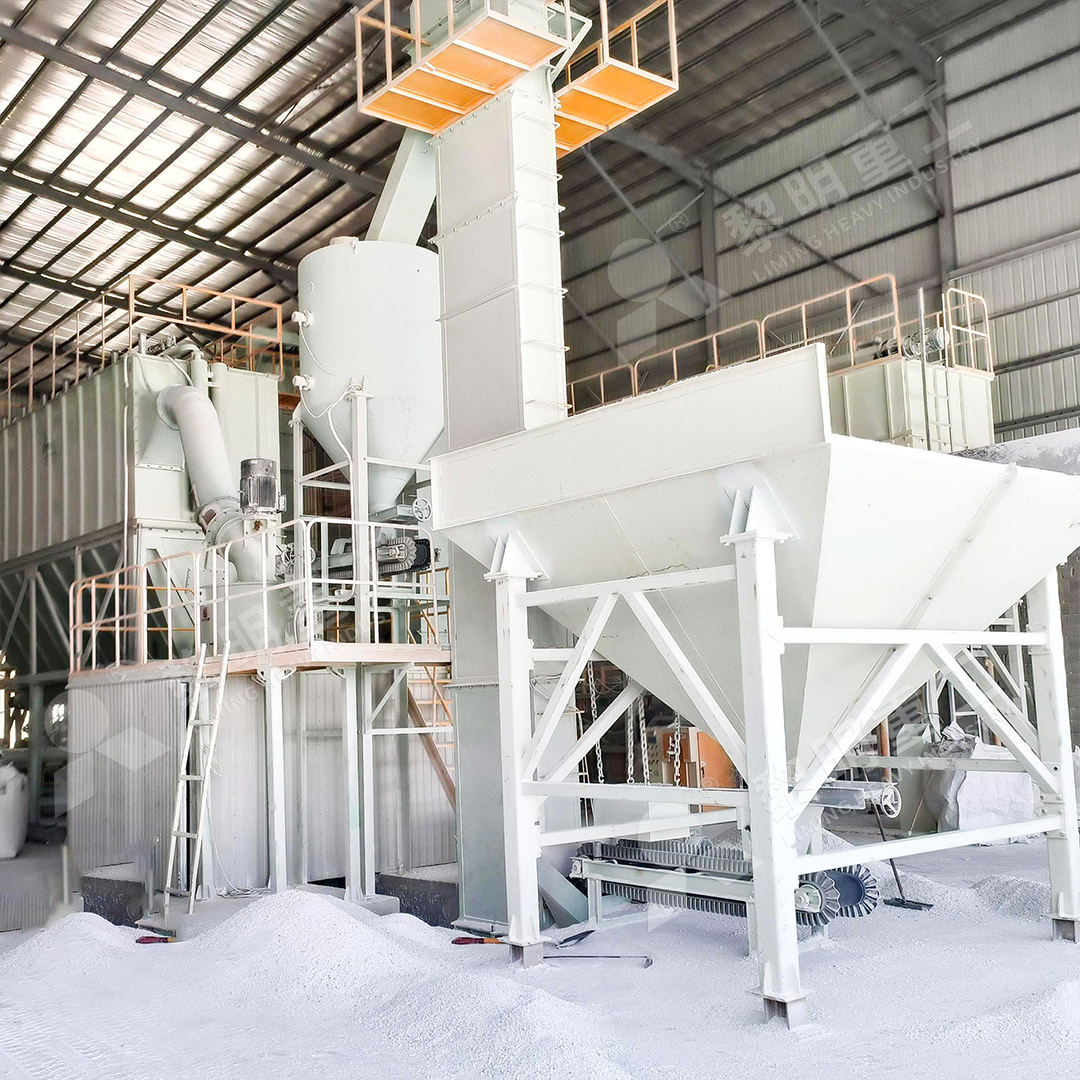
For larger-scale operations, the LUM Ultrafine Vertical Grinding Mill offers a capacity range of 5–18 tph with an input size of 0–10 mm. It integrates grinding, grading, and conveying into a single unit, reducing overall equipment footprint by 50% compared to ball mills.
Its unique advantages for phosphate milling include:
- No Iron Contamination: The roller shell and lining plate are designed to prevent direct metal-to-metal contact. This ensures that the whiteness and chemical purity of the phosphate powder remain uncompromised—critical for high-grade fertilizer products.
- Quick Product Switch: The PLC-controlled multi-head powder separator allows operators to change fineness settings in minutes. This flexibility accommodates different fertilizer formulations (e.g., DAP, MAP, or SSP) without lengthy recalibration.
- Stability Under Harsh Conditions: Double position-limiting technology prevents destructive vibrations even when processing variable-feed materials. This durability is vital for Kenyan mines where ore consistency can fluctuate.
- Easy Maintenance: The reversible structure enables fast roller inspection and replacement without heavy lifting equipment. Reducing downtime directly translates to higher annual production volumes.
Comparing the Two Mills for Phosphate Applications
| Parameter | MW Ultrafine Mill | LUM Vertical Mill |
|---|---|---|
| Ideal Capacity | 0.5 – 25 tph | 5 – 18 tph |
| Fineness Range | 325 – 2500 mesh (d97 ≤ 5 μm) | 325 – 2500 mesh (customizable) |
| Energy Consumption | 30% of jet mill | 30-50% less than conventional mills |
| Key Feature | No bearings in grinding chamber | Reversible roller structure |
Practical Considerations for Kenyan Fertilizer Producers
Site Preparation: Both mills can be arranged outdoors, reducing the need for expensive building enclosures. The compact design of the LUM mill saves up to 50% in floor area compared to ball mill systems.
Power Supply: Kenyan industrial parks often face voltage fluctuations. Both mills are equipped with motors that tolerate ±10% voltage variation, and the control systems include soft-start capabilities to reduce inrush current.
Local Support: Liming Heavy Industry maintains a stock of spare parts for both models in regional warehouses. Standard wear parts (grinding rings, rollers, and classifier blades) are readily available, ensuring minimal downtime.
Financing Options: For Kenyan SMEs, leasing or installment payment plans are available through partner financial institutions, making the initial investment more manageable.
Environmental and Safety Compliance
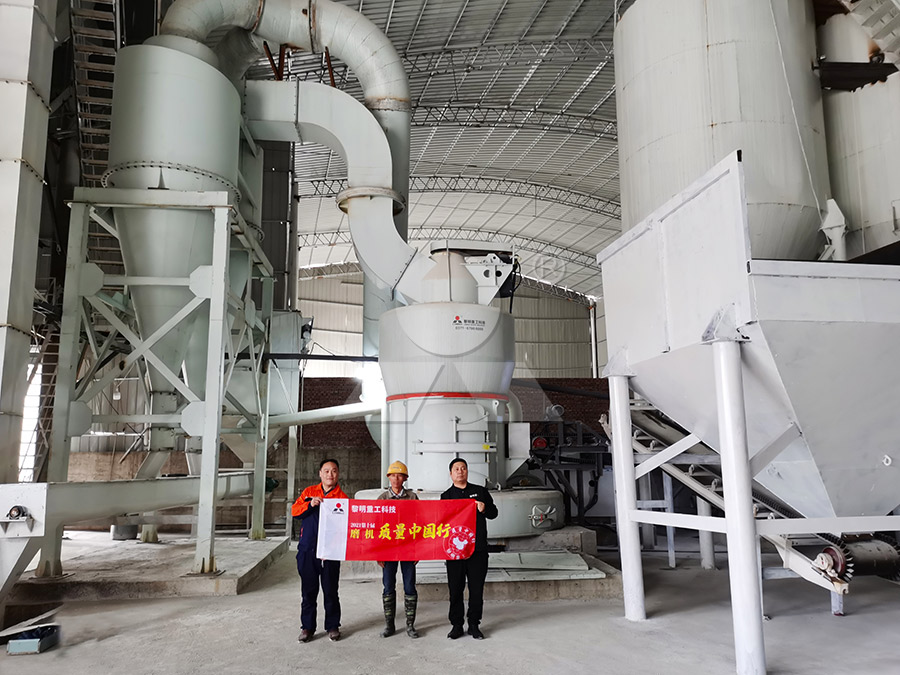
Kenya’s Environmental Management and Coordination Act (EMCA) mandates strict control of particulate emissions. Both the MW and LUM mills are designed with negative-pressure systems and pulse-jet dust collectors that capture 99.9% of fine particles. The muffler reduces noise levels to below 85 dB(A) at 1 meter, which meets OSHA standards for occupational safety.
Furthermore, the mills meet international fire and explosion prevention standards, with explosion vents and anti-static filters. This is critical when grinding fine phosphate dust, which can be combustible under certain conditions.
Conclusion: Choosing the Right Equipment for Long-Term Success
Phosphate powder milling in Kenya requires a balanced approach: high throughput to meet demand, low energy consumption to control costs, and robust construction to withstand abrasive ores. The MW Ultrafine Grinding Mill excels in small to medium-scale operations requiring ultra-fine powders, while the LUM Ultrafine Vertical Grinding Mill is better suited for larger plants demanding high capacity and minimal contamination.
By investing in either of these systems, Kenyan fertilizer producers can achieve consistent product quality, reduce operational risks, and contribute to the nation’s agricultural productivity. For tailored advice and detailed quotes, contact Liming Heavy Industry’s local representatives who can provide site-specific feasibility studies and installation support.
Frequently Asked Questions (FAQs)
- What is the recommended mill for producing phosphate powder with a fineness of 325 mesh?
Both the MW and LUM mills can achieve 325 mesh fineness easily. For capacities below 25 tph, the MW Ultrafine Mill offers the best energy efficiency. For higher throughput, choose the LUM Vertical Mill. - How often do grinding rollers need replacement when milling phosphate rock?
With the wear-resistant alloy materials used in both mills, rollers typically last 6,000 to 10,000 operating hours, depending on silica content in the feed. Regular inspection every 500 hours is recommended. - Can these mills handle moist phosphate ore (up to 15% moisture)?
Yes, both mills integrate hot air drying. The LUM mill, in particular, allows hot air injection for simultaneous drying and grinding, reducing the need for separate drying equipment. - Do I need special training for operators?
Liming provides on-site training and detailed manuals. The PLC controls in the LUM mill make operation straightforward, while the MW mill’s simple mechanical design is easy to learn. - What is the total cost of installation for a 10 tph phosphate grinding line?
Costs vary based on site conditions, but a typical line (including the mill, elevator, feeder, dust collector, and silos) ranges from USD 150,000 to 300,000. A detailed budget can be provided after a site assessment. - How long is the warranty period for these mills?
Liming offers a 24-month warranty on mechanical defects, with extended warranty options available. Spare parts for critical components are stocked in Nairobi for quick delivery. - Are there tax or duty incentives for importing grinding equipment in Kenya?
Yes, machinery used in agricultural processing may qualify for duty remission under the Kenya Investment Authority guidelines. It is advisable to consult a local customs agent for current rates.