
Using roller mill for cement clinker for concrete manufacturing in south africa
Introduction: The South African Concrete Challenge
South Africa’s construction sector is no stranger to pressure. With infrastructure demands ranging from housing developments in Gauteng to industrial projects in the Western Cape, the need for high-quality concrete has never been more critical. At the heart of this concrete lies cement clinker, and at the heart of clinker processing lies the grinding mill. Not all mills are created equal, especially when you’re dealing with the tough, abrasive nature of clinker. For years, plant managers have wrestled with ball mills that guzzle power and jet mills that choke on throughput. But the landscape is shifting. Roller mills, particularly those designed for ultrafine grinding, are rewriting the rules of concrete manufacturing in the region.
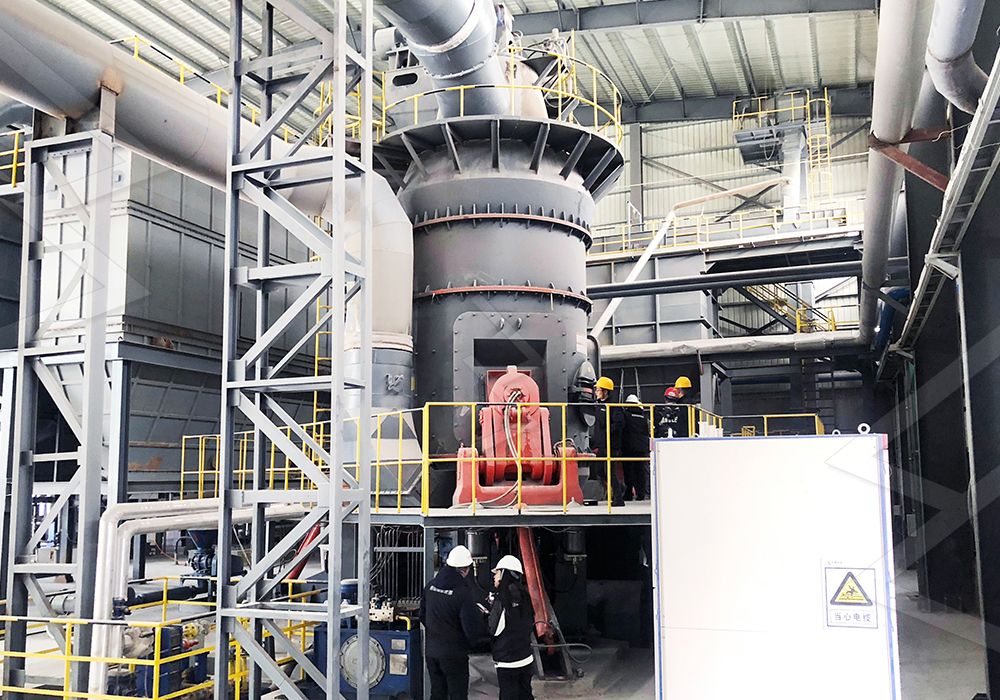
Why Roller Mills Are Gaining Ground in Mzansi
Traditional grinding methods come with baggage. Ball mills, for instance, are notorious for high energy consumption and significant heat generation, which can degrade the quality of the clinker. In a country where electricity costs have skyrocketed and load shedding remains a reality, efficiency isn’t just a buzzword—it’s a survival metric. Roller mills, particularly those utilizing advanced grinding curves and multi-stage separation, offer a way out.
Take the MW Ultrafine Grinding Mill, for example. Its design eliminates the rolling bearing and screw inside the grinding chamber, which means less downtime for mechanical repairs. For a concrete plant operating 24 hours a day, that reliability translates directly into bottom-line savings. The machine’s capacity range of 0.5 to 25 tph makes it suitable for both small-scale batch plants and larger production facilities. More importantly, its adjustable fineness between 325 and 2500 meshes allows South African manufacturers to tailor their cement fineness to specific concrete strength requirements without changing equipment.
Technical Adaptation to Local Conditions
South Africa is not a one-size-fits-all market. The clinker produced at a plant in the Highveld differs from that in the coastal regions due to variations in raw material composition. Roller mills like the MW series are built to handle these variances. The newly designed grinding curves of the roller and grinding ring enhance grinding efficiency, and with the same power input, production capacity can be 40% higher than that of jet grinding mills. For a contractor in Durban dealing with high humidity, the efficient pulse dust collector and muffler system ensure that the operation remains compliant with environmental regulations while keeping noise levels in check.

The Role of Ultrafine Grinding in Concrete Strength
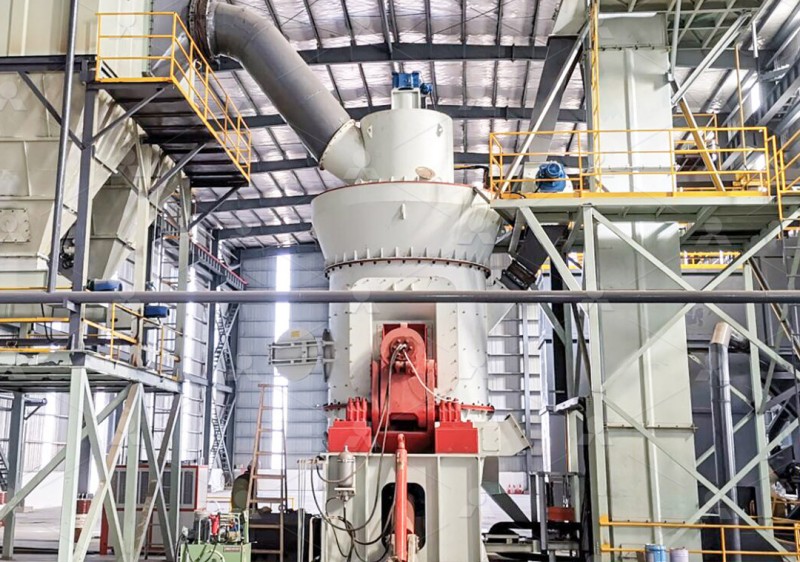
Concrete strength is directly linked to the particle size distribution of the cement. Ultrafine grinding allows for a denser packing of particles, which reduces porosity and increases compressive strength. This is where the LUM Ultrafine Vertical Grinding Mill shines. With a capacity of 5 to 18 tph and an input size of 0-10 mm, it is designed for demanding applications. The multi-head powder separating technology, combined with PLC control, allows operators to adjust the fineness on the fly. This is a game-changer for ready-mix concrete suppliers in Johannesburg who need to switch between different grade specifications without halting production.
The double position-limiting technology in the LUM mill ensures stability even when processing materials with varying hardness. In practice, this means less vibration and longer service life for the roller shell and lining plate. The reversible structure also simplifies maintenance—a critical factor when skilled technicians are scarce and downtime cuts deep into project timelines.
Cost Analysis: Energy and Wear
Let’s talk numbers. Energy consumption in a typical ball mill system can account for up to 60% of the operational costs in a grinding plant. The LUM Ultrafine Vertical Grinding Mill reduces energy consumption by 30% to 50% compared to conventional mills. For a plant processing 10 tons of clinker per hour, that adds up to significant annual savings. Additionally, the wear rate of consumable parts is lower due to the material bed grinding principle. Unlike in ball mills where metal-to-metal contact is common, the LUM mill uses a grinding table and rollers that do not directly touch during operation, reducing iron contamination in the final product. This is particularly important for white cement and high-performance concrete applications where purity is non-negotiable.

Environmental Compliance and Dust Control
South Africa’s environmental regulations are tightening. The Department of Environmental Affairs has set strict limits on particulate emissions from industrial plants. The MW Ultrafine Grinding Mill is equipped with an efficient pulse dust collector, ensuring that no dust pollution occurs during the entire milling process. The system also includes a silencer and noise elimination room, which helps plants located near residential areas avoid complaints and penalties. The whole production process is organized according to national environmental protection standards, making these mills a future-proof investment.
Practical Maintenance in the South African Context
Maintenance in the South African mining and construction industry often suffers from supply chain delays. Spare parts for imported European mills can take weeks to arrive. LIMING addresses this by ensuring sufficient supply of original spare parts for all their machines. The grinding rollers and rings in the MW and LUM mills are made from wear-resistant alloy developed in collaboration with scientific institutes, offering 1.7 to 2.5 times longer service life than traditional high-manganese steel components. This means fewer replacement cycles and less reliance on erratic supply chains.
Furthermore, the digitalized processing used in manufacturing these mills ensures high precision for core parts. Every steel plate cutting, bending, planing, and milling operation is numerically controlled. This results in consistent performance and easy interchangeability of parts—something that plant engineers in Rustenburg or Polokwane will appreciate when they need a quick fix.
Conclusion: A Strategic Choice for Concrete Producers
The choice of grinding equipment directly impacts the quality of concrete, the cost of production, and the environmental footprint of the operation. For South African manufacturers looking to stay competitive, the transition from traditional ball mills to advanced roller mills is not a luxury—it’s a necessity. The MW Ultrafine Grinding Mill and the LUM Ultrafine Vertical Grinding Mill offer proven solutions that address the specific challenges of the local market: energy efficiency, reliability, low maintenance, and environmental compliance. Whether you are producing cement for a high-rise in Sandton or a dam project in the Free State, these mills deliver the consistency and performance that modern concrete demands.
Frequently Asked Questions (FAQ)
1. Can the MW Ultrafine Grinding Mill handle the high quartz content found in some South African clinkers?
Yes, the mill is designed with wear-resistant grinding rollers and rings. The special alloy materials used can withstand the abrasive nature of high-quartz clinker, and the absence of rolling bearings in the chamber reduces the risk of damage from hard particles.
2. What is the power consumption of the LUM Ultrafine Vertical Grinding Mill compared to a ball mill for the same output?
The LUM mill typically consumes 30% to 50% less energy than a ball mill. For a capacity of 10 tph, the savings in electricity can be substantial, especially considering South Africa’s current energy tariffs.
3. How long does it take to change the roller shell and lining plate on the LUM mill?
Thanks to the reversible structure and hydraulic adjustment system, an experienced team can complete the replacement in a single shift. The grinding roller can be turned out of the body completely, providing ample space for maintenance without requiring heavy lifting equipment.
4. Is the MW mill suitable for producing ultrafine cement for high-strength concrete?
Absolutely. The MW mill can achieve a fineness of d97 ≤ 5μm, which is ideal for high-strength and ultra-high-performance concrete. The multi-head cage-type powder selector ensures precise particle size distribution.
5. What after-sales support is available for these mills in South Africa?
LIMING offers full technical services and original spare parts. Their digitalized manufacturing ensures that replacement parts match exactly. Remote diagnostics and on-site support are available depending on the service agreement.
6. Can the LUM mill be integrated into an existing cement plant’s automation system?
Yes. The PLC control system allows for easy integration with existing SCADA systems. The mill can be operated remotely, and parameters such as grinding pressure and rotor speed can be adjusted in real-time.
7. What is the typical noise level during operation of the MW mill?
The MW mill is equipped with a muffler and noise elimination room. Under normal operation, noise levels are kept below 85 dB at a distance of one meter from the machine, well within the occupational health and safety limits set by South African law.