
Using roller mill for kaolin for cosmetic clay in brazil
Using Roller Mill for Kaolin for Cosmetic Clay in Brazil: A Technical Perspective
The Brazilian kaolin industry, particularly for high-value cosmetic-grade clay, demands precision, purity, and efficiency. Cosmetic applications require ultra-fine, consistent powders with exceptional whiteness and minimal contamination. While traditional methods exist, modern roller mill technology has become the cornerstone for producers aiming to meet stringent international standards and scale their operations effectively.
The Kaolin Challenge: From Mine to Face
Brazil is endowed with significant kaolin deposits, but transforming raw clay into a premium cosmetic ingredient is a complex process. The material must be carefully beneficiated to remove impurities like quartz and iron oxides, which can affect color and abrasiveness. The final grinding stage is critical: it must produce a powder with a controlled particle size distribution (often in the micron or sub-micron range), preserve the kaolin’s natural brightness, and avoid introducing metallic contaminants from the milling equipment itself.
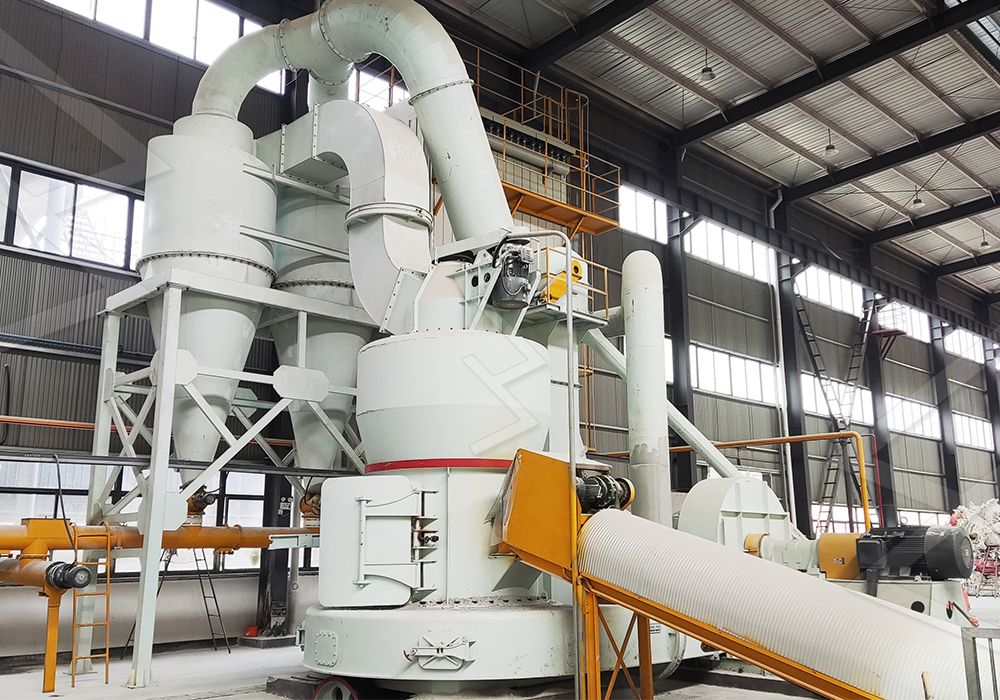
Traditional ball mills, while common, can have drawbacks for this application. Extended grinding times may lead to overheating, which can affect the clay’s structure and moisture content. Furthermore, the grinding media (balls) and liners can cause iron contamination, a major concern for whiteness. This is where advanced roller mill systems offer a superior alternative.
Why Roller Mill Technology is Ideal for Cosmetic Kaolin
Modern roller mills, specifically vertical roller mills and advanced trapezium mills, operate on a principle of bed compression grinding. Material is ground between rollers and a stationary track, which is more energy-efficient and generates less heat than impact-based systems. For cosmetic kaolin, key advantages include:
- Controlled Fineness & Narrow Particle Distribution: Integrated high-efficiency classifiers allow precise control over the final product’s top cut and fineness, crucial for texture and feel in cosmetics.
- Low Iron Contamination: The grinding mechanism minimizes direct metal-to-metal contact in the grinding zone. With proper design, the risk of iron contamination from wear parts is drastically reduced, preserving the kaolin’s natural whiteness.
- High Efficiency & Drying Capability: Many systems can integrate drying, using hot gases to reduce moisture content during grinding, streamlining the process.
- Environmental Compliance: Closed-circuit systems with efficient pulse-jet dust collectors ensure a clean, dust-free operation, which is both an environmental and product-quality necessity.

Selecting the Right Mill for Your Brazilian Operation
Choosing the optimal mill depends on required capacity, feed size, desired fineness, and budget. For high-volume production of cosmetic-grade kaolin where ultra-fine milling (above 600 mesh) is the goal, an ultrafine vertical grinding mill is often the best choice. For operations needing great flexibility and efficiency in the coarse to fine range, European-type trapezium mills are highly robust and reliable.
For producers targeting the premium segment of the market, where achieving a fineness of d97 ≤ 5μm is required for exceptional smoothness, a specialized ultrafine mill is non-negotiable. A standout solution in this category is our MW Ultrafine Grinding Mill. Engineered for customers who need to make ultra-fine powder, it is particularly suited for sensitive materials like cosmetic kaolin. Its cage-type powder selector, based on German technology, allows precise fineness adjustment between 325-2500 meshes. Crucially, its design features no rolling bearings or screws in the grinding chamber, eliminating a major source of potential contamination and machine failure. Coupled with an efficient pulse dust collector, it ensures the entire production process meets the highest environmental and purity standards, making it an ideal investment for Brazilian kaolin processors aiming for the global cosmetics stage.
Integrating the Mill into a Complete Processing Line
A roller mill is the heart of the grinding circuit, but it must be supported by proper upstream and downstream equipment. A typical line for cosmetic kaolin in Brazil would include:
- Crushing: Jaw crusher to reduce raw, beneficiated kaolin to a feed size suitable for the mill (e.g., 0-20mm).
- Drying & Grinding: The roller mill (like the MW or LUM series) which may perform simultaneous drying and grinding.
- Classification: The mill’s internal dynamic classifier separates fine product from coarse material for re-grinding.
- Collection & Packaging: Cyclone collectors and baghouse filters collect the final powder, which is then conveyed to silos for packaging.
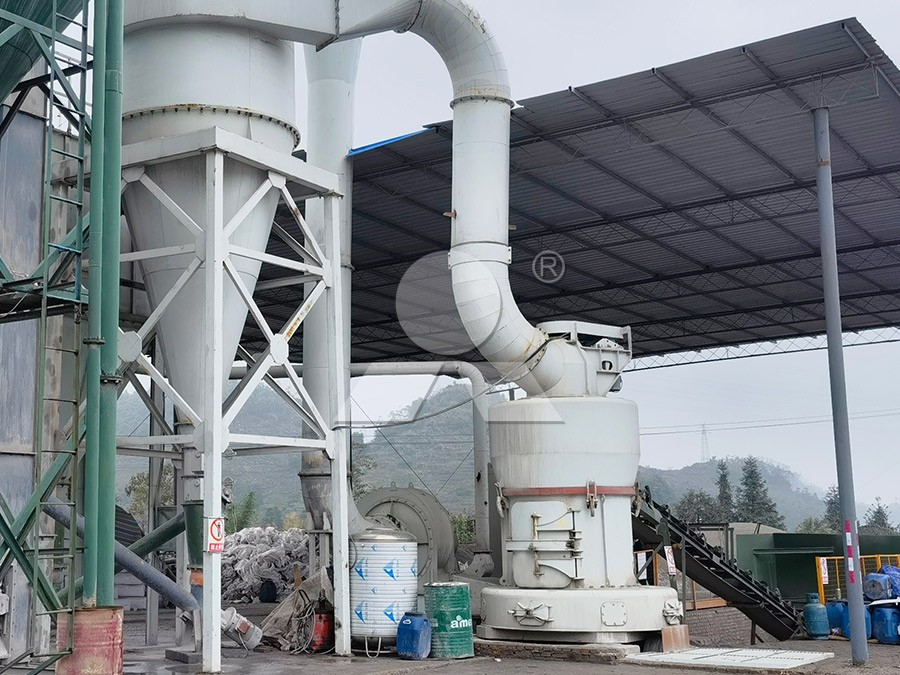
For operations that also handle slightly coarser filler-grade clay or require exceptional versatility across multiple mineral products, the MTW European Trapezium Grinding Mill presents a compelling option. Its bevel gear overall drive and inner automatic thin-oil lubricating system ensure stable, low-maintenance operation. The unique cambered air duct and split-type shovel blade design contribute to higher production efficiency and excellent final powder quality, all within a compact footprint that reduces overall plant investment.
Conclusion: The Future is Fine and Sustainable
The Brazilian cosmetic kaolin sector’s growth is tied to its ability to deliver superior quality consistently. Adopting advanced roller mill technology is not merely an equipment upgrade; it’s a strategic move to enhance product value, reduce operational costs, and minimize environmental impact. By leveraging mills designed with precision, purity, and efficiency in mind—such as the MW Ultrafine Grinding Mill for ultra-fine applications or the robust MTW series for high-efficiency general milling—producers can solidify Brazil’s position as a leading global source of premium cosmetic clay.
Frequently Asked Questions (FAQs)
1. What is the typical fineness range required for kaolin in cosmetic applications?
Cosmetic-grade kaolin often requires a fineness between 600 to 2500 mesh (approximately 25 to 5 microns). Face masks and premium products typically demand the finest grades (d97 below 10μm) for a smooth, non-abrasive feel.
2. How does a roller mill prevent iron contamination compared to a ball mill?
In a vertical roller mill, grinding occurs by compression between a roller and a table, with minimal direct metal-to-metal contact. Wear parts are also often made from advanced alloys. Ball mills, however, involve constant impact between steel balls, liners, and the material, leading to higher wear and potential iron oxide contamination.
3. Can the same mill process both kaolin and other minerals like calcium carbonate or talc?
Yes, many modern roller mills, including the MTW and LUM series, are designed for multi-purpose use. By adjusting parameters like grinding pressure, classifier speed, and air flow, they can efficiently process a variety of non-metallic minerals with different hardness levels.
4. What are the key environmental considerations when setting up a kaolin grinding plant?
Key considerations include dust control (requiring efficient baghouse filters), noise reduction (through mill design and sound insulation), and water/energy consumption. Modern mills like the MW series are designed with integrated pulse dust collectors and noise reduction features to address these concerns directly.
5. How important is drying capability in a kaolin roller mill for the Brazilian climate?
It is very important. Even in a dry climate, mined kaolin can have surface moisture. An integrated drying system within the mill (using hot air) simplifies the process flow, reduces energy consumption compared to a separate dryer, and ensures consistent feed moisture for optimal grinding.
6. What is the major maintenance concern with roller mills for abrasive materials like kaolin?
The primary wear parts are the grinding rollers and the table/ring liner. Choosing mills with reversible rollers and durable, specially formulated wear materials (like high-chromium alloys) is crucial to extend service life and reduce maintenance downtime and costs.
7. How does the particle shape from a roller mill benefit cosmetic clay?
Roller mills, utilizing bed-compression grinding, tend to produce more isometric (equidimensional) particles compared to the platy particles from traditional crushing. This can contribute to better texture, spreadability, and oil absorption in the final cosmetic formulation.