
How to optimize limestone processing with industrial pulverizer for soil ph adjustment in jamaica
How to Optimize Limestone Processing with Industrial Pulverizer for Soil pH Adjustment in Jamaica
Jamaica’s agricultural sector, a cornerstone of its economy and food security, faces a persistent challenge: soil acidity. Many of the island’s soils, particularly in regions with high rainfall, exhibit pH levels below the optimal range for staple crops and cash crops like sugarcane, coffee, and various vegetables. This acidity locks away essential nutrients, stunts root development, and ultimately suppresses yields. The most effective and economical remedy is the application of agricultural lime—finely ground limestone. However, the efficiency of this amendment is directly tied to its fineness and production process. This article explores how optimizing limestone processing with advanced industrial pulverizers can revolutionize soil pH adjustment programs in Jamaica, leading to greater agricultural productivity and sustainability.
The Critical Link Between Particle Size and Soil Amendment Efficiency
Not all limestone powder is created equal. The speed and completeness of its reaction in soil are governed by its surface area. Coarse particles dissolve slowly, providing a delayed and uneven correction. Finer particles, with exponentially greater surface area, react rapidly and uniformly with soil acids, providing a quicker and more predictable pH adjustment. For Jamaican farmers seeking timely results within a growing season, achieving a fine, consistent powder is paramount. Traditional grinding methods often fall short, producing inconsistent particle sizes, consuming excessive energy, and generating environmental concerns with dust and noise.

Modern Pulverization: The Engine of Precision Agriculture
The transition from basic crushing to sophisticated pulverization marks a leap in agricultural input manufacturing. Modern industrial grinding mills are engineered to transform raw limestone feed (typically 0-50mm) into ultra-fine powders with precise particle size distributions. Key optimization parameters for the Jamaican context include:
- Adjustable Fineness: The ability to produce powder ranging from coarse grit (for slow-release applications) to superfine flour (for rapid correction) allows for tailored products for different soil types and crop needs across Jamaica’s varied topography.
- Energy Efficiency: Given the island’s energy costs, mills that deliver higher yield per kilowatt-hour are crucial for maintaining affordable lime products.
- Environmental Compliance: Operations must control dust emissions and noise to protect local communities and ecosystems, aligning with Jamaica’s environmental protection goals.
- System Reliability & Low Maintenance: Robust machinery with accessible maintenance features minimizes downtime, ensuring a steady supply of amendment during critical pre-planting periods.
Selecting the Right Mill for Jamaican Limestone Processing
Several grinding technologies are applicable. For high-volume production of standard agricultural lime, the MTW European Trapezium Grinding Mill offers an excellent balance of capacity (3-55 tph), energy efficiency, and durability. Its bevel gear drive and wear-resistant rollers are ideal for continuous processing of Jamaican limestone.
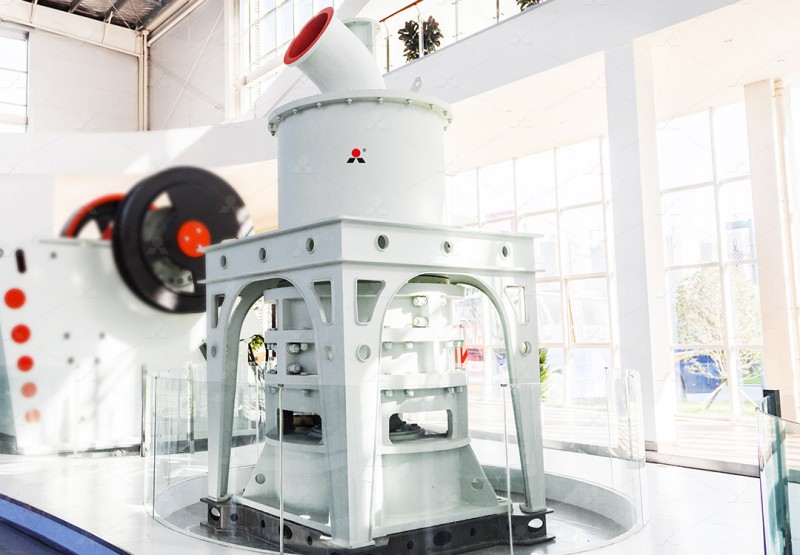
For operations requiring the finest possible powder to maximize reactivity—especially valuable for quick correction or for blending into specialized fertilizers—the technology of choice is different. Here, the MW Ultrafine Grinding Mill stands out. Engineered for producing ultra-fine powder, this mill is perfectly suited for creating high-value soil amendments. Its cage-type powder selector, adopting German technology, allows precise fineness adjustment between 325-2500 meshes. This means producers can consistently achieve the d97≤5μm fineness that guarantees rapid soil neutralization. Furthermore, its design eliminates rolling bearings and screws in the grinding chamber, a significant advantage in reducing maintenance headaches and preventing unscheduled shutdowns—a critical factor for remote Jamaican operations. The integrated efficient pulse dust collector ensures the entire milling process is clean and environmentally sound, a non-negotiable aspect for sustainable agricultural development.
Building an Optimized Processing Workflow
An optimized system involves more than just the mill. A holistic approach ensures efficiency from quarry to bag:
- Primary Crushing: Raw limestone is reduced to a size suitable for the mill feed (e.g., <50mm).
- Drying (if necessary): While many Jamaican limestones are relatively dry, a mill with integrated drying capabilities can handle variable moisture content.
- Precision Grinding: The core stage, where a mill like the MW Ultrafine Grinding Mill transforms feedstock into a reactive powder with controlled fineness.
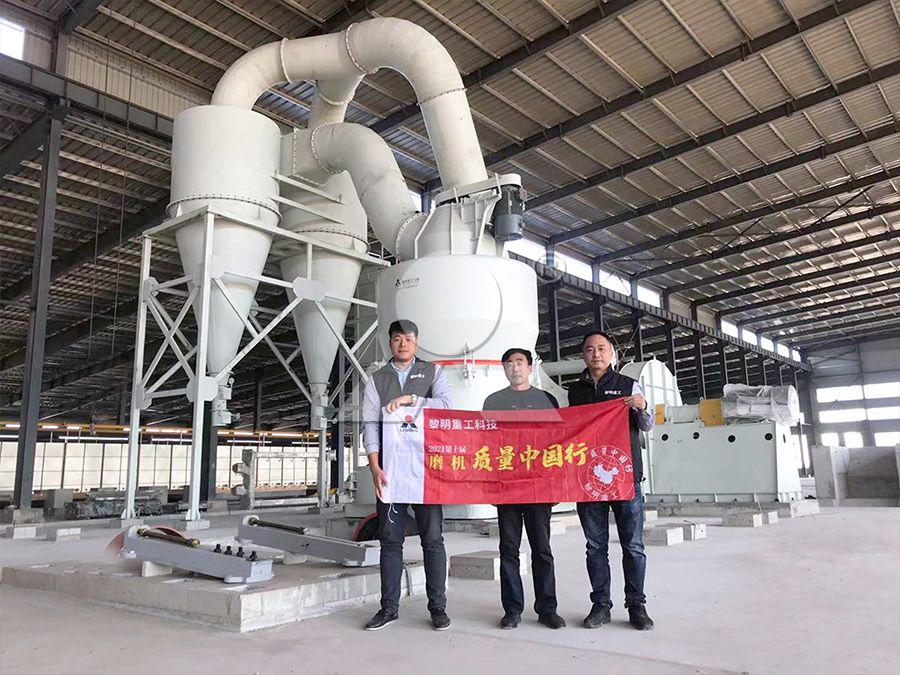
- Classification & Collection: Integrated powder separators ensure only particles meeting the target size proceed to the final collection cyclones.
- Packaging & Storage: The final, dust-free powder is bagged for distribution to farming cooperatives and distributors across the island.
Economic and Agronomic Benefits for Jamaica
Investing in optimized limestone processing delivers tangible returns:
- Increased Crop Yields: Effective pH correction unlocks soil potential, directly boosting production of key crops.
- Reduced Fertilizer Waste: At proper pH levels, applied fertilizers are utilized more efficiently, reducing input costs and environmental runoff.
- Local Industry Development: Establishing efficient local processing reduces reliance on imported amendments, keeps capital within the island, and creates skilled jobs.
- Sustainable Land Management: Regular, precise liming is a foundation of sustainable agriculture, preserving soil health for future generations.
By adopting advanced pulverization technology such as the MW Ultrafine Grinding Mill, Jamaican agricultural input producers can supply a superior, locally-produced soil amendment. This empowers farmers to manage soil acidity proactively and efficiently, turning a fundamental challenge into a cornerstone of the island’s agricultural resilience and prosperity.
Frequently Asked Questions (FAQs)
- What is the ideal fineness of limestone powder for fast soil pH correction?
For a rapid reaction within a single growing season, a fineness where 90% of the particles pass through a 100-mesh (150μm) sieve is recommended. Ultra-fine powders (325 mesh and finer) react within weeks. - Can these industrial mills handle the hardness and moisture of Jamaican limestone?
Yes, modern mills like the MTW and MW series are designed for non-metallic minerals like limestone. Specifications for input size and moisture tolerance should be checked against the specific quarry material. - How significant are the energy savings with newer mill designs?
Very significant. Advanced designs can reduce energy consumption by 30%-50% compared to older ball mill or Raymond mill systems, a major factor in operational cost. - Is dust pollution a major concern with on-island processing?
It doesn’t have to be. Contemporary mills are equipped with closed-loop systems and high-efficiency pulse jet dust collectors (like on the MW Mill) that capture over 99.9% of process dust, making operations clean. - What production capacity range is suitable for the Jamaican market?
This depends on demand. Smaller to mid-range mills with capacities between 5-25 tons per hour (like the MW Mill’s 0.5-25 tph range) often provide the flexibility needed for regional supply. - How often does the grinding equipment require maintenance?
Maintenance intervals vary. Designs that exclude vulnerable components from the grinding zone (e.g., no rolling bearings in the chamber) greatly extend service life and reduce maintenance frequency. - Can the same mill process other agricultural minerals, like phosphate rock?
Many grinding mills are versatile. The applications listed for mills like the MW or MTW often include other soft to medium-hard agricultural minerals, allowing for diversified product lines.