
Grinding machine for limestone for raw material for lime in iraq
Grinding Machine for Limestone: Optimizing Raw Material for Lime Production in Iraq
The Iraqi construction and industrial sectors have witnessed sustained growth, driving a consistent demand for high-quality lime. Lime, a crucial material in steelmaking, water treatment, construction (mortar, plaster), and environmental applications (flue gas desulfurization), begins its journey as raw limestone. The transformation of this quarried stone into a reactive, finely powdered raw material suitable for calcination is a critical process step where the choice of grinding technology becomes paramount. Selecting the right grinding machine directly impacts product quality, energy efficiency, operational costs, and environmental compliance—factors essential for profitable and sustainable operations in Iraq’s evolving market.
The Critical Role of Limestone Grinding in Lime Manufacturing
Before limestone can be fed into a kiln for calcination into quicklime (CaO), it must be reduced to a specific, uniform fineness. Optimal particle size distribution ensures efficient heat transfer during calcination, leading to complete decomposition, higher reactivity of the final lime, and consistent quality. Inefficient grinding results in oversized particles that may not fully calcine, wasting energy and fuel, or overly fine dust that can impede kiln airflow. Furthermore, modern lime hydrators often require ultra-fine limestone powder as a direct input. Therefore, the grinding stage is not merely a size reduction operation but a vital quality-defining process.
Key Considerations for Selecting a Grinding Mill in Iraq
Operators in Iraq must evaluate grinding equipment against several local and technical criteria:
- Material Characteristics: Iraqi limestone can vary in hardness, moisture content, and abrasiveness. The mill must handle the specific feed size (typically 0-50mm) and grind to the required fineness, often ranging from coarse (100 mesh) for kiln feed to superfine (2500 mesh) for specialty chemicals.
- Production Capacity & Scalability: Matching the mill’s throughput (tph) to plant requirements, from smaller local operations to large industrial complexes, is essential.
- Energy Efficiency: With energy costs being a major operational expense, mills that offer higher yield per kilowatt-hour provide a significant competitive advantage.
- Durability & Maintenance: The harsh environmental conditions and the need to minimize downtime demand robust machinery with accessible, easy-to-maintain components and reliable local spare parts support.
- Environmental Compliance: Dust emission and noise pollution are strictly regulated. A grinding system must incorporate effective, integrated dust collection and noise reduction features.
- Footprint & Integration: Compact designs that integrate drying (if needed), grinding, classifying, and conveying are preferable, especially where space or infrastructure may be limited.

Advanced Grinding Solutions for Superior Lime Raw Material
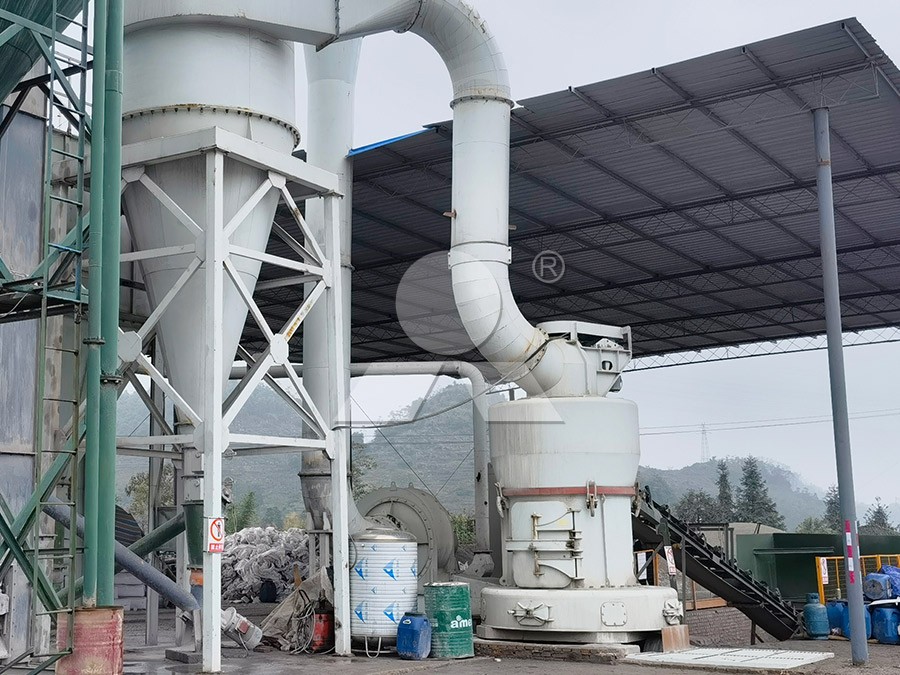
While traditional ball mills and Raymond mills are common, advanced grinding technologies offer transformative benefits in efficiency and product quality. Leading the evolution are vertical roller mills and ultra-fine grinding mills, which employ centrifugal grinding forces for higher efficiency and lower wear.
For operations requiring high-capacity processing of limestone for kiln feed, the LM Vertical Grinding Mill presents an outstanding solution. It integrates crushing, drying, grinding, classifying, and conveying in a single unit, reducing the footprint by up to 50% compared to a ball mill system—a significant advantage. Its energy consumption is 30%-40% lower, and the short material residence time minimizes over-grinding and reduces iron contamination, ensuring a purer feed for high-quality lime production. With an input size of up to 70mm and a massive capacity range of 3-340 tph, it can serve virtually any scale of lime plant in Iraq.
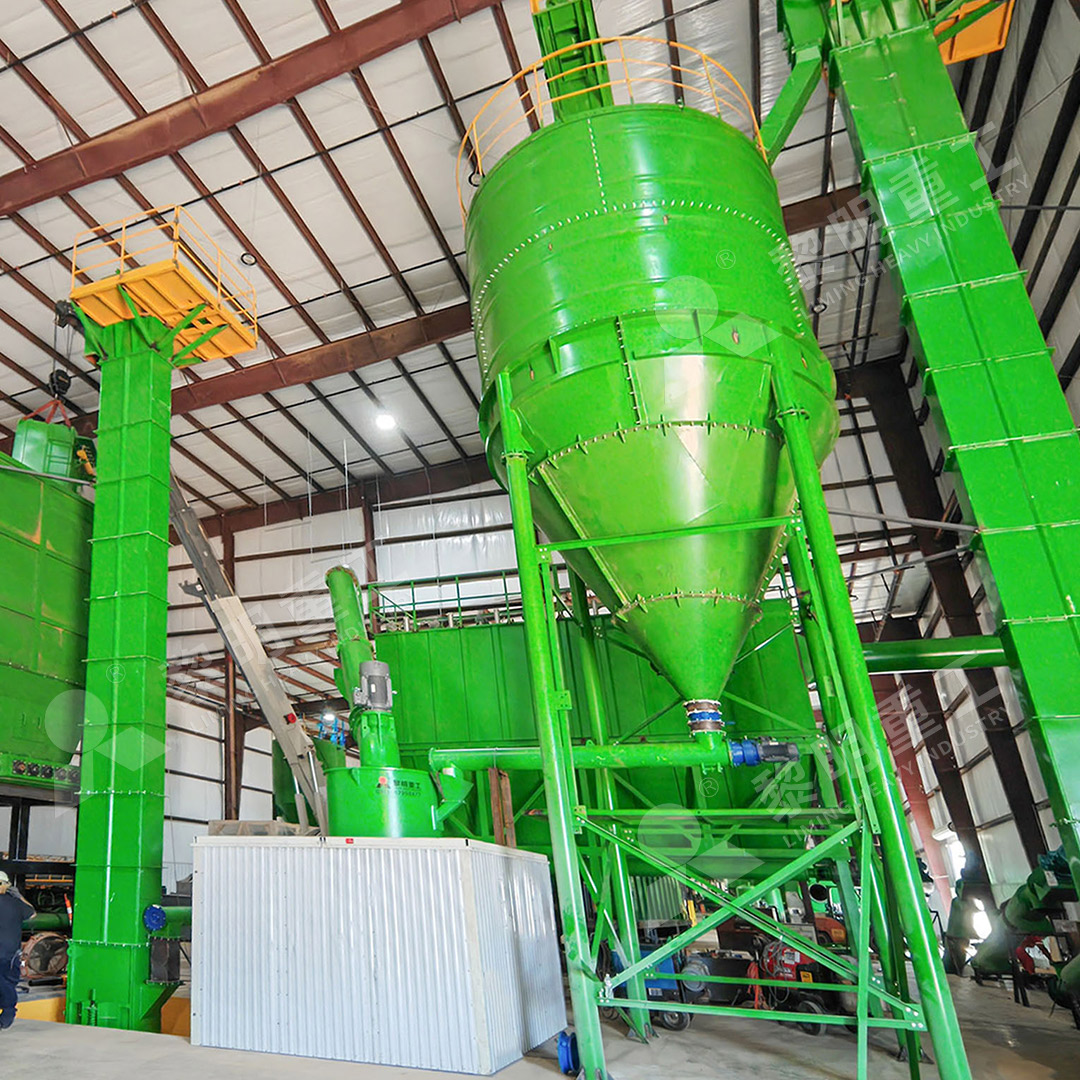
For producers targeting the high-value, ultra-fine limestone powder market for applications like advanced chemicals, fillers, or direct hydration, the MW Ultrafine Grinding Mill is a technological benchmark. This mill is engineered specifically for customers who need to make ultra-fine powder from minerals like limestone. Its innovative design features a cage-type powder selector based on German technology, allowing precise fineness adjustment between 325 and 2500 meshes, with a screening rate capable of achieving d97≤5μm in a single pass. A standout feature for maintenance reliability in remote locations is the absence of rolling bearings and screws in the grinding chamber, eliminating common failure points. Furthermore, it is equipped with an efficient pulse dust collector and muffler, ensuring the entire production process meets stringent environmental standards with minimal dust and noise—a critical consideration for sustainable operations. With an input size of 0-20 mm and a capacity range of 0.5-25 tph, it is perfectly scaled for high-precision, specialized limestone grinding lines.
Conclusion: Building a Sustainable Future with Efficient Technology
The success of Iraq’s lime industry hinges on adopting modern, efficient, and reliable technologies. Investing in the right limestone grinding machinery is a strategic decision that goes beyond mere particle size reduction. It is about optimizing energy use, ensuring product consistency, minimizing environmental impact, and reducing total cost of ownership. By choosing advanced, integrated grinding solutions like the LM Vertical Grinding Mill for high-volume kiln feed or the MW Ultrafine Grinding Mill for premium superfine products, Iraqi producers can strengthen their competitiveness, contribute to national development goals, and build a more sustainable industrial future.
Frequently Asked Questions (FAQs)
- What is the typical feed size for limestone going into a grinding mill for lime production?
Feed size depends on the mill type. For vertical roller mills like the LM series, feed can be up to 70mm. For ultra-fine mills like the MW series, feed is typically under 20mm. Primary crushing is usually required before grinding. - How does grinding fineness affect the lime calcination process?
Uniform and optimal fineness ensures even heat penetration in the kiln, leading to complete calcination, higher lime reactivity, and lower fuel consumption. Both overly coarse and excessively fine particles can be detrimental to efficiency. - Are these grinding mills suitable for the climate and environmental regulations in Iraq?
Yes. Modern mills like the MW and LM series are designed with fully enclosed, negative-pressure systems and high-efficiency pulse dust collectors, virtually eliminating dust emissions. They are built to operate reliably in demanding industrial environments. - What are the main advantages of a vertical roller mill over a traditional ball mill for limestone?
Key advantages include 30-50% lower energy consumption, 50% smaller footprint, integrated drying capability for moist materials, lower noise levels, and less metal wear contamination due to non-contact grinding principles. - Can one mill produce both coarse powder for kiln feed and fine powder for other applications?
Some mills offer wide adjustability. For example, the MW Ultrafine Grinding Mill can produce powder from 325 to 2500 meshes. However, for vastly different product ranges (e.g., 100 mesh and 1500 mesh), dedicated lines or separate classifier systems might be more efficient. - How critical is after-sales service and spare parts availability for operating in Iraq?
It is crucial. Choosing a supplier with a strong commitment to after-sales support, readily available original spare parts, and potential local technical assistance is vital to minimize downtime and ensure long-term, worry-free operation. - Do these mills require special foundations or extensive civil work?
Modern vertical mills have a compact, integrated design that often requires less civil work than traditional ball mill systems. However, proper foundation design based on the supplier’s specifications is always necessary for stable operation.